From the first automobile to advanced driver assistance systems, these breakthroughs reshaped the industry.
Shaping an Industry
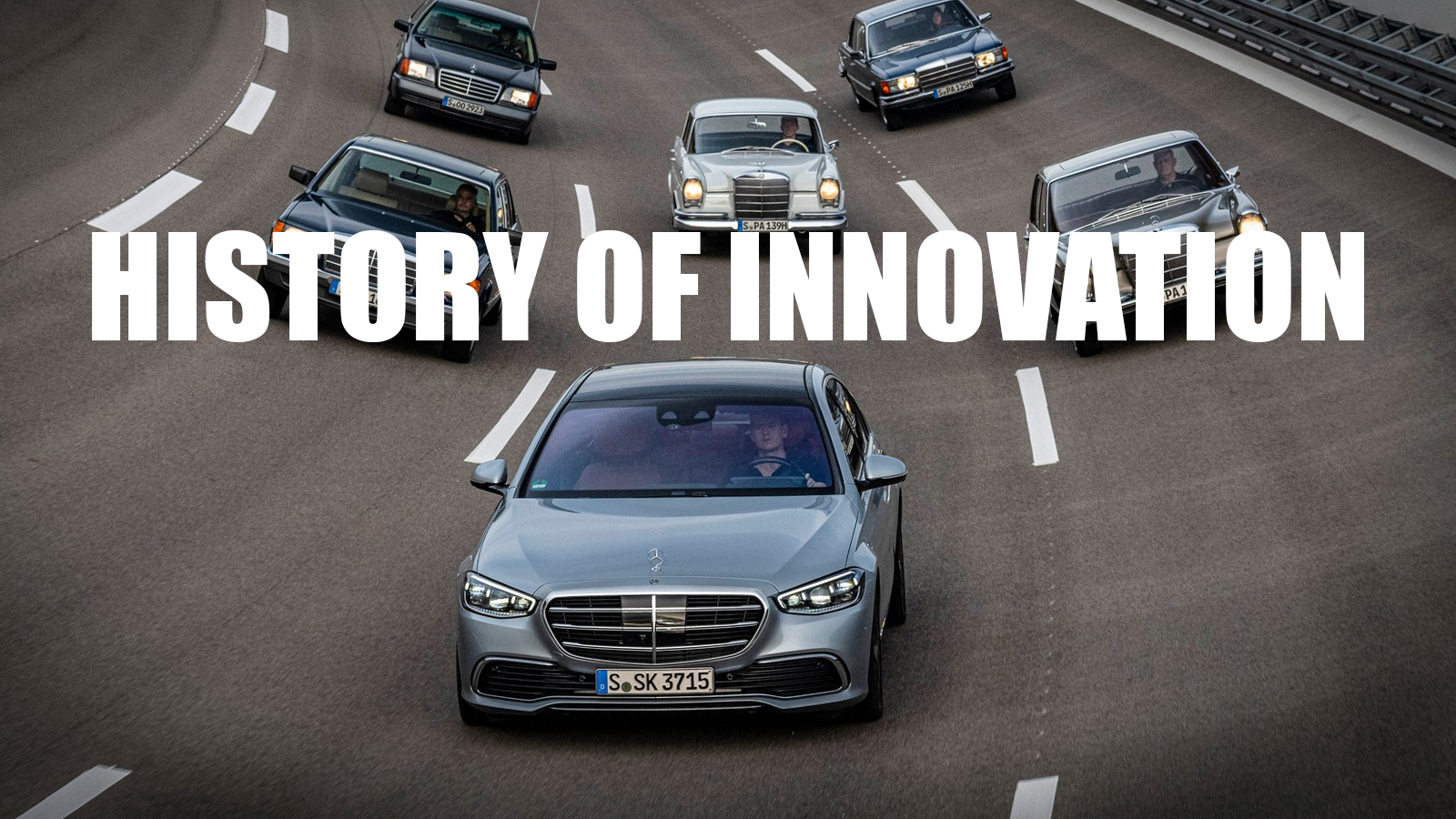
Mercedes-Benz has long been a force in automotive engineering, not only as a luxury brand but as a consistent pioneer in safety, performance, and technology. That includes the invention of the automobile itself! The following innovations mark some of the most influential moments in automotive history—many of which became industry standards.
Crumple Zones (1959) – A New Approach to Safety
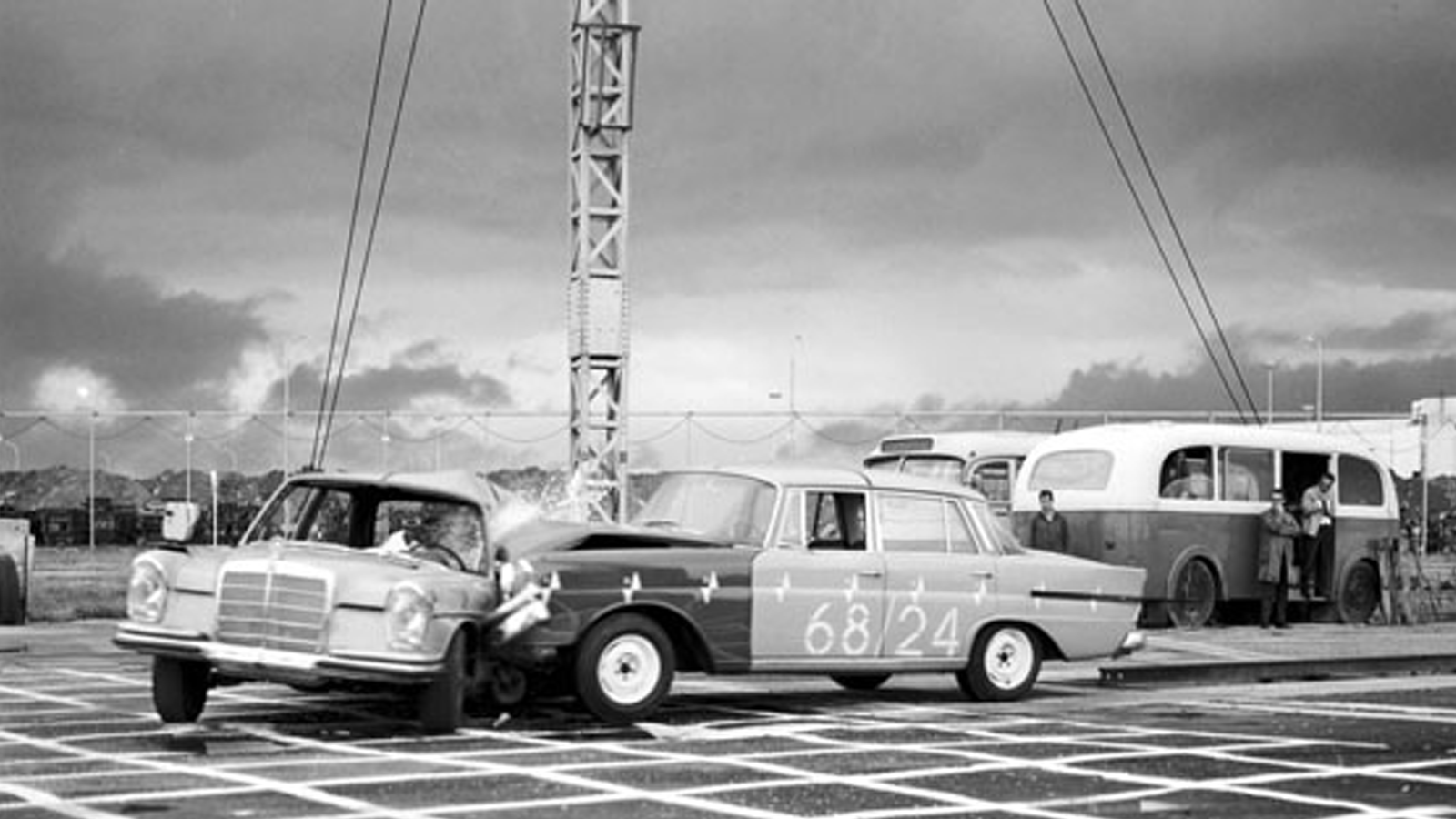
Mercedes engineer Béla Barényi developed the concept of crumple zones, which absorb kinetic energy during a crash by deforming in controlled ways. Introduced on the W111 “Fintail,” this approach countered the prevailing idea of rigid car bodies and led to major safety gains industry-wide.
Anti-Lock Braking System (ABS) – First Production Use in 1978
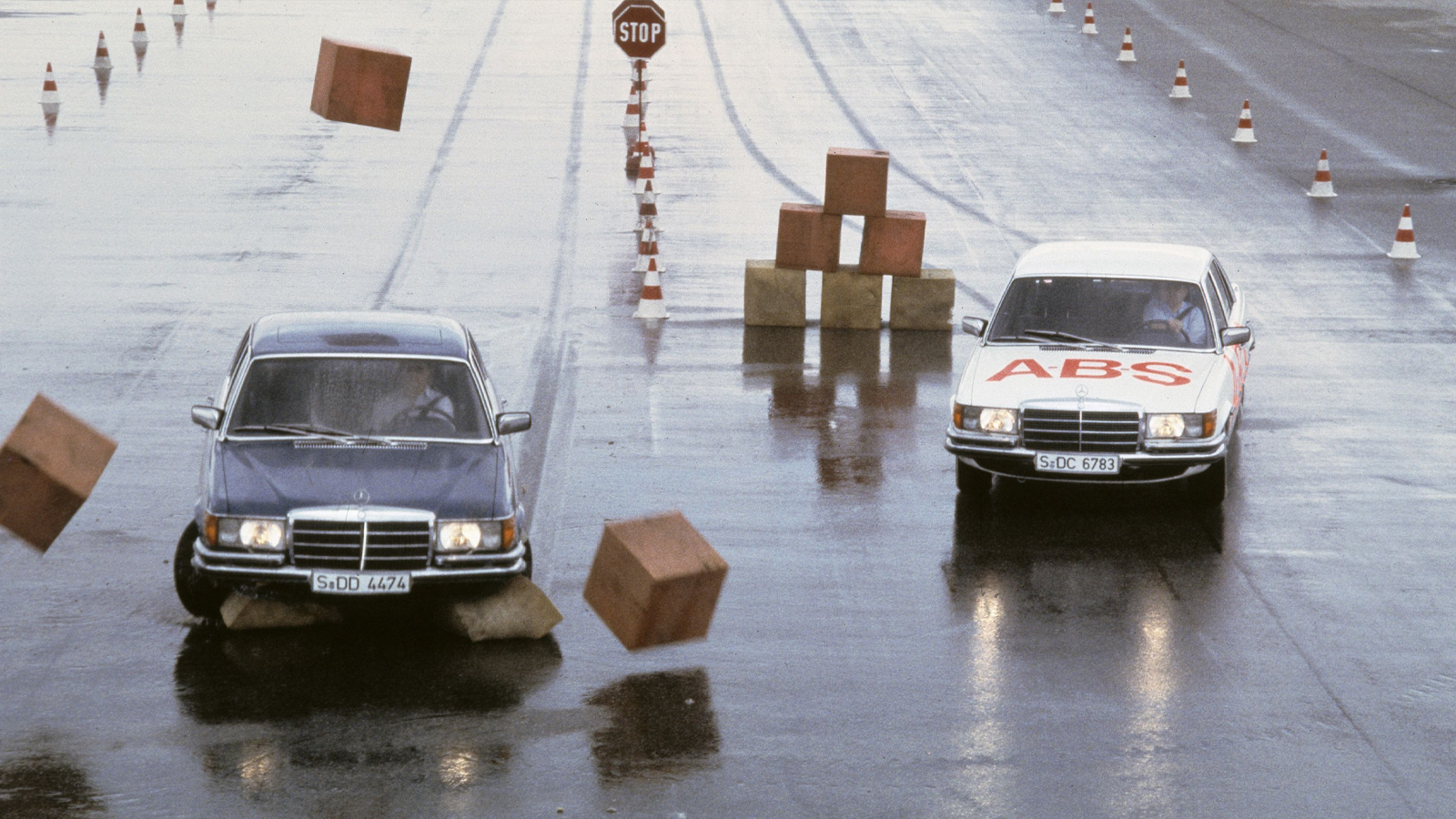
In collaboration with Bosch, Mercedes-Benz was the first to introduce a production car with an electronic ABS system on the 1978 S-Class (W116). By preventing wheel lockup during braking, ABS dramatically improved steering control and safety in emergency stops, becoming standard globally over time.
Airbags in Production Cars (1981)
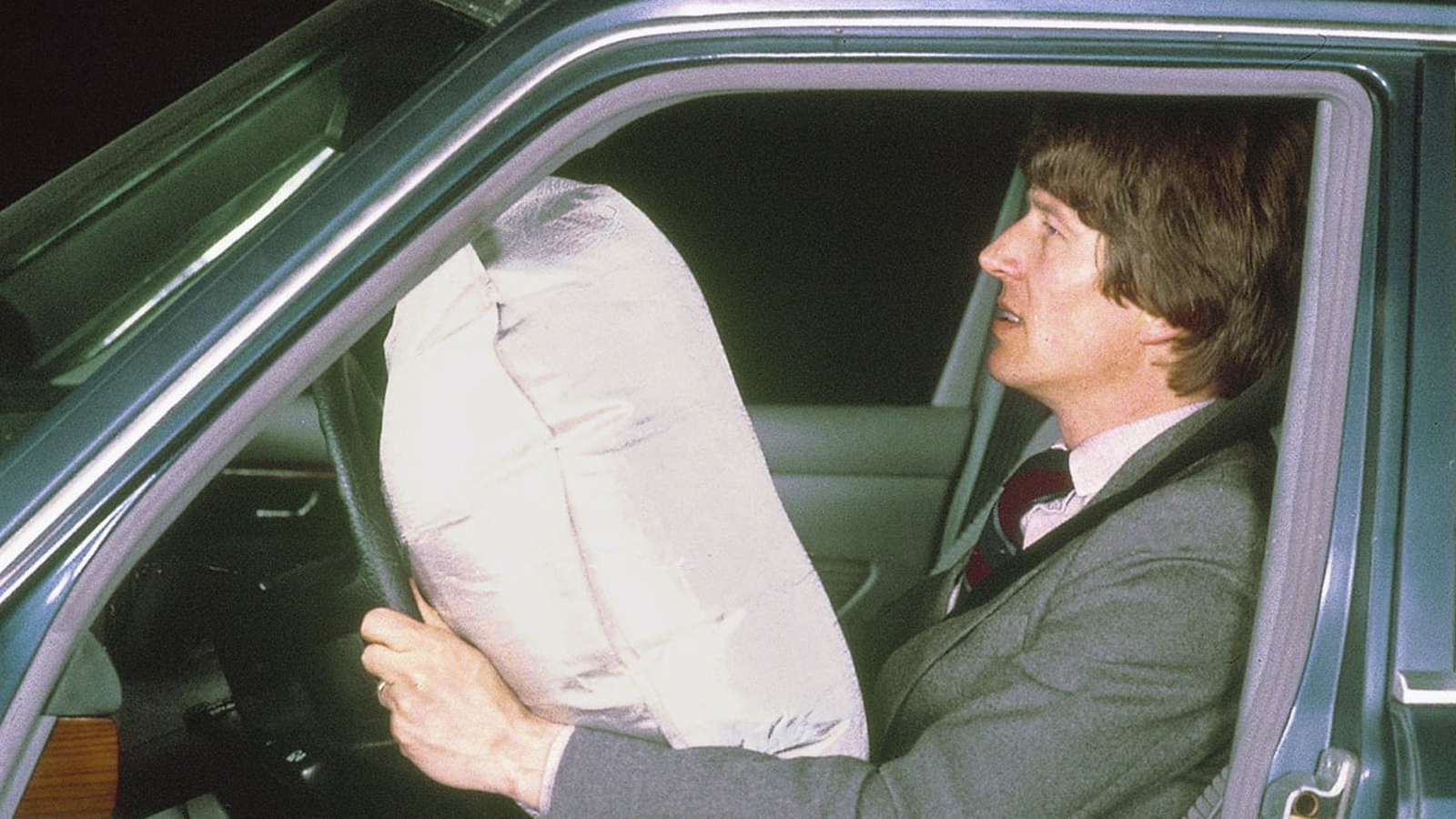
Mercedes was among the first to offer airbags as standard equipment, debuting the driver-side airbag and seatbelt pre-tensioners in the W126 S-Class in 1981. These technologies are now fundamental to vehicle safety regulations worldwide.
Electronic Stability Program (ESP) – Debuted in 1995
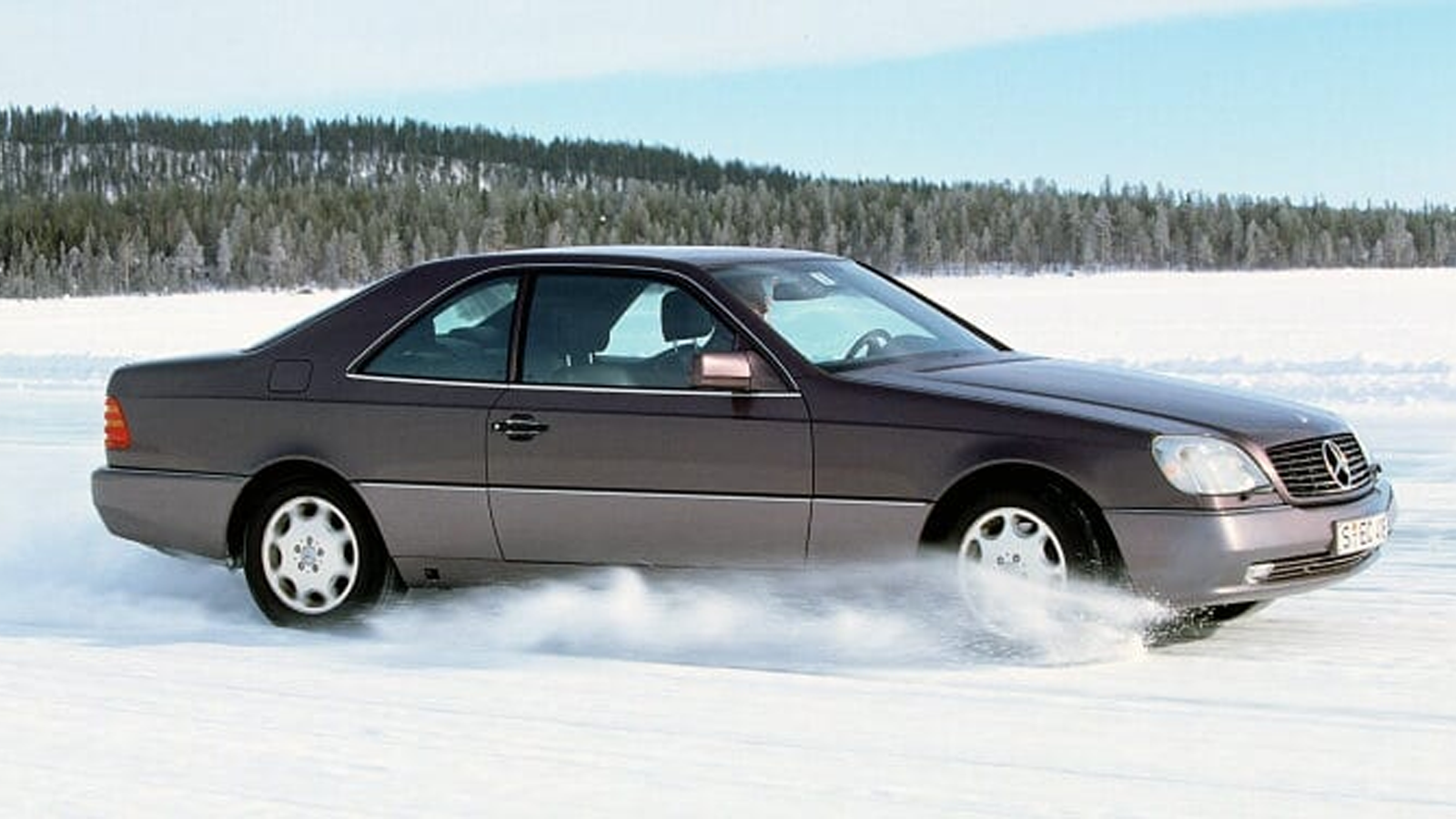
First featured in the 1995 S-Class and later the SL-Class, ESP used sensors to detect vehicle yaw, steering angle, and lateral acceleration. By selectively braking individual wheels, the system could counteract oversteer or understeer—drastically improving accident prevention. ESP has since become mandatory in many countries.
Pre-Safe System (2002)
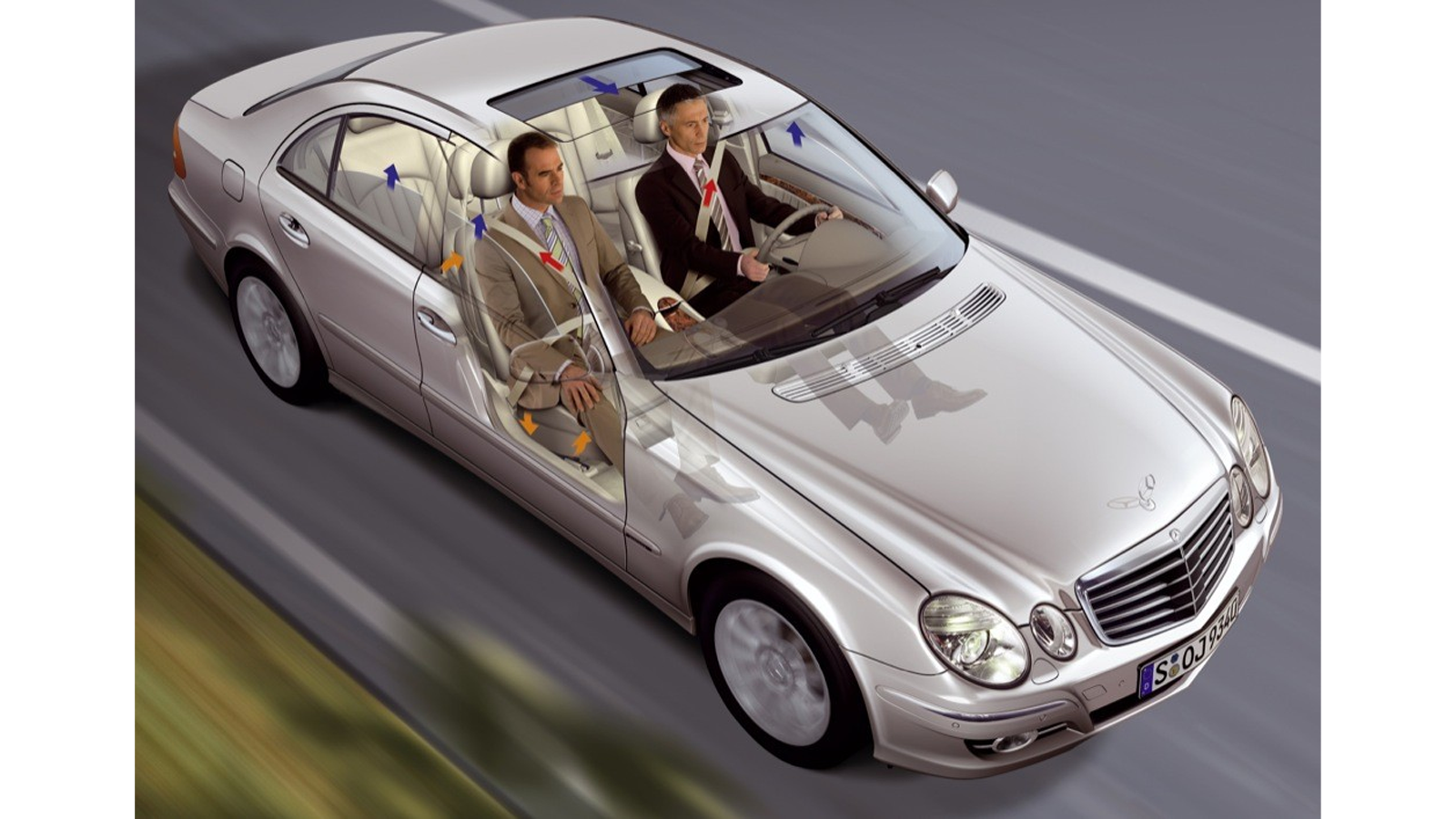
The Pre-Safe system—debuted in the 2002 S-Class (W220)—used sensors to detect imminent crashes and prepare the vehicle for impact. Actions included tightening seatbelts, closing windows, and adjusting seat positions. It was one of the first examples of a predictive safety system and remains a template for modern safety suites.
Multilink Rear Suspension (1982)
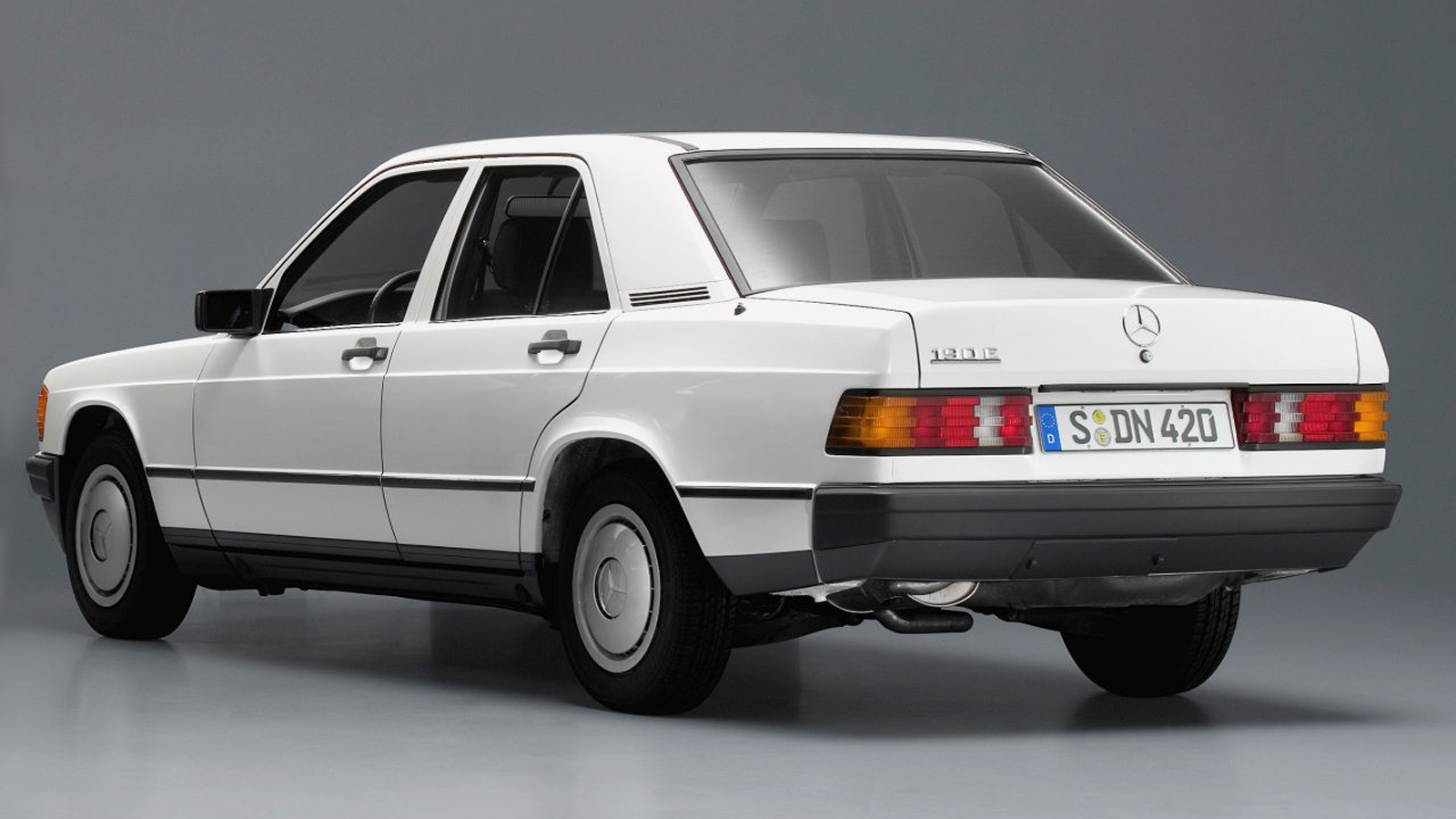
Introduced in the 190E (W201), the five-link rear suspension dramatically improved ride quality and handling by allowing independent wheel control. This design became a benchmark for performance sedans and was adopted across the industry.
Distronic Adaptive Cruise Control (1998)
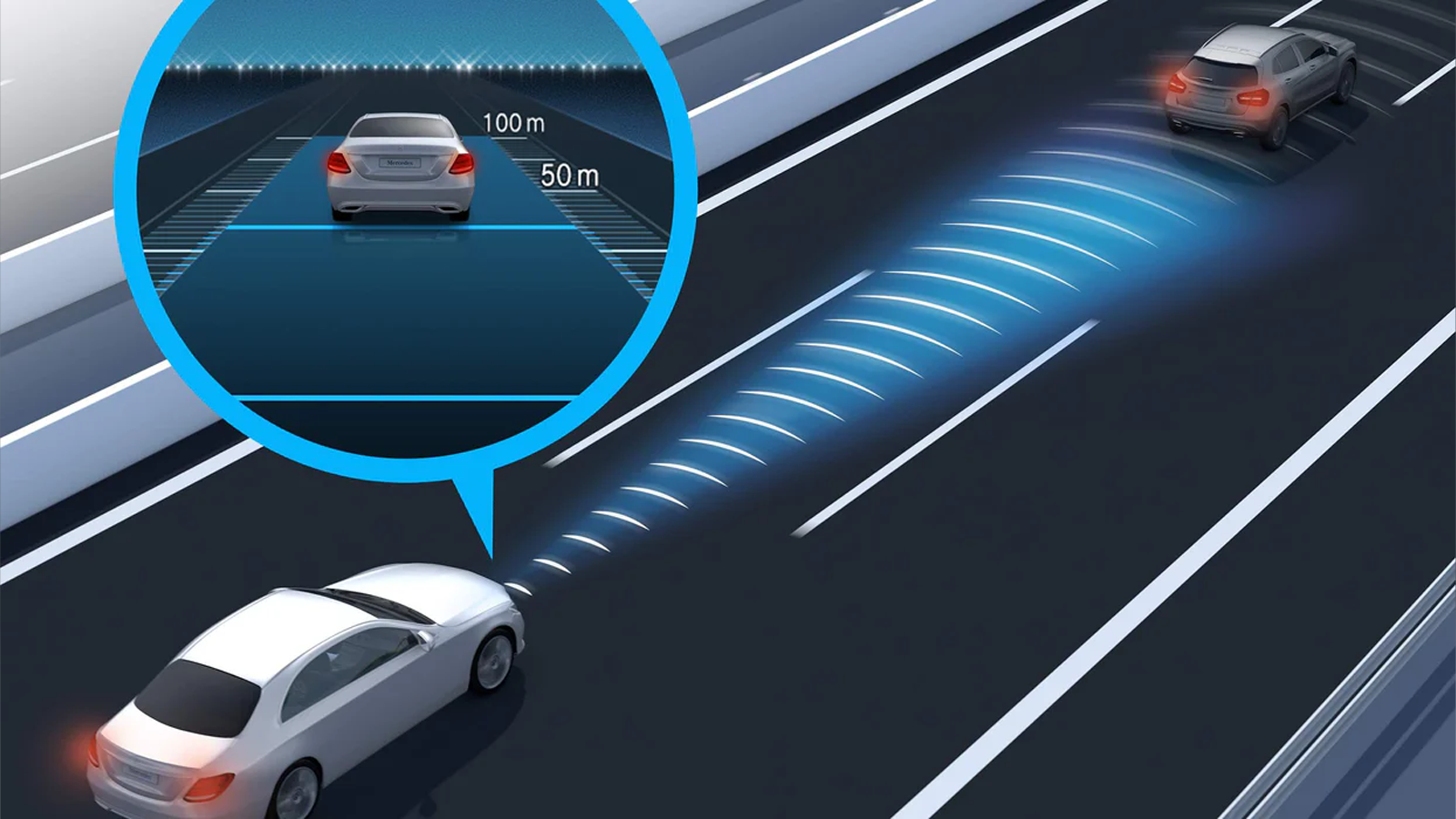
Mercedes was the first automaker to offer radar-based adaptive cruise control with the Distronic system, introduced in the 1998 S-Class. It could maintain a set following distance from the vehicle ahead, foreshadowing modern semi-autonomous driving features.
Car-to-X Communication (2013)
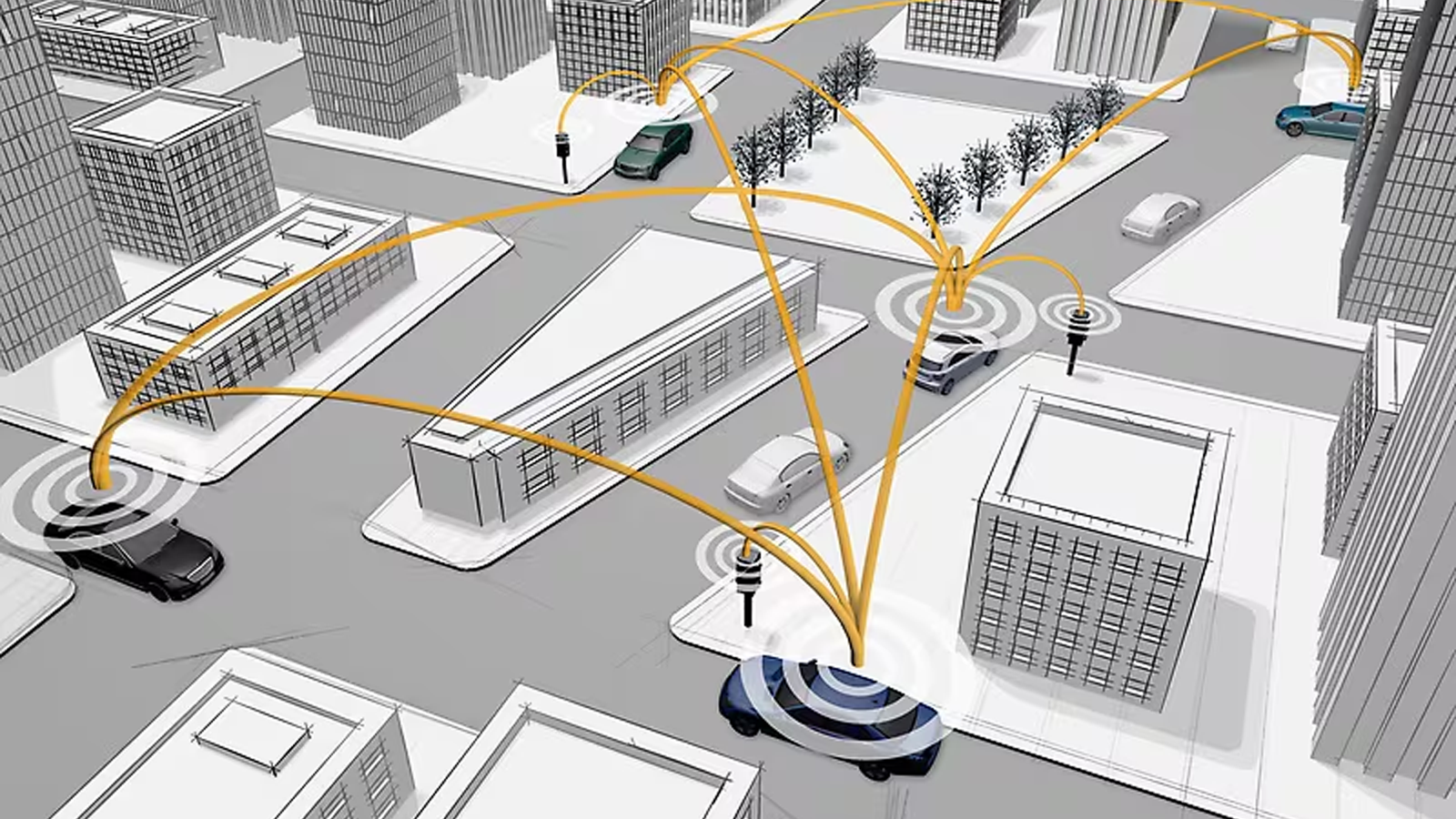
Mercedes-Benz began fitting production cars with Car-to-X communication, allowing vehicles to exchange information about road hazards, weather conditions, or traffic with other connected cars and infrastructure. It laid the groundwork for vehicle-to-everything (V2X) communication—a key technology in future mobility ecosystems.
MBUX with AI-Based Voice Control (2018)
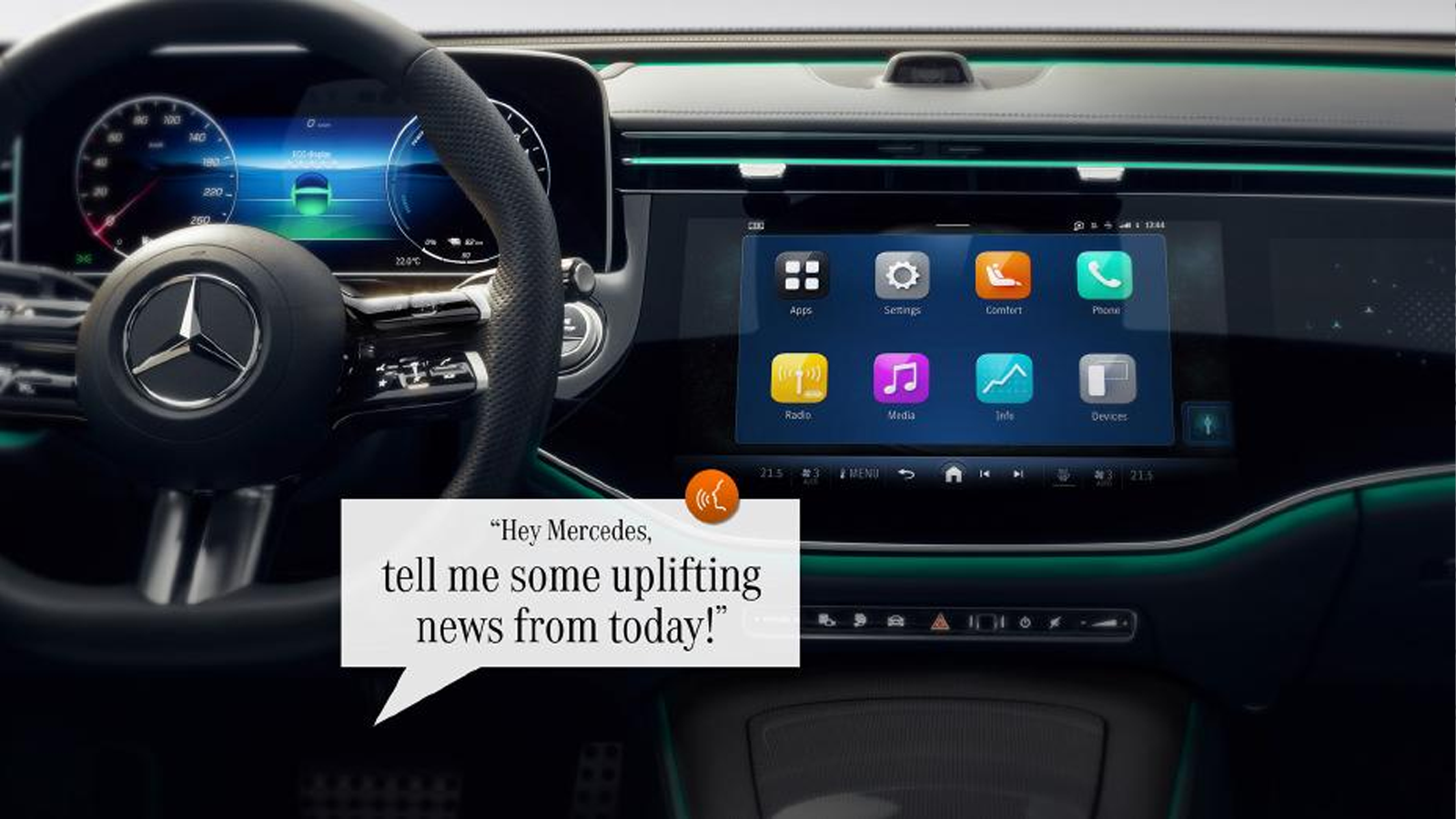
With the Mercedes-Benz User Experience (MBUX) system introduced in the 2018 A-Class, the company brought artificial intelligence and natural-language voice control into the mainstream. Unlike earlier voice systems, MBUX adapted to user behavior, initiating a new wave of intuitive infotainment design.
Introduction of Night Vision Assist (2005)
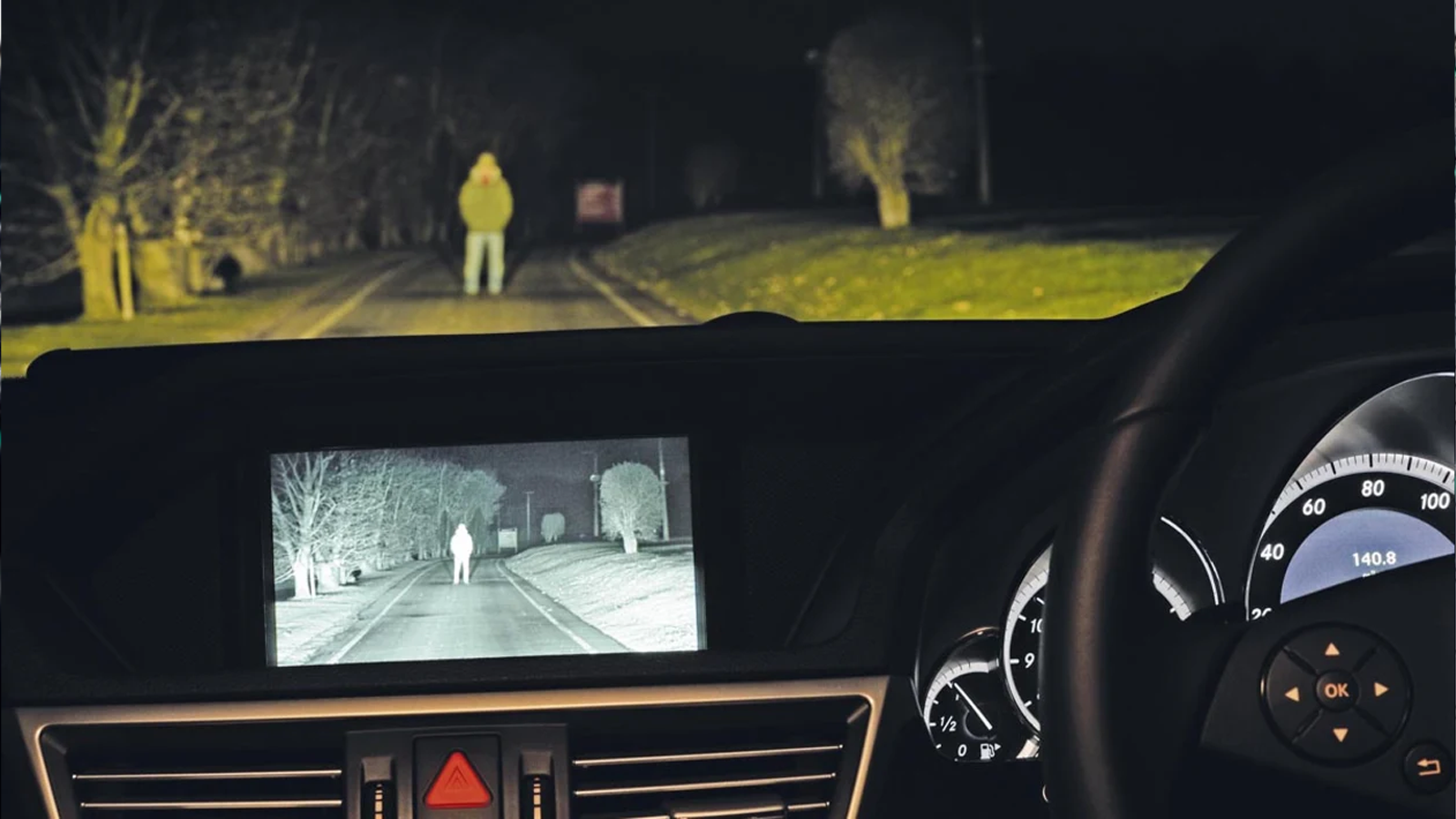
The 2005 S-Class introduced an infrared-based Night View Assist system, projecting images onto the instrument cluster to highlight obstacles beyond the reach of headlights. Though more common in luxury segments, it marked an important advancement in low-visibility driving safety.
>>Join the conversation about these Mercedes innovations right here on MBWorld.org
For help with your maintenance and repair projects, please visit our How-to section in the forum.