
10 Most Iconic Mercedes Designs of the Gorden Wagener Era
From unforgettable production cars that shaped the company's direction to concepts that pushed the envelope, Gorden Wagener's time at Mercedes will simply be remembered as... ICONIC.


Intro
As the long-time design chief behind Mercedes’ modern visual identity, Gorden Wagener has overseen a dramatic shift in how the brand looks and feels. Since taking charge of design in 2008, he has pushed the marque away from conservative lines toward smoother, more emotional forms under what the company calls its “Sensual Purity” philosophy.
With his time as the design director of the Three-Pointed Star having come to a close, we take a look back at his most influential contributions to not just Mercedes, but the automotive industry as a whole.
Related: Gorden Wagener Shares Insanely Cool Retro Mercedes Concept
S-Class (W222, 2013–2020)
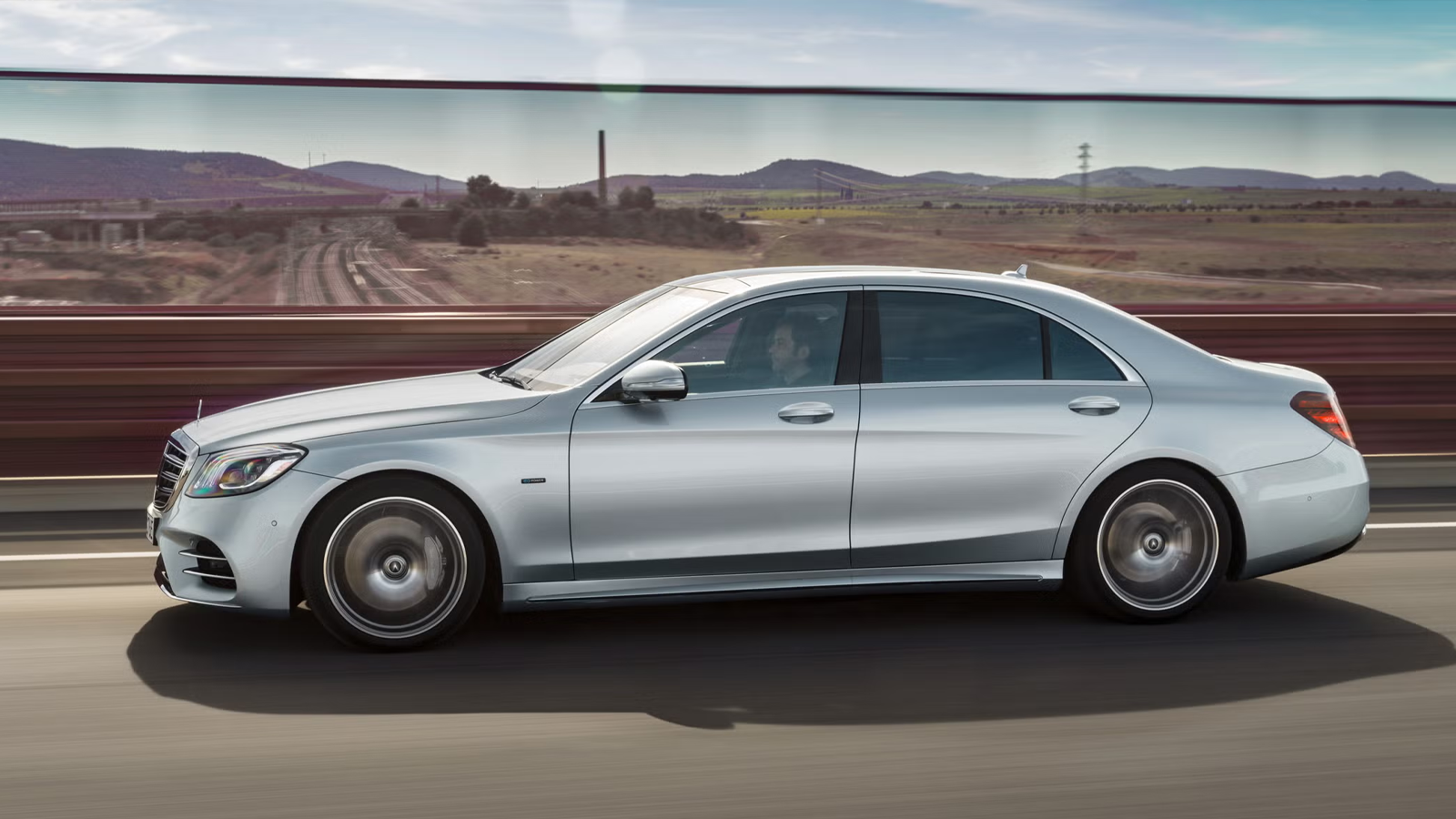
The W222 S-Class marked the first full expression of Wagener’s design direction at Mercedes-Benz. Gone were the upright forms and sharp edges of earlier generations, replaced by flowing surfaces, larger glass areas, and a clean, sculpted profile.
The cabin also redefined luxury interiors with twin digital screens and minimal button clutter, influencing nearly every Mercedes interior that followed. Beyond looks, the S-Class introduced lightweight construction and advanced driver aids, reinforcing it as both technological and stylistic benchmark.
CLS (Third Generation, C257)
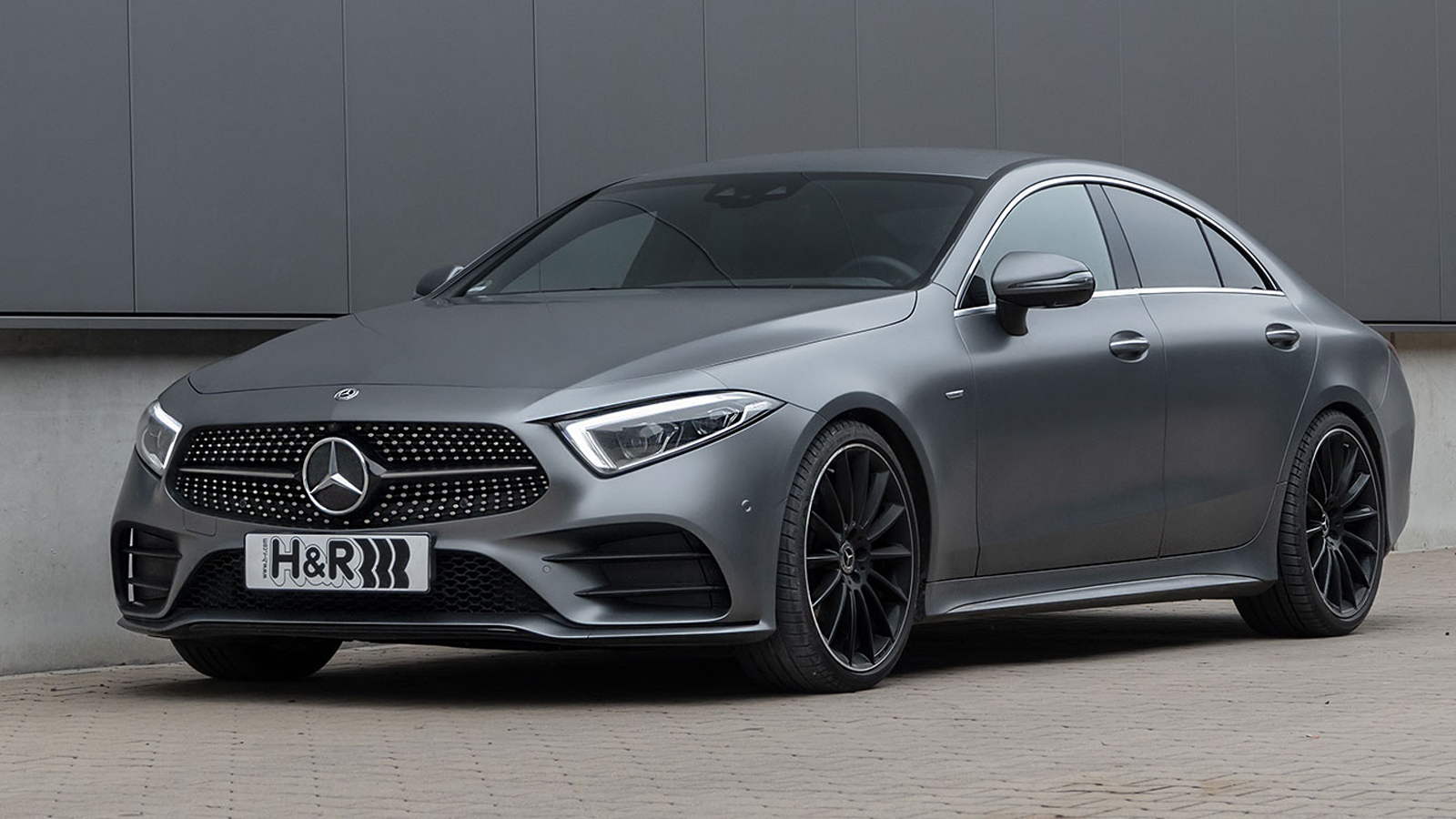
The CLS originally invented the four-door coupe idea, and the third generation sharpened the formula. The nose featured a shark-like profile, while smoother surfaces replaced previous hard creases. Although controversial for its front styling at launch, the car demonstrated Wagener’s push toward cleaner forms, influencing later sedans across the lineup.
AMG GT (2014–2023)
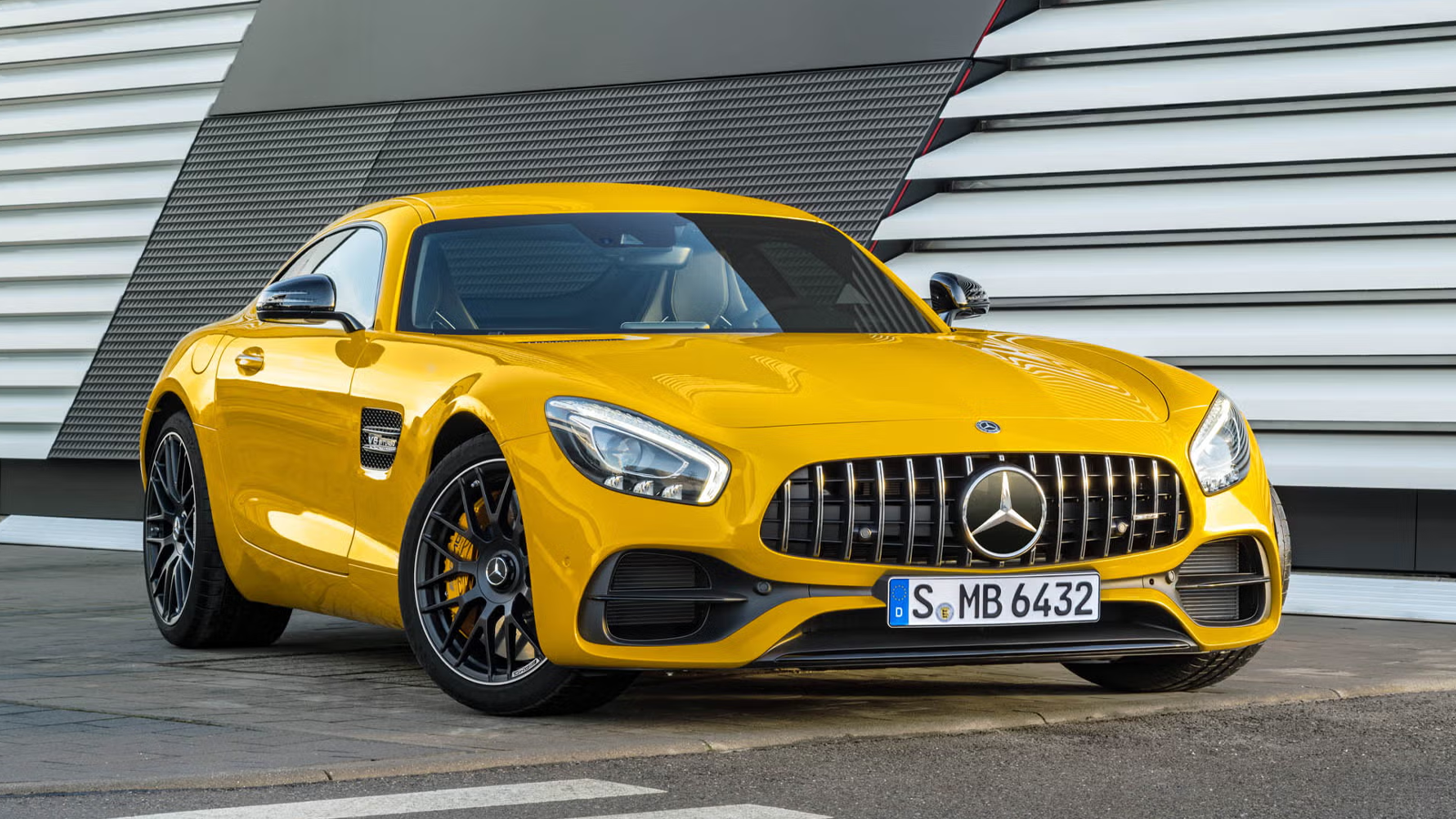
The AMG GT helped establish Mercedes’ in-house performance arm, Mercedes-AMG, as a true Porsche rival. Its long hood, cab-rearward proportions, and muscular rear haunches gave the car instant presence.
Design-wise, it balanced classic front-engine sports car proportions with modern surfacing, creating a shape that felt both nostalgic and contemporary. The GT became one of the brand’s most recognizable performance models of the decade.
Vision EQS Concept (2019)
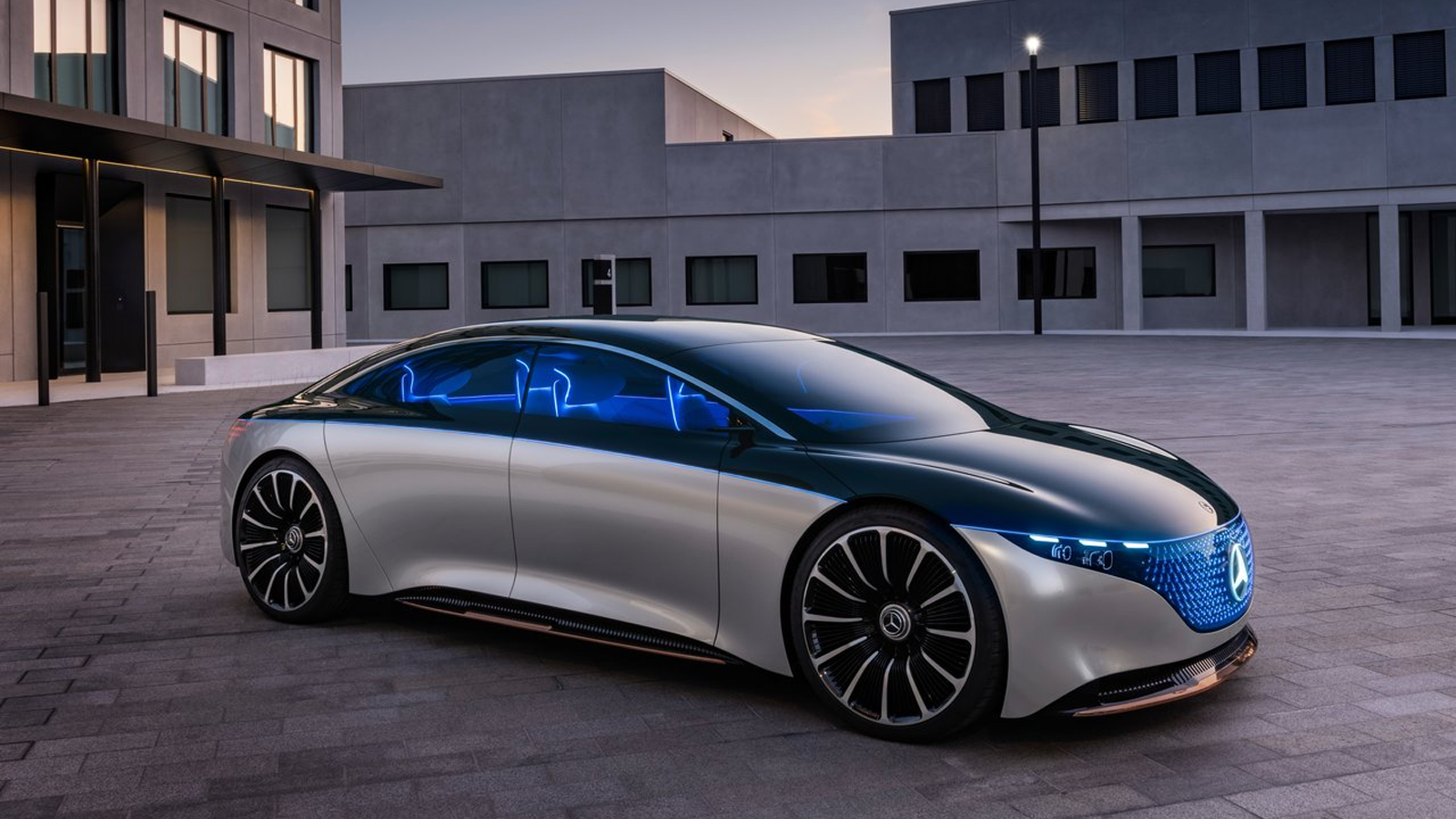
Before the EQS arrived, the Vision EQS concept showcased Wagener’s vision of luxury EV design: smooth, flowing forms with minimal detailing and illuminated exterior elements. Many of its themes, seamless surfaces, full-width lighting, and futuristic cabin layouts, later influenced production EQ models.
S-Class Coupe & Cabriolet (C217/A217)
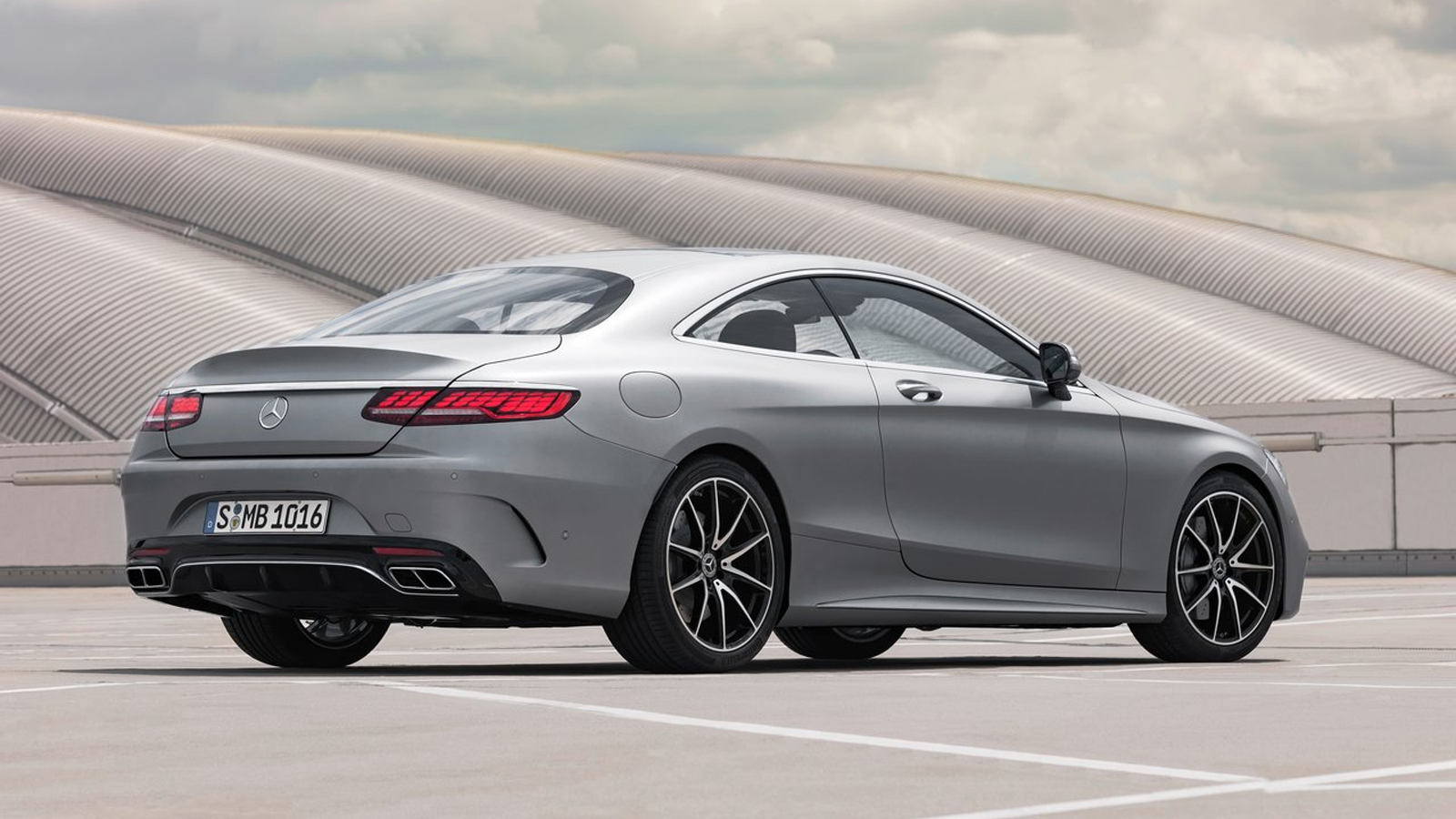
Few modern Mercedes models match the elegance of the S-Class Coupe. Frameless windows, pillarless side glass, and flowing body lines made it feel closer to a concept car than a production model. The coupe and convertible versions emphasized proportion and simplicity, proving Mercedes could still build visually emotional luxury cars in an SUV-dominated era.
Vision AVTR Concept (2020)
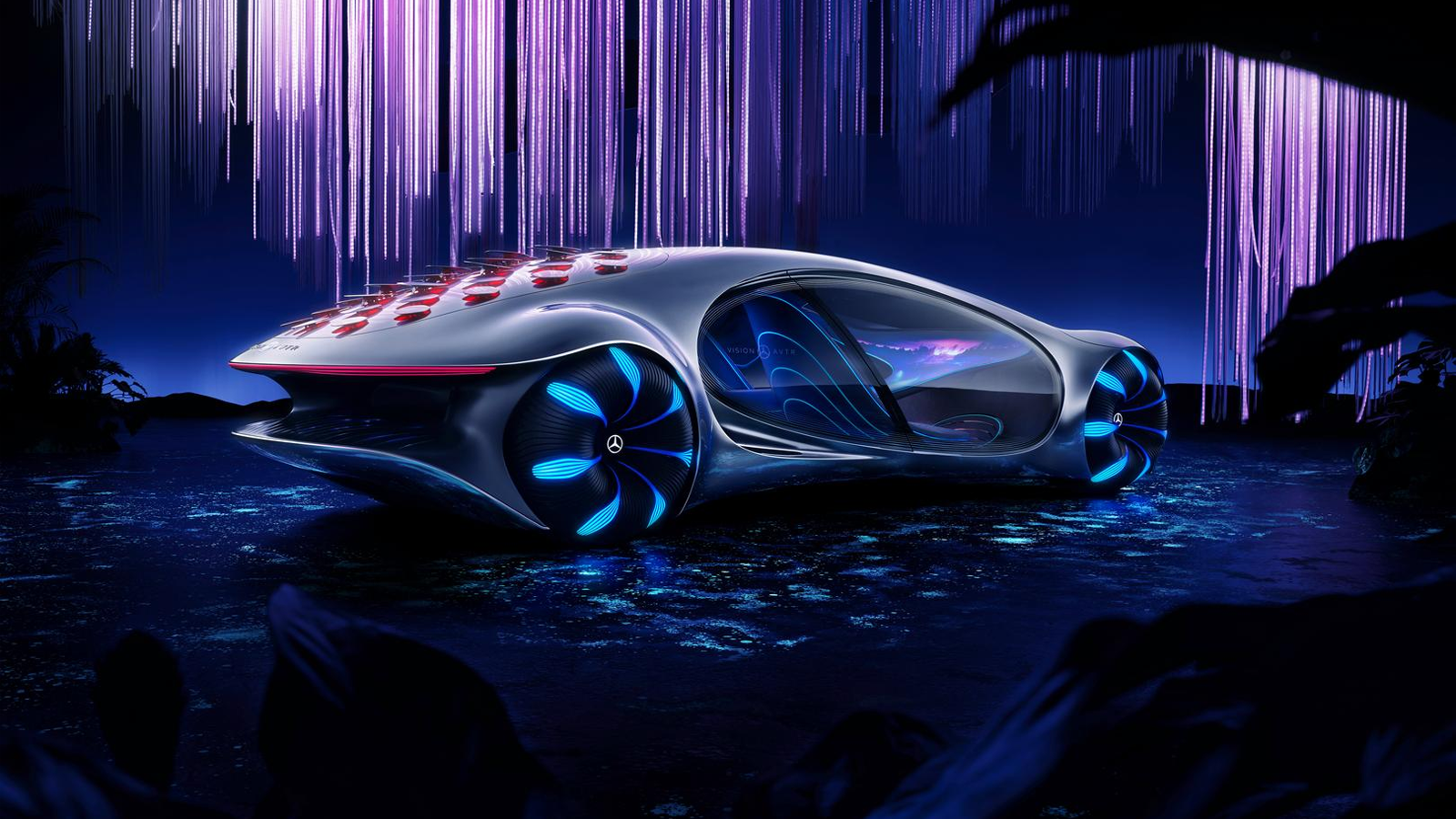
Developed in collaboration with the world of Avatar, the Vision AVTR embraced organic forms, scale-like rear panels, and a lounge-style interior meant to blur the boundary between passenger and machine. It represented one of Mercedes’ most experimental explorations of future mobility design.
Vision Gran Turismo (2013)
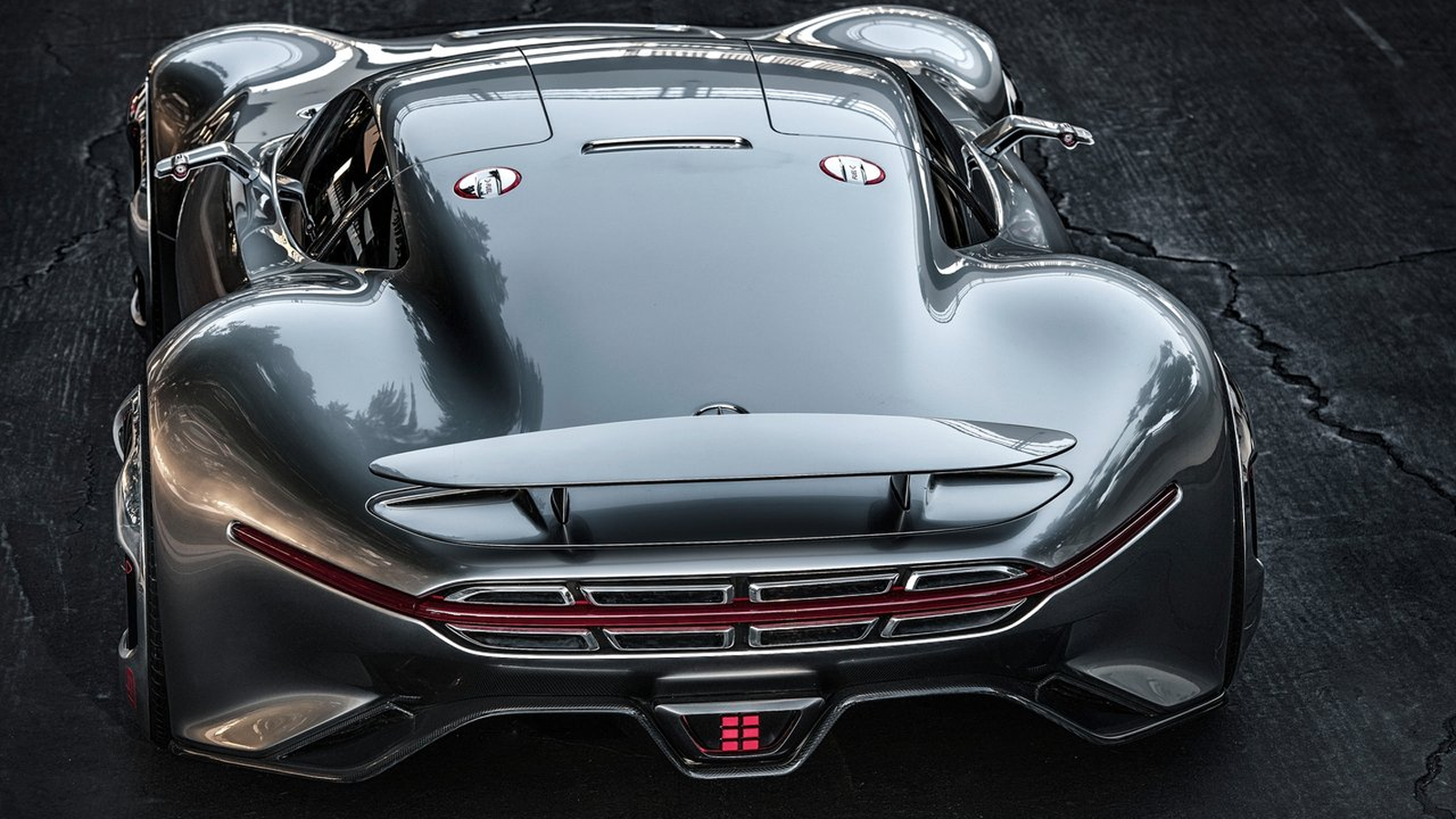
Originally created for Gran Turismo 6, the Vision Gran Turismo concept allowed Mercedes designers to work without production constraints. The exaggerated proportions, massive grille, and sculpted fenders created one of the most dramatic Mercedes concepts in decades. A full-scale physical version was later built and displayed at auto shows, proving how impactful the design was even outside the virtual world.
The concept previewed many themes later seen in AMG performance models, including aggressive front-end treatments and muscular rear proportions.
EDITOR'S NOTE: MBWorld content editor Pouria Savadkouei recalls attending the press reveal of the Vision Gran Turismo at the Los Angeles Auto Show, meeting Wagener and having a lovely conversation with him next to the prototype, an unforgettable experience for him as a young automotive design student and life-long Mercedes-Benz enthusiast.
Vision Mercedes-Maybach 6 Concept (2016)
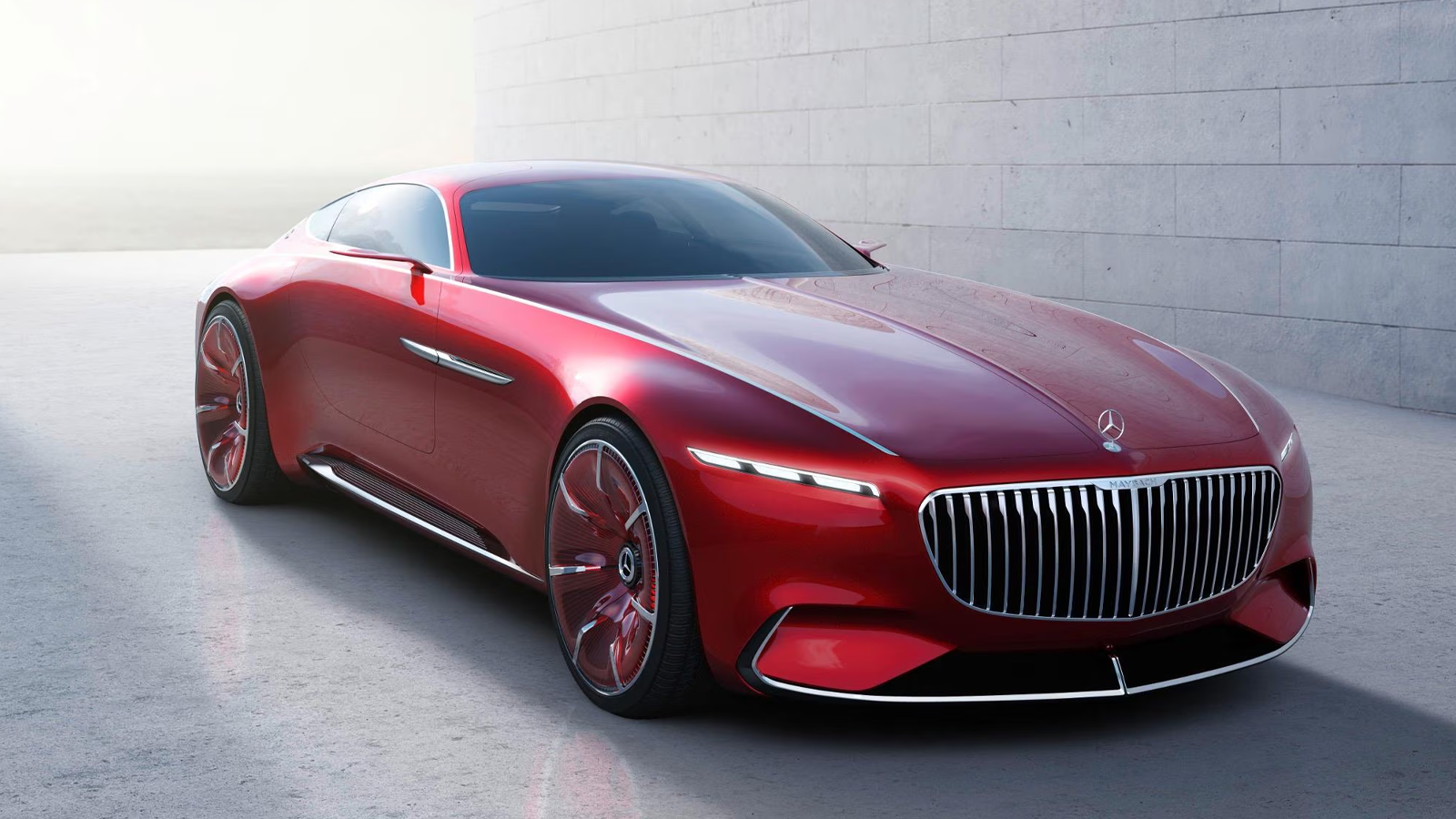
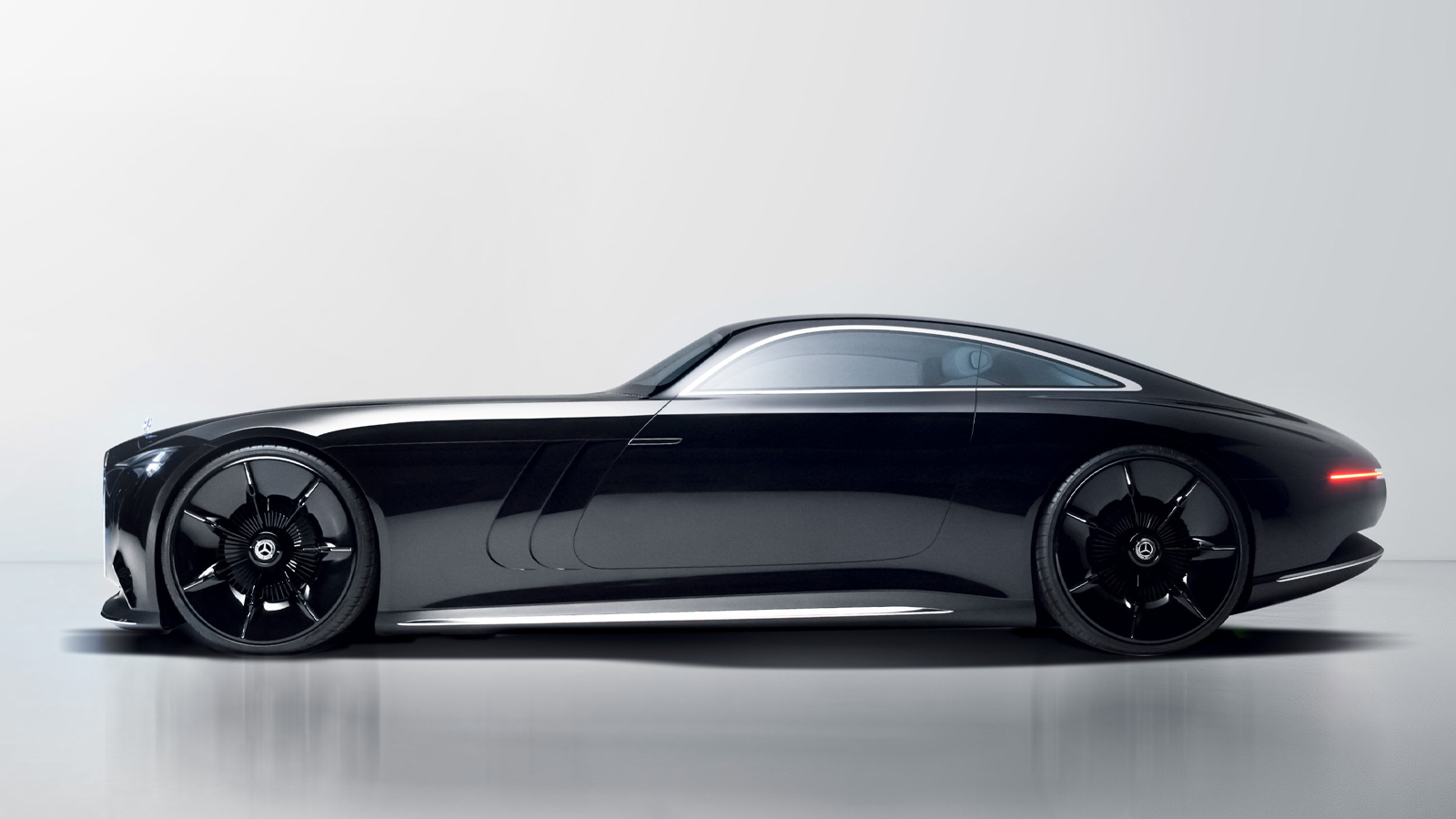
Though never intended for production, the Maybach 6 concept remains one of Wagener’s most striking projects. Its ultra-long hood, boat-tail rear, and dramatic proportions recalled classic luxury coupes while presenting a futuristic aesthetic. It demonstrated that Mercedes design could still surprise and experiment beyond production constraints.
G-Class (W463 Second Generation, 2018–present)
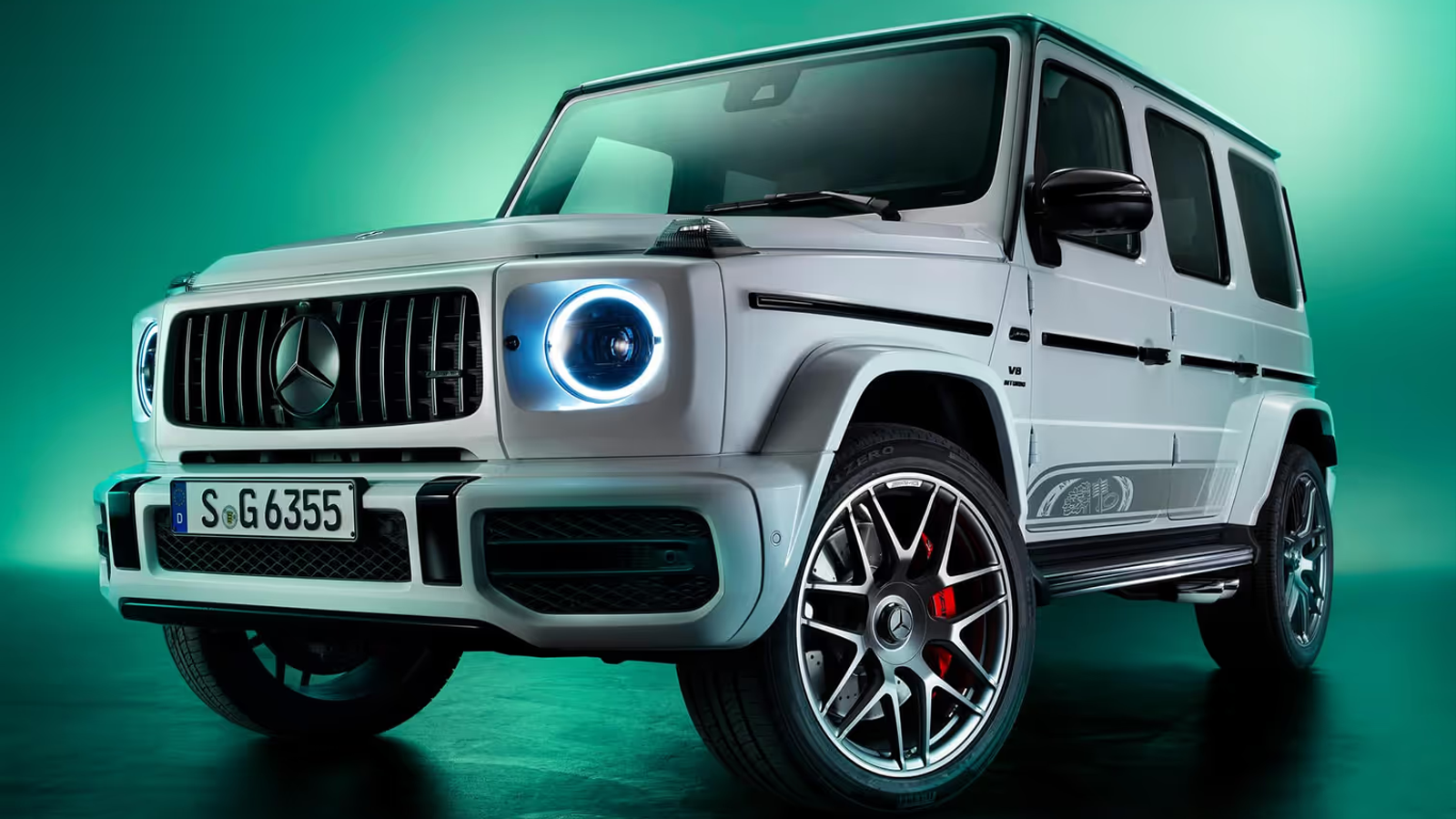
Redesigning the G-Class was one of the trickiest jobs Wagener’s team faced. The vehicle’s boxy shape is iconic, meaning radical change would have risked alienating loyal buyers. Instead, the updated model keeps the instantly recognizable silhouette while subtly modernizing details, improving proportions, widening the body, and drastically upgrading the interior. Underneath, it is almost entirely new, but visually, it respects the original formula. It’s a rare example of successful evolution without losing identity.
Vision Iconic (2025)
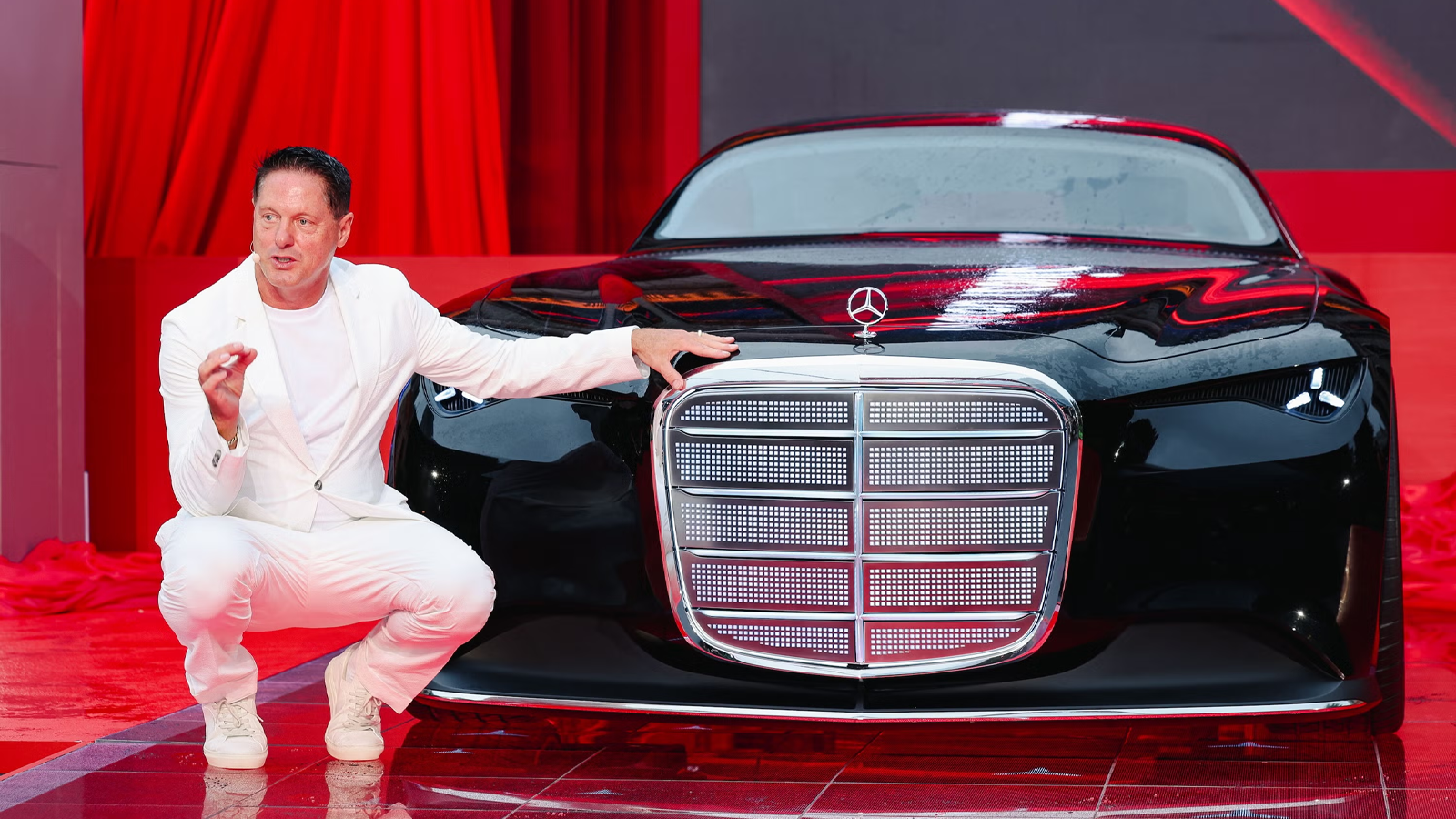
The 2025 Vision Iconic previews the next electric flagship from Mercedes-Maybach, or perhaps a look at what an S-Class Coupe revival could look like. With ultra-clean surfacing, an illuminated reinterpretation of the Maybach grille, slim lighting signatures, and long-wheelbase proportions, this design emphasizes presence over aggression. Inside, it focuses on lounge-style comfort and advanced digital integration, signaling how Wagener’s team envisions ultra-luxury EV design moving forward.
Why Wagener’s Work Matters
Under Wagener’s leadership, Mercedes transitioned from conservative styling to a more emotional and globally appealing design language. Some experiments, particularly in the EV space, have proven divisive, but his influence reshaped the brand’s identity and broadened its audience.
Few design chiefs leave fingerprints on such a wide range of vehicles, from entry hatchbacks to ultra-luxury concepts and flagship sedans, making his era one of the most visually transformative periods in Mercedes history.