
5 Underrated Mercedes-Benz Models That Don't Get the Love They Deserve
From era-defining sedans to quirky sports cars, these iconic Mercedes models are underappreciated in today's market.


Introduction
Not every great Mercedes-Benz becomes a hot commodity in the eyes of collectors. Some get overshadowed by flashier AMG variants, others arrive before the market is ready, and a few are simply misunderstood. But dig a little deeper, and you’ll find a handful of models that delivered strong engineering, distinctive design, and, in some cases, real innovation, without ever getting their due. These five underrated Mercedes models may not dominate collector auctions, but they’ve earned a second look.
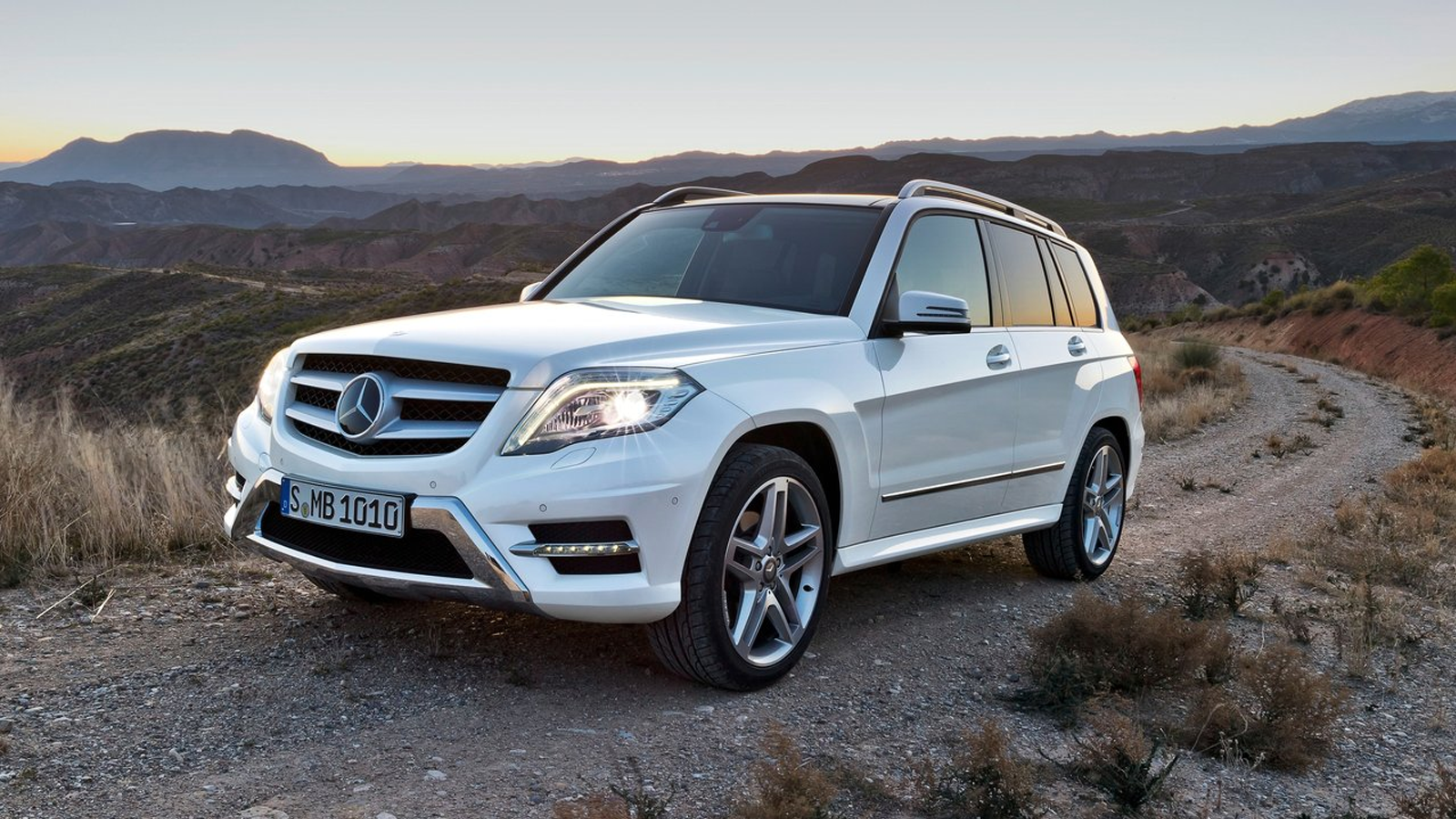
Mercedes-Benz GLK-Class (2008–2015)
The Mercedes-Benz GLK-Class arrived before Mercedes softened its SUV design language, and that’s exactly why it stands out today. Its squared-off shape, clearly inspired by the Mercedes-Benz G-Class, gave it a tougher presence than most compact luxury crossovers of its era. Under the hood, the GLK350’s 3.5-liter V6 produced around 268 horsepower, delivering solid performance for daily driving without sacrificing refinement.
Inside, it leaned more toward durability than flash, with materials and switchgear that reflected Mercedes’ earlier, more robust design philosophy. While it was overshadowed by the more mainstream successor, the GLC, the GLK’s combination of simplicity, build quality, and distinctive styling has helped it age gracefully in hindsight.
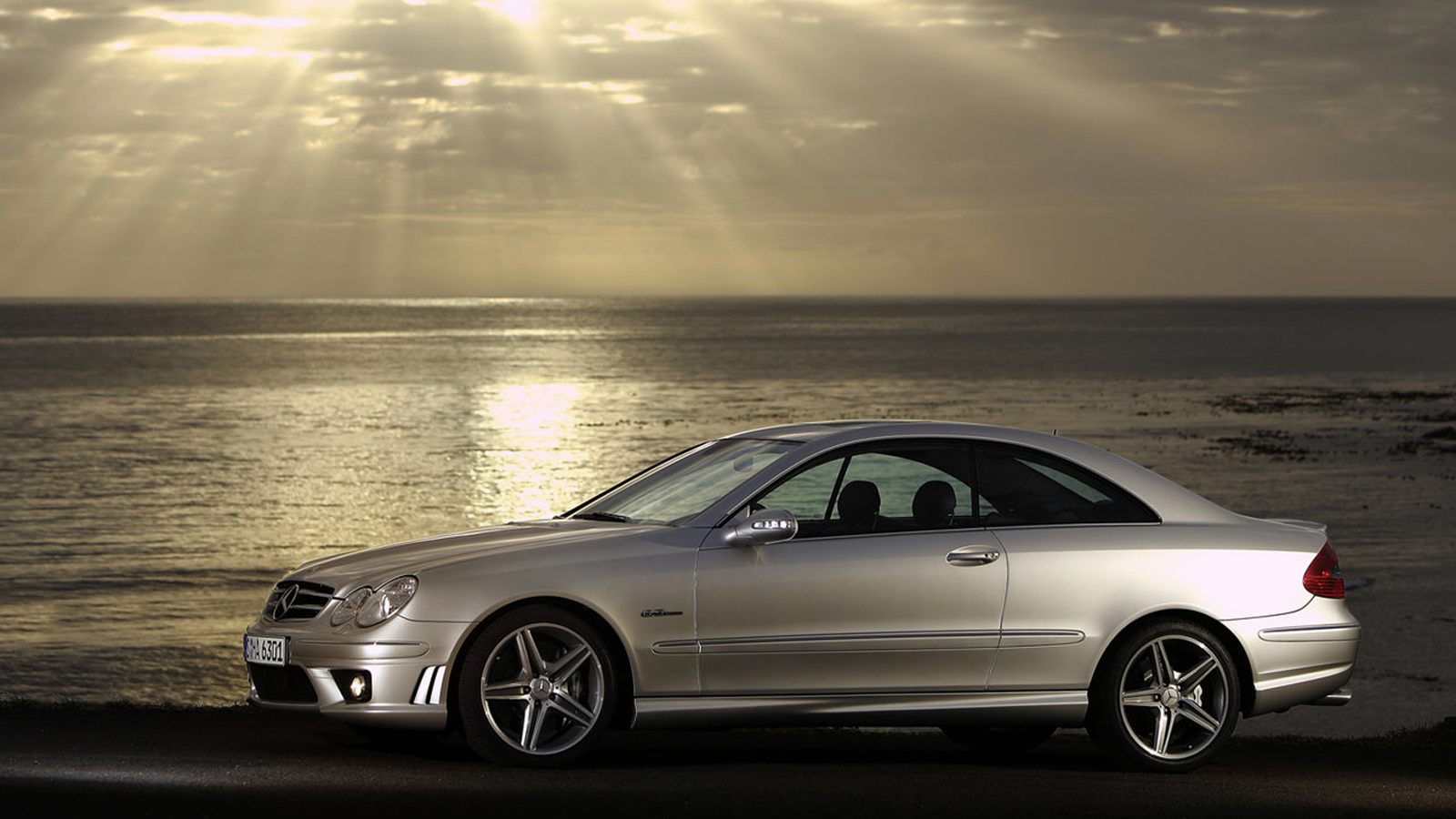
Mercedes-Benz CLK (W209) (2002–2009)
The Mercedes-Benz CLK-Class (W209) was often dismissed as a dressed-up C-Class coupe, but that misses the point. It offered something Mercedes doesn’t always emphasize anymore: a clean, pillarless coupe design with a relaxed grand-touring character. The CLK500’s 5.0-liter V8 produced roughly 302 horsepower, while the range-topping CLK63 AMG and Black Series pushed well beyond 470 horsepower, serious performance wrapped in a subtle package.
The W209 wasn’t about sharp edges or aggressive styling. Instead, it delivered quiet competence, long-distance comfort, and one of the last truly elegant coupe profiles in the brand’s lineup, qualities that have become increasingly rare. Whether in coupe guise or as a cabriolet, the CLK deserves a lot more love than it gets.
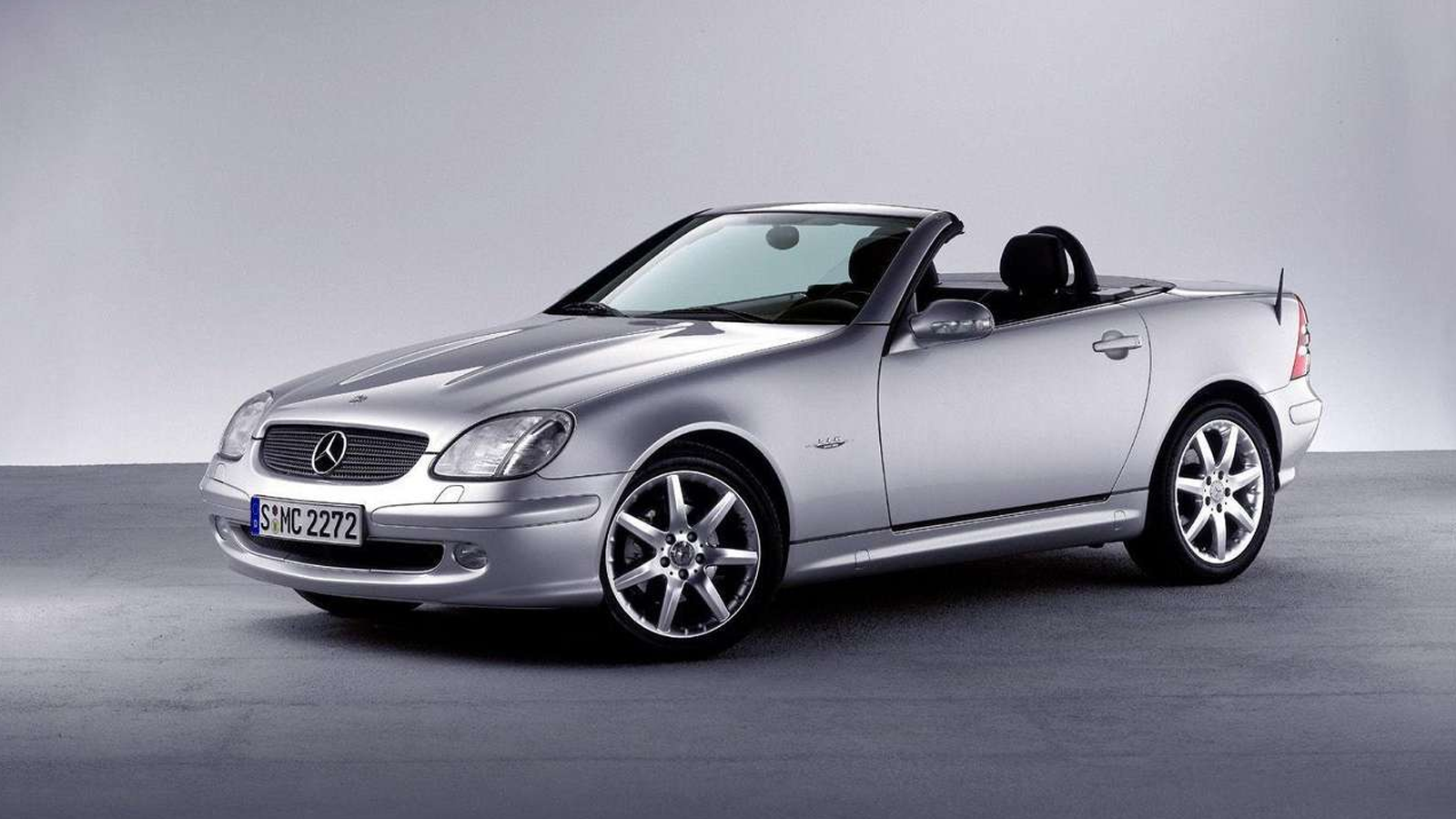
Mercedes-Benz SLK (R170) (1996–2004)
The original Mercedes-Benz SLK-Class (R170) helped popularize a feature that would define an entire segment: the folding metal hardtop. At a time when most convertibles still relied on fabric roofs, the SLK’s “Vario-Roof” transformed it from coupe to roadster in seconds. Power came from a range of engines, including a supercharged 2.3-liter inline-four and a robust 3.2-liter V6.
It wasn’t the sharpest sports car, but it wasn’t meant to be. The SLK focused on usability, refinement, and everyday drivability, qualities that made it an early template for modern compact luxury roadsters. Today, it’s often overlooked despite being one of the most influential convertibles of its era.
Mercedes-Benz CLS-Class (C219) (2005–2011)
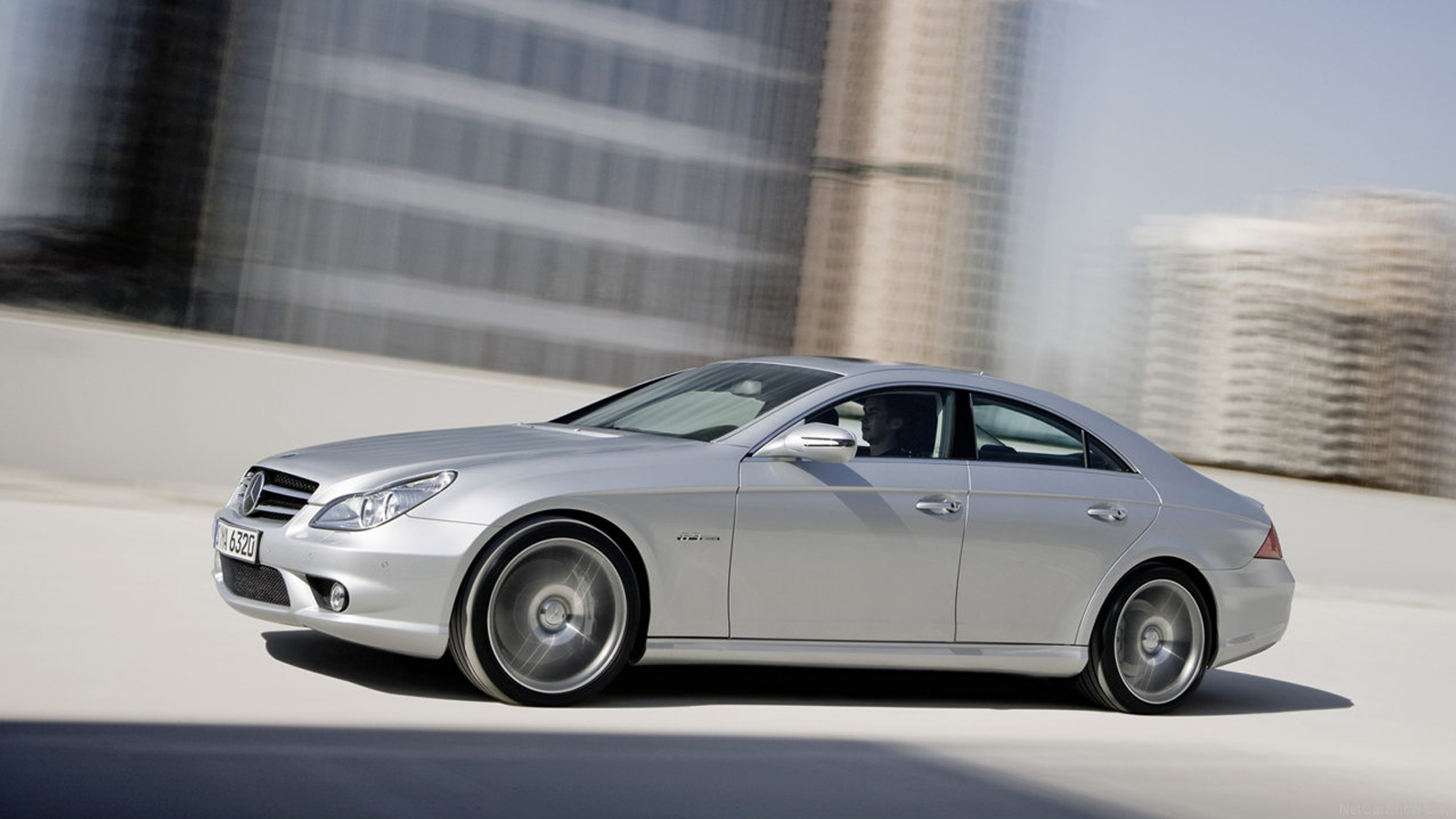
The Mercedes-Benz CLS-Class (C219) didn’t just introduce a new model; it created an entirely new segment. Combining the proportions of a coupe with the practicality of a sedan, the CLS redefined what a luxury four-door could look like. Its sweeping roofline and frameless doors set the tone for a wave of competitors that followed.
Engine options ranged from smooth V6s to powerful V8s, including the CLS55 AMG with a supercharged 5.4-liter V8 producing 469 horsepower and the CLS63's famous naturally-aspirated 6.2-liter with 507 horsepower. Despite its innovation and influence, the original CLS is often overshadowed by newer, more aggressive designs. Looking back, it’s clear the C219 was ahead of its time, and far more important than its current reputation suggests. The C219's shortcomings are highlighted by a lack of reliability that is emblematic of that particular era.
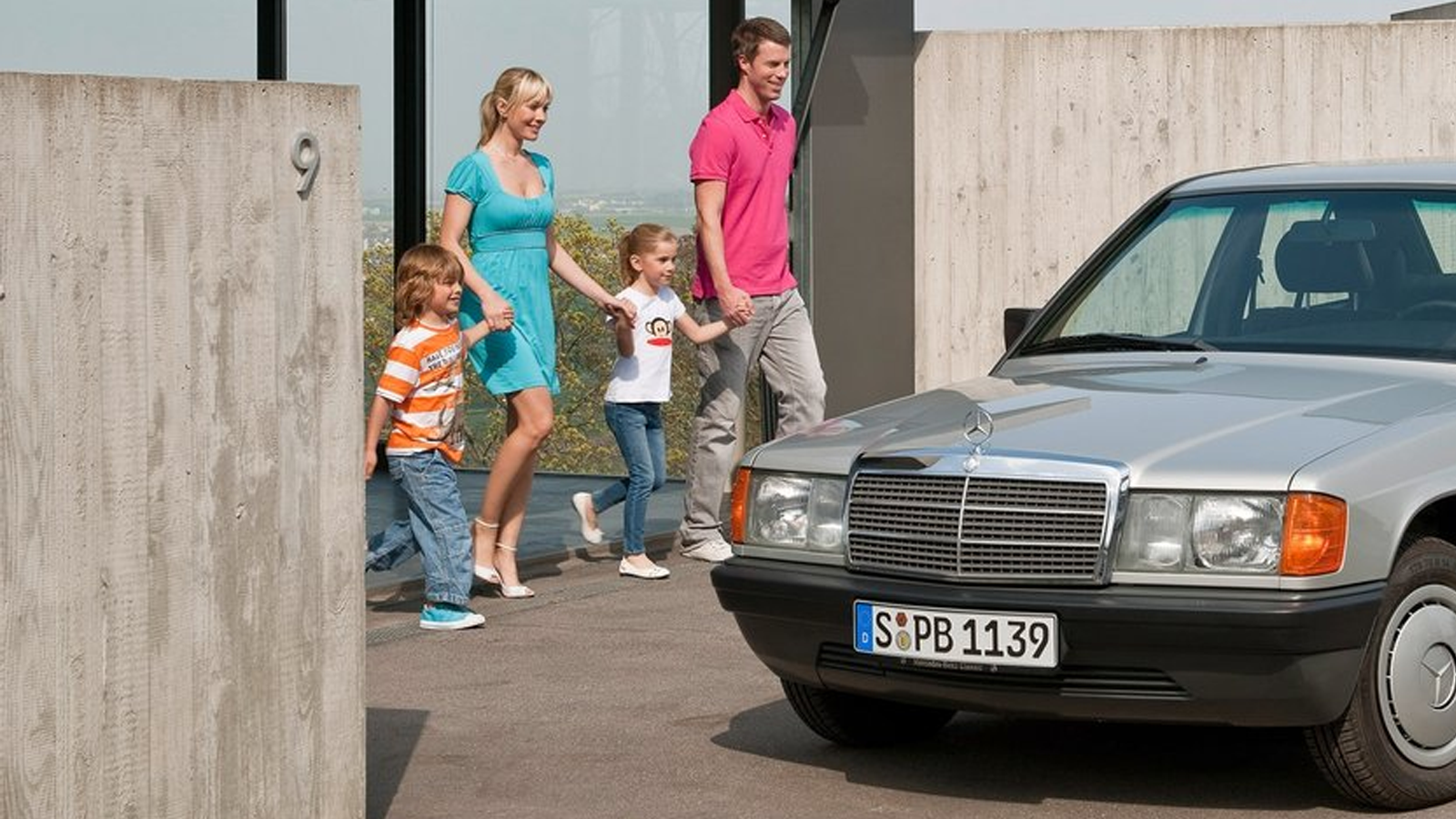
Mercedes-Benz 190E (W201) (1982–1993)
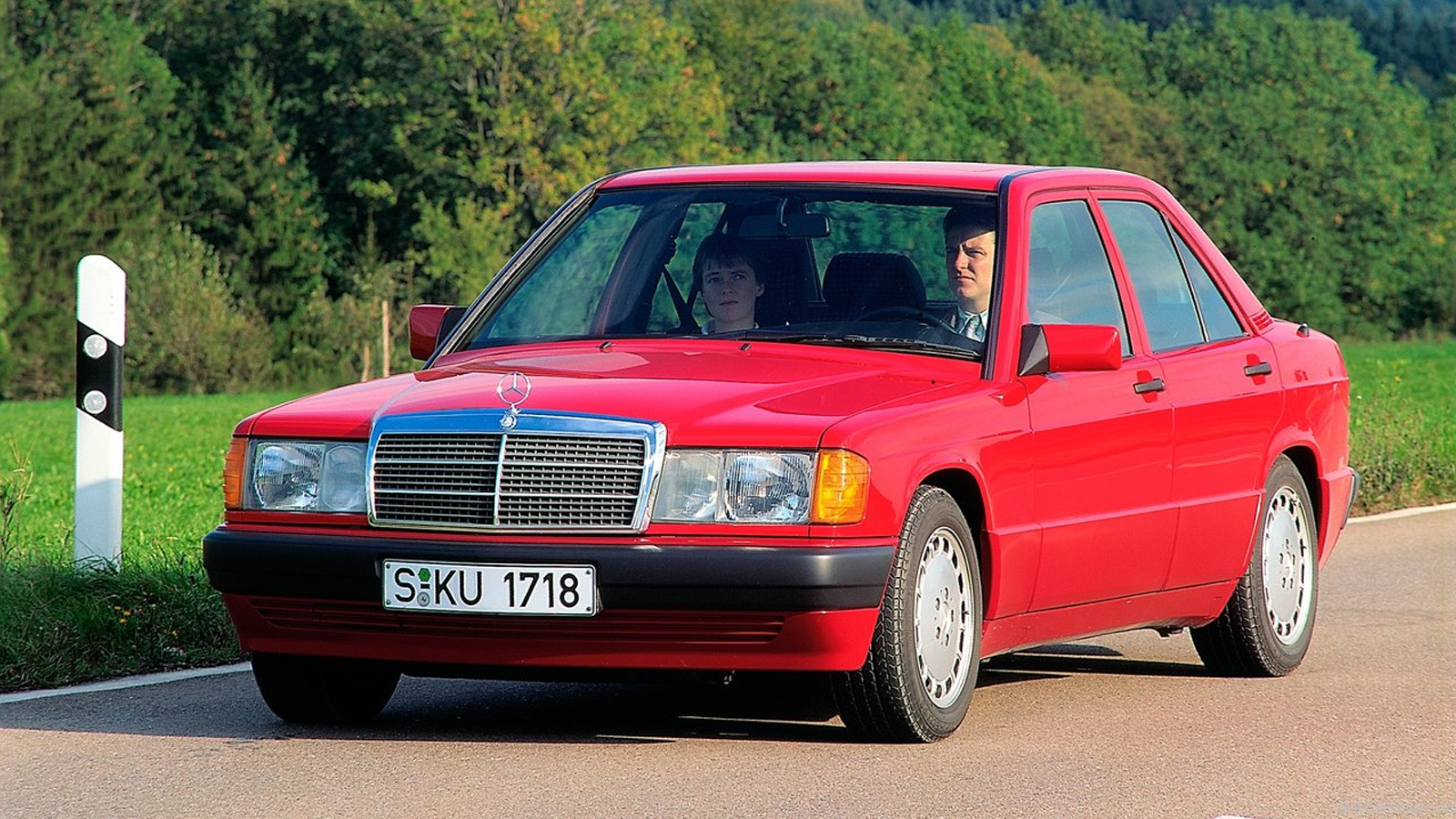
The Mercedes-Benz 190E (W201) may be the most underrated Mercedes of them all. Developed during a period when Mercedes prioritized engineering above all else, the W201 introduced a smaller, more accessible sedan without compromising the brand’s core values. It featured advanced suspension design for the time, delivering a balance of ride comfort and handling precision that set new standards in its class.
Performance variants like the 190E 2.3-16, developed with input from Cosworth, produced around 167 horsepower and brought motorsport credibility, including a famous one-make race featuring drivers like Ayrton Senna. Beyond performance, the 190E earned a reputation for durability that bordered on legendary. And let's not forget about the iconic styling of the compact 4-door, a product of the brilliant philosophy of Bruno Sacco. It wasn’t flashy, but it didn’t need to be. It laid the foundation for the modern C-Class, and proved that smaller Mercedes models could still embody the brand’s engineering philosophy.