From awkward transitions to overstyled experiments, these are the three-pointed star’s biggest design misfires.
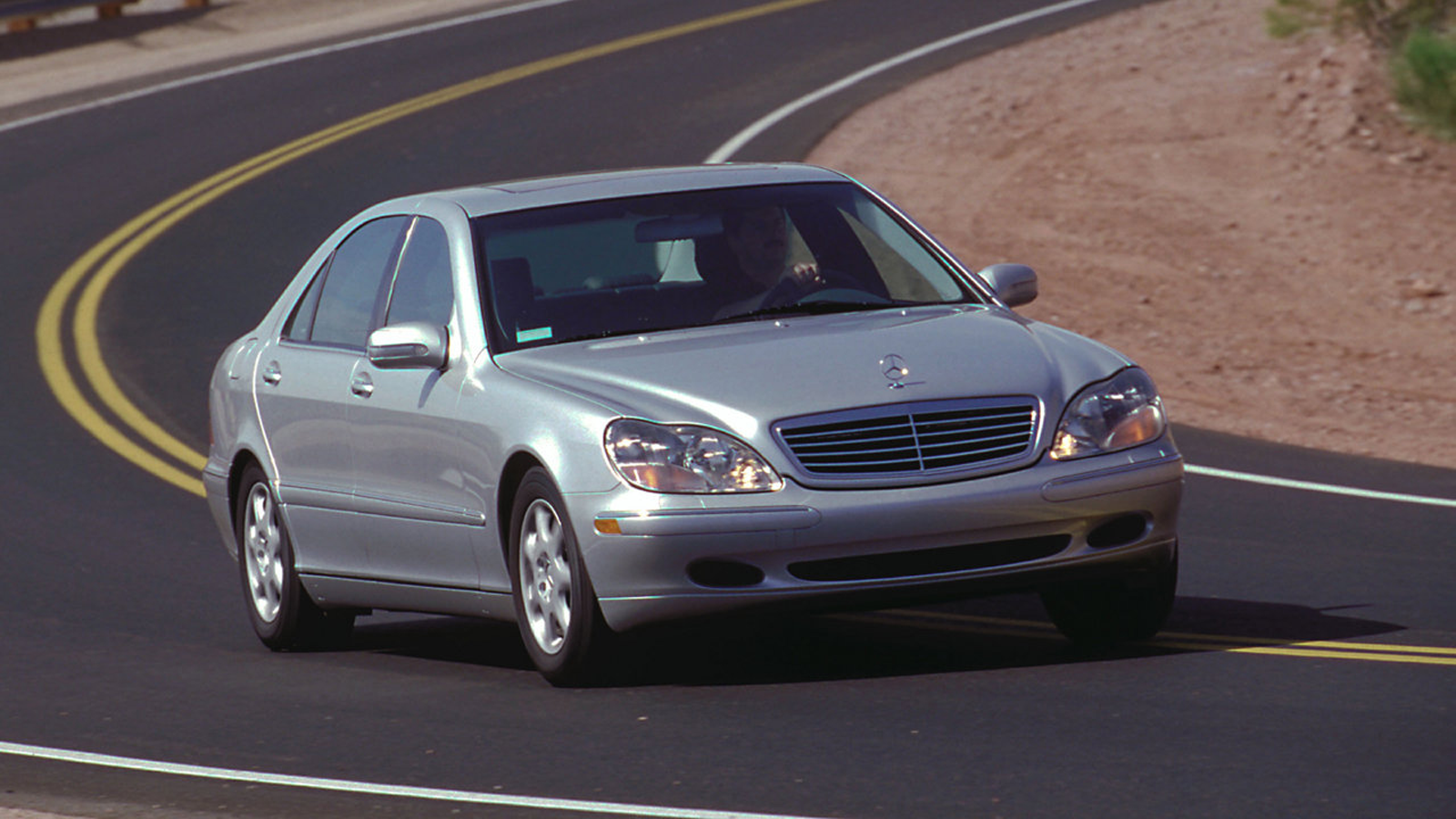
Mercedes-Benz S-Class (W220)
The W220 marked a clear shift away from the imposing, overbuilt look of its predecessor. It was lighter, rounder, and more delicate, but also visually less convincing. At launch, its softer lines felt modern. Today, they come across as slightly generic, lacking the presence expected of an S-Class. It doesn’t help that build quality issues tarnished its legacy, making the design feel less enduring in hindsight.
With that said, the W220 still has its fandom, and the low used prices make it a favorite for those who seek an affordable entry into S-Class luxury. The repair bills could knock you out of the honeymoon, real quick, though...
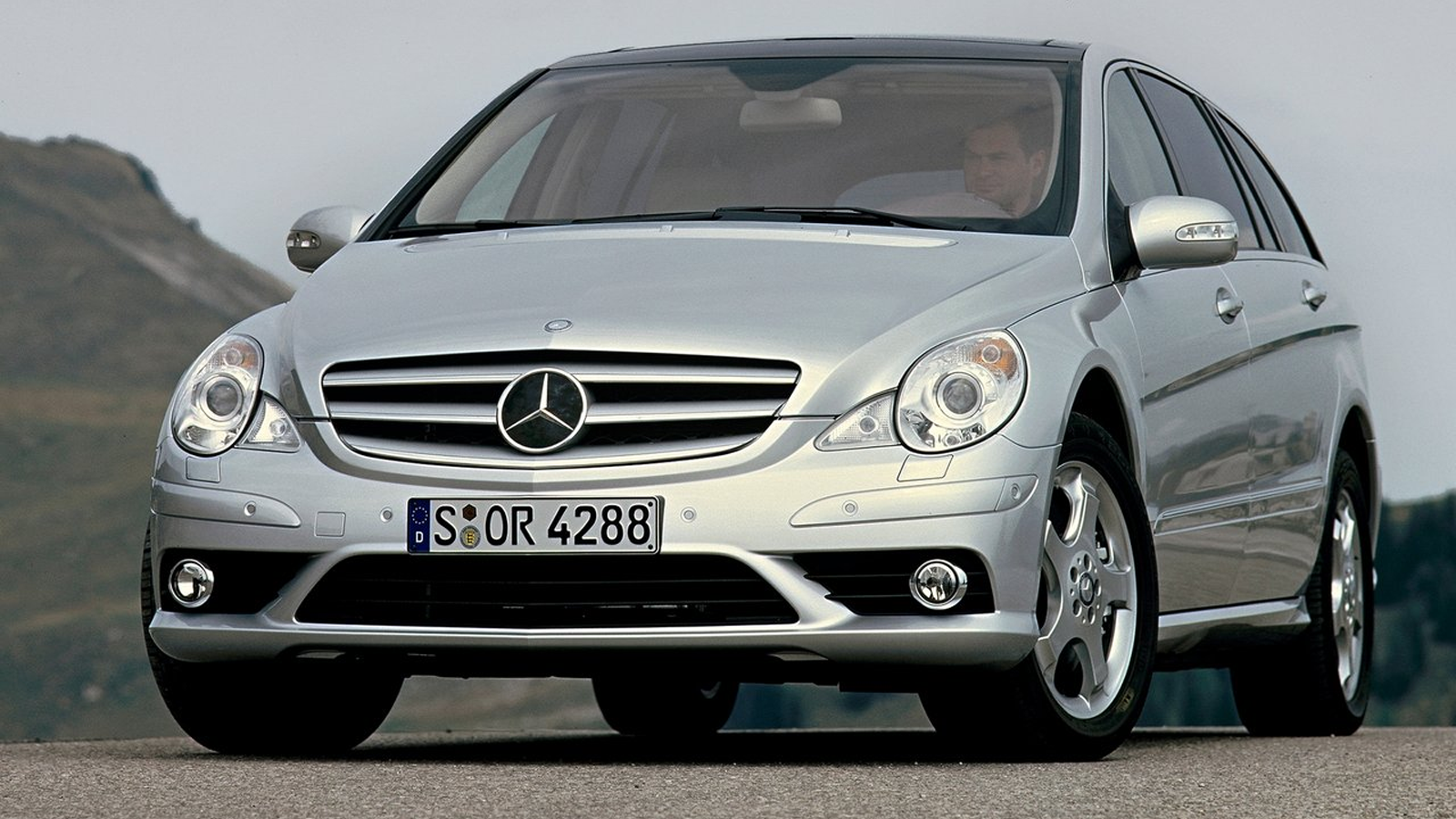
Mercedes-Benz R-Class (W251)
Was it a wagon? A minivan? A luxury crossover before crossovers were a thing? The R-Class tried to be all of them, and looked confused as a result. The proportions are the main issue: long, tall, and oddly narrow, with styling cues that don’t fully align. It’s a rare case where Mercedes’ ambition outpaced its ability to create a cohesive design.
Despite the generally strange nature of this design, it still has its cult following, especially the AMG versions.
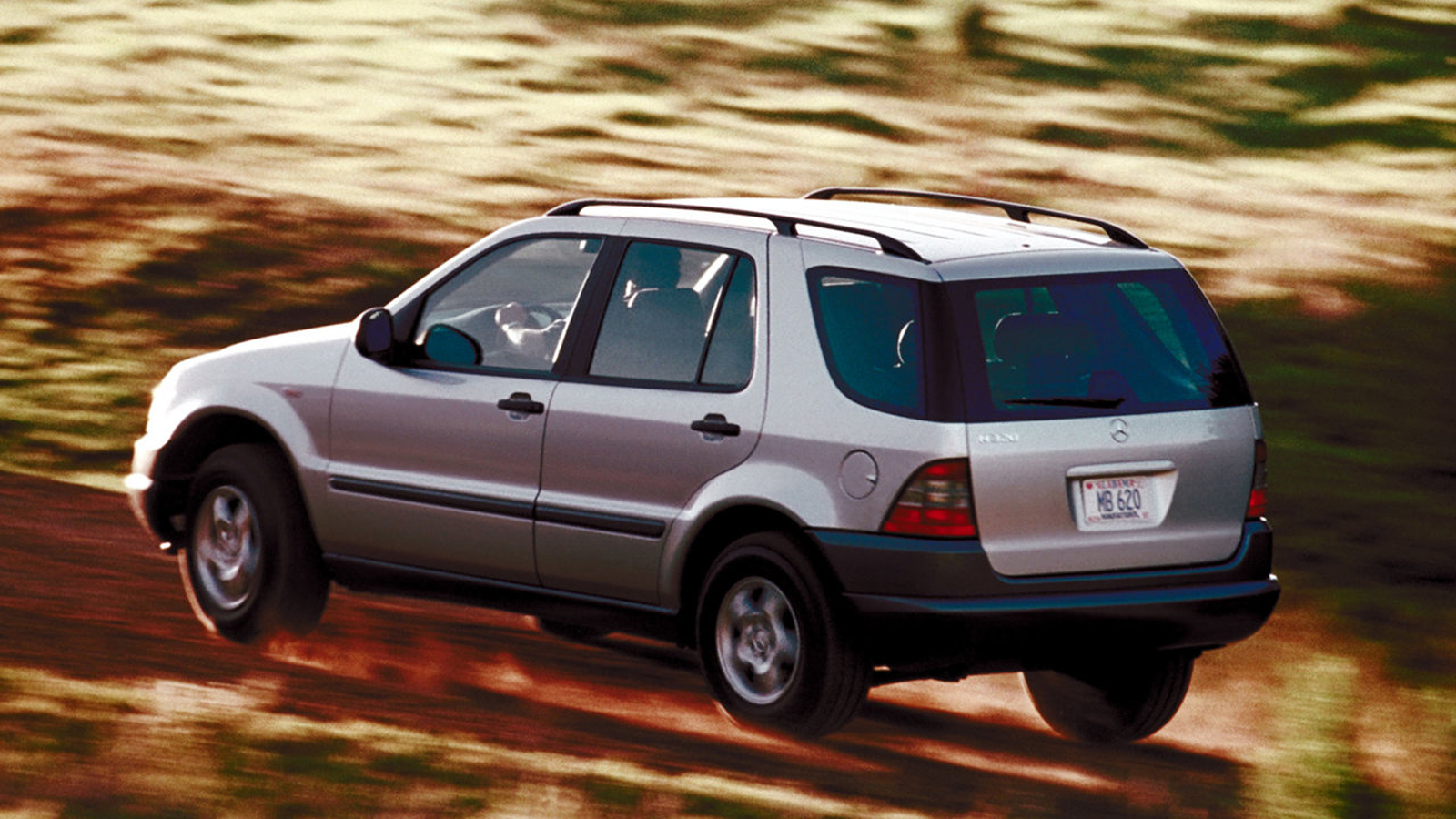
Mercedes-Benz ML-Class (W163)
As one of Mercedes’ first modern SUVs, the W163 ML-Class had a lot riding on it. Unfortunately, its design feels dated in ways that go beyond simple nostalgia. Rounded edges, awkward proportions, and a lack of visual cohesion make it look less refined than later efforts. It’s a reminder that even Mercedes needed time to figure out the SUV formula.
Still, the somewhat crude look and feel of this model has made it an endearing part of the brand's history.
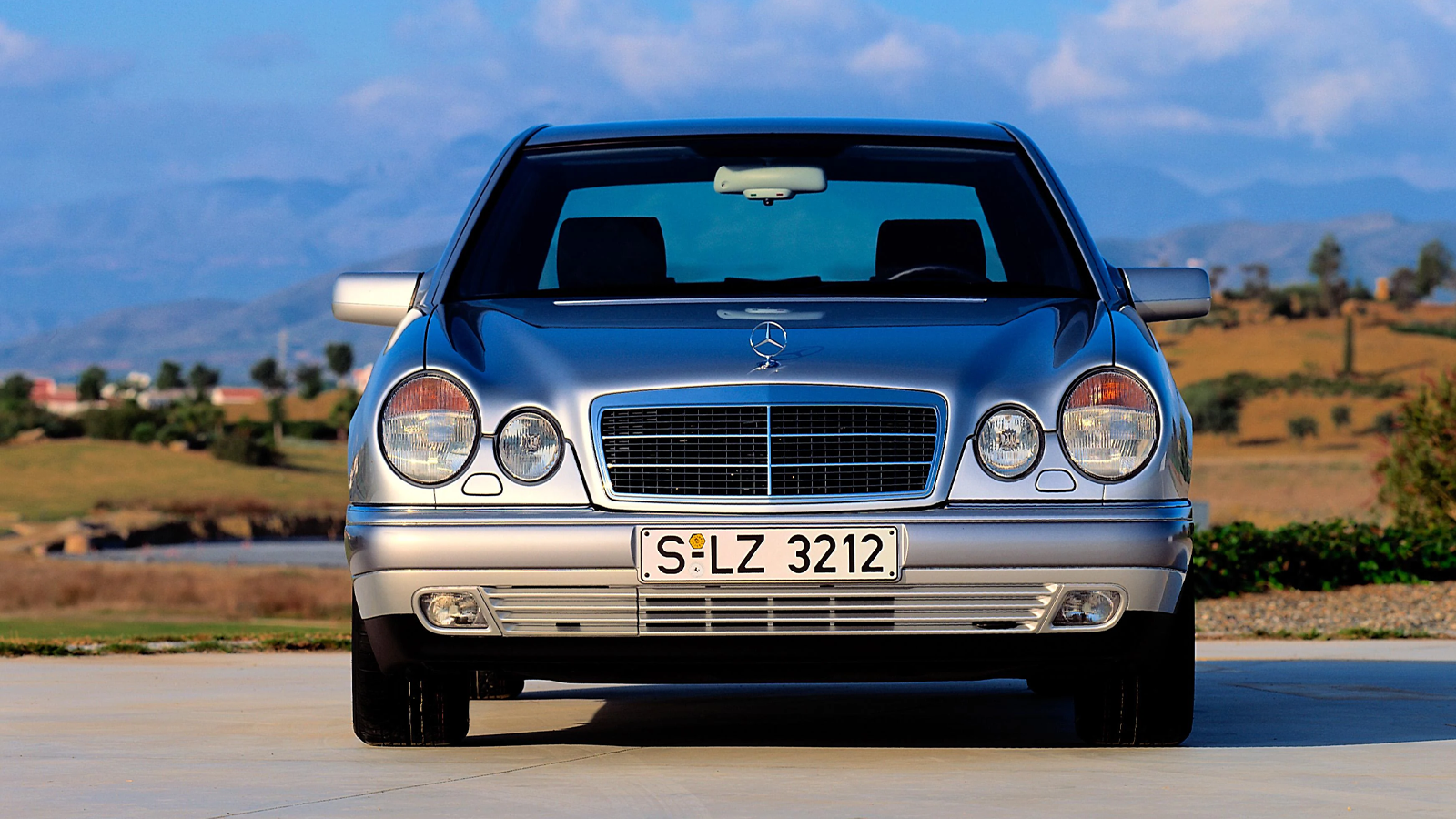
Mercedes-Benz E-Class (W210)
At the time, the W210’s quad-oval headlights were a bold departure. Today, they’re one of the most polarizing elements in Mercedes design history. While the rest of the car retains some structural discipline, the front end dominates the conversation, and not always in a good way. It’s a design risk that hasn’t fully paid off over time.
The four-eye gamble was still an important turning point in Mercedes history, and certainly an unforgettable model.
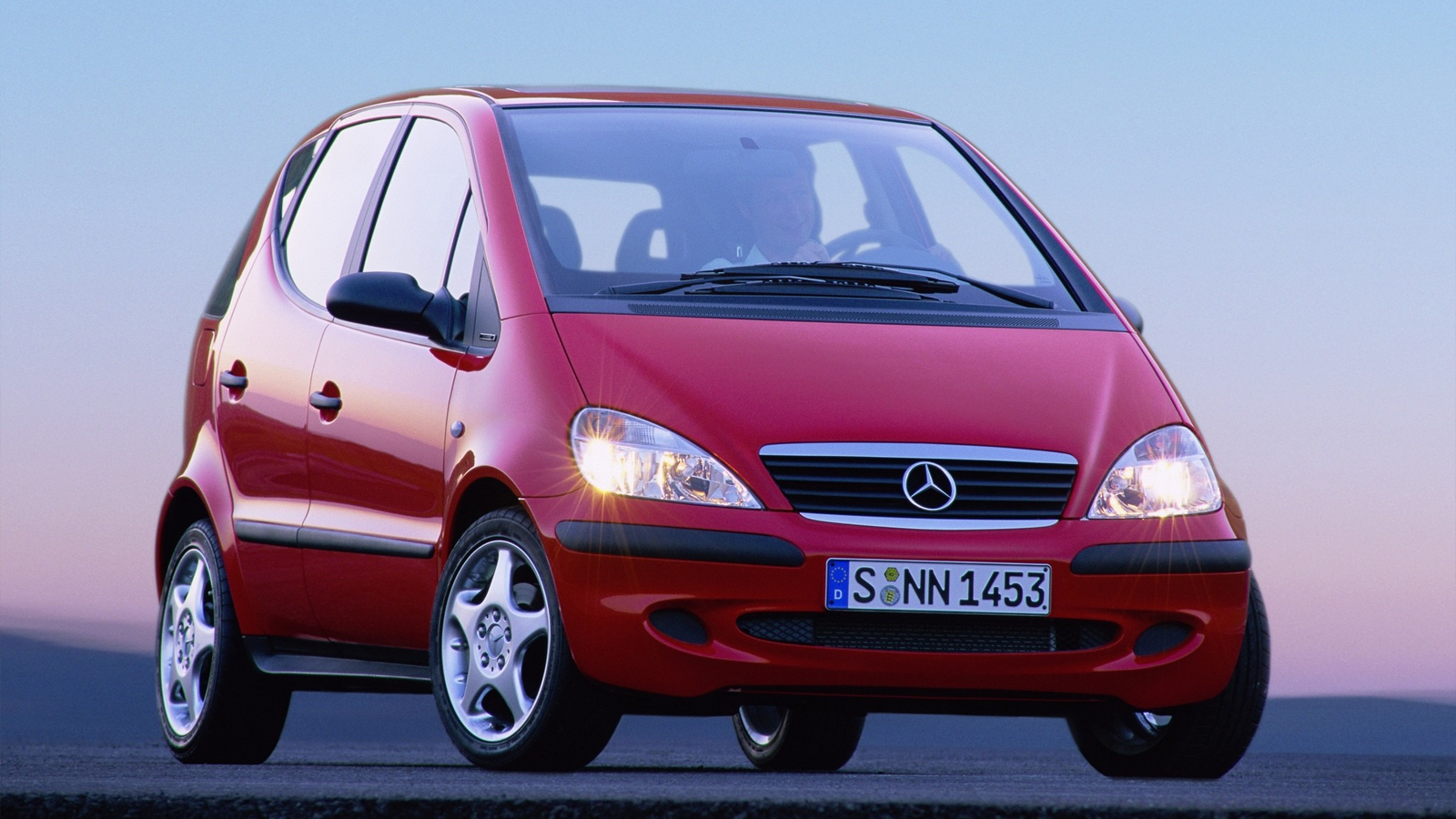
Mercedes-Benz A-Class (W168)
The first-generation A-Class was innovative in packaging, but its tall, narrow shape created unusual proportions. It looked more like a concept car than a cohesive production design. Safety concerns, including the infamous moose test, didn’t help its image. Visually, it still feels like an experiment rather than a resolved design.
By any conventional automotive beauty standards, the A-Class sticks out like a sore thumb in the Mercedes product portfolio. But I mean, come on... How can you not like this awkwardly quirky little machine?
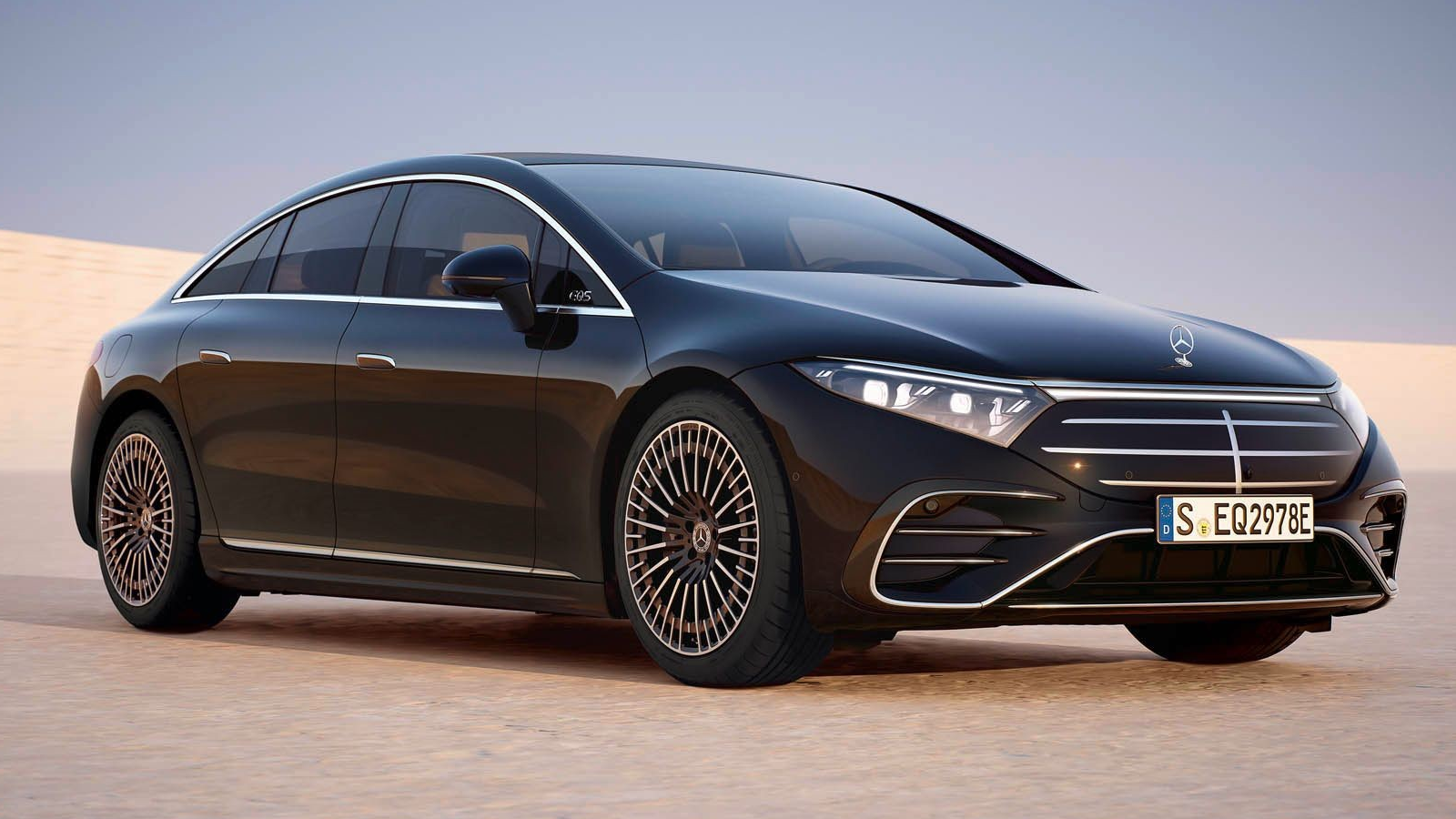
Mercedes-Benz EQS
This one hasn't even been on the market for long enough to be considered among models that have aged... poorly or not. But somehow, most of us can agree that whatever initial hype there was on the bubbly Mercedes EV when it was first unveiled has fully worn off by now. And we can chalk this one off to another failed design experiment. Four years have been enough time to land this model on this list.
There is absolutely no denying the amazing feat of technology and engineering that these machines are, though. And they will be looked back upon with fondness, albeit accompanied by a scratch of the head.