These squared-off classics prove that good proportions and engineering discipline age better than trends.
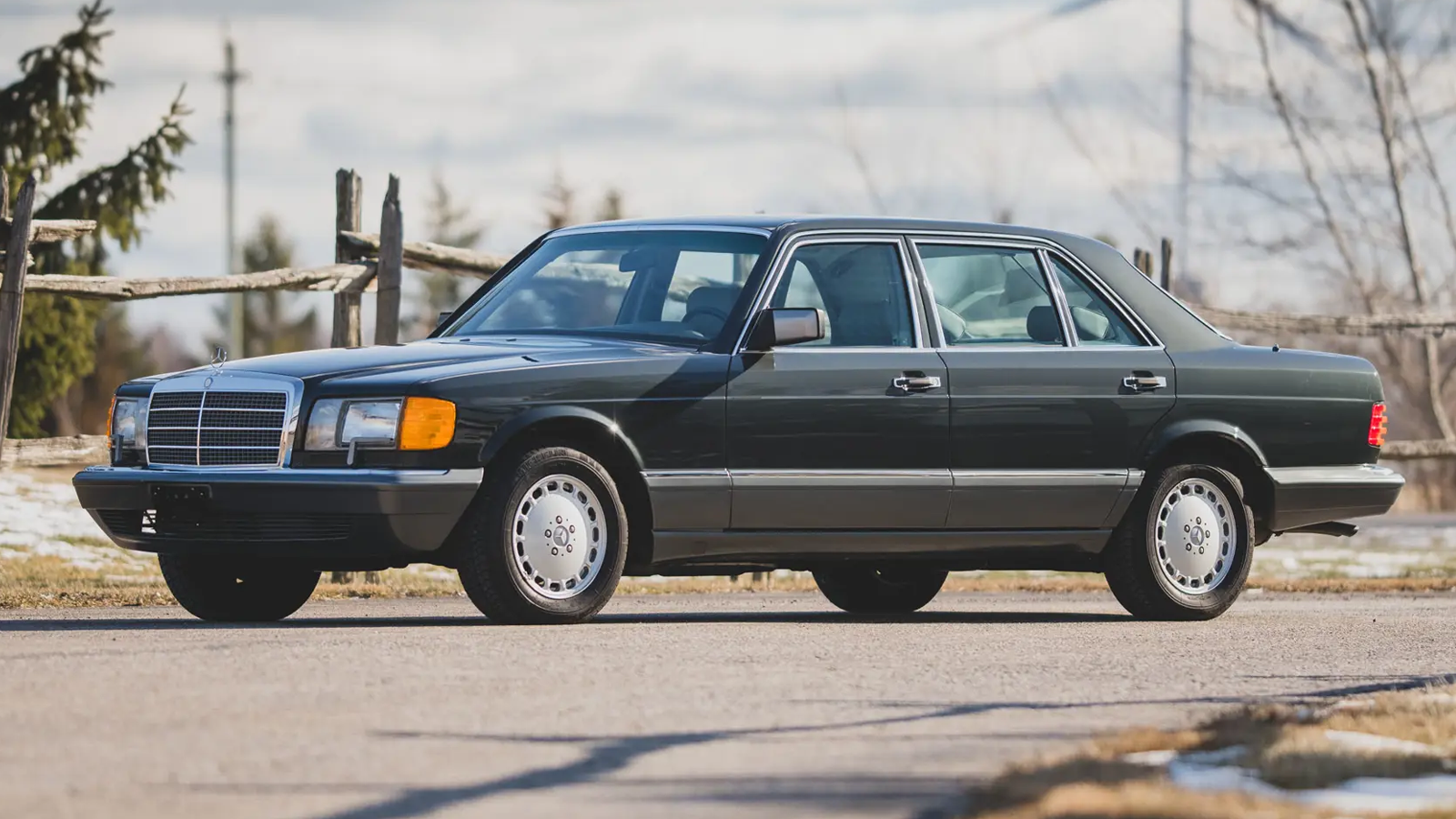
Mercedes-Benz S-Class (W126)
If one car defined Mercedes design in the 1980s, it was the W126 S-Class. It took the boxy silhouette and softened it just enough to improve efficiency without losing presence. This generation introduced key safety innovations and a more refined design language that influenced luxury sedans across the industry. Its long, low stance and restrained detailing give it a timeless authority that newer, more complex designs often struggle to match.
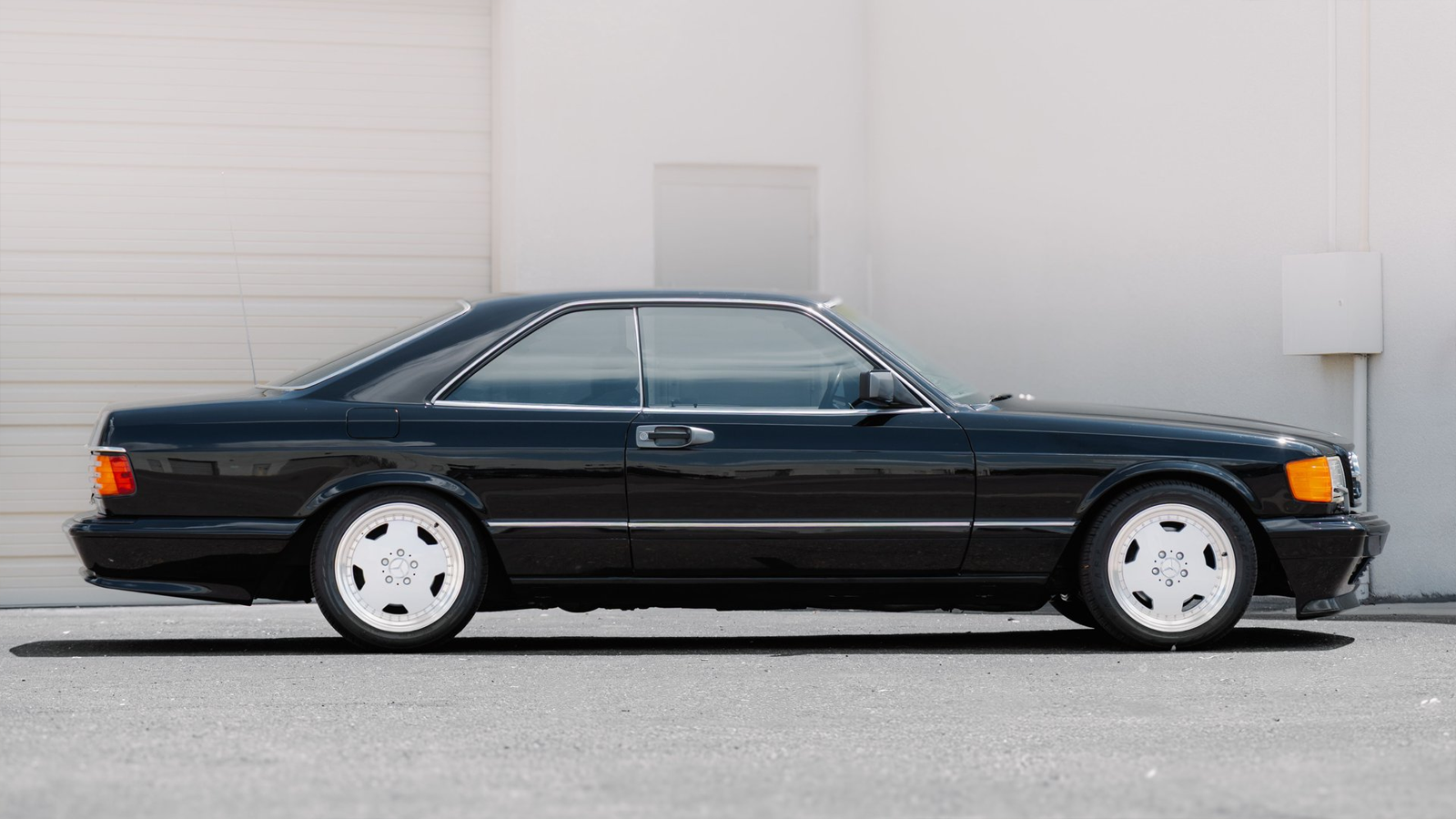
Mercedes-Benz 560 SEC (C126)
The coupe version of the W126 took everything that worked about the sedan and distilled it into a sleeker, more focused shape. Without B-pillars, the side profile became one uninterrupted line of glass and steel. The 560 SEC combined V8 performance with understated elegance. Its proportions, long hood, low roof, and wide stance still look balanced today, proving that simplicity often ages better than ornamentation.
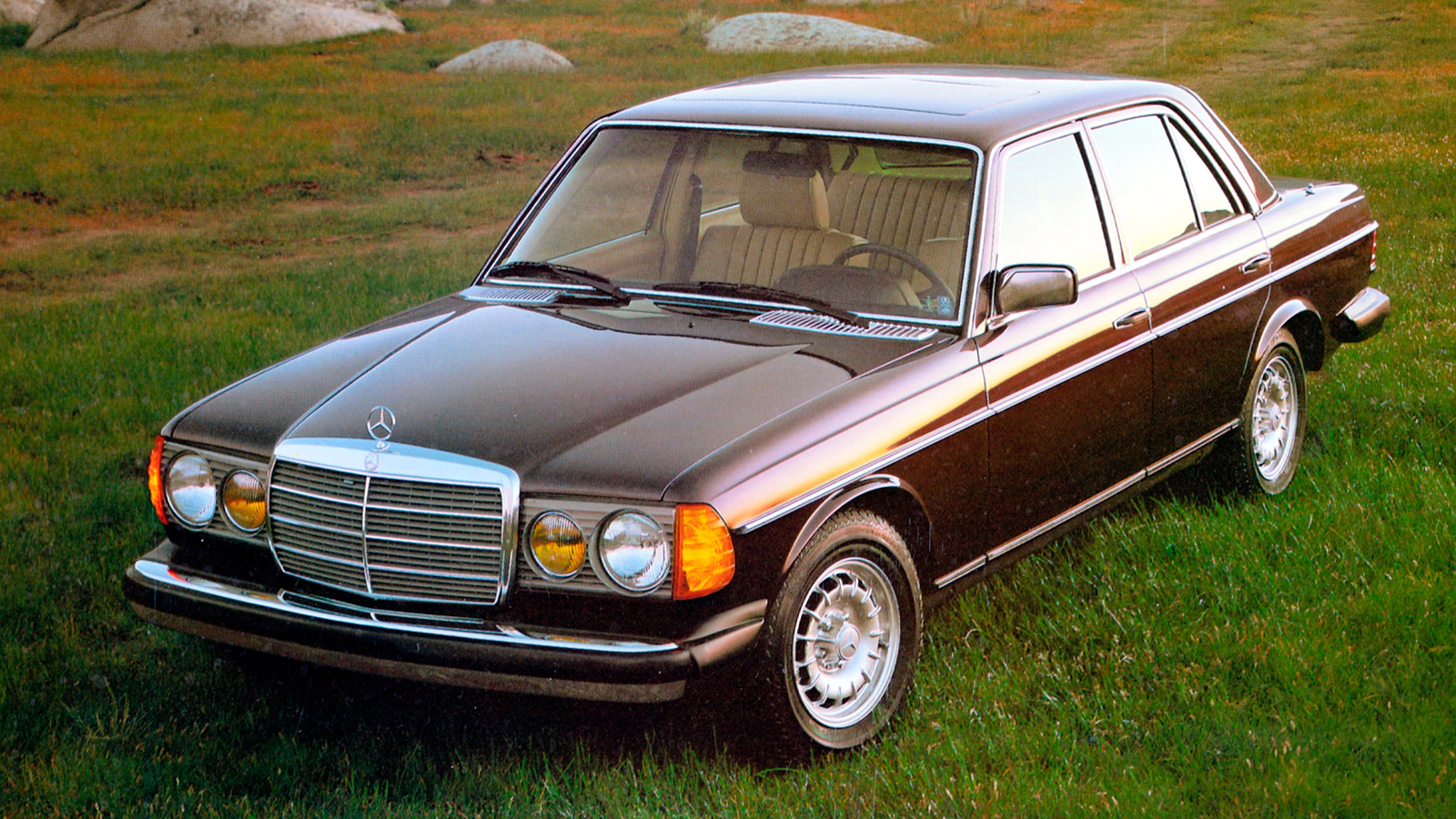
Mercedes-Benz W123
The W123 is less about sharp performance and more about enduring design. Its upright, no-nonsense shape reflects its purpose: durability, usability, and longevity. Diesel variants like the 300D became legends for their reliability, often covering hundreds of thousands of miles. Visually, the car’s honesty is its strength, nothing feels excessive, and that restraint has helped it age gracefully.
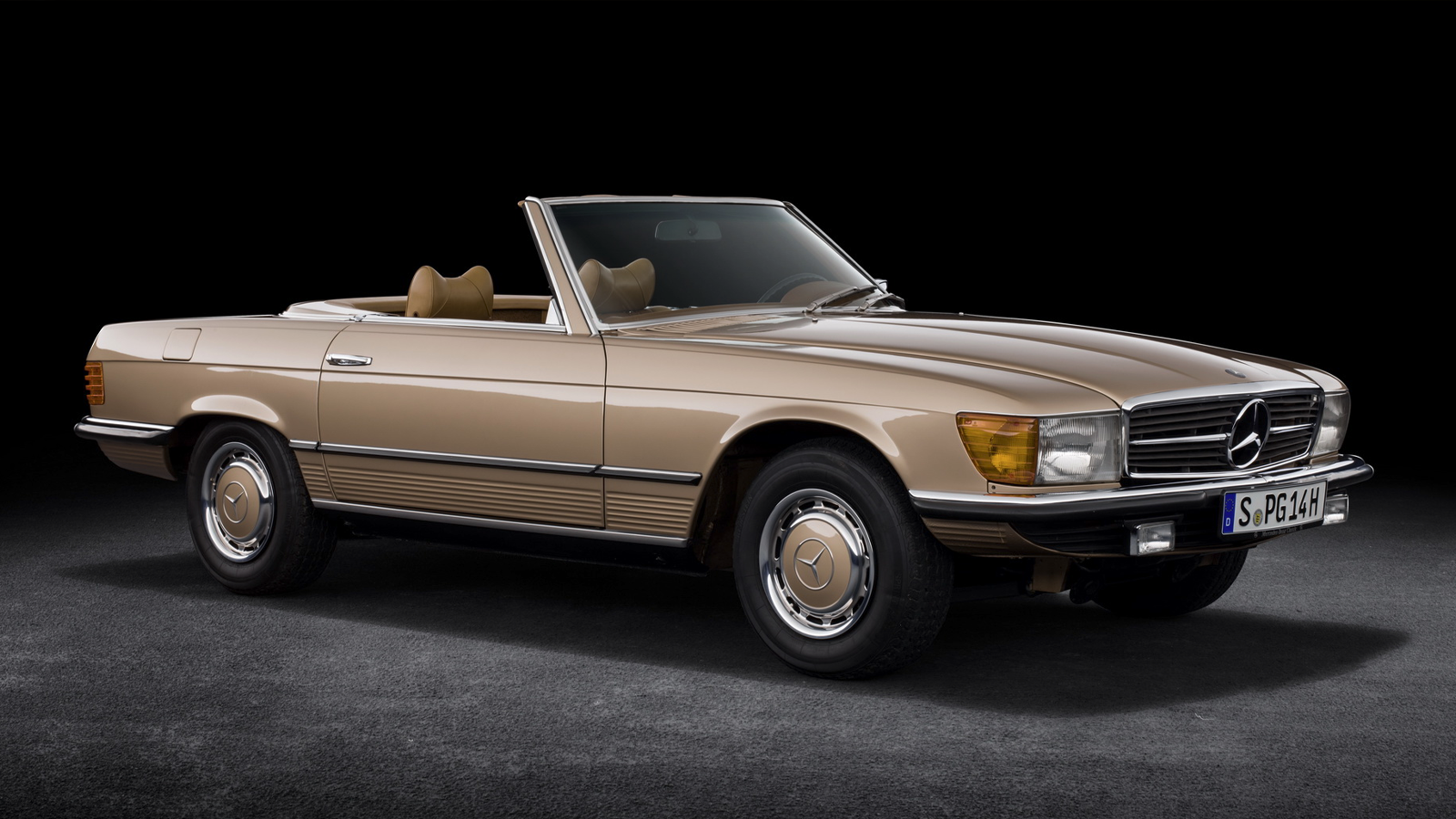
Mercedes-Benz SL (R107)
Unlike many sports cars of its era, the R107 SL embraced a more angular approach. The flat surfaces and crisp lines gave it a distinctly Mercedes character, even in convertible form. Produced for nearly two decades, its longevity speaks to how well the design worked. It’s not flashy, but it doesn’t need to be. The proportions do the talking.
Mercedes-Benz S-Class (W140)
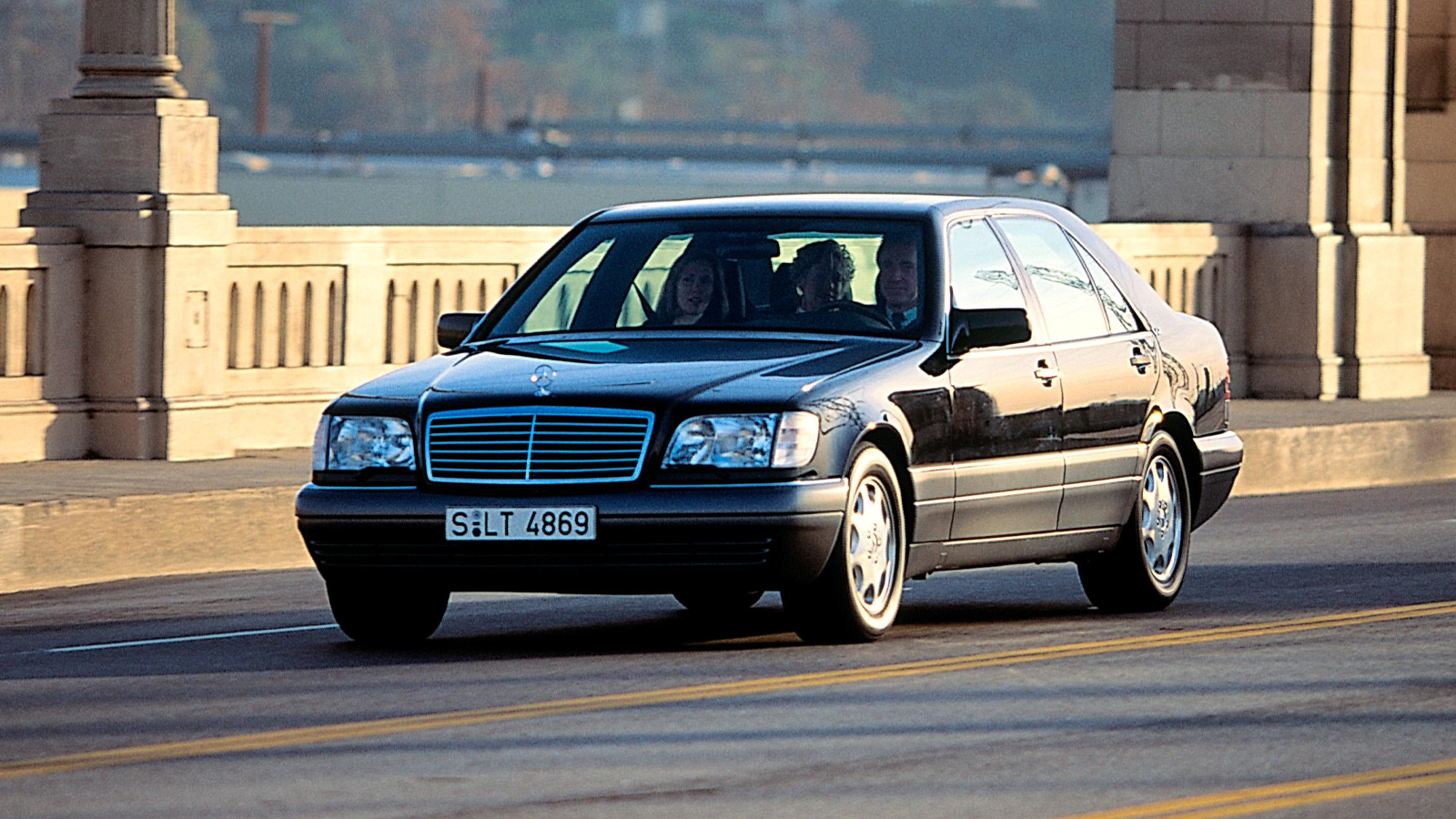
The W140 might be the ultimate expression of Mercedes’ boxy era. Massive, imposing, and engineered with little regard for cost, it embodies the brand at its most uncompromising. Details like double-pane glass, soft-close doors, and even retractable parking guides highlight its obsessive engineering. Visually, its sheer size and clean lines give it a commanding presence that still turns heads today.
Mercedes-Benz G-Class (W463)
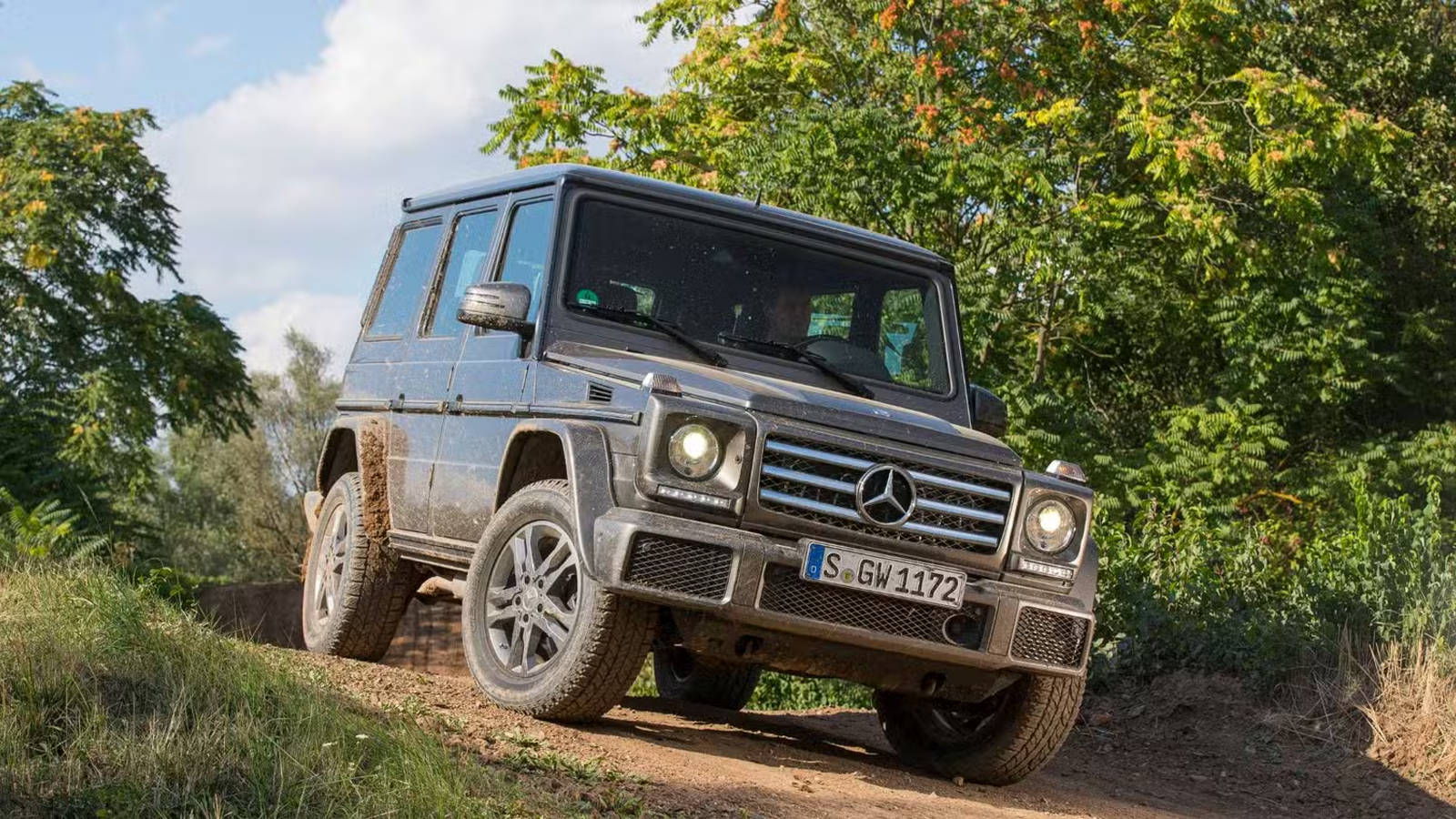
Originally developed as a military vehicle, the G-Class is about as unapologetically boxy as it gets. Flat panels, exposed hinges, and near-vertical glass define its look, and Mercedes has wisely resisted the urge to modernize it too much. Despite continuous updates, the core design remains intact. It’s one of the clearest examples of how sticking to a strong original concept can outlast decades of shifting trends.
Mercedes-Benz 190E (W201)
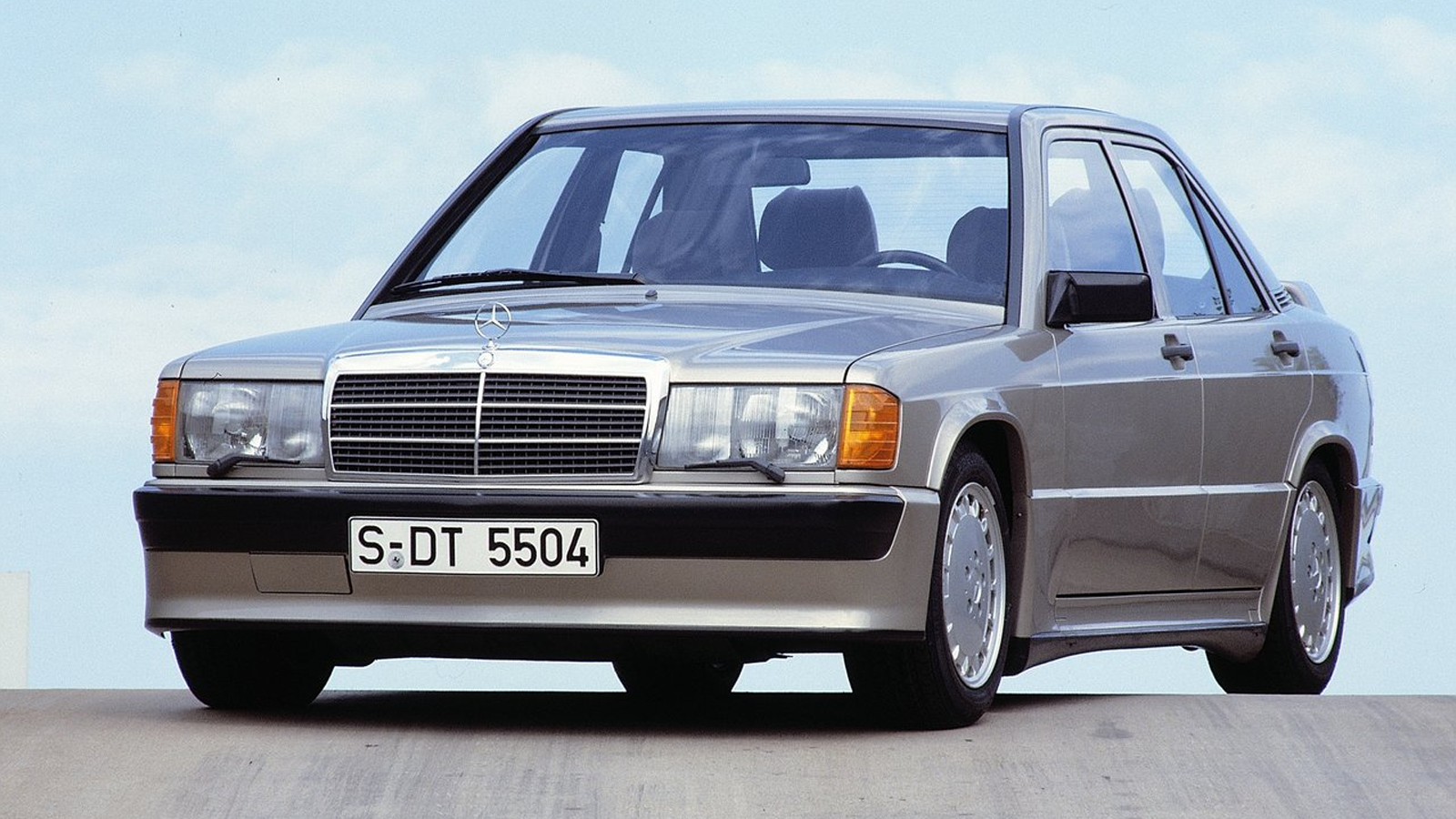
When the 190E arrived in the early 1980s, it introduced a smaller, more accessible Mercedes without abandoning the brand’s design DNA. Its upright stance, clean edges, and tidy proportions made it look like a scaled-down flagship rather than a compromise.
Underneath, it was anything but basic. Sophisticated multi-link rear suspension and tight build quality gave it credibility beyond its size. Even today, the W201’s restrained, geometric styling feels deliberate rather than dated. And high-performance iterations of this generation, especially the EVO I and EVO II command deep six-fogire sums in the collector market these days.
Mercedes-Benz E-Class (W124)
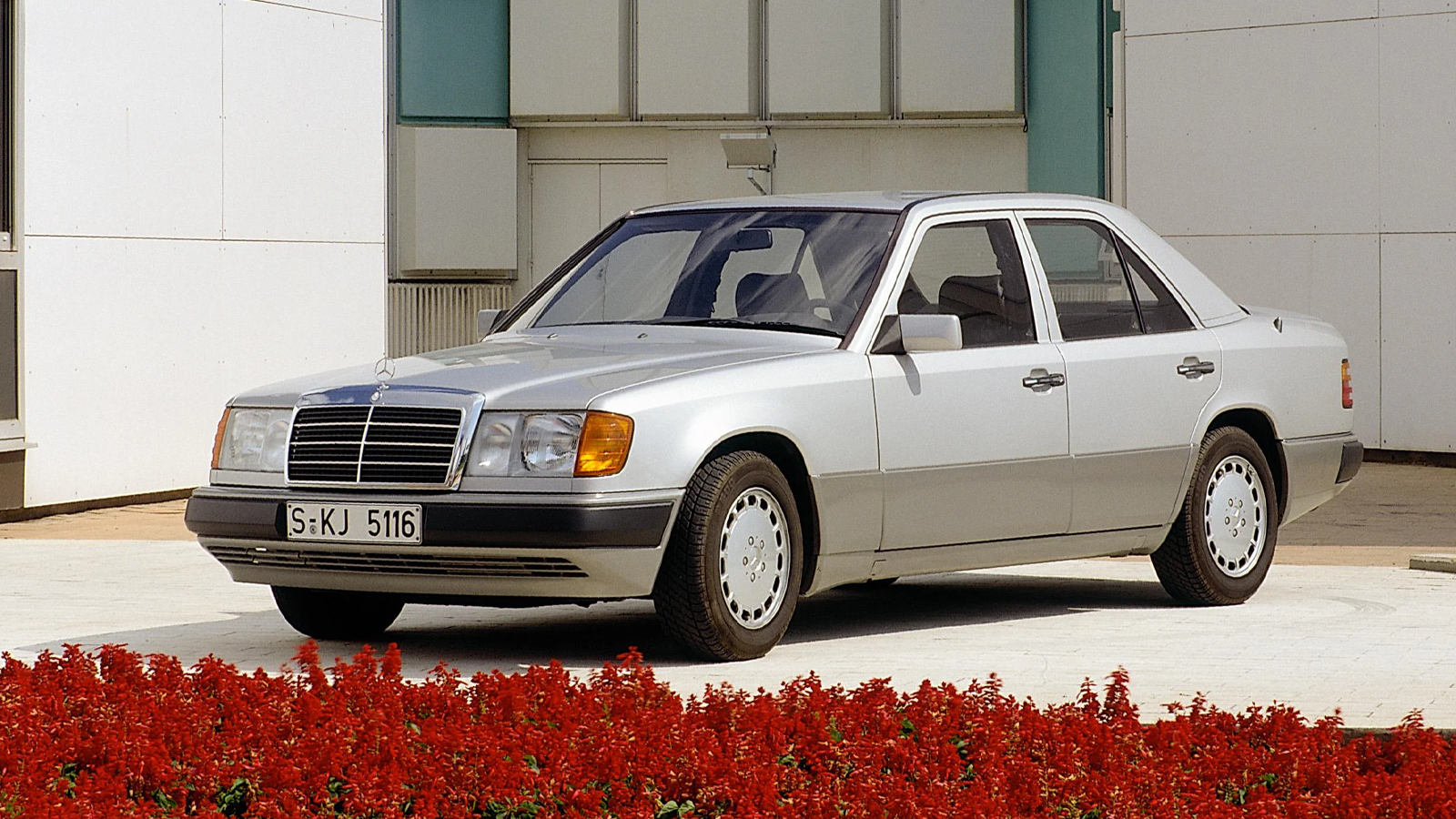
The W124 refined the boxy formula with subtle aerodynamic tweaks, but it never lost that solid, squared-off identity. Bruno Sacco’s design balanced function and form, flush glass, tight panel gaps, and a shape that looked engineered first, styled second. It also built a reputation for durability that borders on myth. With engines ranging from efficient diesels to the Porsche-assisted 500E, the W124 wasn’t just well-designed, it was deeply versatile. Decades later, it still looks composed and purposeful.