The new C-Class EV comes with long range, advanced software, and unexpected performance in a familiar package.
A New Chapter for a Core Model
The 2027 Mercedes-Benz C-Class Electric marks a major shift for one of Mercedes’ most important global models. Instead of spinning off another EQ-branded product, the company has folded electrification directly into the C-Class lineup. The gasoline version isn’t going anywhere, but this new variant signals where the brand expects demand to grow, especially in markets like the United States, which will receive the car first.
Design Prioritizes Efficiency
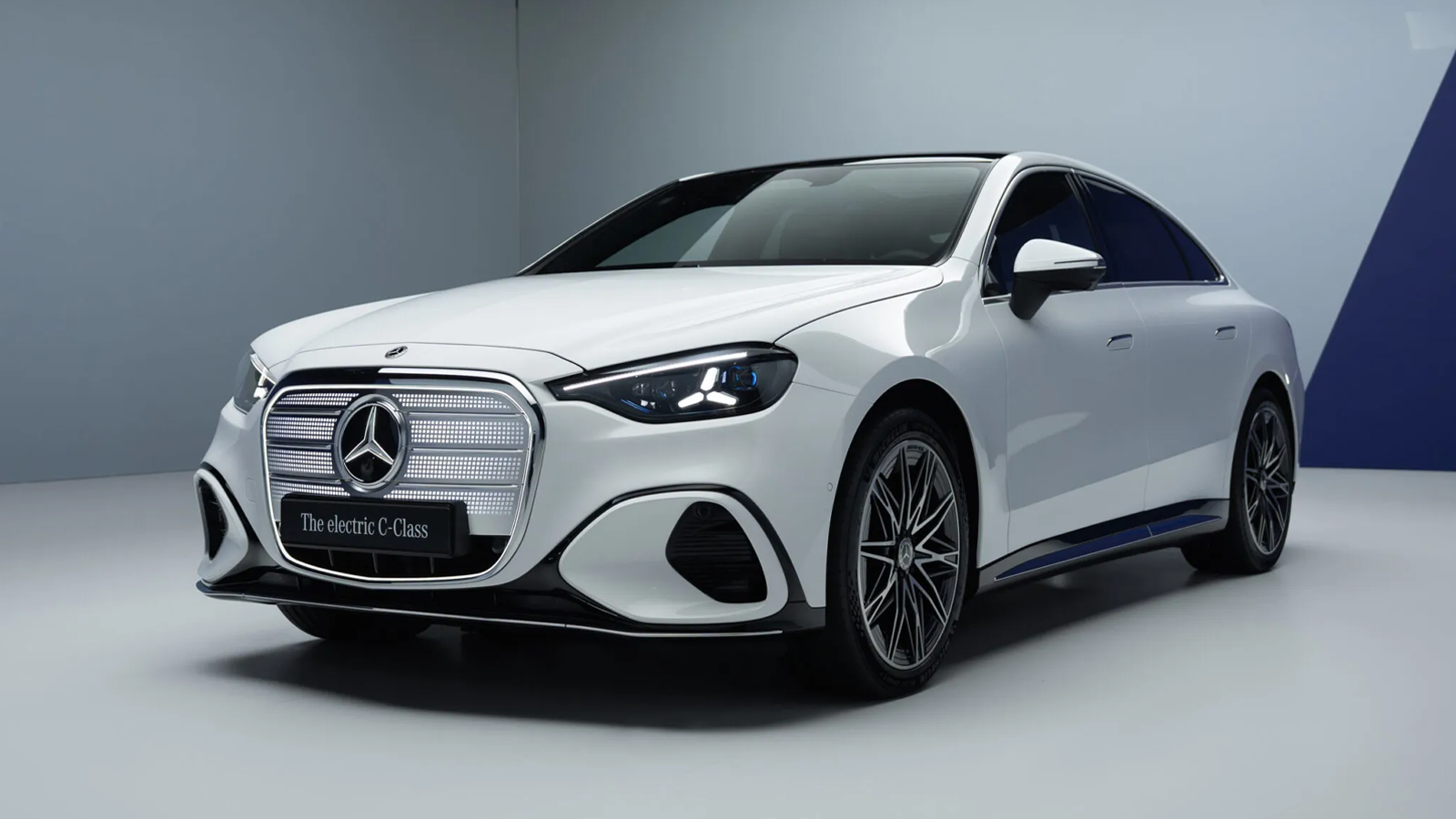
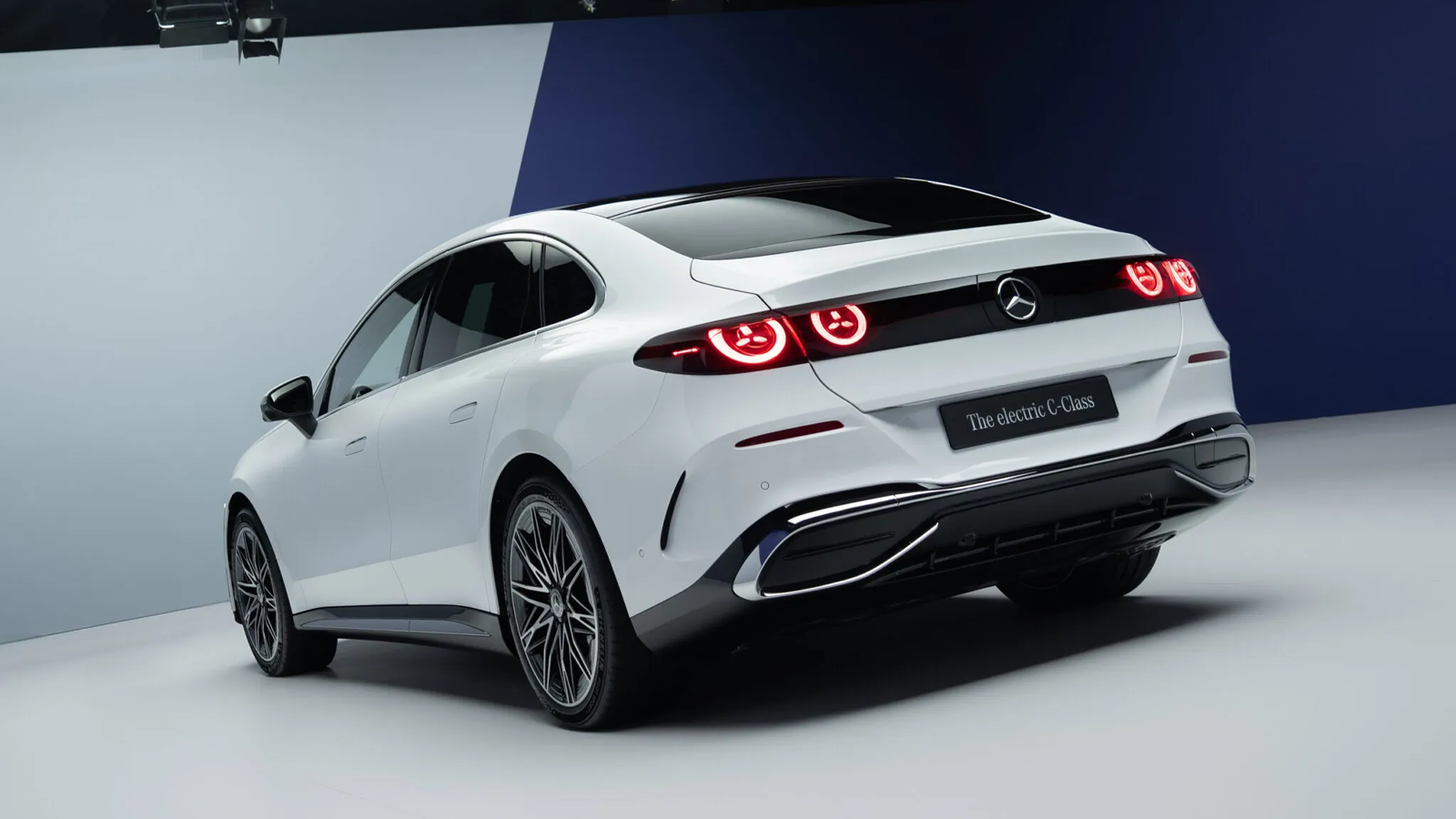
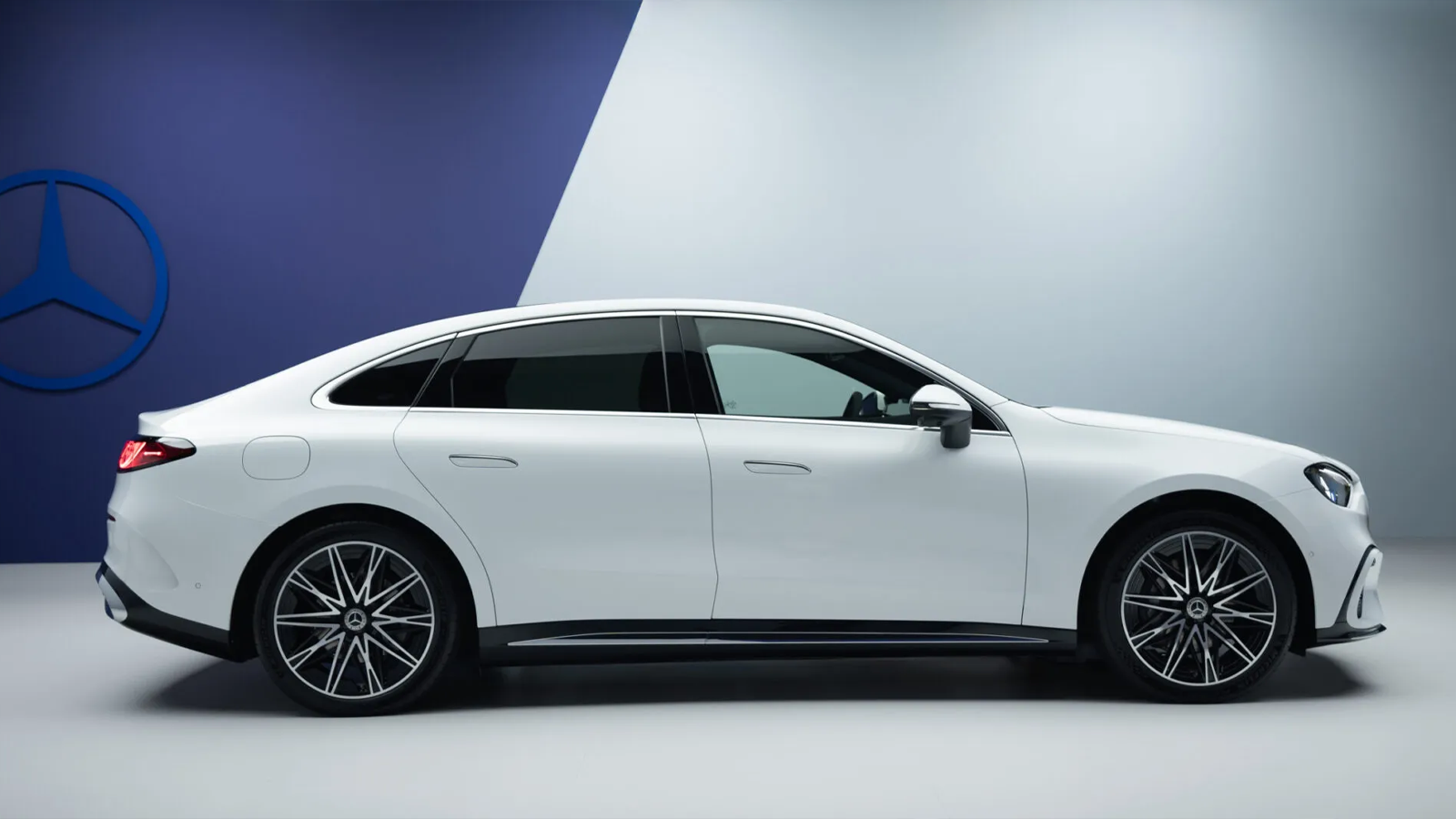
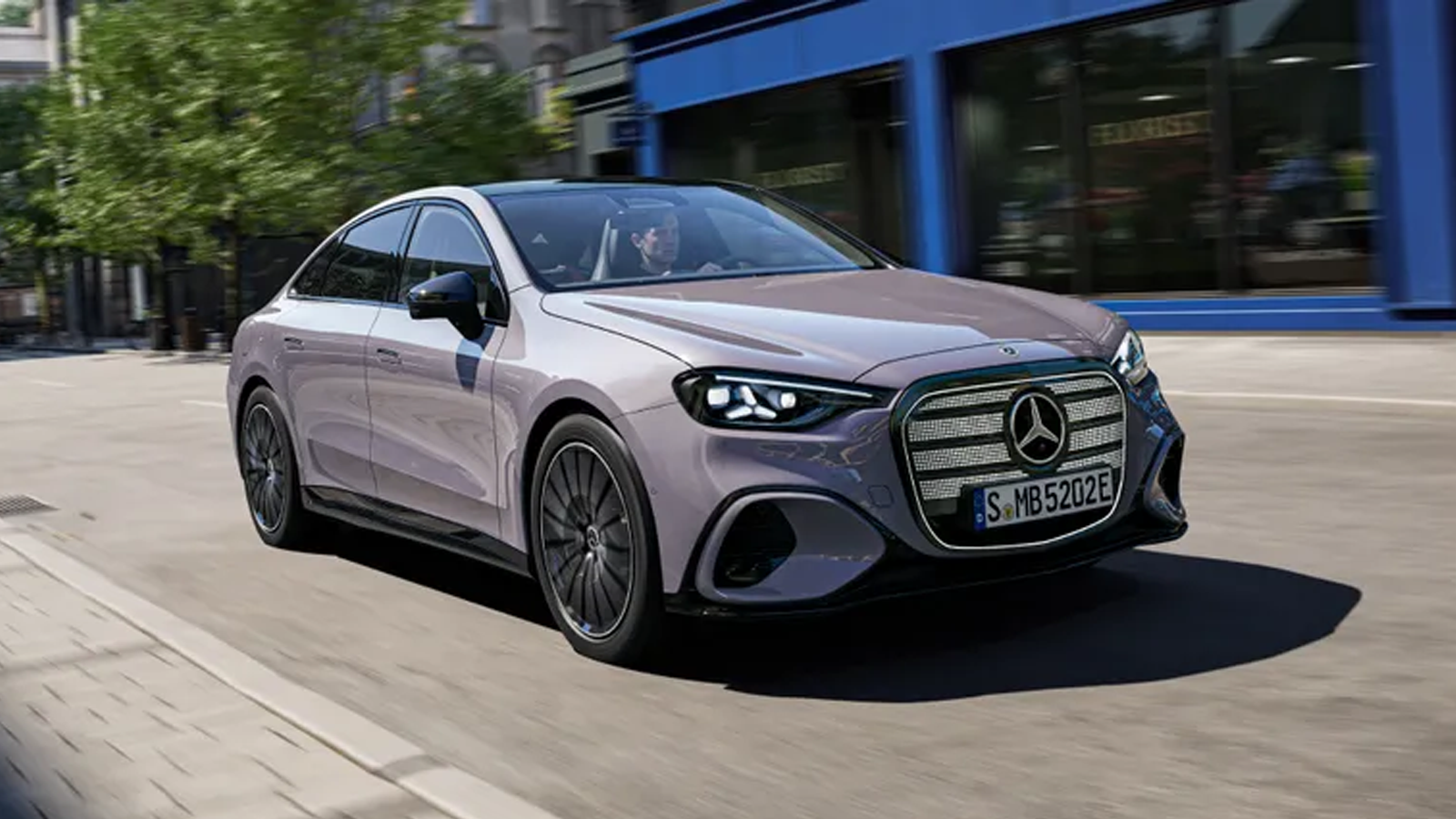
The electric C-Class leans heavily into aerodynamics, with a drag coefficient of just 0.22. That’s achieved through a smoother, coupe-like silhouette and a more streamlined body compared to the combustion model.
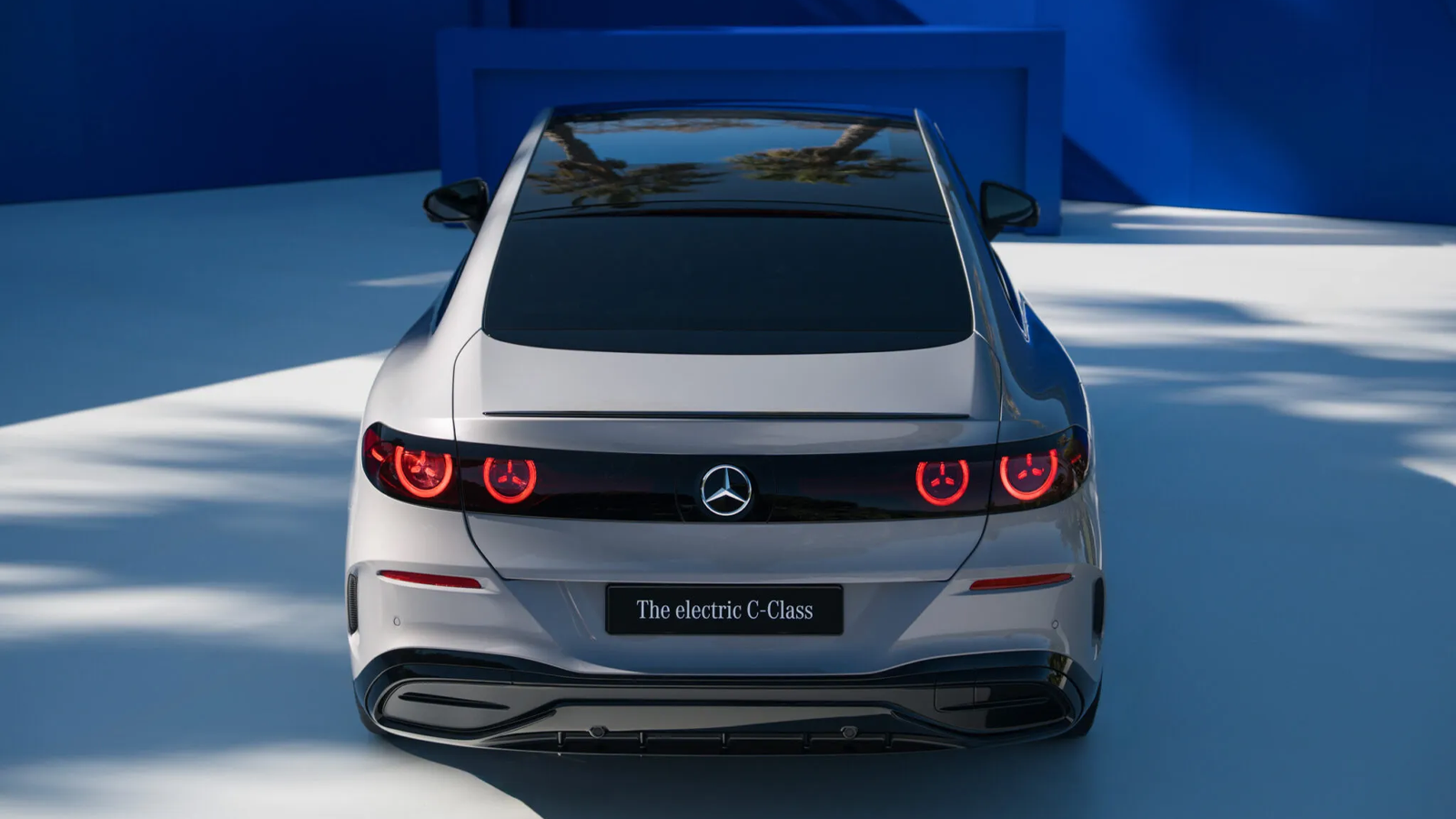
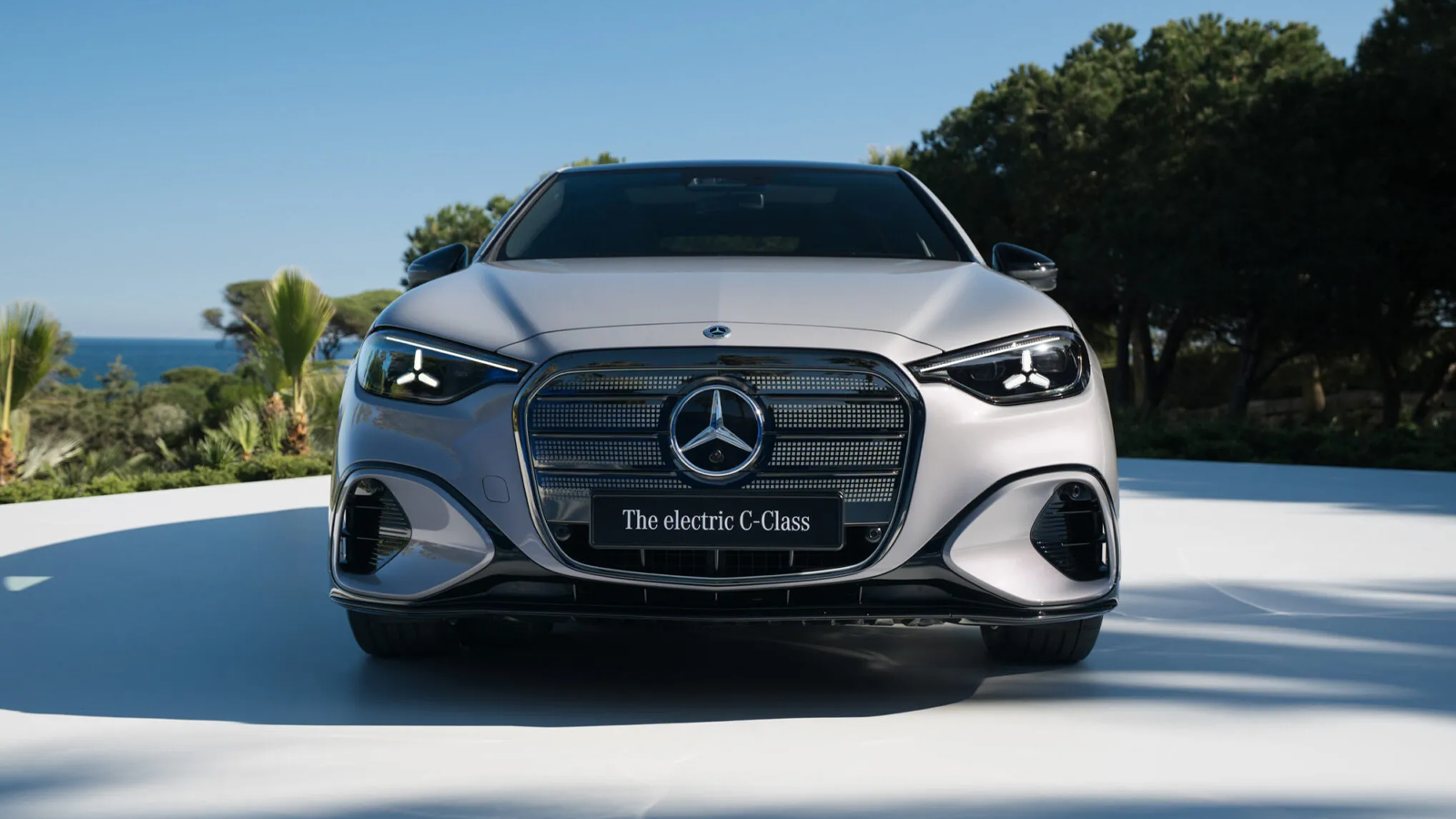
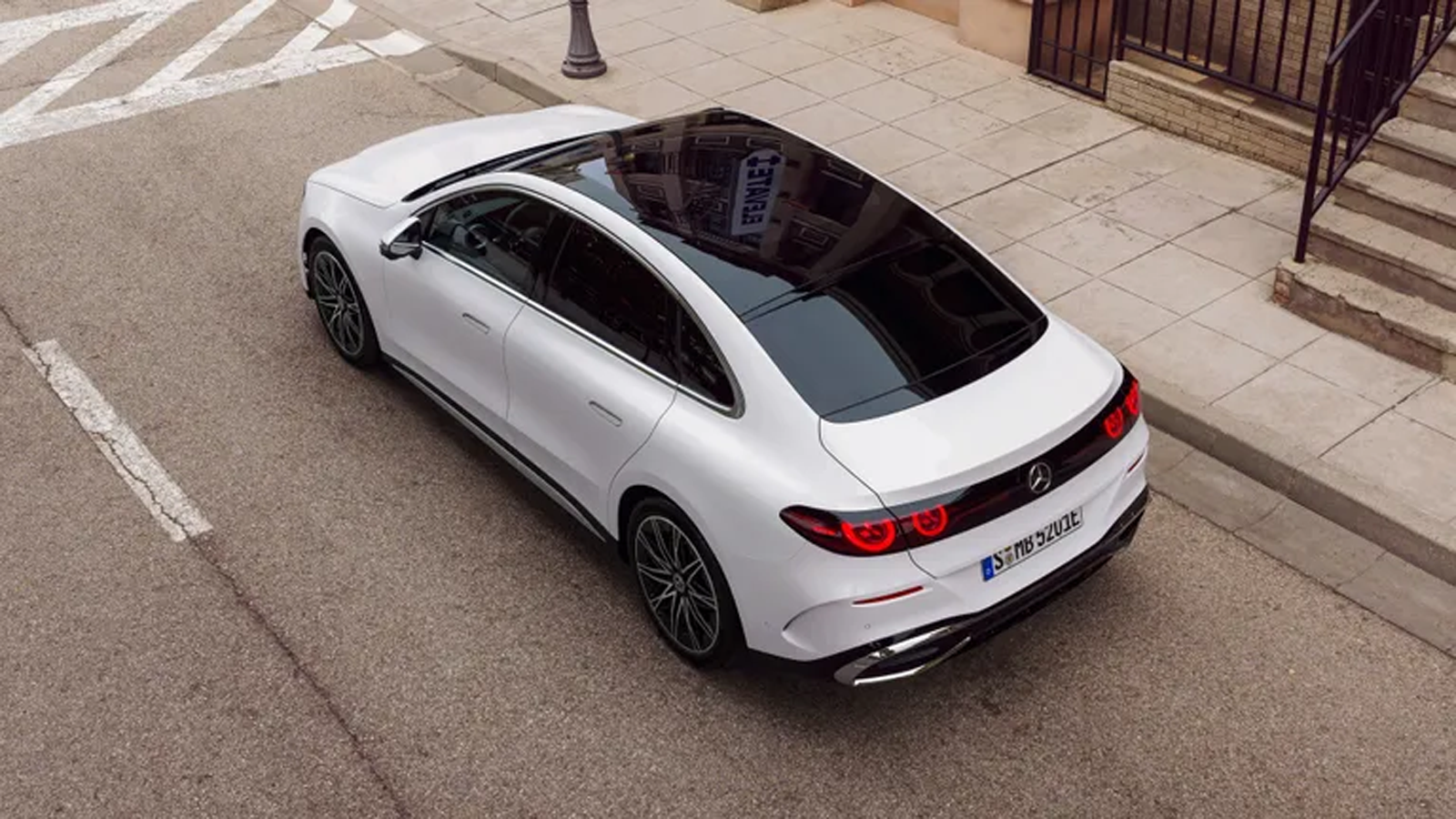
Up front, the illuminated grille, with over 1,000 individual light elements, sets the tone, while star-themed lighting signatures appear in both the headlights and taillights. Around back, a black panel housing the lighting elements adds a more distinctive look than previous Mercedes EV sedans, which have been criticized for playing it safe.
Nearly 500 Miles (WLTP)
Mercedes claims up to 473 miles of range under WLTP testing from a 94 kWh usable battery. While that number will likely drop under EPA testing, expectations still point to over 400 miles in real-world U.S. ratings, placing it near the top of its class.
Charging performance is equally notable. With an 800-volt architecture and peak charging around 330 kW, the car can regain roughly 200 miles of range in just 10 minutes under ideal conditions. That puts it firmly in the upper tier of current EV charging capability.
Performance Is Anything But Modest
At launch, the C400 4MATIC Electric uses a dual-motor setup producing 482 horsepower and 590 lb-ft of torque. That’s enough to push the sedan from 0 to 60 mph in just 3.9 seconds, with a top speed around 130 mph. Interestingly, the rear motor features a two-speed transmission—something still rare in EVs. The first gear prioritizes acceleration and efficiency at lower speeds, while the second improves highway efficiency.
The Interior Goes All-In on Screens
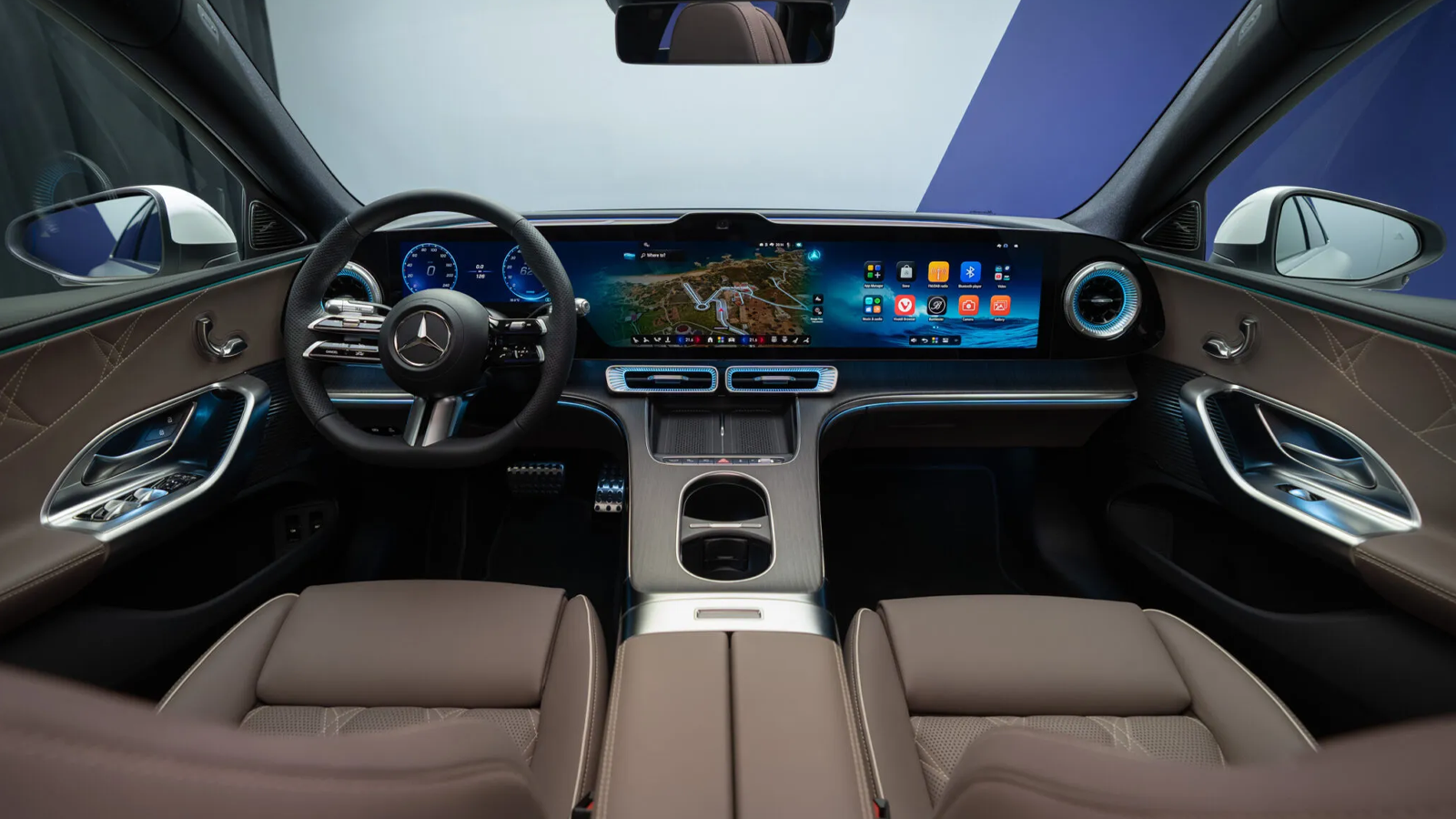
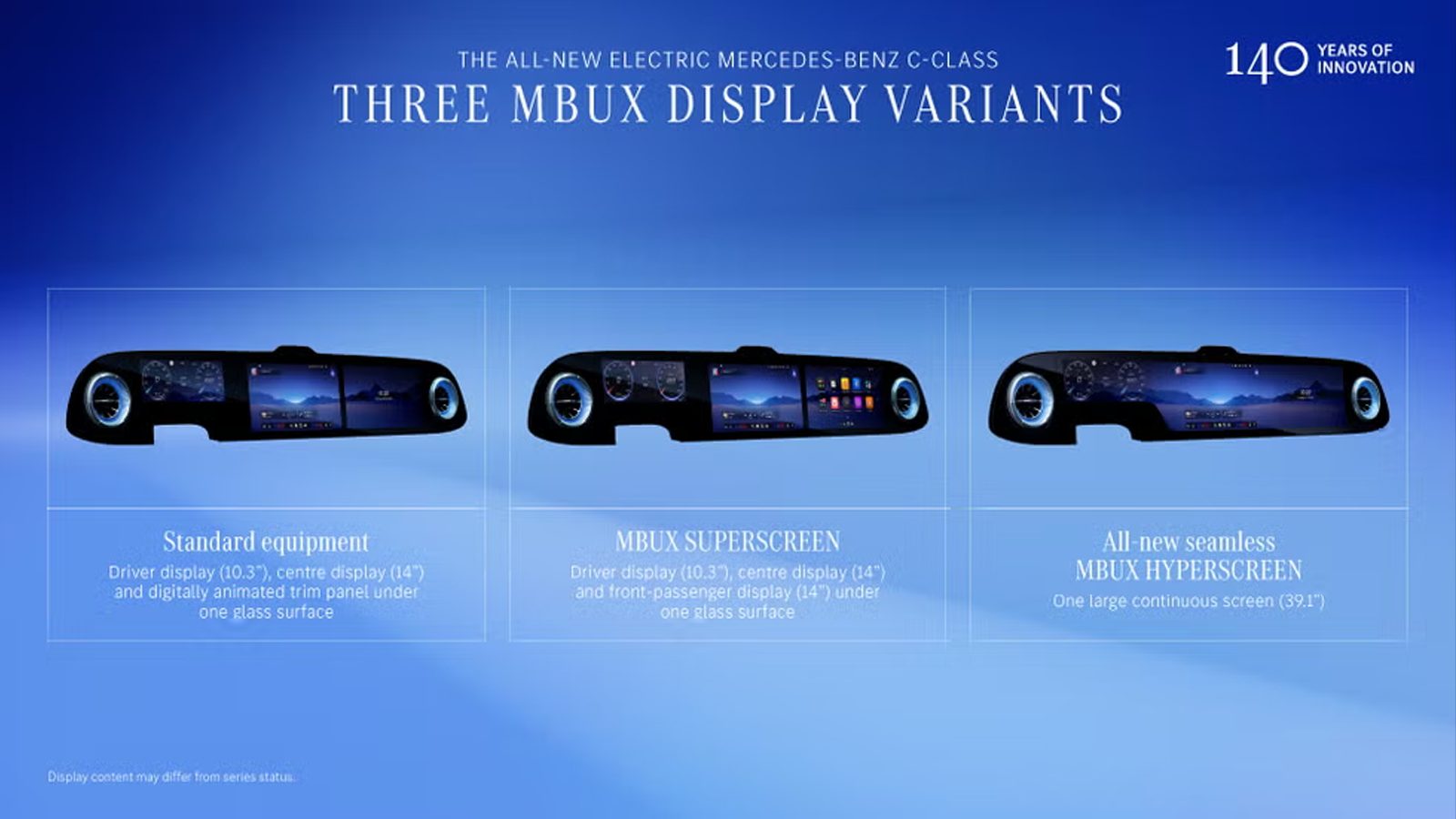
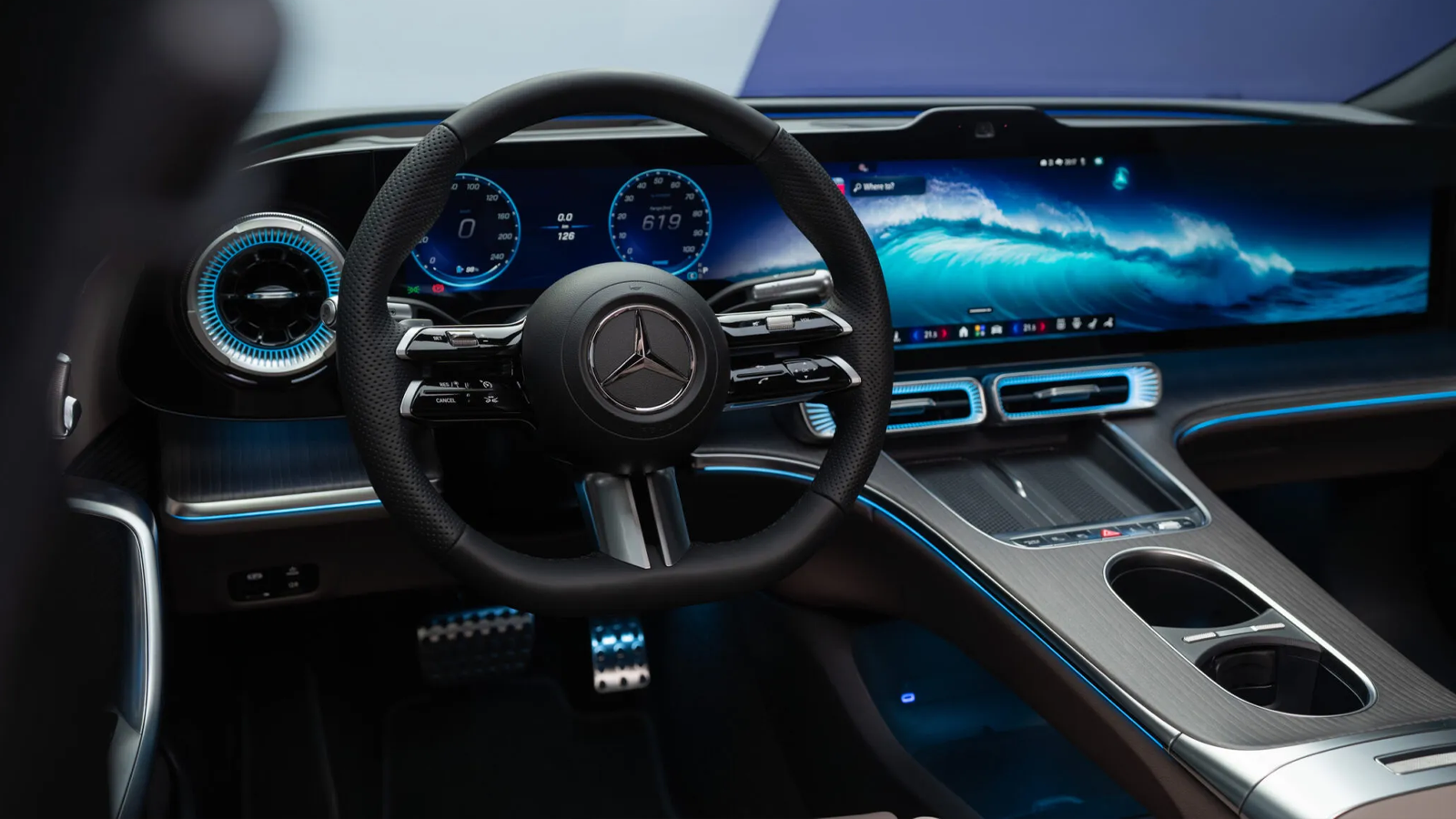
Inside, the optional 39.1-inch MBUX Hyperscreen dominates the dashboard, stretching across the entire cabin. It uses advanced backlighting with more than 1,000 LED zones and allows separate functions for driver and passenger.
There are multiple configurations available, including a three-screen “Superscreen” setup and a more simplified standard layout. Regardless of configuration, the cabin is clearly built around digital interaction rather than traditional controls.
Software Is Now the Backbone
The new system runs on Mercedes’ latest MB.OS platform, powered by a high-performance onboard computer. It integrates AI tools from multiple providers, enabling more natural voice interaction and personalized responses. Features include over-the-air updates, augmented reality navigation, and advanced driver assistance through MB.DRIVE ASSIST PRO. While still classified as Level 2 autonomy, the system is designed to handle complex urban driving scenarios with minimal input.
Rear Steering and Predictive Suspension
The C-Class EV introduces features previously reserved for higher-end models. Available air suspension can adjust ride height for efficiency or comfort, while predictive damping uses real-time data from other vehicles to prepare for road conditions. Rear-axle steering, up to 4.5 degrees, shrinks the turning circle to 36.7 feet, making the car more maneuverable in tight urban environments while improving stability at speed.
Bigger Cabin, More Storage
Thanks to its dedicated EV architecture, the electric C-Class offers slightly improved interior space. The wheelbase has been stretched, resulting in more legroom and headroom, particularly for rear passengers. Cargo capacity also improves, with a larger trunk and the addition of a front trunk (frunk), something not available in the gasoline model.
Luxury Features Aim Higher
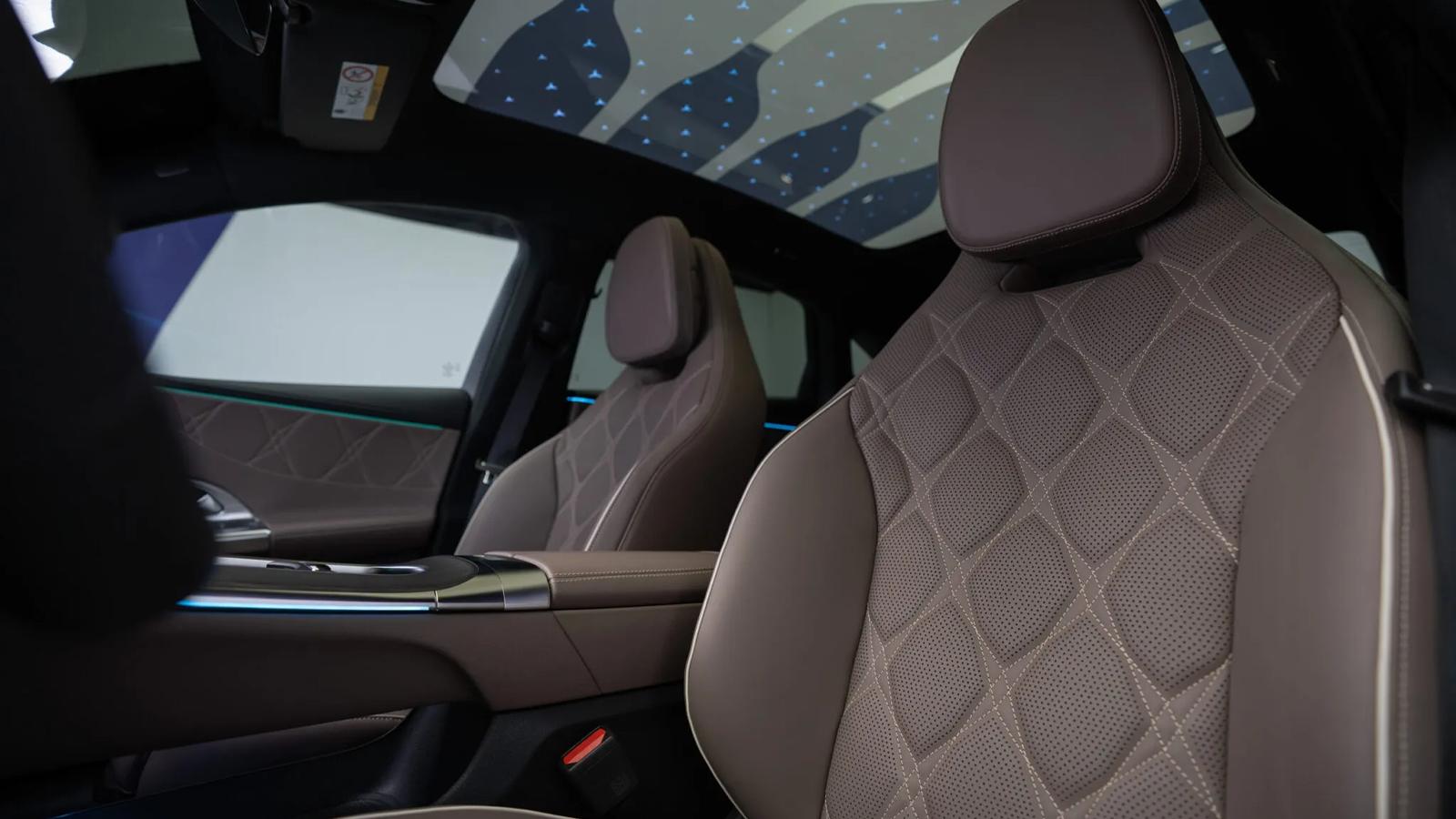
Mercedes has clearly pushed the C-Class EV upmarket. Available features include massaging and ventilated seats, a panoramic roof with animated star lighting, and integrated 4D audio elements in the seating. The goal is obvious: make this feel less like an entry-level luxury sedan and more like a scaled-down version of the flagship experience.
Pricing and Future Variants Are Still Unknown
Mercedes hasn’t released pricing yet, but the model is expected to arrive in U.S. dealerships in the first half of 2027. A high-performance AMG version, likely with a tri-motor setup, is already in development, which could significantly raise the performance ceiling.
Aiming Straight at BMW
This new EV lands right as BMW i3 Neue Klasse enters the market, setting up a direct competition between two German brands redefining their compact luxury sedans. Mercedes is betting on range, interior tech, and ride comfort to stand out, while BMW is pushing efficiency and a different approach to in-car interfaces. Which strategy wins will likely come down to how buyers prioritize those trade-offs.