
Mercedes’ 2025 Formula 1 Season: What They Got Right (And Where They Fell Short)
A closer look at the decisions, performances, and limitations that shaped the Silver Arrows’ year, for better and for worse.


POSITIVE: Consistency: Finishing Second in the Constructors’ Championship
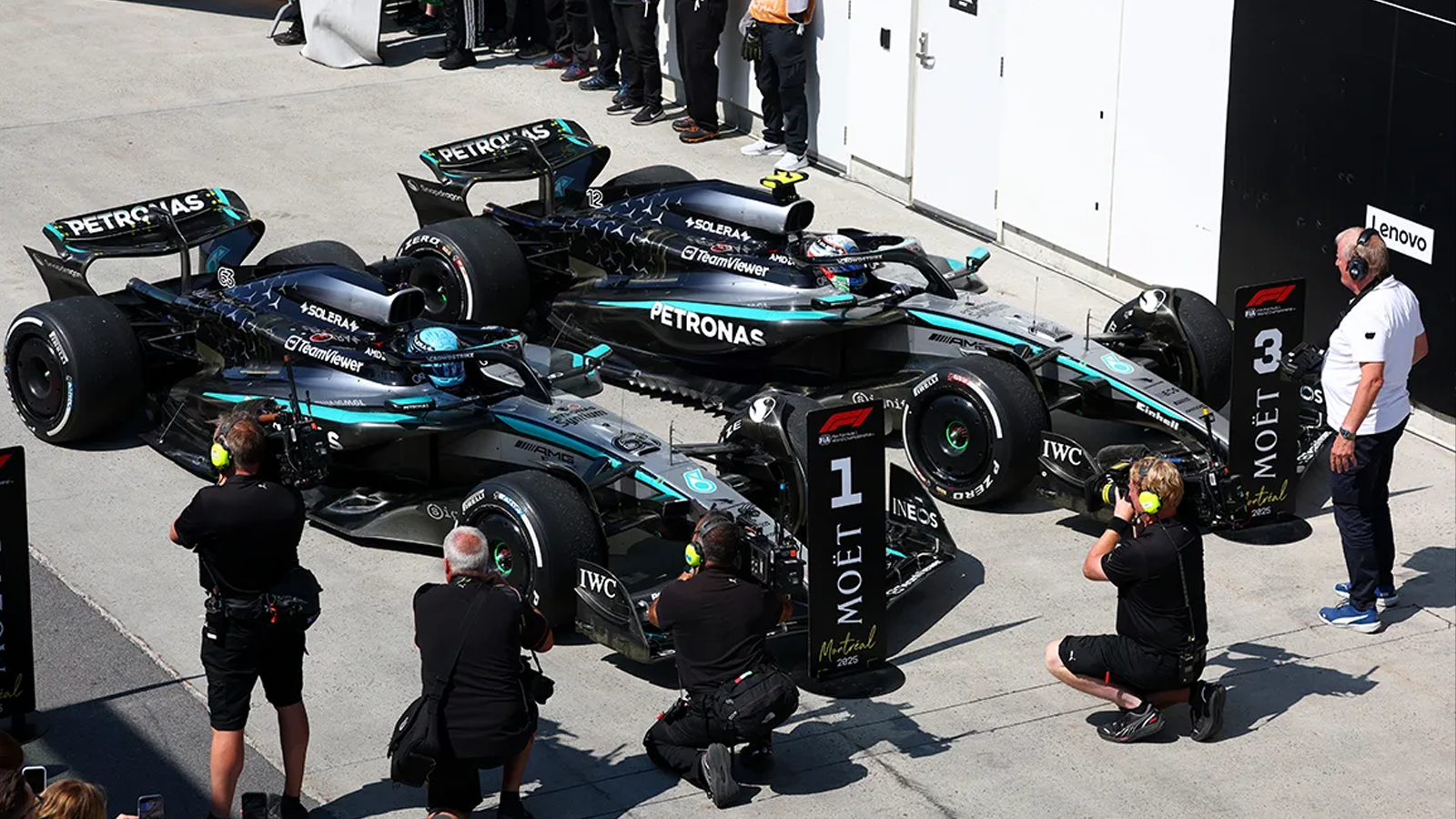
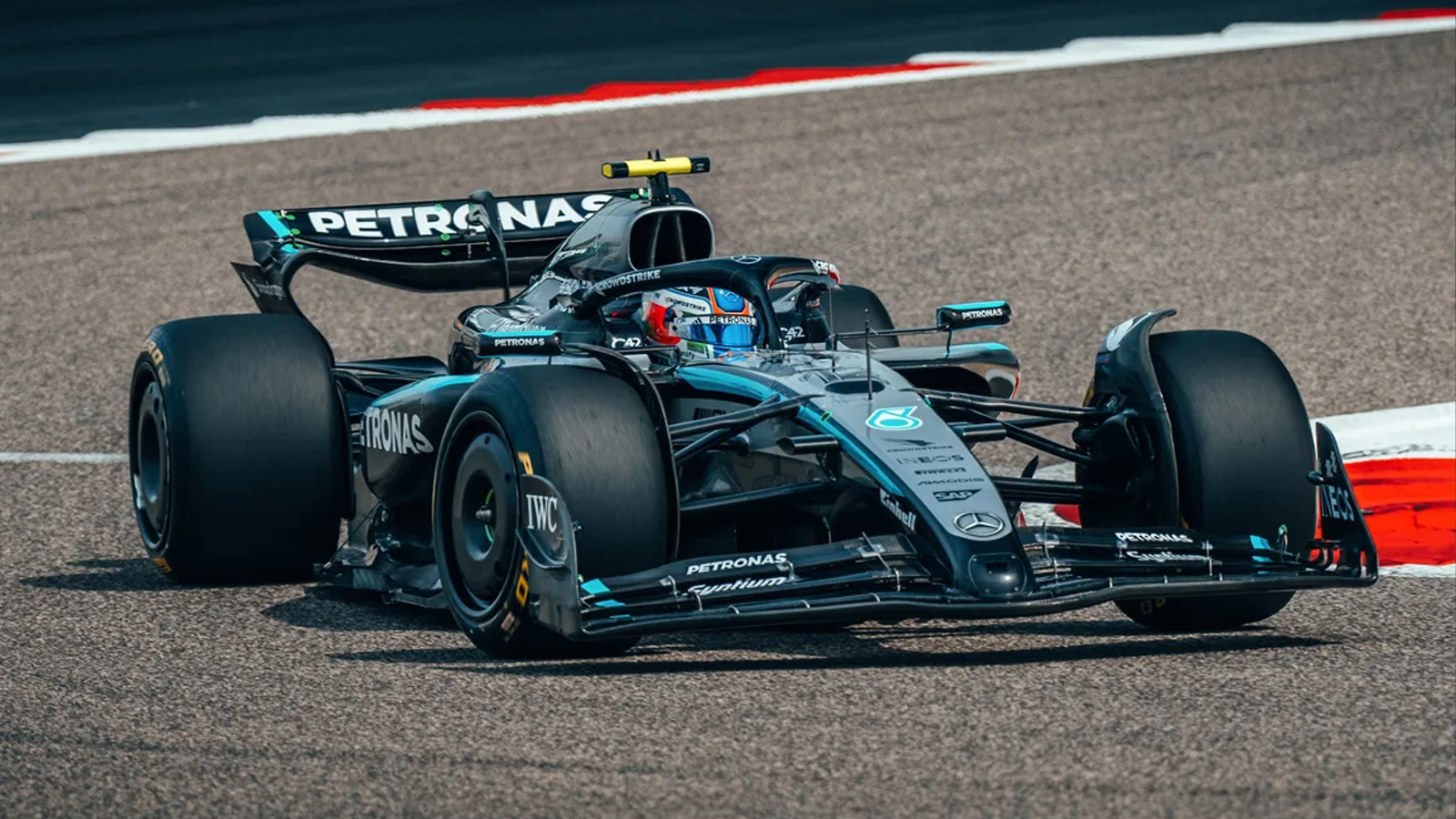
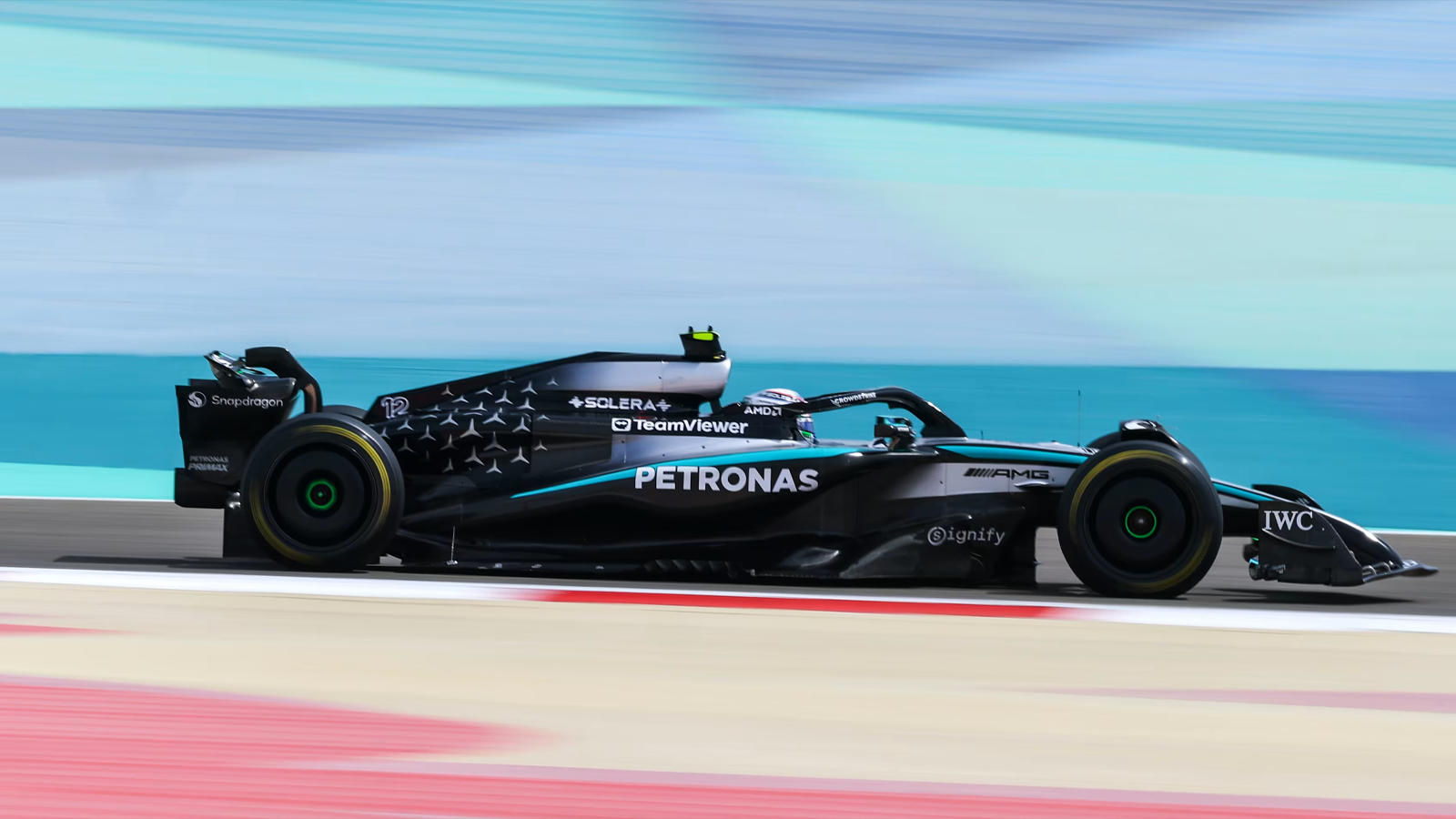
Mercedes’ second-place finish in the Constructors’ Championship was the product of disciplined execution rather than outright speed. The W16 was rarely the fastest car over a race distance, yet Mercedes consistently converted middling qualifying results into solid points finishes. While rivals oscillated between highs and lows, Mercedes avoided catastrophic weekends and kept both cars scoring regularly. In a season without a dominant package, that consistency was enough to secure runner-up honors and reaffirm the team’s operational baseline.
POSITIVE: Establishing George Russell as a Clear Team Leader
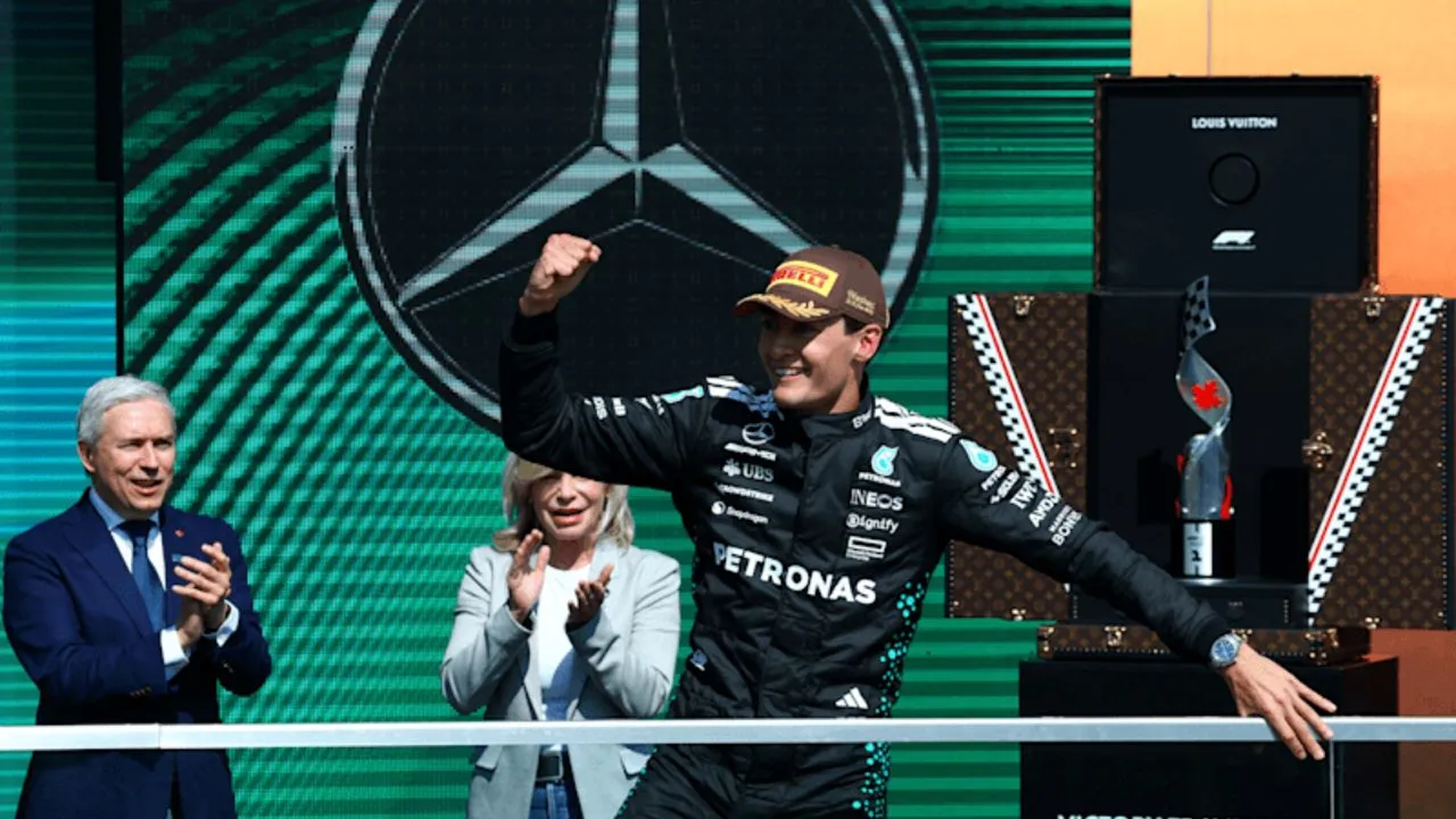
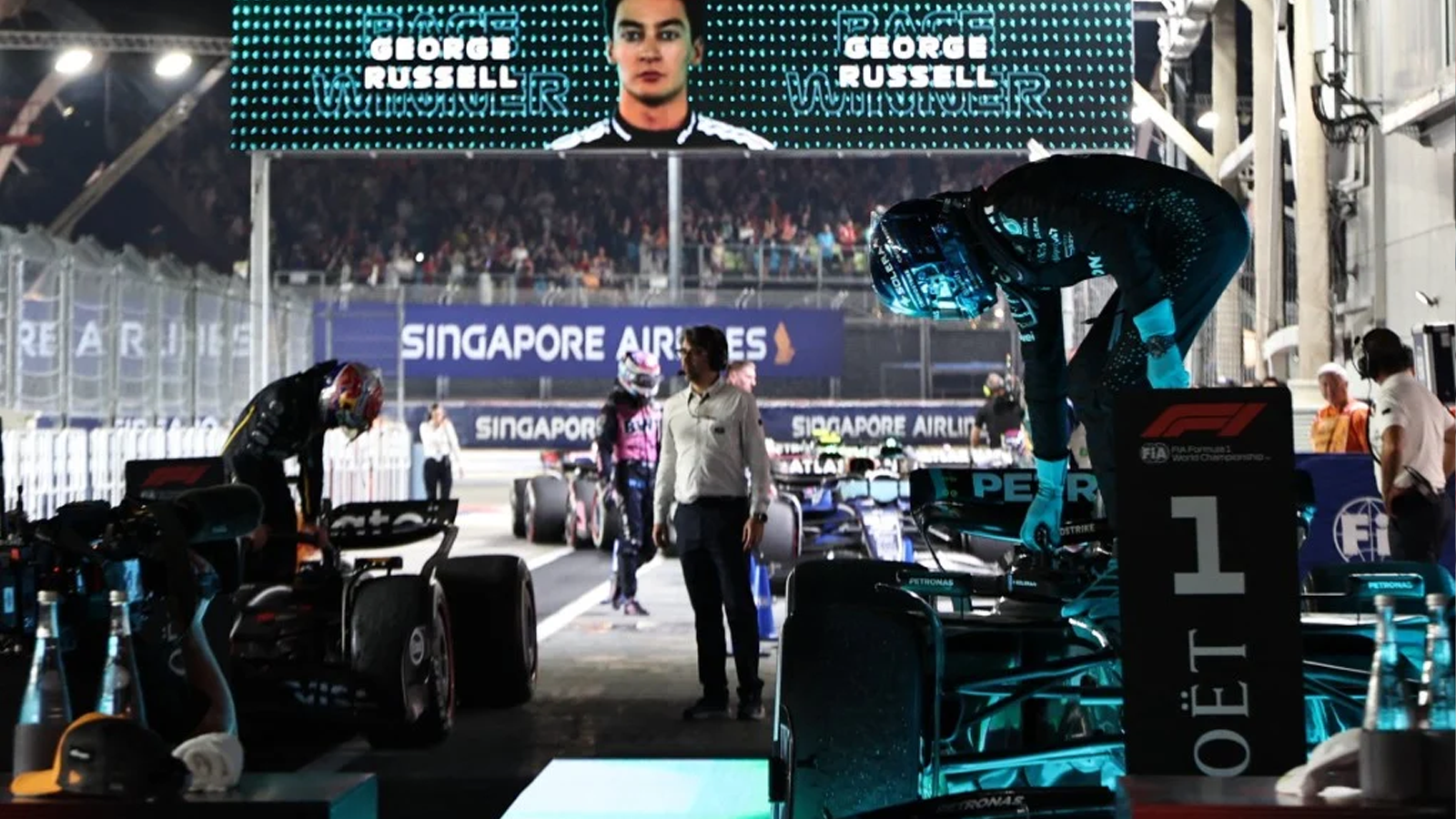
George Russell’s 2025 season marked a definitive shift in Mercedes’ internal structure. With Lewis Hamilton gone, Russell assumed responsibility as the team’s performance reference and delivered accordingly. He scored multiple race wins, led development direction, and consistently outperformed his teammate in both qualifying and races. More importantly, Russell provided Mercedes with clarity, on setup direction, race expectations, and car limitations, something the team had lacked during previous transitional seasons.
POSITIVE: Accelerating Kimi Antonelli’s Development Without Losing Points
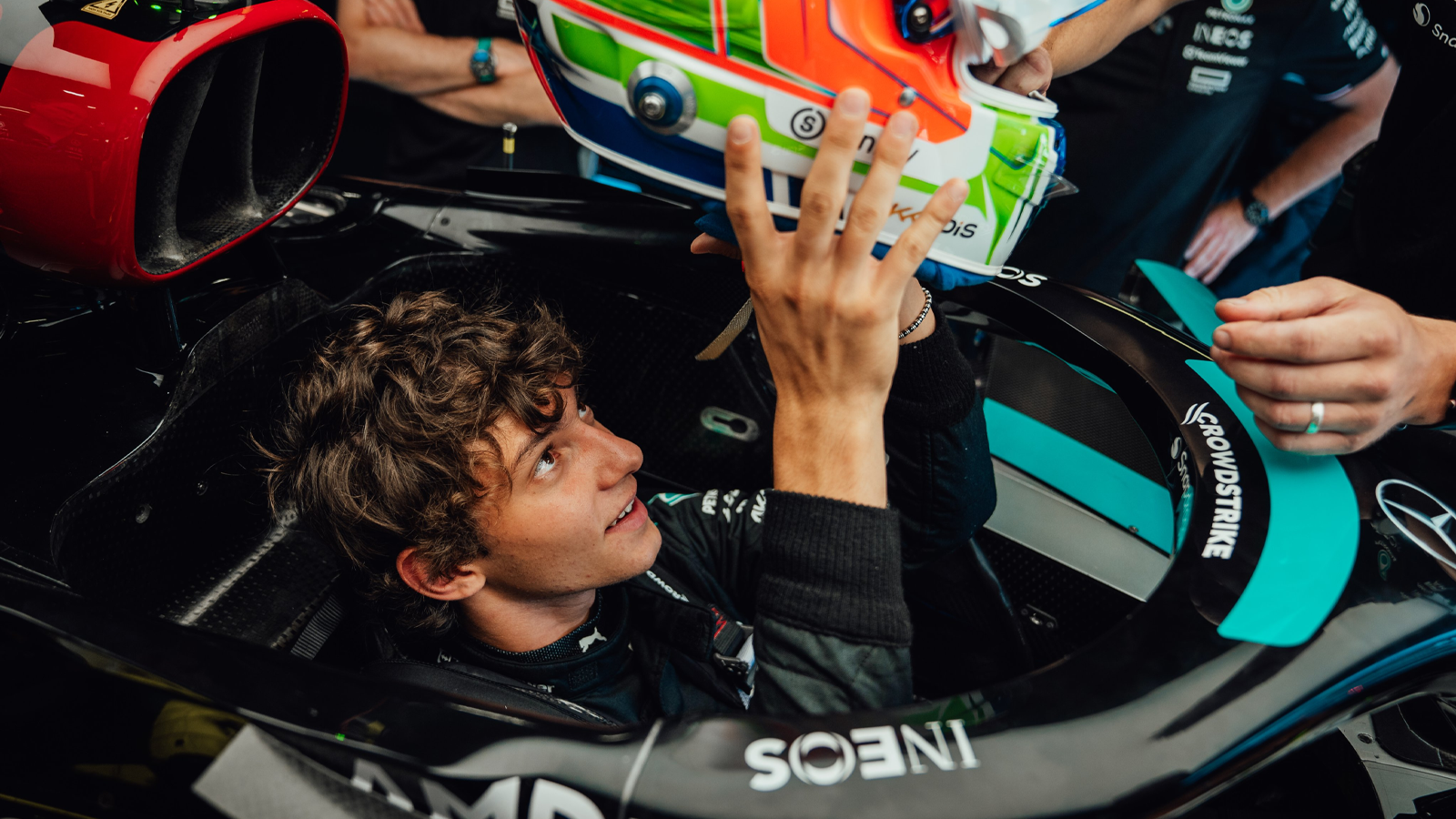
Promoting Kimi Antonelli into a full-time race seat was a calculated risk, and one that largely paid off. Despite his inexperience, Antonelli delivered meaningful points contributions and showed immediate one-lap speed, including podium finishes and standout qualifying performances. While he was not consistently competitive over full race distances, his ceiling was evident, and Mercedes gained valuable real-world data without sacrificing their Constructors’ campaign. For a team planning beyond 2025, that balance was critical.
POSITIVE: Maintaining Strong Operational Discipline
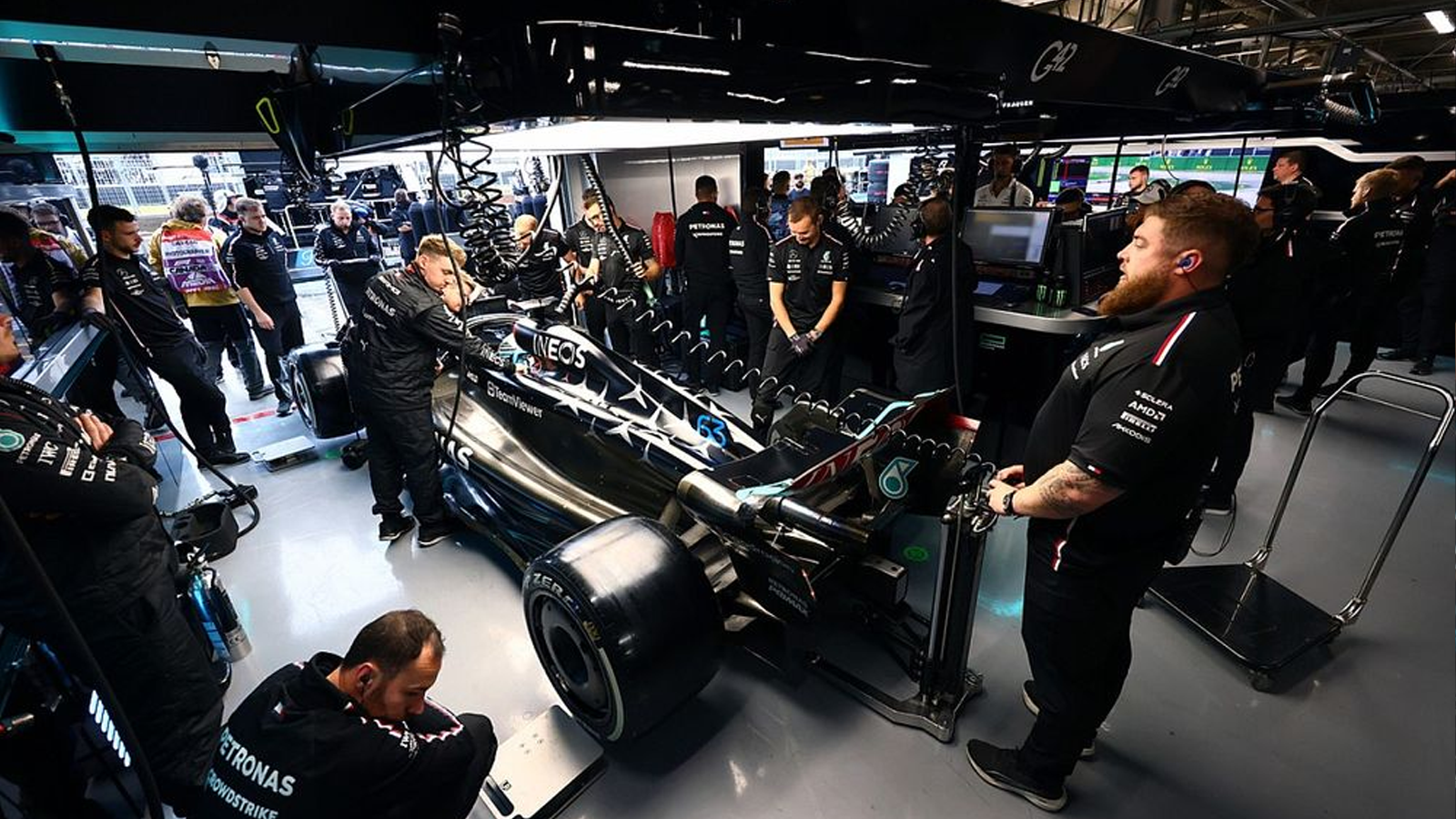
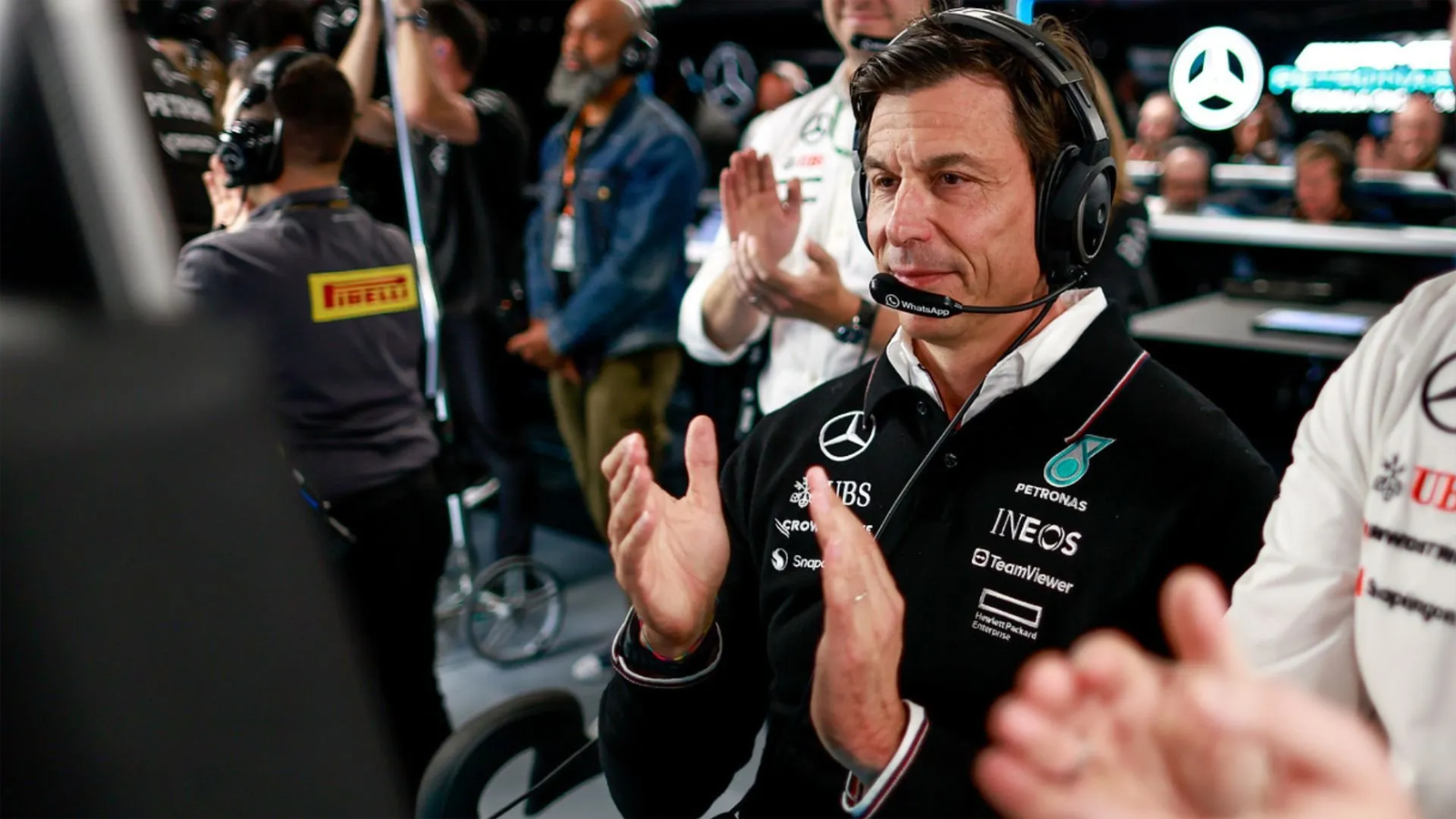
Across the season, Mercedes avoided the strategic collapses and reliability failures that plagued several competitors. Pit stops, race calls, and general execution were typically clean, allowing the team to extract maximum value from weekends where performance was limited. While this discipline rarely translated into surprise victories, it ensured Mercedes remained a constant presence near the front of the standings rather than slipping into midfield volatility.
SHORTCOMING: Persistent Race Pace and Tyre Degradation Issues
Mercedes’ most damaging weakness was its inability to sustain a competitive race pace over long stints. The W16 frequently overheated its tyres, particularly in high-temperature conditions, leading to performance drop-offs that neutralized strong qualifying positions. This issue was never fully resolved, and it repeatedly forced Mercedes into defensive strategies that prioritized damage limitation over attack. As a result, many races followed a familiar pattern: promise on Saturday, compromise on Sunday.
SHORTCOMING: A Narrow and Track-Sensitive Performance Window
The car’s competitiveness varied significantly by circuit. Mercedes performed best on high-downforce tracks and in cooler conditions, but struggled on layouts that demanded strong rear stability or heavy tyre management. This inconsistency prevented the team from building momentum across consecutive races and made it difficult to challenge rivals that had broader performance windows. Wins felt conditional rather than repeatable, limiting any realistic championship aspirations.
SHORTCOMING: Limited Development Gains Over the Course of the Season
While Mercedes introduced updates throughout the year, none fundamentally altered the car’s performance profile. Incremental gains were offset by rivals who either developed more effectively or started from a stronger baseline. As the season progressed, it became increasingly clear that Mercedes’ ceiling had been reached, and development focus shifted toward the 2026 regulation reset. That strategic decision may pay off long term, but it curtailed 2025’s upside.
SHORTCOMING: Clean Execution Without a Knockout Advantage
Mercedes executed races well, but rarely imposed themselves strategically. Even when calls were correct, the underlying pace deficit meant results aligned closely with expectations rather than exceeding them. Unlike in their dominant years, Mercedes could no longer create wins through strategy alone. The team minimized losses effectively, but lacked the performance headroom to manufacture gains.