Strong engineering and clear progress collided with lingering identity issues across luxury, performance, and pricing.
Intro
For Mercedes-Benz, 2025 was not a year of collapse or resurgence; it was a year of uneven clarity. The company delivered meaningful improvements in quality, refinement, and electrification strategy, while simultaneously struggling to reconcile its luxury heritage with a rapidly shifting performance and tech-driven identity. The result was progress that often felt deliberate, but rarely cohesive.
WIN 1: Interior Quality and Refinement Took a Step Back Toward Credibility
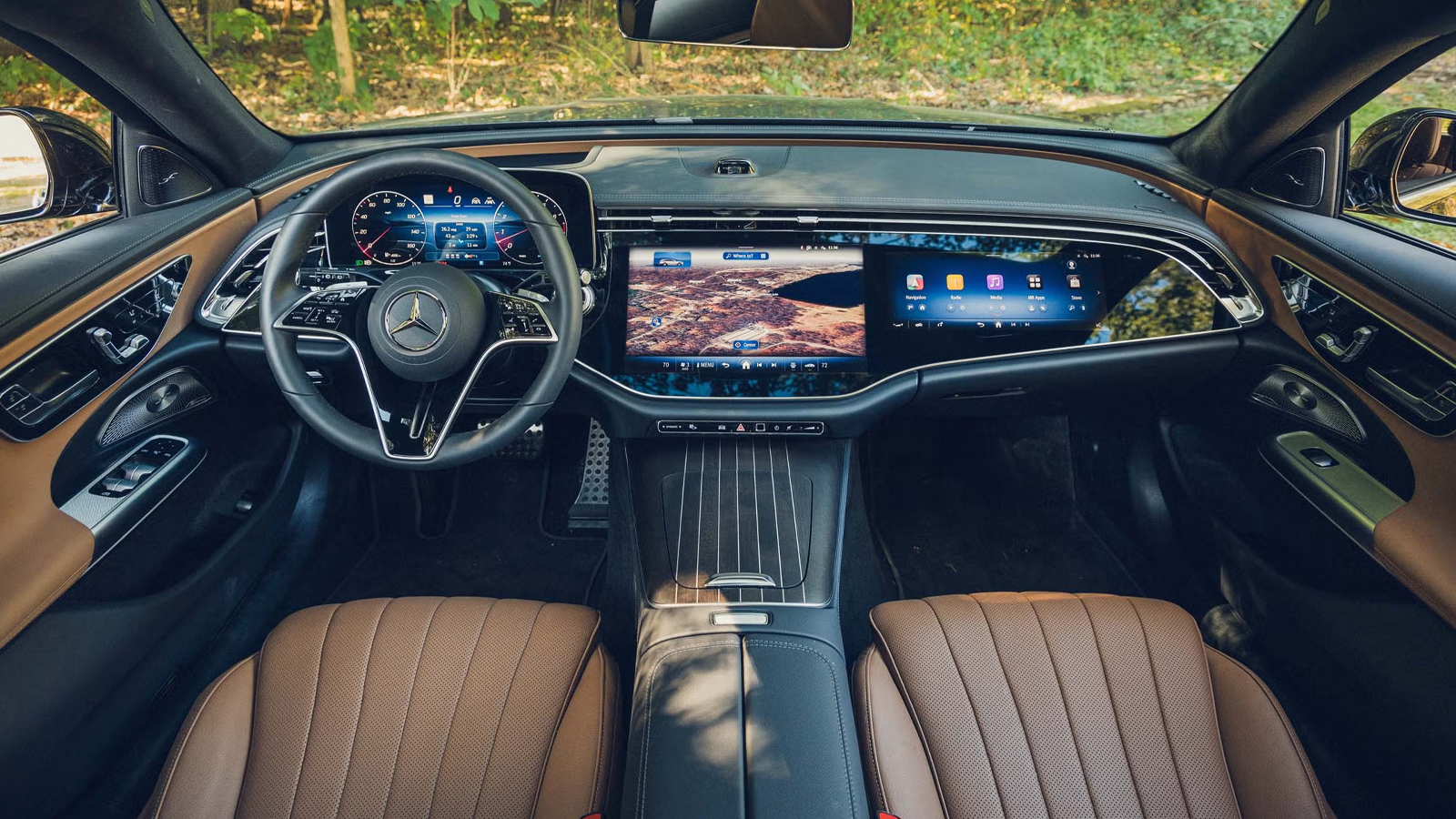
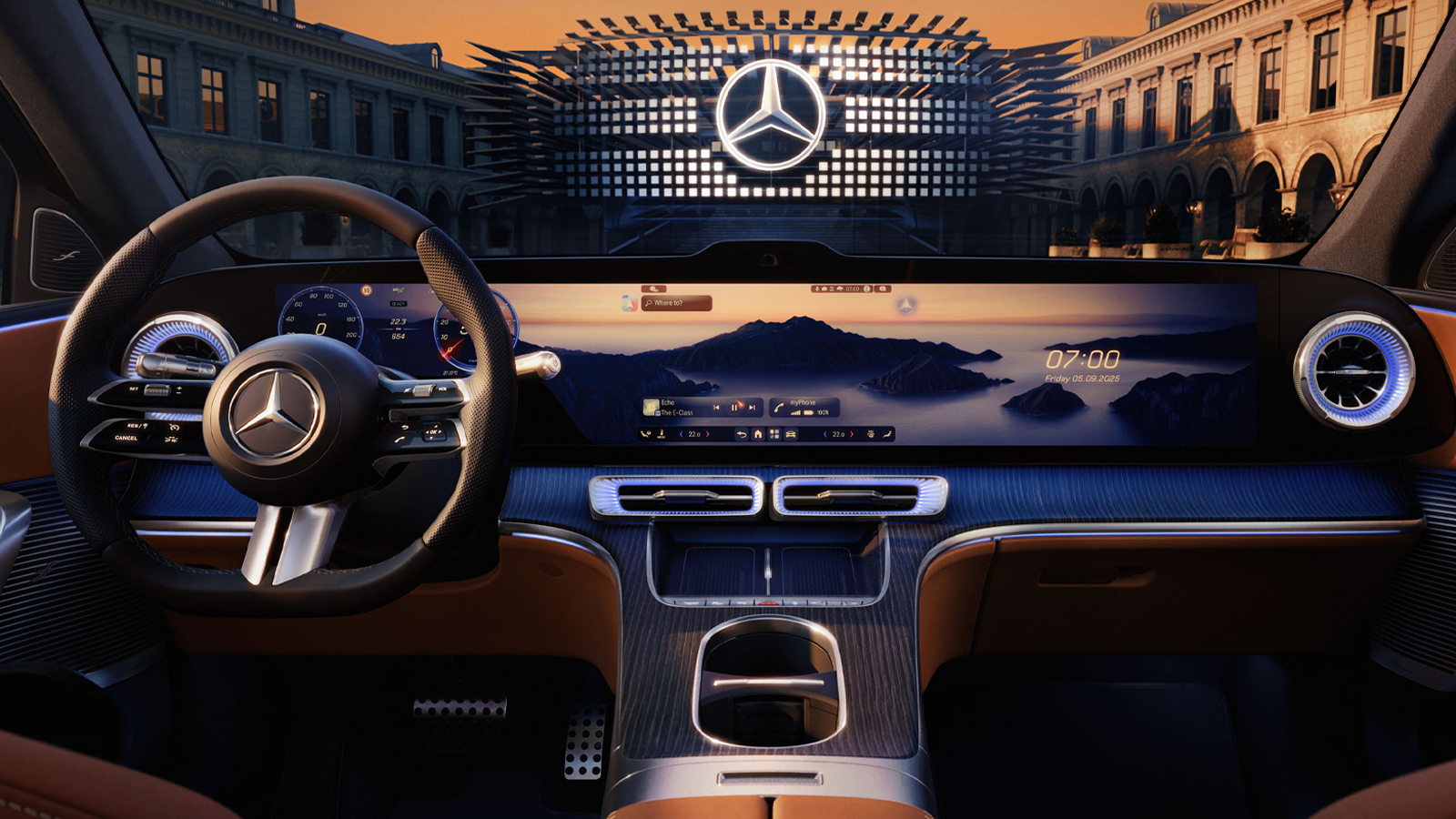
After years of criticism around build quality and over-digitized cabins, Mercedes quietly improved material consistency and fit across several key models in 2025. While the screens remain dominant, the execution felt less gimmicky and more integrated. This wasn’t a return to overengineered excess, but it was a clear correction.
WIN 2: Electrification Strategy Became Less Ideological
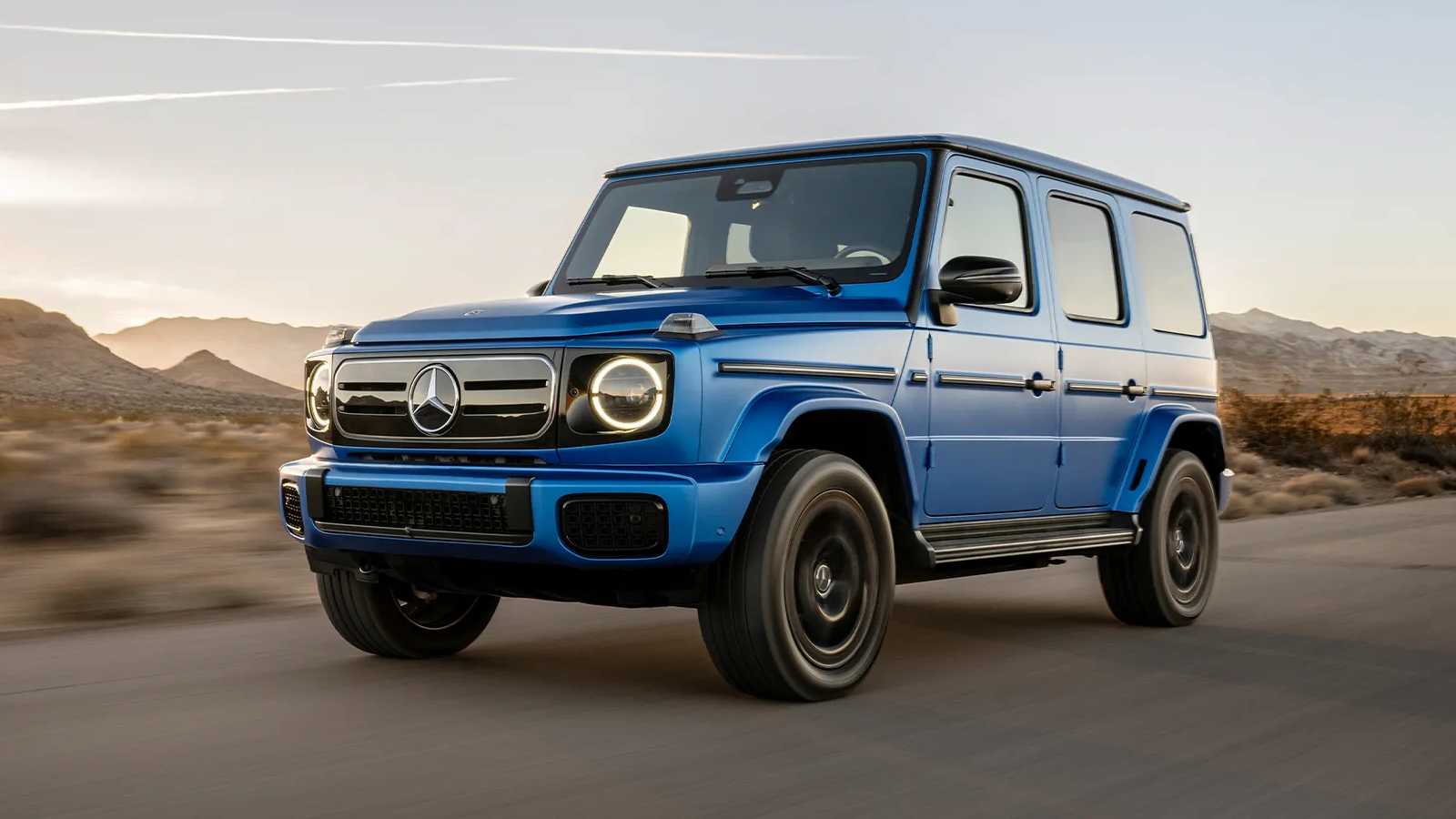
Mercedes finally stopped forcing EVs to look and feel radically different just for the sake of signaling progress. Updates to EQ models and the broader integration of EV tech into core platforms made electrification feel more pragmatic. The cars drove better, looked more conventional, and appealed to buyers who wanted evolution, not reinvention.
WIN 3: AMG Calibration Improved Even When Hardware Didn’t
Even as AMG leaned heavily on four-cylinder and hybrid powertrains, 2025 showed noticeable gains in throttle mapping, transmission tuning, and chassis balance. These cars still divide enthusiasts, but they were undeniably more cohesive and usable than earlier attempts. Execution improved, even if the philosophy remains controversial.
WIN 4: Mercedes Regained Some Ride-Comfort Leadership
In a market obsessed with stiffness and performance metrics, Mercedes recommitted to ride quality in several segments. Air suspension tuning and noise isolation reminded buyers why the brand once defined luxury driving rather than merely participating in it.
PROBLEM 1: AMG’s Identity Is Still Unclear
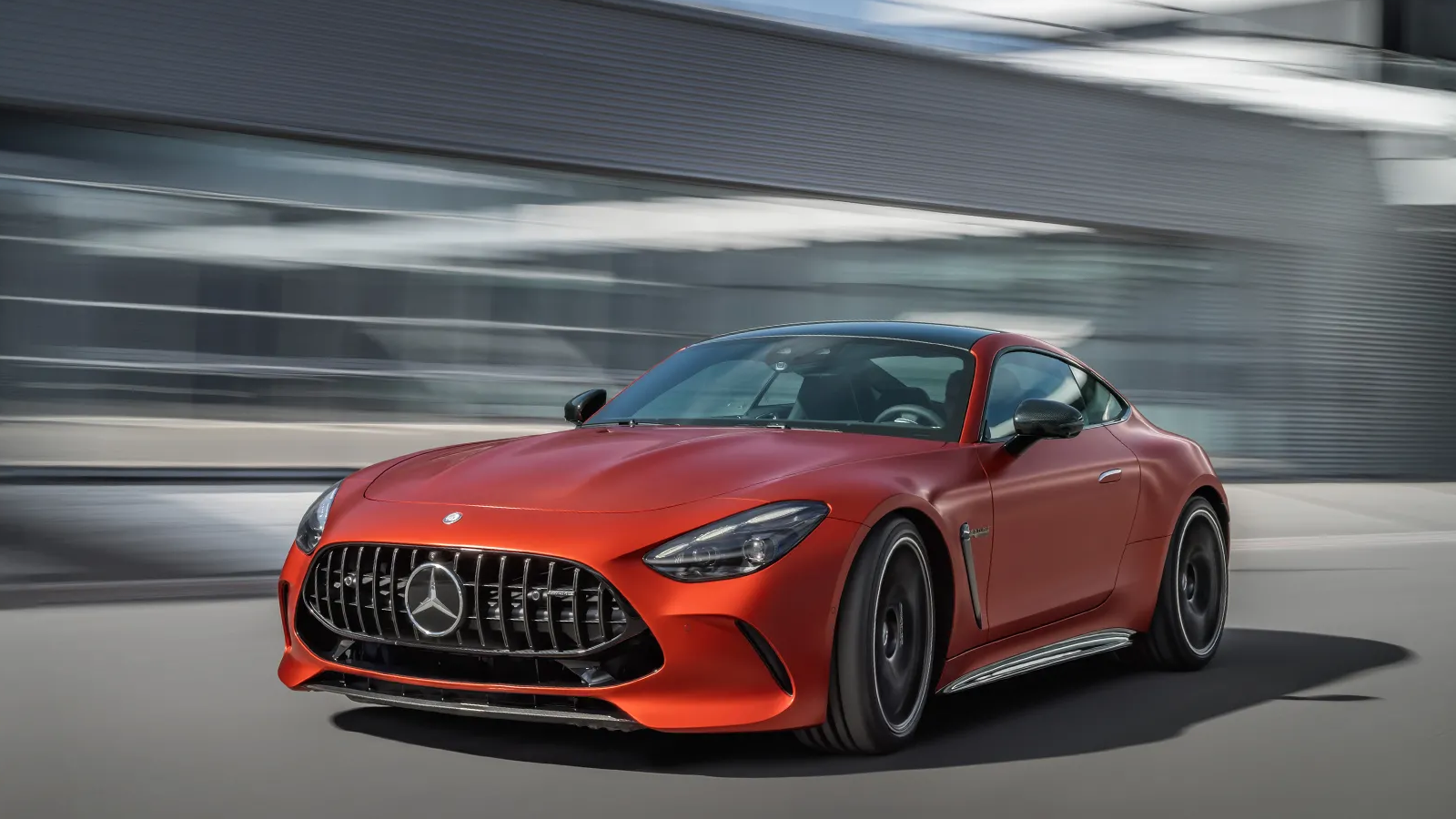
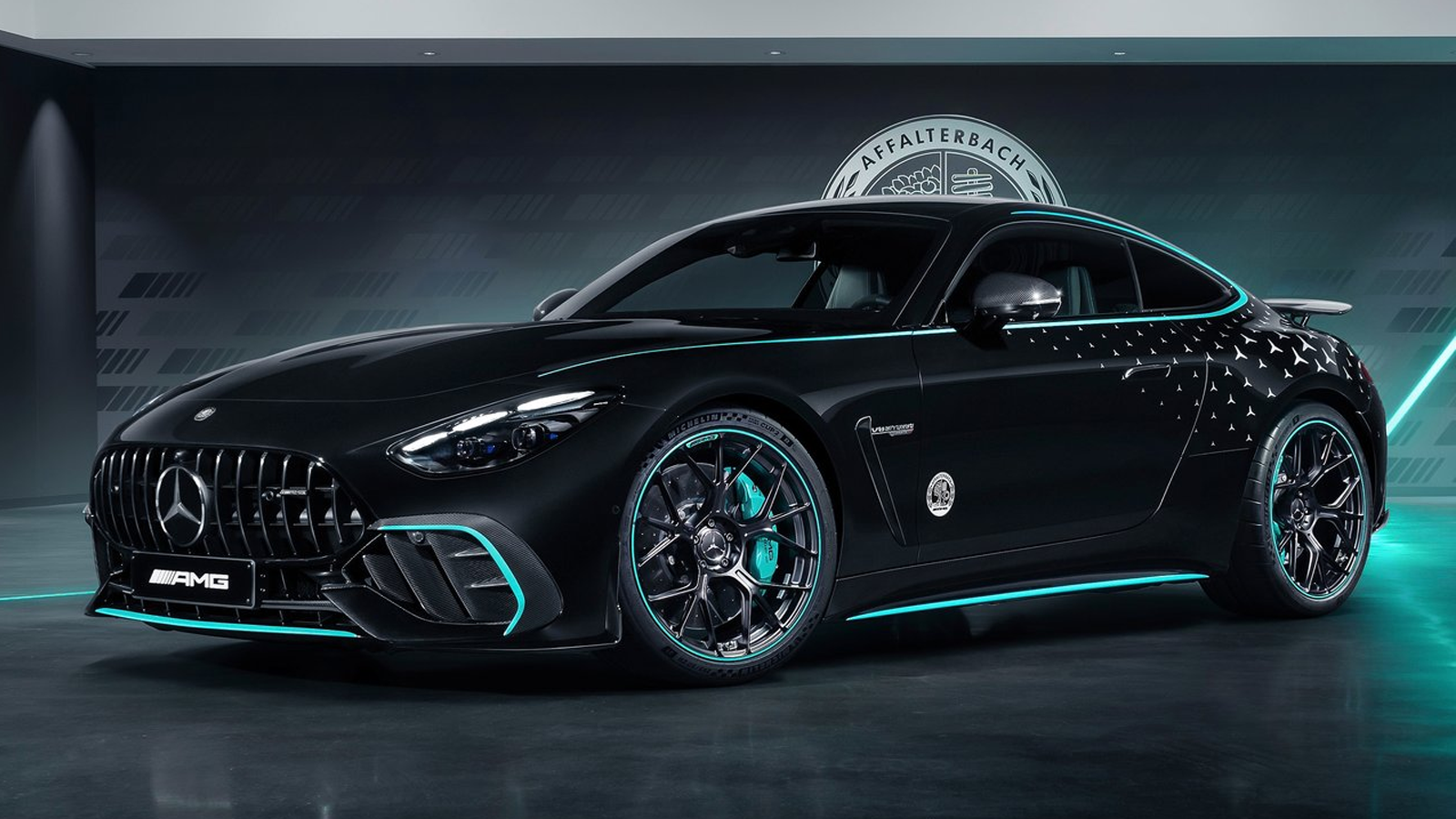
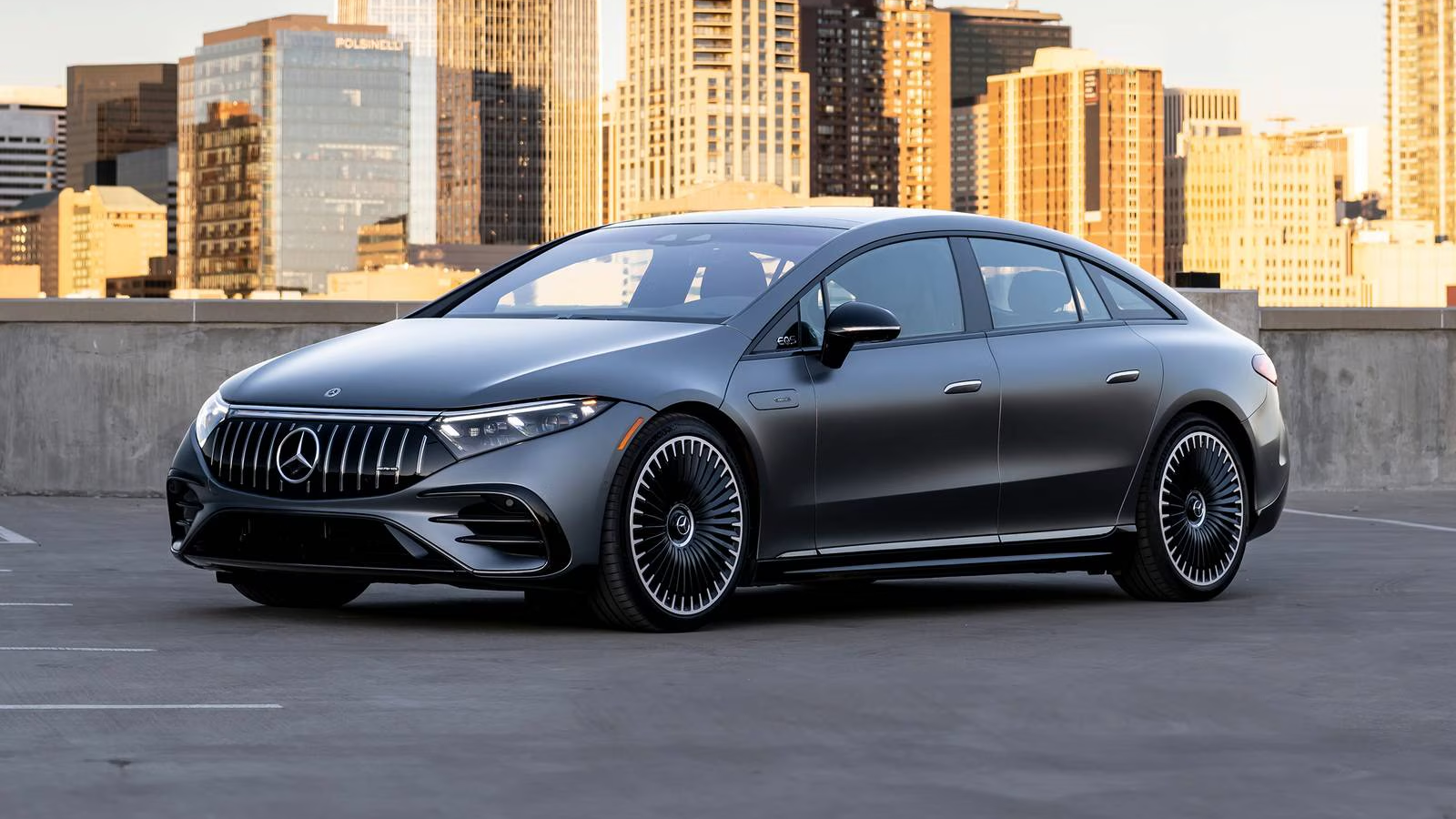
By 2025, AMG existed in multiple conflicting forms: traditional V8 bruisers, high-strung four-cylinder hybrids, and fully electric performance flagships. Individually, some of these cars work, but collectively, they dilute the AMG name. Mercedes hasn’t yet articulated what AMG is supposed to stand for now, beyond speed.
PROBLEM 2: Pricing Logic Remains Difficult to Defend
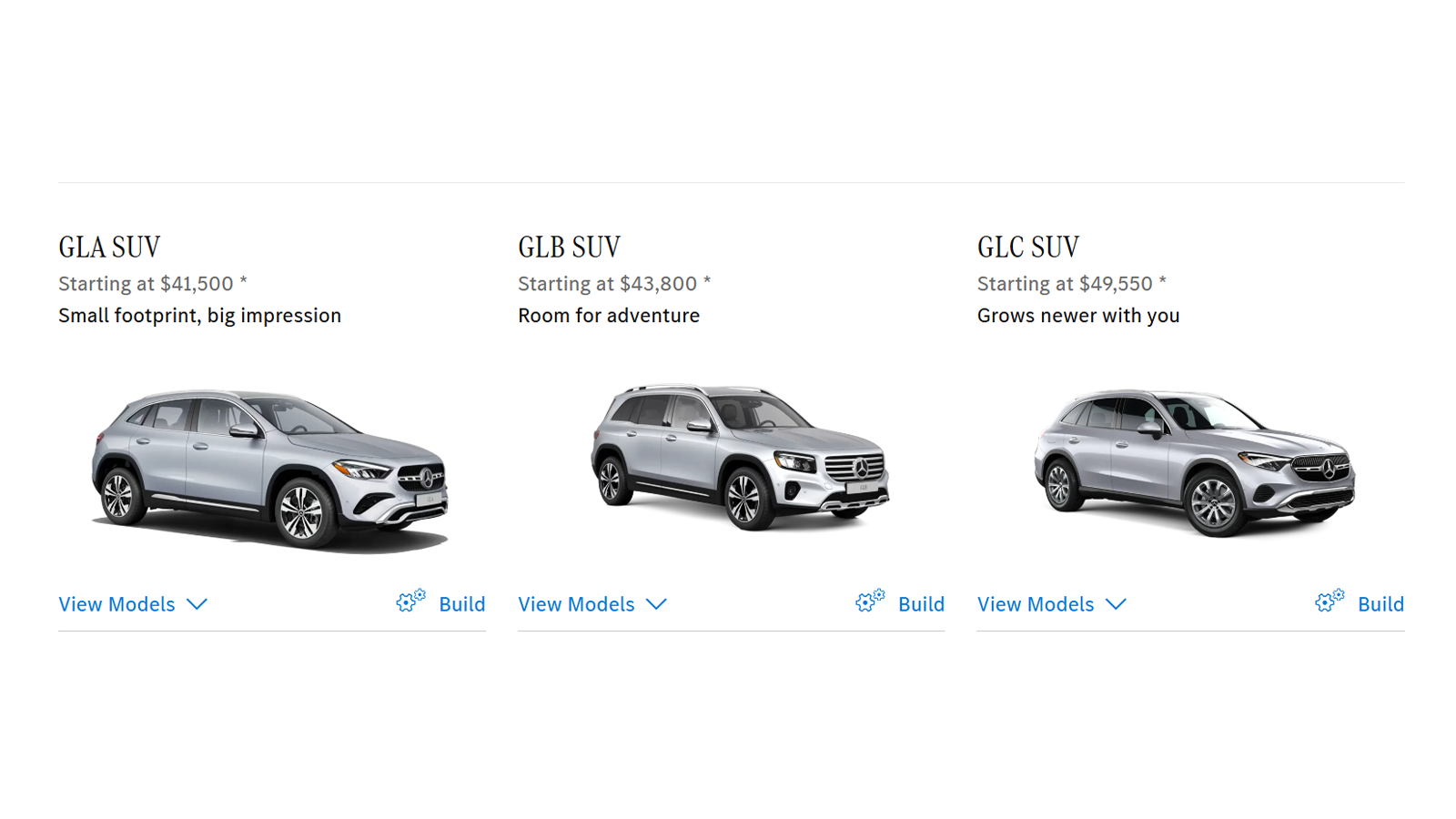
Mercedes’ pricing strategy continued to drift upward, often without clear justification in materials, performance, or exclusivity. Trim overlap blurred value distinctions, and buyers increasingly questioned why certain models existed at their price points at all.
PROBLEM 3: Design Cohesion Is Still Missing
While some models matured visually in 2025, the overall lineup still lacks a unified design language. EQ cars, AMG variants, and traditional sedans often feel like they belong to different brands rather than a single portfolio.
PROBLEM 4: Digital Overload Hasn’t Been Fully Reined In
Despite improvements, Mercedes continues to overestimate how much digital interaction drivers actually want. Touch-heavy controls and layered menus remain a point of friction, especially in performance-oriented models where simplicity matters.
What 2025 Ultimately Showed
Mercedes didn’t lose its way in 2025, but it didn’t fully find it either. The engineering foundation remains strong, and recent course corrections are encouraging. What’s missing is philosophical alignment: a clear explanation of what modern Mercedes luxury and performance are meant to feel like.