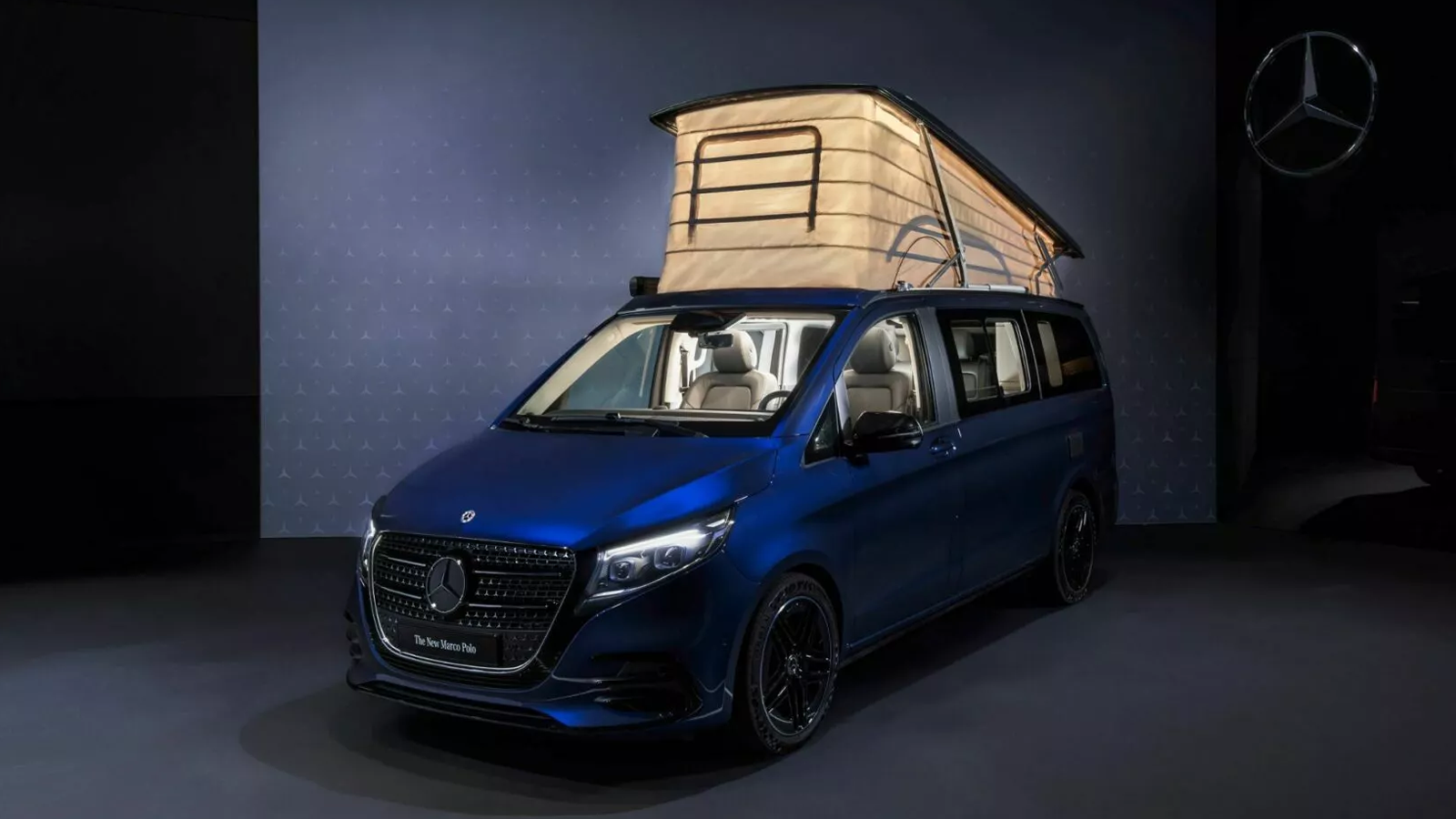
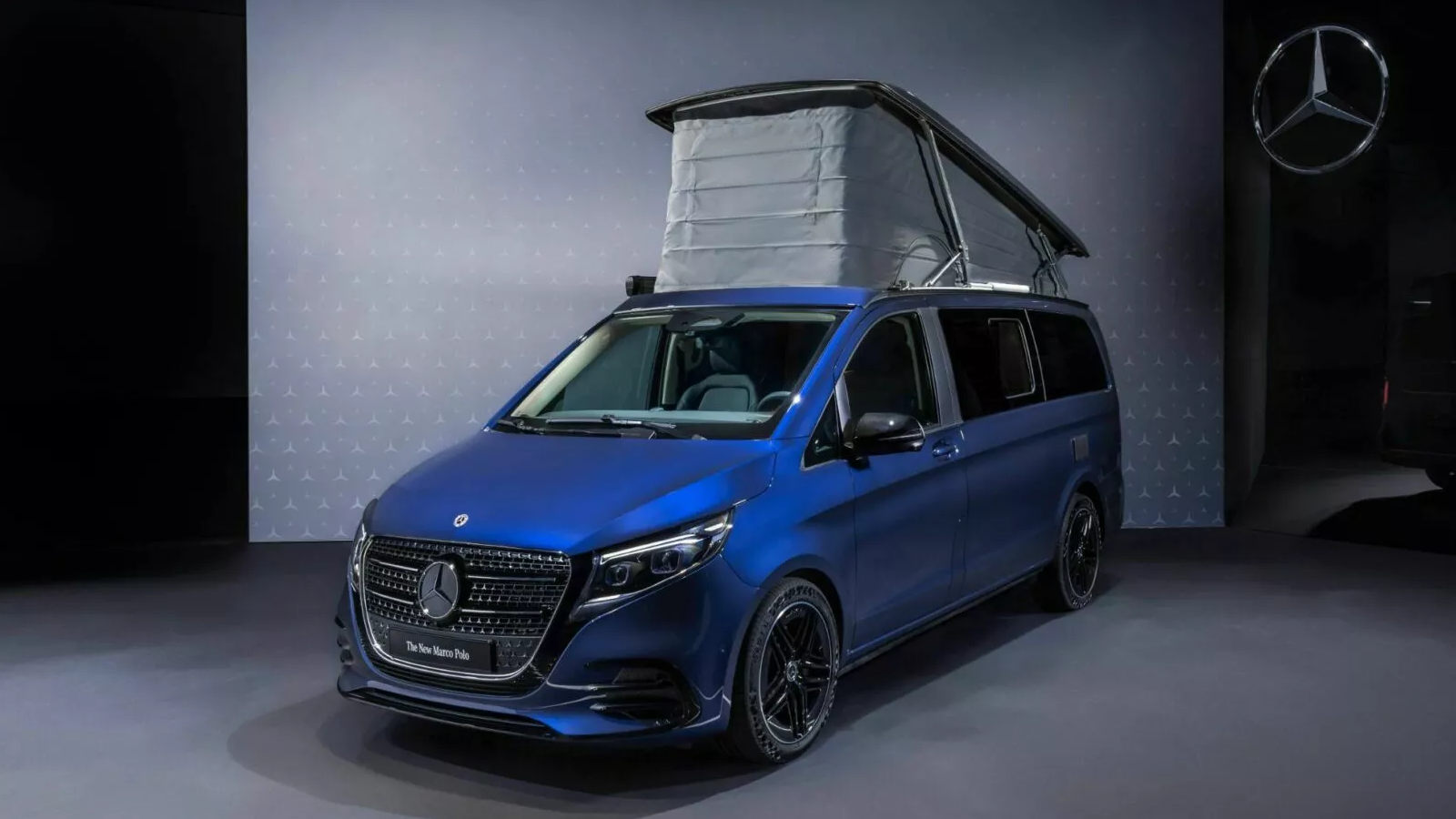
Mercedes-Benz has quietly re-engineered the Marco Polo campervan for the 2026/2027 model years, focusing less on flash and more on smarter living space, in-house quality control, and long-term platform planning.
1. In-House Shift
For the first time in its history, the Marco Polo is now fully converted by Mercedes-Benz itself rather than an external partner. While the base V-Class continues to be built in Vitoria, Spain, all camper-specific work has moved to a dedicated hall at the Ludwigsfelde plant in Germany. Mercedes says the move is intended to ensure tighter quality control and potentially shorten delivery timelines, marking a significant behind-the-scenes change for the long-running camper.
2. Roof Redesign
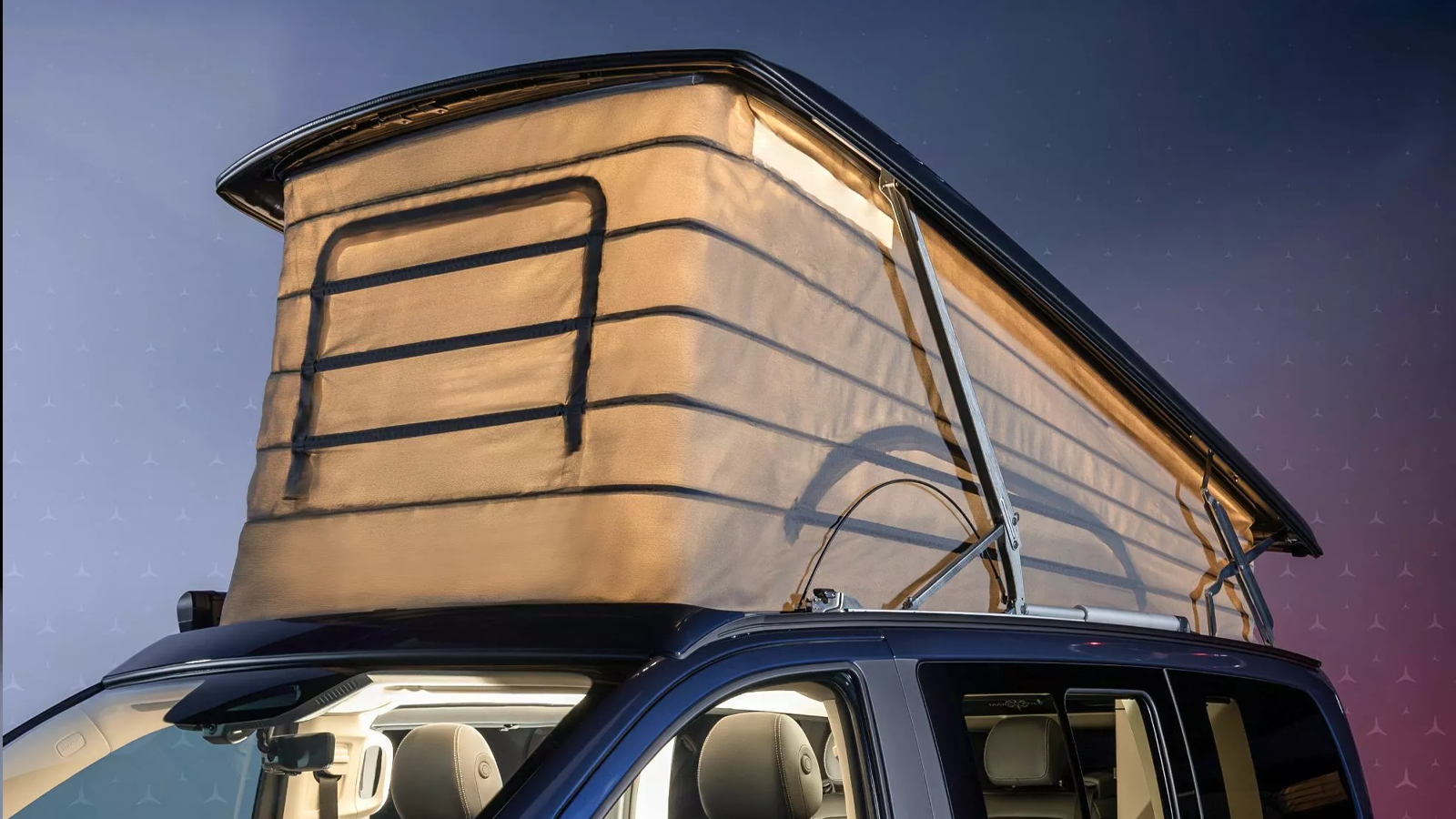
The most noticeable physical update is the new pop-up roof, now made from a lightweight, double-skinned aluminum structure. Mercedes claims improved stability along with better thermal and acoustic insulation in a wider range of weather conditions. Depending on how it’s measured, the roof also adds roughly 10 mm (0.4 inches) to nearly 10 cm (3.9 inches) of extra headroom when raised, improving livability without changing the van’s parking footprint.
3. Upper-Level Sleeping
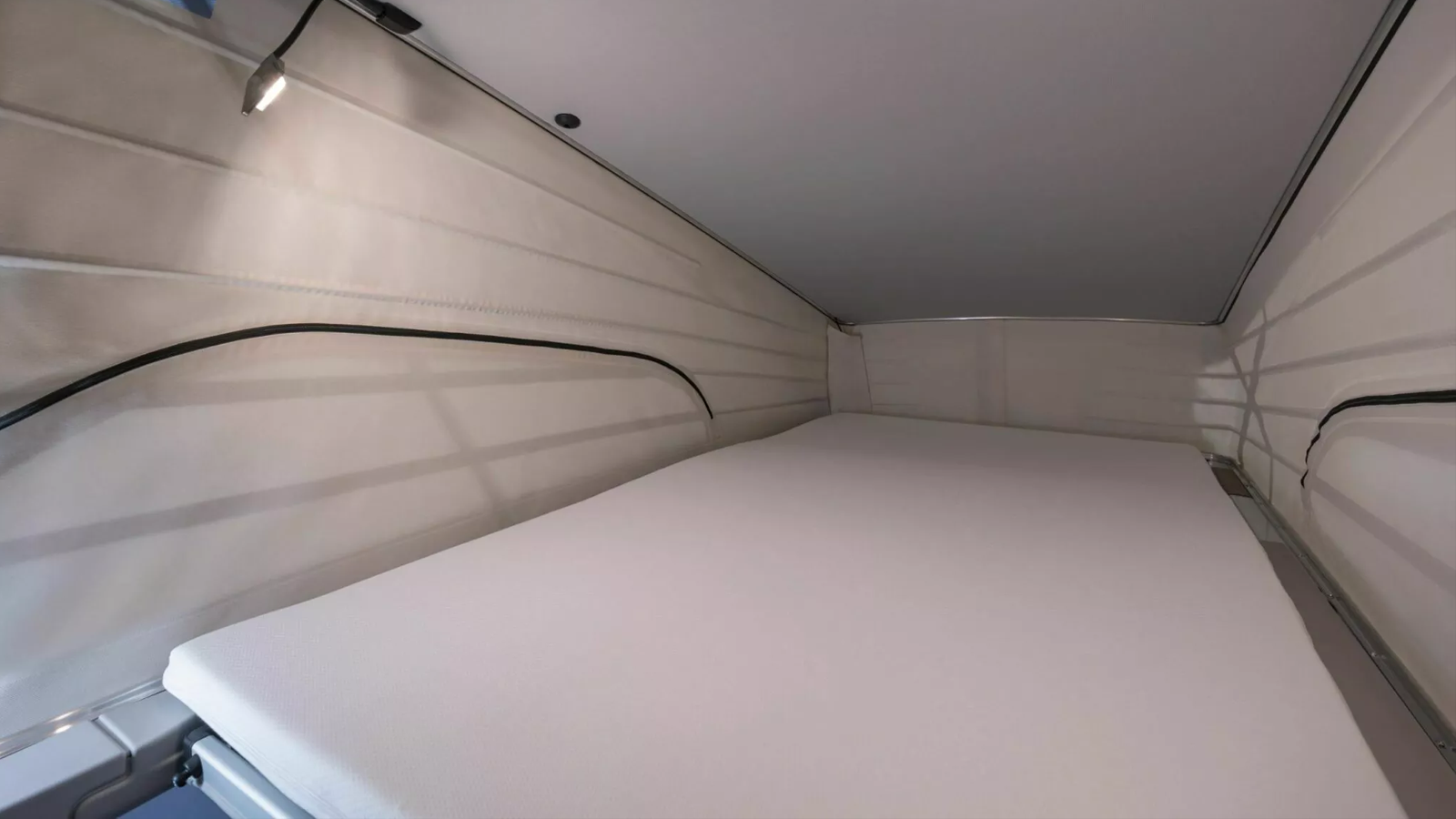
Integrated into the new roof is a fixed bed measuring approximately 2.05 meters by 1.13 meters (6.7 by 3.7 feet). LED ambient lighting is built into the roof structure, with configurable lighting scenarios designed to make the upper sleeping area feel less like an afterthought and more like a dedicated second level.
4. Light and Privacy
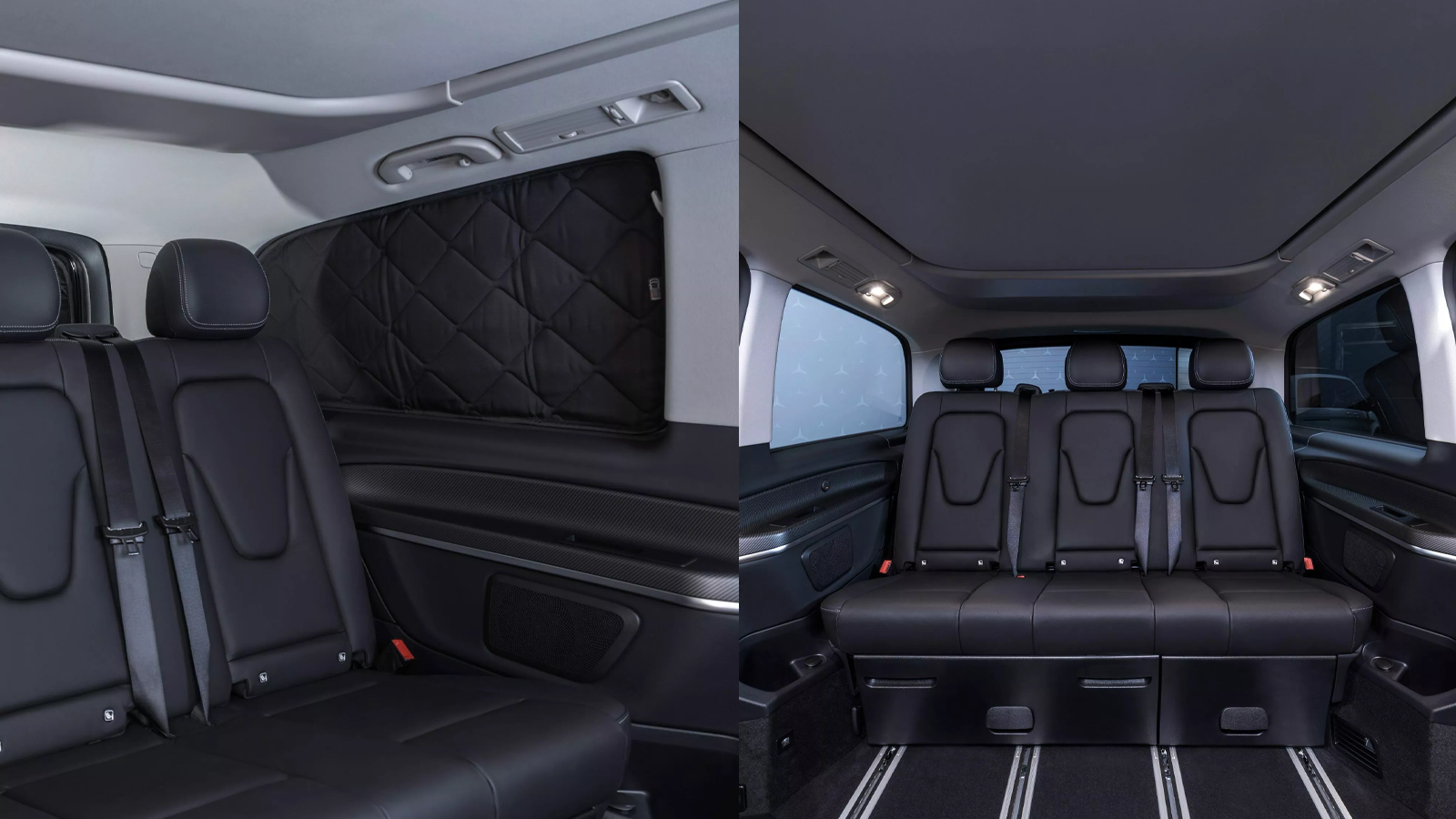
A newly added sliding roof panel allows more daylight into the cabin or a clear view of the sky at night. For privacy, Mercedes has introduced magnetic blackout panels for the cockpit and rear areas, which attach quickly without permanent fixtures. The brand describes the process as providing intimacy “in just a few simple steps,” aimed at making setup faster during short stops.
5. Two-Bed Layout
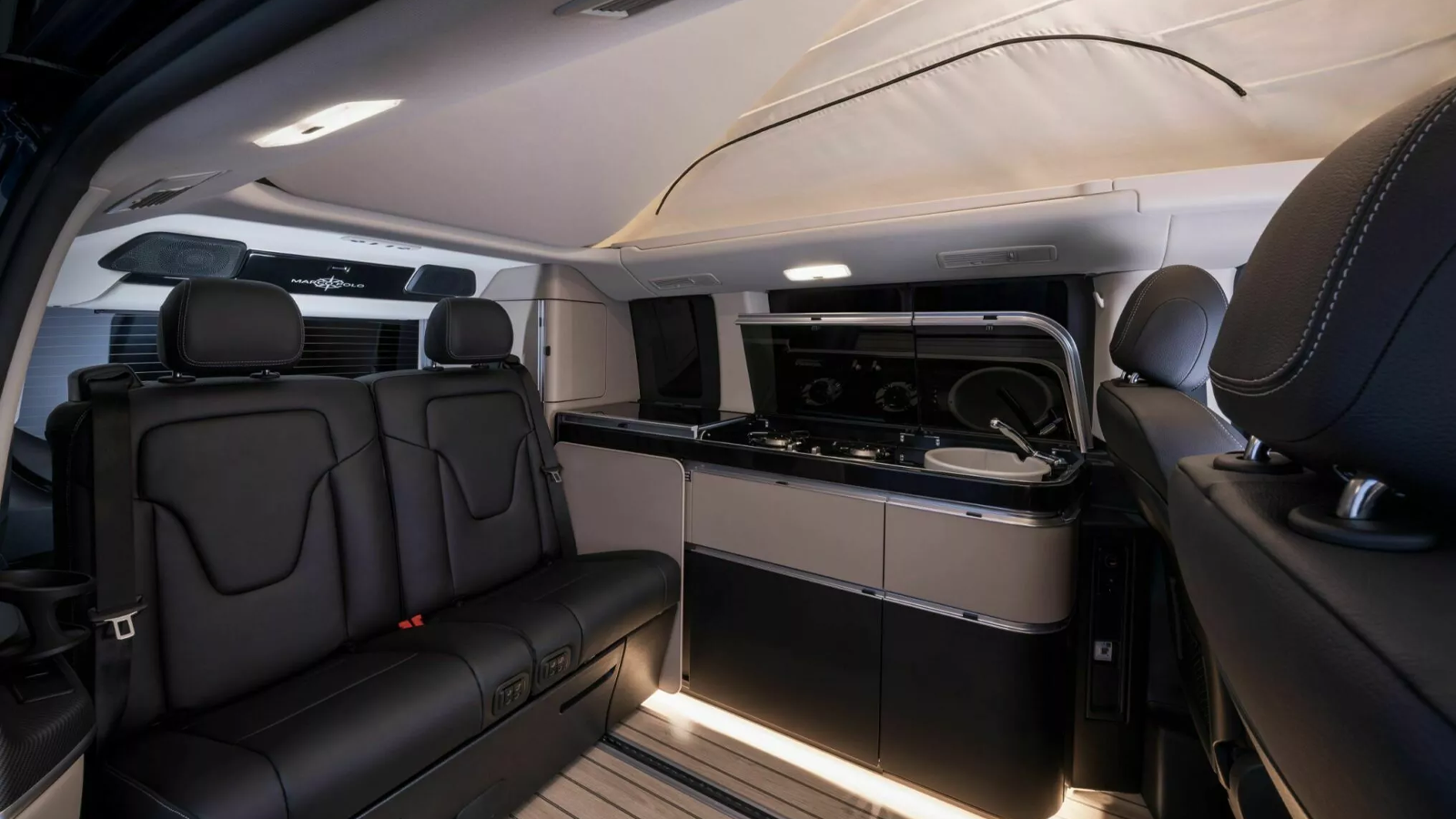
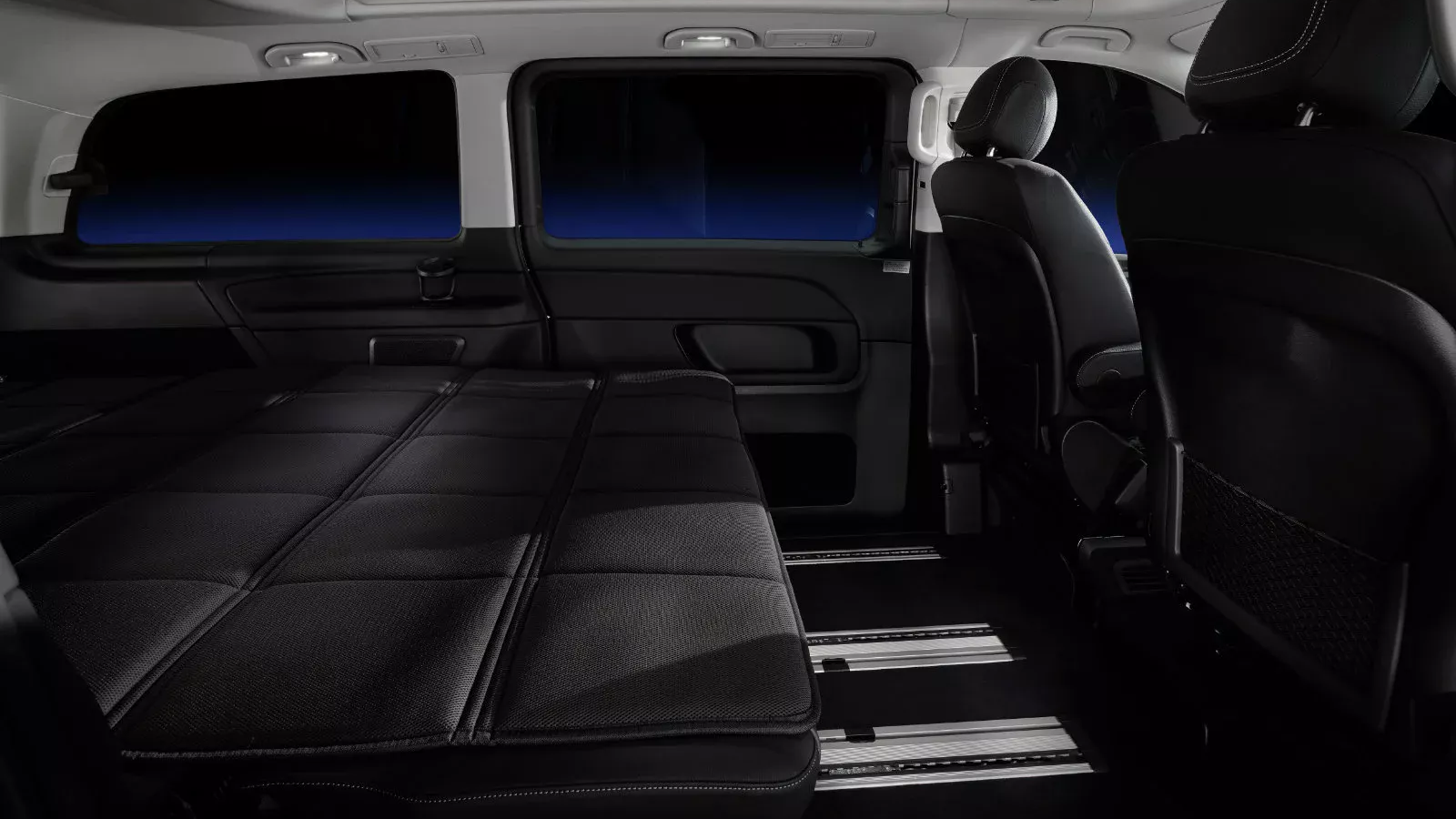
Beyond the roof bed, the Marco Polo retains its flexible rear bench, which folds down to create a second double bed in the main cabin. This dual-sleeping arrangement allows the camper to accommodate multiple occupants without permanently sacrificing seating or storage during the day.
6. Digital Cabin Control
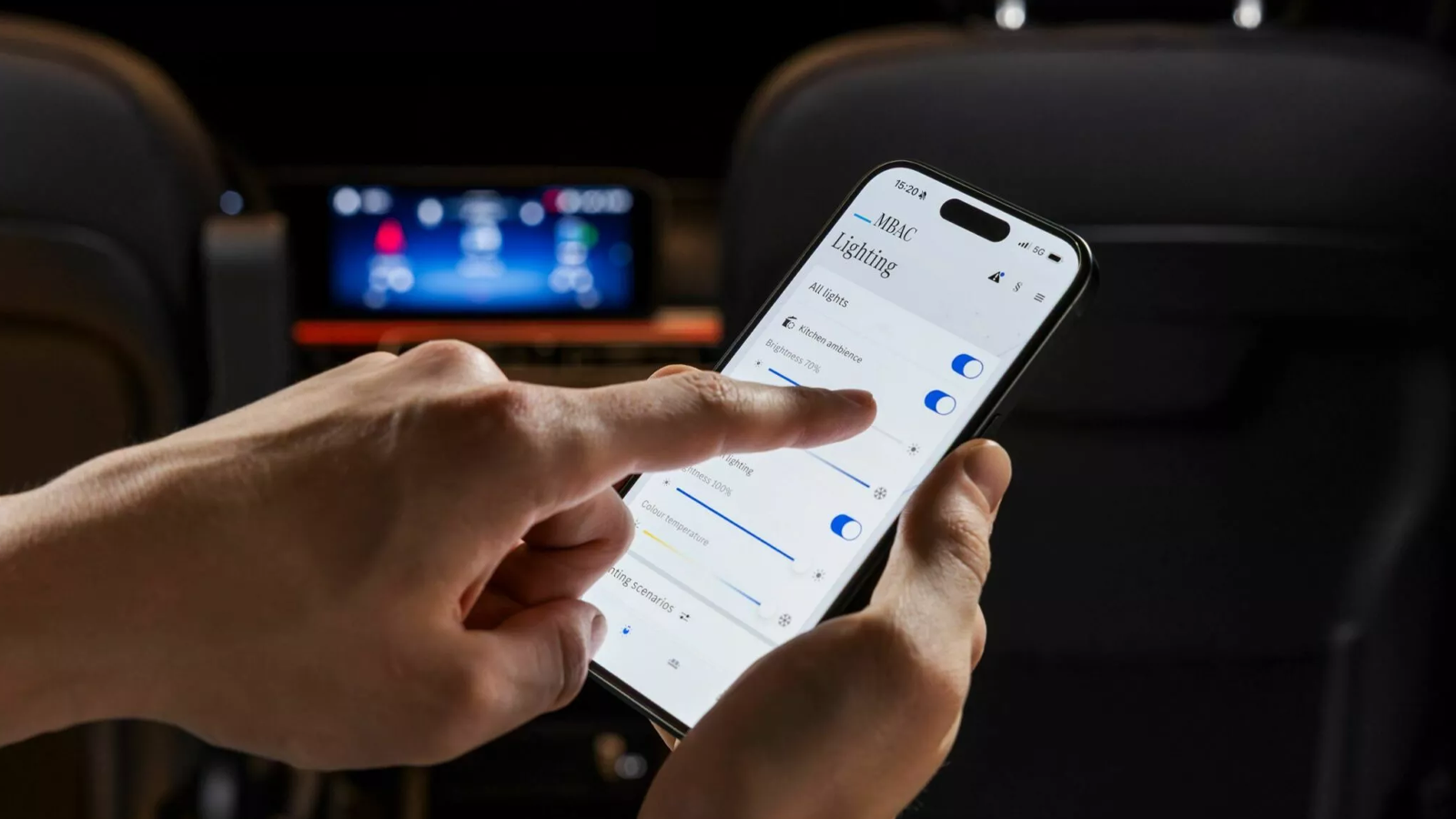
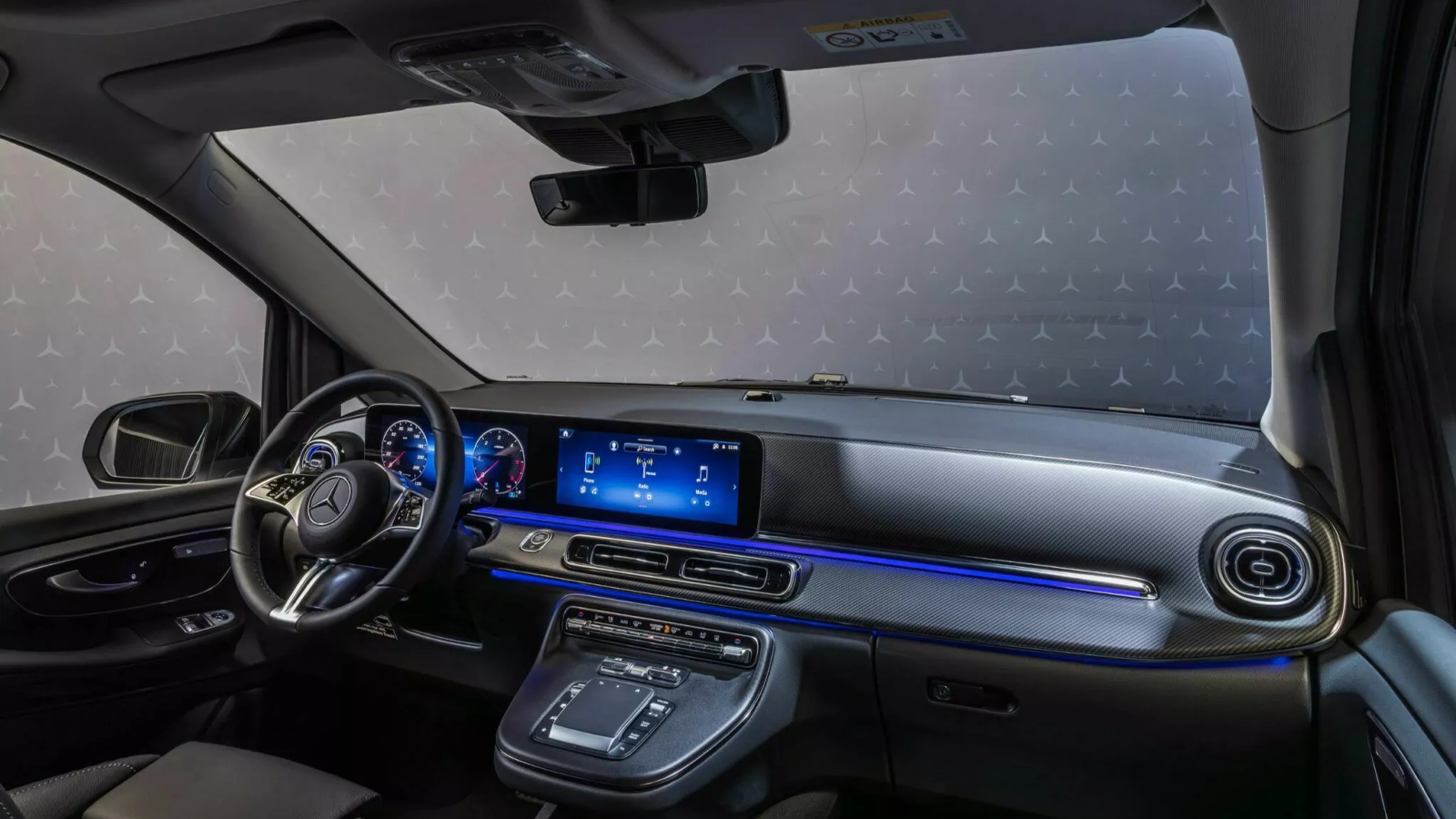
The dashboard layout carries over dual 12.3-inch displays, now running the latest version of Mercedes-Benz Advanced Control (MBAC). The system manages camper-specific functions such as lighting, roof operation, and auxiliary features, either through the vehicle’s screens or a smartphone app. New roof lighting, sound system functions, and sliding roof controls are now fully integrated into the MBAC interface.
7. Refined Interior Hardware
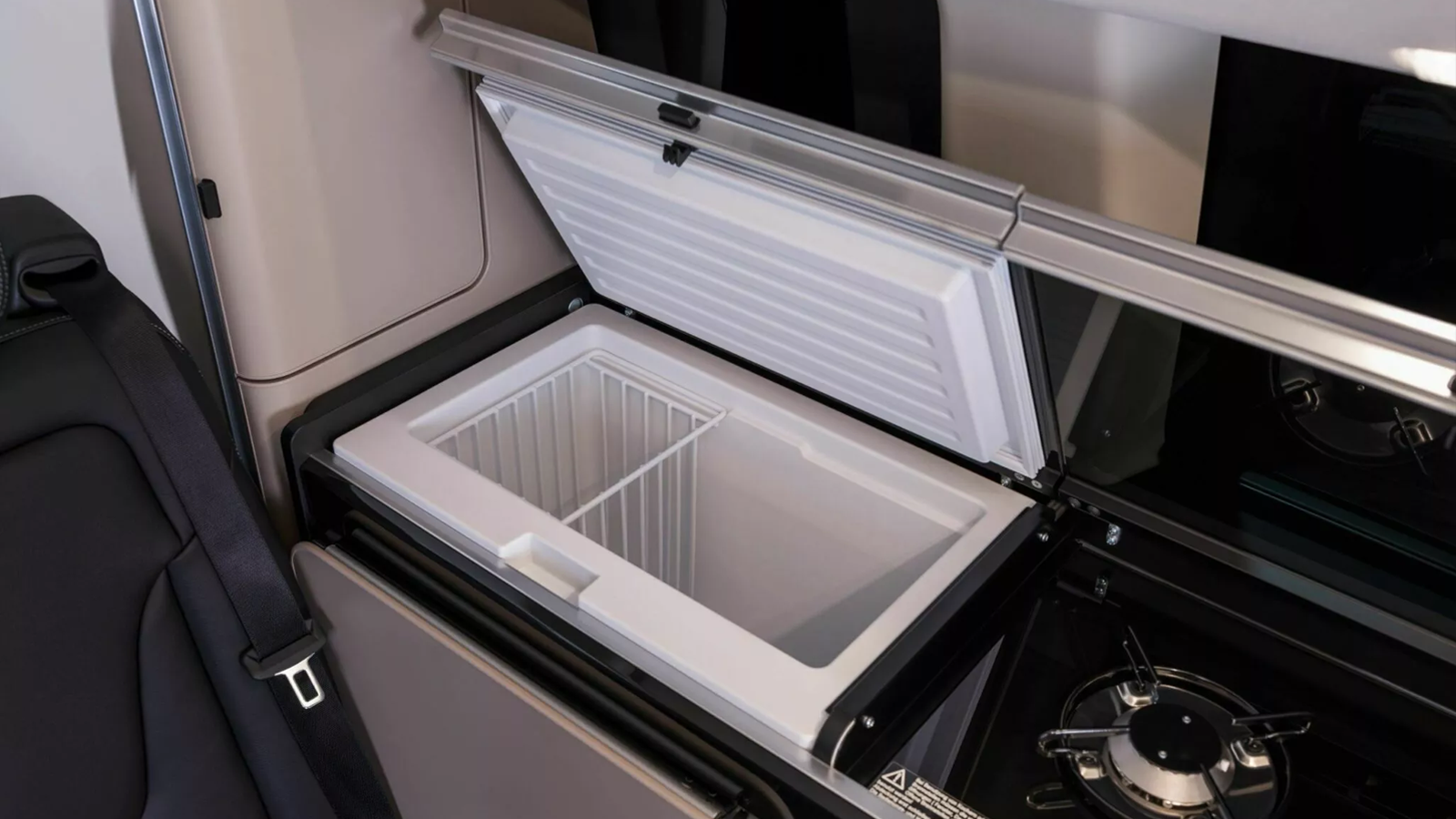
Several small but cumulative changes target everyday usability. Folding tables have been reworked, drawer slides optimized, and the rear bench seat receives a redesigned control panel. The onboard cooler box has also been upgraded for improved energy efficiency, addressing a common pain point for extended trips off-grid.
8. Dedicated Audio System
A new Bluetooth-enabled sound system debuts with eight speakers and a subwoofer, tuned specifically for the camper’s interior acoustics. Notably, it can connect to a smartphone even when the main infotainment system is switched off, allowing music playback while the vehicle is parked and in full camping mode.
9. Unchanged Powertrain
Mechanically, the Marco Polo remains familiar. It continues to use Mercedes’ 2.0-liter turbo-diesel engine, offered in multiple outputs, with the most powerful version rated at 234 horsepower. Power is sent through a nine-speed automatic transmission to the rear wheels or all four wheels in 4Matic form. The existing chassis and optional self-leveling suspension also carry over unchanged.
10. Horizon Alternative
Alongside the fully equipped Marco Polo, Mercedes is again offering the Marco Polo Horizon. This version includes the new roof, awning, lighting, and privacy features but omits the built-in kitchen and wardrobe. It’s positioned as a lighter, more weekend-oriented option rather than a full-time camper conversion.
11. Public Debut Timeline
Both updated models are scheduled to appear publicly at the Caravan Salon Düsseldorf later this year, with order books opening shortly thereafter. Deliveries are expected to begin in the second half of 2026, though pricing has not yet been announced.
12. Next-Gen Preview
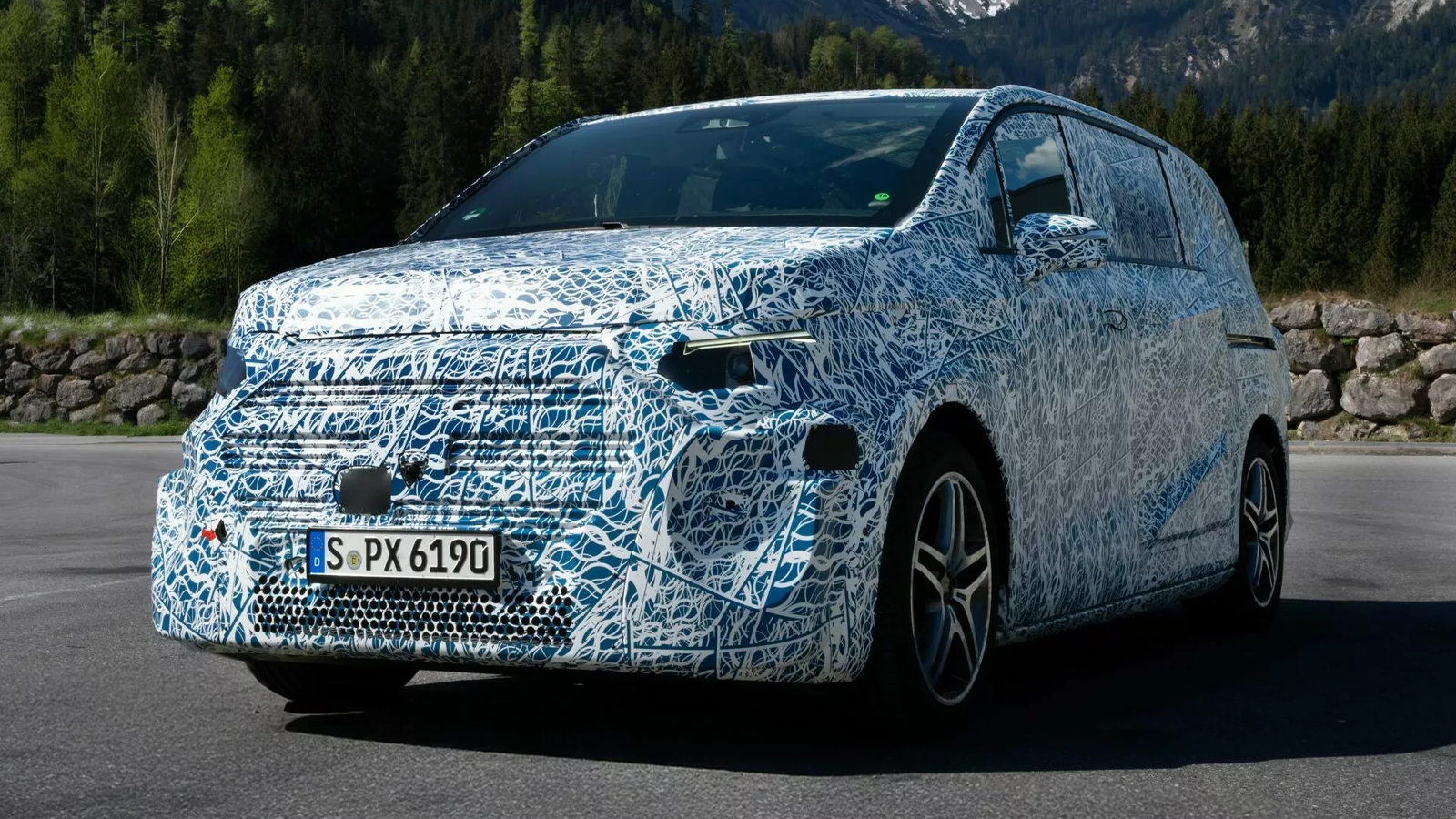
While refining the current model, Mercedes has confirmed that a next-generation Marco Polo is already under development. It will ride on the new Mercedes-Benz Van Architecture, designed to support both internal combustion (VAN.CA) and fully electric (VAN.EA) powertrains. Electric and ICE-based camper variants are expected to arrive before the end of the decade, signaling a broader shift in how Mercedes approaches van-based travel.