When you click on links to various merchants on this site and make a purchase, this can result in this site earning a commission. Affiliate programs and affiliations include, but are not limited to, the eBay Partner Network.
I read about this failure quite often, I mean compared to a rear propeller shaft, the front one failure seems higher by much.
Why is it always the front drive shaft first and not the rear one ? For 4-matic.
"E-Class 4MATIC: stable handling on snow and ice
As with the system’s set-up on a dry or wet road, handling stability and, therefore, active safety are paramount at all times when wintry conditions prevail too in the E-Class models with 4MATIC. The mechanical principle of the 4MATIC system, featuring a 45:55 torque split between the front and rear axles and a multi-disc limited-slip centre differential with a basic locking torque of 50 Nm, offers all the right ingredients for this.
This basic design enables high levels of traction, as the dynamic shift in axle load toward the rear axle that occurs during acceleration is harnessed to deliver more drive torque to the rear wheels. However, the multi-disc differential lock is also able to shift the drive torque between the front and rear axles, varying the split between 30:70 and 70:30 as the road conditions dictate. Consequently, intervention by the ESP®, 4ETS or ASR electronic control systems can be delayed for as long as possible and the bulk of the drive torque converted into tractive power, even on slippery roads. All control system interventions go virtually unnoticed, yet drivers still know straight away if they are driving near the limit, as a yellow warning symbol will flash in the instrument cluster. This serves as a clear prompt to adapt the driving style to the road conditions."
So which one is correct ? - 45:55 torque split between the front and rear axles
or - However, the multi-disc differential lock is also able to shift the drive torque between the front and rear axles, varying the split between 30:70 and 70:30 as the road conditions dictate.
If assuming E550 with stronger torque than a E350 get a more beefed up front propeller shaft, but still within same diameter or strength ratio compared to its rear propeller shaft,
how can something so small is allowed to carry so much torque ?
I’m a little surprised by that to be honest. I expected it to be a bit beefier to managed the higher amounts of torque from the 550 models. A little disappointing for a sticker price of over 70!
The stronger engine does not necessarily mean it puts out more force to cause damage like this. In general the drive system components are designed for the maximum torque they can experience. This torque comes from the vehicle weight and tire friction against road. This means the car must be able to spin all wheels against dry pavement when fully loaded. I believe Mercedes has designed the parts this way with some extra strength for safety. If they did not then it is a serious design flaw.
Bigger engine does not add to this maximum torque the gear train and different shafts experience other than in front the heavier engine causes slightly more friction force on the tires. Stronger engine can make the tires spin faster on the dry surface but the torque still comes from the friction force between tires and dry surface. Faster spinning speed does not cause the break in shaft, the force does.
While driving, the car could “jump” and land hard causing higher than normal force between road and tires, which in theory could cause higher than designed torque in the system but this should not occur during normal use of the car. You are not a rally driver, are you?
The stronger engine does not necessarily mean it puts out more force to cause damage like this. In general the drive system components are designed for the maximum torque they can experience. This torque comes from the vehicle weight and tire friction against road. This means the car must be able to spin all wheels against dry pavement when fully loaded. I believe Mercedes has designed the parts this way with some extra strength for safety. If they did not then it is a serious design flaw.
Bigger engine does not add to this maximum torque the gear train and different shafts experience other than in front the heavier engine causes slightly more friction force on the tires. Stronger engine can make the tires spin faster on the dry surface but the torque still comes from the friction force between tires and dry surface. Faster spinning speed does not cause the break in shaft, the force does.
While driving, the car could “jump” and land hard causing higher than normal force between road and tires, which in theory could cause higher than designed torque in the system but this should not occur during normal use of the car. You are not a rally driver, are you?
This was a common occurrence in snow plow trucks, the driveshaft angle would change under hard use and the rusty old u-joints would snap, we used to wire them up with coat hangers to finish plowing, usually the shaft wouldn't wear through the coat hanger for a couple hours. pretty common in the late '70's especially with the Dodge " Snow Commanders" with full time 4WD.
Without knowing the design requirements for the shaft... its all speculation. The pedigree is 204 chassis-based. Instead of making multiple driveshafts for various engines (HP/Q) it might be cheaper to produce one.
Without knowing the design requirements for the shaft... its all speculation. The pedigree is 204 chassis-based. Instead of making multiple driveshafts for various engines (HP/Q) it might be cheaper to produce one.
Cost to produce the shaft is not an issue for Mercedes as Mercedes does not make these parts. Whoever makes them does it for many car makers so they have plenty different ones in their selection but for Mercedes each part has a cost associated with it and they naturally try to minimize the number of parts. So for that reason the same drive shaft can probably be found in the whole fleet of E-class with the same base.
I'm not saying the transmission is not damaged... but offhand I'd think because the front driveshaft is no longer connected, all the torque it going to path of least resistance. Which in this case would be the broken driveshaft. I think that for three reasons: First, is Arrie's (a member) explanation of the gearing in the transfer case. Second, a member in the middle-east who described disabling 4matics by locking the transfer case output and third, we had to pull in the car to work on it (also not cause additional damage).
I'll need a second opinion..
Under that same breath, putting it in gear and revving it should spin the shaft and flail violently which you'd hear as horrible noise from under the car.
After the putting her up on the lift, the real damage was discovered. The e550 seems to be a total loss. Damage to the transmission, engine block, cats, exhaust, and the 02 sensors. This was my first love for a car and I couldn’t have been prouder buying it myself and modding it the way I did at 19. Very serious turn off from Mercedes-Benz at 72k miles on what was said to be one of the most reliable mercedes of all time.
I totally feel your pain as someone who has had to have his transfer case rebuilt (twice) and front differential replaced. I would follow BMWpowere36M3's suggestion and make sure the transmission is not working before you through in the towel.
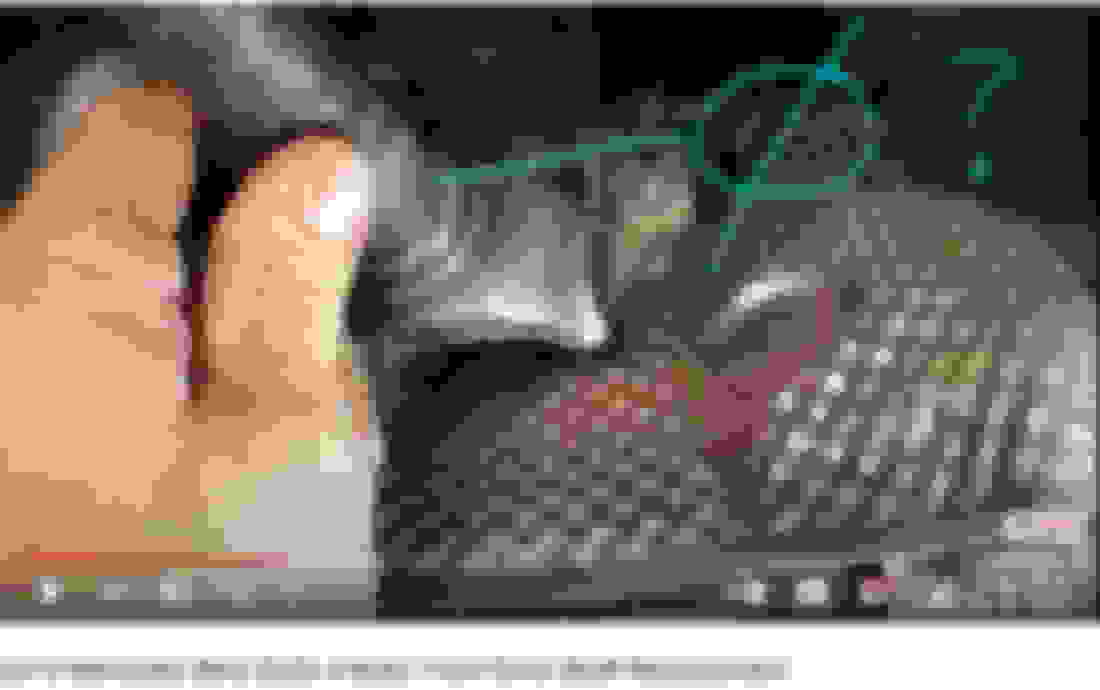
What is causing the shaft to fail? Clearly it is failed at the mounting to the front differential (ie not the shaft). Are U Joints seizing up and should be serviced? Is the mounting failing in fatigue? Looks like overload based on the one picture. Would help to get a good look at the failure surfaces. Is there a suggestion for preventative maintenance? Could this result from bad transmission / engine mounts?
The stronger engine does not necessarily mean it puts out more force to cause damage like this. In general the drive system components are designed for the maximum torque they can experience. This torque comes from the vehicle weight and tire friction against road. This means the car must be able to spin all wheels against dry pavement when fully loaded. I believe Mercedes has designed the parts this way with some extra strength for safety. If they did not then it is a serious design flaw.
Bigger engine does not add to this maximum torque the gear train and different shafts experience other than in front the heavier engine causes slightly more friction force on the tires. Stronger engine can make the tires spin faster on the dry surface but the torque still comes from the friction force between tires and dry surface. Faster spinning speed does not cause the break in shaft, the force does.
While driving, the car could “jump” and land hard causing higher than normal force between road and tires, which in theory could cause higher than designed torque in the system but this should not occur during normal use of the car. You are not a rally driver, are you?
Either they have a quality problem with the mounting flange or this is a design problem. I mean jeeze these things just don't fail.
Just talked to my Indy about this. And he has seen these failures but not super common. When I asked about preventative measures he said that you might be able catch them before the fail by hearing them. He also mentioned they catch them by seeing rust at the joint. If the joint is rusting that would be an explanation. Other than replacing the shaft before hand he said there wasn't any preventative measures that you could take.
Just talked to my Indy about this. And he has seen these failures but not super common. When I asked about preventative measures he said that you might be able catch them before the fail by hearing them. He also mentioned they catch them by seeing rust at the joint. If the joint is rusting that would be an explanation. Other than replacing the shaft before hand he said there wasn't any preventative measures that you could take.
I think its due to corrosion/wear of needle bearings in the spider ("u-joint")... which is not serviceable, either to re-grease or easily replace (staked in, not circlips). The joint develops wear, beats the yoke and eventually is goes. It also doesn't help the flange yoke on the diff side has pretty small ears. Seems the failure is always on the flange yoke ears and not the shaft yoke (whose ears are much beefier).
Mercedes SLR McLaren 722 S Is Extremely Rare Example Modified by McLaren
Slideshow: A one-of-one U.S.-spec Mercedes-Benz SLR McLaren Roadster became even rarer after a factory-backed transformation at McLaren's headquarters.