When you click on links to various merchants on this site and make a purchase, this can result in this site earning a commission. Affiliate programs and affiliations include, but are not limited to, the eBay Partner Network.
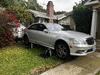
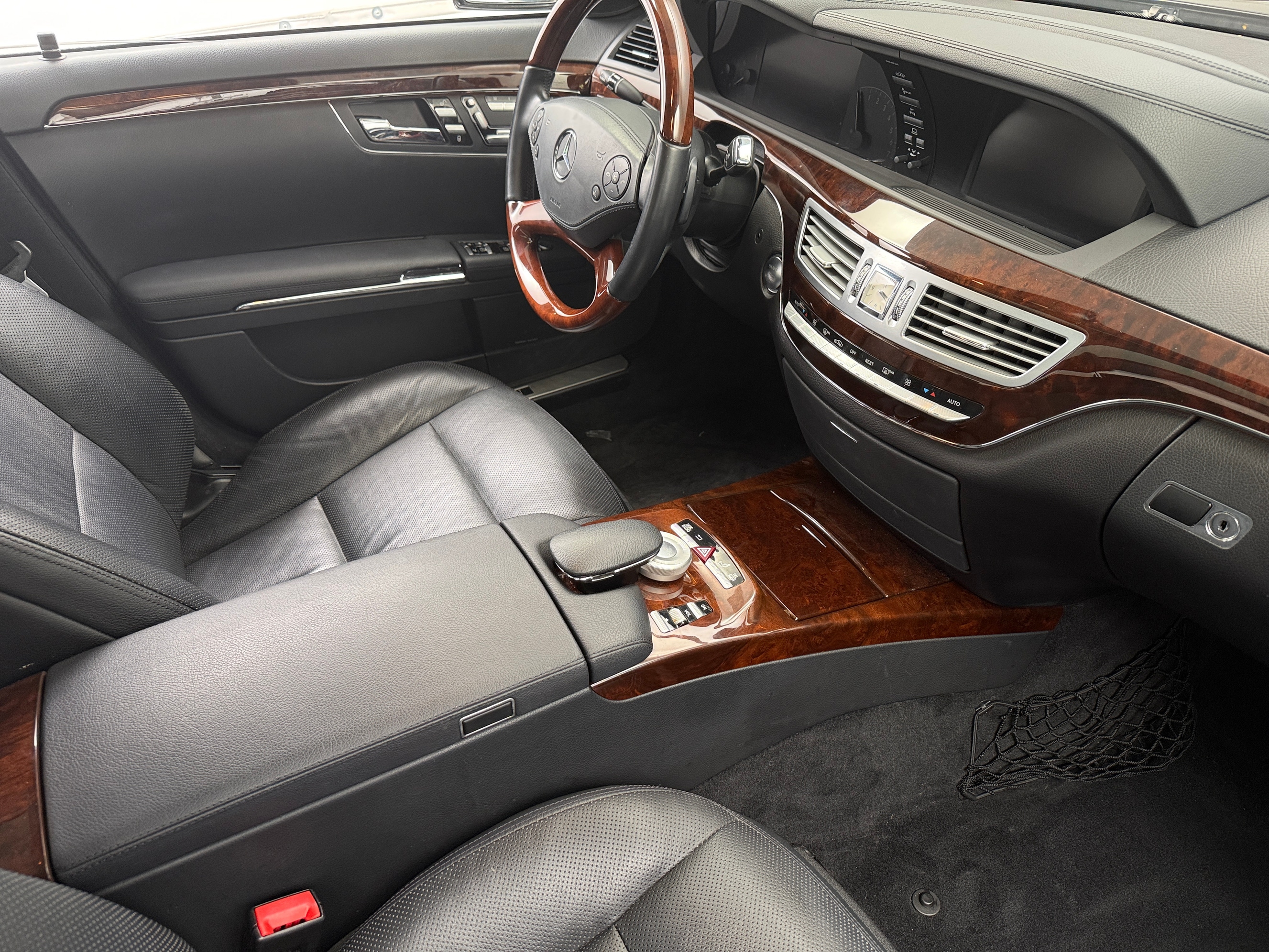
I want to flush my brake fluid on a 2013 Mercedes S550 as the dealership quoted $325. The steering wheel on my car is on left side as you're sitting in it for driving on American roads see pic. Does anyone know the sequence for bleeding the brake lines in layman terms. I realize there may be technical criteria on a per vehicle basis but if theres anything I can answer about my car I'll try to the best of my knowledge so the correct sequence can be determined. I think maybe the only potentially unknown is after I do the Right Rear First and Left Rear Second, which do I do next on the front of the car, but don't quote me on it as brakes are pretty important and I'd rather not make any mistakes. I bought a pressure power bleeder shown below to do the job.
...What order would I bleed the calipers:
1) which wheel
2) which wheel
3) which wheel
4) which wheel
That pressure bleeder you bought is great, I have one.
You want to start bleeding the brake caliper that is furthest away from the master cylinder reservoir. Then go to the next furthest away, then the next and then the one that’s closet to the reservoir. You may then want to do the furthest one away again, but it’s really not necessary.. Keep flushing each caliper until fresh brake fluid is coming out of the caliper.
Just a piece of advice, break the bleeder screw loose with a socket, then use a box end wrench for the bleeding and use that to snug it up when you’re done. There’s lees chance of breaking one using a socket and small ratchet.
Amazon sells a brake fluid moisture checker for $10ish. It’s a good thing to have also.
If you are asking this basic question, it tells me that you havent done this before.
Are you putting brake fluid into the pressure bleeder, or are you going to remove the reservoir cap during the bleeding process and top up the reservoir? You’ll need to top it up several times. Buy twice as much brake fluid as you think you’ll need. Also, be careful not to pump too much pressure on the Motiv and blow a hose off the Motiv. Brake fluid will spray all over your paint. I always have a bucket of water and a rag nearby when I’m doing it.
MY plan is to put 1 1/2 to 2 liters of fluid in the bleeder and pressurize the system so I can do it myself but the order of which calipers to bleed is confusing due to finding conflicting information.
I have seen a lot of people say bleed the calipers farthest from the master cylinder first, then the next farthest and so on until you get to the closest which makes sense, which I would think is the correct way. But a moderator on BenzWorld is saying the below order as shown on a document from WIZ. I believe he got the image off WIZ (Mercedes Benz Workshop Information). (see attached image).
This is the order that document shows:
right rear
left rear
left front
right front
So hell I don't know why Mercedes would say do the left front as the 3rd bleed and the right front as last since right front is further away from the Master Cylinder than the left front.
MY plan is to put 1 1/2 to 2 liters of fluid in the bleeder and pressurize the system so I can do it myself but the order of which calipers to bleed is confusing due to finding conflicting information.
I have seen a lot of people say bleed the calipers farthest from the master cylinder first, then the next farthest and so on until you get to the closest which makes sense, which I would think is the correct way. But a moderator on BenzWorld is saying the below order as shown on a document from WIZ. I believe he got the image off WIZ (Mercedes Benz Workshop Information). (see attached image).
This is the order that document shows:
right rear
left rear
left front
right front
So hell I don't know why Mercedes would say do the left front as the 3rd bleed and the right front as last since right front is further away from the Master Cylinder than the left front.
I think MB instruction should actually say:
1. Left Rear
2. Right Rear
3. Left Front
4. Right Front
This because the ABS valve block is located in the right side in the engine bay.
And does it really matter that much anyway...?
I use a vacuum instead of pressure for thye job but of course I need to use an air compressor with it.
Makes the job cleaner though as the vacuum sucks up the fluid at the bleed stem.
I'm not sure, but to bleed the system correctly you may need to run the engine and apply brakes slightly for ABS control module flush?.
I know one thing, all the confusion regarding things like this is certainly job security for the dealerships when people give in because they cannot find a strait correct answer to how to perform their repair. I really hate having to give in to them because every time I do they over charge for things that were not needed and their prices tend to change daily like the airline ticket prices. 3 days ago I bought one liter of brake fluid DOT 4 from a dealer for $30 and today I went back to the same dealer and the same fluid was $50. I think the parts depts at the dealers make their own prices by the day because this same thing has been happening at two other dealers I've used in the past. These forums could really benefit from someone who knows exactly the answers we seek, to cut into the dealer profits because its just not honest doing business that way today. Obvious theft of consumers who are just trying to keep their cars running.
which you bleed in what order is pretty irrelevant - thinking here just for fun - the idea of starting at furthest means you'll flush the most crud out of the master cyl using more fluid - if you did closest it would be clean faster which is good - but then again it should look like new anyway - unless the car servicing was abused
the idea is to get all lines and most of the caliper crud out - and fresh air fee in - the order never changes that...
the interesting part and I never tried it on a car - 2006 to 2014 BMW bikes use the very same ABS module (they just use the ESP feature for basic traction control and to link front and rear brakes rather than dancing pressure to 4 wheels when overdoing it). The dealer tools for the bikes have lots of special ABS module bleed processes - and the aftermarket ones playing catch up have been adding more and more of this weirdness for 8 plus years - the latest tweak to my bike tool this year runs the ABS pump in some cycling silliness as you operates the brakes 3 times front, 3 time rear (all pipes full and tight and all bleed nipples closed) during 40 seconds of ABS module noise - and magically the sponginess in the levers transforms from a bit spongy to rock solid.... I had always wondered why the dealer bleeding the brakes gave a very solid lever feel and when I did it it was far more spongy !
Before you do this job, watch some ChrisFix videos on YouTube. He does an excellent job explaining how to do a brake flush, among other things. Also, you mentioned buying DOT 4...you need DOT4+ from Mercedes, unless someone can correct me that the + is just a scam by MB to sell us more overpriced stuff. Part price fluctuation...I see this also...just crazy. I've been watching ABC pumps go in and out of stock. I got mine for like $880. It was briefly back in stock for over $1,600, now out again.
there are different viscosities - circa 2011 Ford went to really light weight stuff - I presume it was designed to better allow the fluid to race around the ABS module so ESP etc. can respond faster
the difference is massive the older stuff was like conventional brake fluid thicker and more syrupy and the later stuff more like water... what the lube properties are like I have no idea - but it was also around this time it became clear most ABS units on ESP equipped cars last less than 5 mins
as we have so many Merc fan boys only wanting to use genuine parts - I'm astounded any of you attempt to use anything but Merc fluids....
Brake fluid flush is easy after doing it once. I do it every 2yrs when the brake fluid looks dark brown, new fluid is much lighter like gasoline.
Can get Mercedes Dot4+ brake fluid cheap on ebay which is where I buy it. I only buy 1 bottle since it takes less than 1 to do a full flush. I will pour the entire liter in the brake bleeder but always have some left over to drain back out.
When starting I will use a piece of tape and mark the current level of the brake fluid in the reservoir. Unless you are replacing pads and rotors you want the fluid level to be the same after the flush. Then I will suck out as much old fluid as i can then completely fill the reservoir with new fluid, then hook up the pressure bleeder. Pump up the bleeder to 10-15psi.
Follow torque specs for the bleeders. They arent on really tight.
The brake lines are thin so it doesnt take alot of fluid to flush them. According to the manual the W221 system holds 0.5l. Most of that is in the reservoir.
When done i'll release the bleeder pressure and suck out some fluid from the reservoir so the level is back at the taped line I made. Pour any extra fluid back in the container and save for fun. I have saved fluid from 3 flushes ago and it still looks new and shows no moisture with my cheap tester. I use a new fresh container of fluid every flush, just saying it doesnt really go bad if kept in the container and stored. This saved fluid came in handy when I replaced a rear brake line, I used it just to make sure the reservoir doesnt go dry when splicing in the new line. And i only bought the tester because it was less than $2 on ebay so figured lets see the condition of the stored fluid. I'll probably never use it again because you can easily go by the looks of the fluid to know when to change it.
Testing container of new just opened fluid:
Testing unused fluid store in previously opened container:
I found some more photos of my last brake fluid flush because who doesnt like seeing photos.
Can see the tools I used. The wrench wasnt really needed since a socket fits over the bleeder just fine plus you need a socket for torqueing them down anyways.
I wish I had clear tubing for the fluid catch container, the Amazon listing lied and they sent me that not-so-clear tubing.
Mark the current fluid level in the reservoir.
Only used 1 container of fluid for the flush.
I made marks on the catch container just to give me an idea when the new brake fluid should be coming thru. I figured 200ml for each rear line and 100ml for each front line. The actual fluid amount was much less and ran clear before hitting those marks. Can see the total amount of fluid I removed when done.
Then you can see the difference between new fluid vs used fluid.
*Forgot to mention. pressure test the bleeder ahead of time. With mine the cap for filling the fluid has to be on really tight using that tool or else it will slowly lose pressure.
I found out the correct sequence to bleed the brakes during a flush at home on my 2013 W221 S550. According to the dealership as well as FCP Euro the following is the correct sequence when bleeding the brakes without the special software Mercedes uses:
Right Rear
Left Rear
Right Front
Left Front
It appears the confusion with many is the ABS pump that sits atop the passenger side wheel making you think that would be the shortest line to do last. However I learned that the ABS pump is irrelavent if you are bleeding brakes at home without the fancy computer the dealer uses because you are only bleeding the lines between the calipers and the master cylinder therefore the line closest to the MC is the last one to bleed. See the explanation FCP Euro gave me below.
Nolan S
Customer Service Technical Specialist (FCP Euro)
Nov 11, 2025, 2:43 PM EST
Hello,
Yes, this would still be the proper procedure, as your ABS module does not get drained when performing a standard brake bleed on the rest of the system. The ABS module does not get drained nearly as often as the rest of the braking system. In order to drain the ABS module you typically would need specialty software to do this. For a normal brake bleed, kindly follow the procedure Nick V sent earlier.
Let me know if you have any questions!
Best regards,
Nolan
Quality & Service, Guaranteed for Life
Someone mentioned I was using DOT 4 but should use DOT 4 Plus, no worries as I just left off the PLUS when I said it before, that is what the dealership sold me. One liter was $30 and then 3 days later I went back to get a second liter just incase the Power Bleeder gets too low and they charged me $50. Same dealer parts desk. I have a feeling the dealer is leaving it up to the parts staff to name their own prices on the spot because this type stuff has been happening before this which is why I try not to let dealerships touch my car unless its something I cannot do.
I had a 2013 W221 until it was totaled. Now I have 2012 W221.
In both cars the ABS control module with valves etc definitely is mounted in the right front corner of the engine bay. Absolutely is.
The ChatGPT says it is on left slightly ahead of the master cylinder. Even after asking it to confirm it says the same. Total bogus.
In most cars the ABS module probably is close to the master cylinder but our W221 is not like most cars.
At risk of being rude, if you can see where it is on the actual car, why on earth would you even think about asking AI where it is🤯
As a basic guide:
On non ABS cars, start at the corner furthest from the master cylinder.
On ABS cars start from the corner furthest from the ABS module.
Depending on the car, these can be the same order. Either way, NEVER let the reservoir run dry. If you do you'll need to use Xentry to run the ABS pump to bleed the ABS block correctly. Failure to get that right if it comes to it can result in total brake failure when you need it most. Worth noting that the W221 can brake by itself, ie if slowing down using cruise control or distronic or hill hold.
Follow WIS and you're not going to go too far wrong.
I was researching online ahead of time while killing time in the hospital and could not just pop the hood and look because the car was 100 miles away and its something I'm unfamiliar with. So I always try to research stuff online ahead of time. I come to the forums sometimes as part of that research.
At risk of being rude, if you can see where it is on the actual car, why on earth would you even think about asking AI where it is🤯
As a basic guide:
On non ABS cars, start at the corner furthest from the master cylinder.
On ABS cars start from the corner furthest from the ABS module.
Depending on the car, these can be the same order. Either way, NEVER let the reservoir run dry. If you do you'll need to use Xentry to run the ABS pump to bleed the ABS block correctly. Failure to get that right if it comes to it can result in total brake failure when you need it most. Worth noting that the W221 can brake by itself, ie if slowing down using cruise control or distronic or hill hold.
Follow WIS and you're not going to go too far wrong.
Yes, you are rude.
Seems you didn’t happen to notice that I was replying to someone else’s post who had asked Google AI. Just showed the example using Chat GPT how wrong it can be.
I know where my ABS module is. I even replaced the harness shell as the levers broke trying to disconnect it.
Seems you didn’t happen to notice that I was replying to someone else’s post who had asked Google AI. Just showed the example using Chat GPT how wrong it can be.
I know where my ABS module is. I even replaced the harness shell as the levers broke trying to disconnect it.
Apologies for misquoting, it was aimed at the post you quoted.
One thing I find with this site is that people just jump on historic threads rather than posting fresh. The site then directs you to the first unread, so I replied to the first thing I saw about asking chat gpt a question that would have been better answered looking under the bonnet, or looking at an image of under the bonnet rather than asking a robot that doesn't actually know. AI being riddled with confirmation bias rather than accuracy.
Mercedes SLR McLaren 722 S Is Extremely Rare Example Modified by McLaren
Slideshow: A one-of-one U.S.-spec Mercedes-Benz SLR McLaren Roadster became even rarer after a factory-backed transformation at McLaren's headquarters.















 Nolan S


