When you click on links to various merchants on this site and make a purchase, this can result in this site earning a commission. Affiliate programs and affiliations include, but are not limited to, the eBay Partner Network.
R230, C5 Corvette Convertible, Audi Allroad, Lexus RX350, AE86 Hachi Roku
ABC high pressure line / Pulsation Dampner
Does the high line from the pump get its first pressure adjustment at the Pulsation Dampner?
Could it account for a total front ( both sides ) pressure loss after engine shutdown just in the fronts if all systems up front check out?
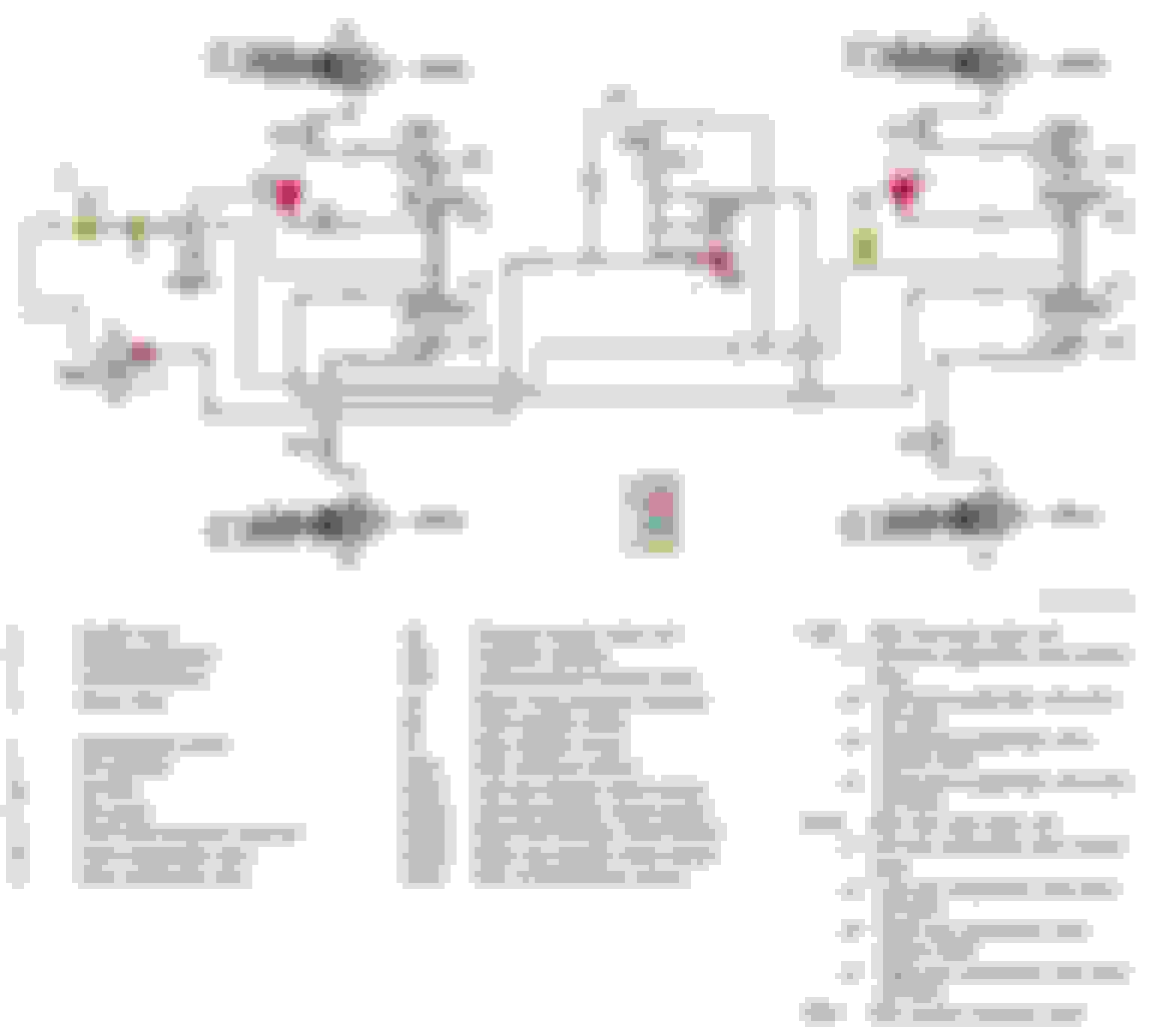
I'm no expert in this, but I'm learning. The output hose from the pump goes first to the front axle valve unit. But, the WIS diagrams show it connecting first to the pressure supply valve, behind the left front wheel. Here's a thread discussing a leak where I posted some docs:
R230, C5 Corvette Convertible, Audi Allroad, Lexus RX350, AE86 Hachi Roku
Thanks for the reply Rudeney. Might be just me, the thread isn't showing.
From this R230 schematic, the high pressure side shows the Pulsation Damper as the first point of high pressure adjustment that could effect the front (only) to lose pressure and drop when it sits with the engine off.
From this R230 schematic, the high pressure side shows the Pulsation Damper as the first point of high pressure adjustment that could effect the front (only) to lose pressure and drop when it sits with the engine off.
The output from the pump first goes to the pressure supply valve unit, as shown on the schematic you posted.
When the engine is shut-off the pressure in the system rapidly decays. The pump quits making pressure, of course, and the front and rear accumulators as well as the pulsation dampener lose pressure as they empty. I believe Star Diagnosis has a test which monitors that rate of decay to discern the health of the accumulators.
If your vehicle is dropping with the engine off it is a failure of the front valve block Y36/1 to seal-off the front struts from the pressure supply and return lines. In this state all four valves within the block should be closed.
R230, C5 Corvette Convertible, Audi Allroad, Lexus RX350, AE86 Hachi Roku
Originally Posted by bobterry99
The output from the pump first goes to the pressure supply valve unit, as shown on the schematic you posted.
When the engine is shut-off the pressure in the system rapidly decays. The pump quits making pressure, of course, and the front and rear accumulators as well as the pulsation dampener lose pressure as they empty. I believe Star Diagnosis has a test which monitors that rate of decay to discern the health of the accumulators.
If your vehicle is dropping with the engine off it is a failure of the front valve block Y36/1 to seal-off the front struts from the pressure supply and return lines. In this state all four valves within the block should be closed.
True the pressure supply valve unit in total is first control on the high pressure side.
OK that being said; following the diagram of the high pressure line inside the pressure supply valve unit the pulsation dampner is it's starting point but yes the pressure supply valve unit is #1
The car just completed a 1400 mi trip last night. ( I started this thread half way thru. We went to Reno for Hot Aughust Nights.) It worked fine as long as I pumped up the suspension on startup. Arriving home late last night and parked overnight is now presenting itself like the rear Accumulator and possibly even the rear valve block has lost pressure holding capability.
So now I need to do a Rodeo (possibly x2) to see if I can get an SDS reading to prove a specific area leak down and go from there. Guess it would be prudent to also pull the undercarriage panels and check all the hoses for aging and cracks while I'm this far into a possible rebuild.
Overall the car runs very well and it's worth fixing this right
Hary, see attached. I'm betting forget the dampener, it'll be the valve
block(s). Thinking at bit more I wonder if the Star system can tell you if the valves get the appropriate electrical signal to turn off at motor shutdown. If both front and rear are acting up at the same time I would see if some signal may not be reaching them as it should
R230, C5 Corvette Convertible, Audi Allroad, Lexus RX350, AE86 Hachi Roku
I appreciate the reply moretech
Prior to roadtrip no 153- codes so not likely either valve block. Before we left for our trip it held rear pressure continuously while the front valve block is a fully rebuilt unit that held pressure for a couple weeks. Which is why without throwing any codes I'm Leaning towards Pulsation dampner and as of today very possibly the rear Accumulator.
Front also is fitted with a brand new Accumulator
So I won't have concrete info until tomorrow when I plug in the Star. Do a Rodeo and see what jumps off the screen at me
...I'm Leaning towards Pulsation dampner and as of today very possibly the rear Accumulator.
You have Star Diagnosis, and I assume you have the WIS.
Have you read the functional description of ABC? All of it? And about the diagram you posted...Do you completely understand it? If you answered "yes" to all of these, how can you possibly believe the dampener or an accumulator could cause your problem?
Maybe you know something that moretech and I don't, and Rudeney wishes to learn...
I am a complete neophyte, so consider my input as such. Couple weeks ago after a drive, i noticed some fluid around the front left tire. No leaks could be found, but evidence of fluid coming out of the ABC reservoir was evident. Research and help from guys on MBW suggest my condition is a failing or failed accumulator.
From all of my research thus far, the classic ABC fluid burp from the reservoir is a telltale sign of an accumulator going bad. Unless you have experienced this, I would be looking elsewhere for the problem.
Regarding RODEO. From some reading this morning, I learned that RODEO raises fluid temps higher than normal driving conditions. This is a good thing as it can dislodge debris which actually could be your problem.
From my reading thus far, (remember I am a dumb **** when it comes to this stuff), I would replace the filter, then RODEO, (read output of course) then replace filter again. If that doesn't solve the problem, it is a valve block.
Cal1! Did you get a noise after the burp? Was it a pulsation dampener that failed? I read about wining or droning noise if they fail as well as the burp. I wish our many forum members would sign in and comment on the failed pulsation dampener problem. And also if they had that failure did any other signs of failure show up besides the burp and noise. moretech
'07 R230. Pulsation dampener failed at around 45,000 miles. I was driving along and suddenly a whining noise appeared ... directly related to engine rpm. The white "ABC Malfunction" [I forget the exact phrase, but it was something like that] light appeared on the dash, but quickly went away and never reappeared. My first thought was that an engine pulley, or maybe the belt tensioner, had gone bad. But an examination with a stethoscope disclosed that all the noise was coming from the pulsation dampener, which is mounted on the ABC/power steering pump unit. No leaking or burping of hydraulic fluid occurred.
Cal1! Did you get a noise after the burp? Was it a pulsation dampener that failed? I read about wining or droning noise if they fail as well as the burp. I wish our many forum members would sign in and comment on the failed pulsation dampener problem. And also if they had that failure did any other signs of failure show up besides the burp and noise. moretech
No noises at all, just a burp of fluid after shutting down the car. Here is a excerpt from a guy who has done a rather comprehensive write up on ABC
1) The pulsation dampener fails. The rubber membrane inside of it eventually breaks down, and the dampening ability is lost. You will hear a humming or whining sound caused by the fluid vibration. The ABC system will function normally though, although the vibrations will stress the system if not addressed. I don't believe the control module will notice this, so no error codes or warning messages will appear. Just an annoying hum or whine, most noticeable with the top up and driving at slow speed around parking lots.
2) The pressure limiting valve could be opening at too high a pressure. There aren't any error codes for excess pressure, so the control module will likely not notice this. The control module will still regulate pressure by controlling the intake valve (suction restrictor) to the pump, so the system will probably work fine, except for spikes in pressure at times which would add stress to the ABC components. Valves of this nature are generally pretty reliable, so I don't this this is a very likely scenario.
3) The pressure limiting valve opens at too low a pressure. I don't think it is a likely scenario but it is theoretically possible. In this scenario the control module will sense the need for more pressure and tell the suction valve on the pump to open up, and meanwhile the pressure limiting valve will constantly route all that extra fluid back to the reservoir in an endless loop. If the pressure that this is occurring at is below the acceptable pressure to operate the ABC system, the control module will shutdown the ABC system and display a warning on the dash. If this endless loop is occurring at a pressure above the minimum but below the ideal, then the system will operate normally but the pump will be working extra hard. I'm guessing the control module would not notice this situation. It won't be able to tell the difference between a weak pump and a pressure limiting valve letting off pressure too soon. But a constant 5V at the suction valve would indicate the pump is working full throttle all the time.
4) The pressure sensor is not working correctly. It could fail. There could be a loose connection between the sensor and the control module. It could be sluggish in responding to pressure changes. Or it could just be wrong about the pressure it is sensing. The control module is able to detect a loose connection or a completely failed sensor and log an error code to that effect. If the sensor is bad, SDS will report no pressure and/or an error code for the sensor, but the car will still rise when pressing the ride height button. If the sensor is reporting higher than normal, you will likely see frequent "too low" error messages since the system can not keep up with demand. The ride will cause get bouncy and handling will deteriorate since the system cannot add fluid to the struts fast enough to meet demands. If the sensor is reporting lower pressure than actual, then either 1) in extreme cases the control module will think the system is below normal operating pressure and will shutdown the ABC system along with dash warnings and error codes. It could mimic a pump failure. 2) if a minor case, the normal drops in pressure will be more exaggerated from the control module's perspective, leading to intermittent "drive carefully" messages and occasional ABC system shutdowns.
5) Occasionally the o-ring that provides the seal for the pressure sensor will fail, causing a fluid leak. There is a repair kit available (part number A2203201158) for approximately $80. Don't let the workshop convince you that you need to replace the entire assembly, a $1,250 part. If the kit is not available, the shop should be able to improvise something.
R230, C5 Corvette Convertible, Audi Allroad, Lexus RX350, AE86 Hachi Roku
Originally Posted by bobterry99
You have Star Diagnosis, and I assume you have the WIS.
Have you read the functional description of ABC? All of it? And about the diagram you posted...Do you completely understand it? If you answered "yes" to all of these, how can you possibly believe the dampener or an accumulator could cause your problem?
Maybe you know something that moretech and I don't, and Rudeney wishes to learn...
Notice the PD IS the first high pressure point in the pressure supply unit
Not too sure what issues you have mechanically but after performing the ABC work I have already on this particular SL in the sequence of events and time it's happening valve block doesn't match the issues. VB primarily go one side at a time and not both together <200 mi after new and checked out up to specs
Albeit I will be replacing the entire pressure supply unit as it is sold altogether the PD and now rear Accumulator is highest suspect. For this car.
IF all 4 corners died at once it could've been pressure limiting switch but that wasn't what happened.
As I said before I won't know until I finish a SDS full checkout, before and after a Rodeo procedure.
FWIW In good operating condition F&R Accumulators and PD Don't lose pressure but you mention engine off pressure loss. Only If they are toast. Then Valve blocks.
Odds of both front block valve seals failing at the same time on a freshly rebuilt block with a brand new Accumulator are extremely low. Rears held pressure and system had a full 8+L flush with (2) filters and Rodeo without significant leak down at the time
Hey Hary Gahtoe, couple questions regarding my own situation if I may. Do you know if there is a specific routine in SDS to test accumulators? Secondly, does running rodeo generate data useful for diagnosis?
Cal1! Did you get a noise after the burp? Was it a pulsation dampener that failed? I read about wining or droning noise if they fail as well as the burp. I wish our many forum members would sign in and comment on the failed pulsation dampener problem. And also if they had that failure did any other signs of failure show up besides the burp and noise. moretech
I've replaced pulsation damper twice in one year.
For me it sounds like an old power steering pump low on fluid. At idle its buzzing and whirring loudly. No fluid burp here.
FWIW In good operating condition F&R Accumulators and PD Don't lose pressure but you mention engine off pressure loss.
Are you sure about that?
Look at the hydraulic diagram you posted. The pressure sensor B4/5 measures the system supply pressure at the pressure supply valve block. You can plainly see that if the pump is off that this pressure is also the internal fluid pressure for the pulsation dampener and the valve block accumulators.
Now try this. Setup your SDS and have the system pressure displayed. Provided the engine has been off for at least a few minutes, you probably see a pressure reading of 0 bar. If your assertion that the accumulators do not lose pressure once the engine is switched-off, then how can this be?
Originally Posted by cal1
Do you know if there is a specific routine in SDS to test accumulators?
I believe there is.
The menu item for the test is somewhat hidden with my 2008-vintage software. Within the ABC menu I go to Troubleshooting by means of complaints or symptoms > Handling characteristics > Vehicle damping too soft or spongy handling characteristics > Pressure change during pressure release.
The routine actuates all four level control solenoids with the the engine off and causes the body to raise and lower at all corners. The required pressure is supplied by the accumulators; consequently, by monitoring the motions and the system pressure the ABC controller is able to evaluate the accumulators.
I performed the test two summers ago. The test result was simply "passed".
R230, C5 Corvette Convertible, Audi Allroad, Lexus RX350, AE86 Hachi Roku
Originally Posted by cal1
Hey Hary Gahtoe, couple questions regarding my own situation if I may. Do you know if there is a specific routine in SDS to test accumulators? Secondly, does running rodeo generate data useful for diagnosis?
SDS has a pressure system test it evaluates. Time permitting I'll post a screen shot this afternoon.
I'm going off of memory so I'll double check again this afternoon but unfortunately there isn't a specific test to show a dying/dead Accumulator per say. SDS will only tell you of a low pressure signal in total. But the strut sensor travel will give an individual value.
TBH a Rodeo itself is just for flushing out air and recirculating fluids thru out the entire system. It's helpful checking values before and after but yes it can be helpful although you still need to have a full understanding of individual parts and units to verify some ABC failures
R230, C5 Corvette Convertible, Audi Allroad, Lexus RX350, AE86 Hachi Roku
Originally Posted by bobterry99
Are you sure about that?
Look at the hydraulic diagram you posted. The pressure sensor B4/5 measures the system supply pressure at the pressure supply valve block. You can plainly see that if the pump is off that this pressure is also the internal fluid pressure for the pulsation dampener and the valve block accumulators.
Now try this. Setup your SDS and have the system pressure displayed. Provided the engine has been off for at least a few minutes, you probably see a pressure reading of 0 bar. If your assertion that the accumulators do not lose pressure once the engine is switched-off, then how can this be?
I believe there is.
The menu item for the test is somewhat hidden with my 2008-vintage software. Within the ABC menu I go to Troubleshooting by means of complaints or symptoms > Handling characteristics > Vehicle damping too soft or spongy handling characteristics > Pressure change during pressure release.
The routine actuates all four level control solenoids with the the engine off and causes the body to raise and lower at all corners. The required pressure is supplied by the accumulators; consequently, by monitoring the motions and the system pressure the ABC controller is able to evaluate the accumulators.
I performed the test two summers ago. The test result was simply "passed".
I'm sure that the switch is after the Dampner.
Not say that both "could be shot in a random circumstance but it also adds merit to it just being the PD (in my case) because the the fronts started losing pressure not all 4 which the switch would cause.
R230, C5 Corvette Convertible, Audi Allroad, Lexus RX350, AE86 Hachi Roku
"The pressure sensor B4/5 measures the system supply pressure at the pressure supply valve block. "
It measures the high pressure side in total and it cannot differentiate front or rear just total. There's no way of it disproving or proving anything but a loss somewhere in the total system
"If your assertion that the accumulators do not lose pressure once the engine is switched-off, then how can this be?"
Accumulators don't lose pressure per say. Like I posted Front is brand new. The high pressure system is failing but not the rear set
Leading me to strongly consider the PD and or valve pressure limiting valve which are all in the same unit
[The pressure switch] measures the high pressure side in total and it cannot differentiate front or rear just total.
Your diagram shows the "working pressure" of the system -- all the lines depicted in red. A high school teacher or mechanical engineering student can explain to you that with the pump not running this working pressure everywhere is essentially going to be the same whether it is at the pump, the pulsation dampener, the rear accumulator, etc. So when SDS displays 0 pressure the only pressure in the entire system is the control pressure in the struts (blue on the diagram) and perhaps 10 bar or less pressure in the return flow lines (green).
Originally Posted by Hary Gahtoe
Leading me to strongly consider the PD and or valve pressure limiting valve which are all in the same unit
If SDS reports a system pressure that does not vary with the engine running, then your pulsation dampener is surely functioning properly. If the pressure exceeds 200 bar, then the pressure limiting valve may be faulty.
R230, C5 Corvette Convertible, Audi Allroad, Lexus RX350, AE86 Hachi Roku
Originally Posted by bobterry99
Your diagram shows the "working pressure" of the system -- all the lines depicted in red. A high school teacher or mechanical engineering student can explain to you that with the pump not running this working pressure everywhere is essentially going to be the same whether it is at the pump, the pulsation dampener, the rear accumulator, etc. So when SDS displays 0 pressure the only pressure in the entire system is the control pressure in the struts (blue on the diagram) and perhaps 10 bar or less pressure in the return flow lines (green).
Maybe too much caffeine bob. I got that before I started the thread. Info noted though isn't relative to pressure loss, which is my concern here. What part(s) causing my dilemma which is where I'm focusing but thanks just the same
One thing I will point out - the lines in that diagram are now 100% the gospel. Like I said from hands-on experience, the main pressure line goes through the front axle valve unit (Y26/1) directly from the pump. This may not do anything but pass through, but it does in fact attach there and the diagram does show that. Also, it shows the line going into pressure supply valve (52) before reaching the pulsation damper (52a). So, does that mean there is some regulation occurring before it reaches the PD? It's a curious situation as the diagrams are just not 1000% clear.
R230, C5 Corvette Convertible, Audi Allroad, Lexus RX350, AE86 Hachi Roku
Originally Posted by Rudeney
One thing I will point out - the lines in that diagram are now 100% the gospel. Like I said from hands-on experience, the main pressure line goes through the front axle valve unit (Y26/1) directly from the pump. This may not do anything but pass through, but it does in fact attach there and the diagram does show that. Also, it shows the line going into pressure supply valve (52) before reaching the pulsation damper (52a). So, does that mean there is some regulation occurring before it reaches the PD? It's a curious situation as the diagrams are just not 1000% clear.
Not sure if I missed something or if (y26/1) maybe y36/1?
And weather the high pressure line tied into the front valve block? The diagram suggests it hits the PD 1st, then Tees into both F& R valve blocks
Mercedes SLR McLaren 722 S Is Extremely Rare Example Modified by McLaren
Slideshow: A one-of-one U.S.-spec Mercedes-Benz SLR McLaren Roadster became even rarer after a factory-backed transformation at McLaren's headquarters.