


 :p
:p


Headlight help
Thread Starter
MBWorld Fanatic!
Joined: Mar 2004
Posts: 2,326
Likes: 0
From: 38° 52′ 51″ N || 94° 48′ 11″ W
'01 C320 || '14 Honda Pilot EX-L
 Headlight help
My passenger side headlight keeps blowing on my '02 c-coupe and I can't seem to figure out why. I did a search and came up with the turn signal harness issue, and I have had both of mine replaced. Does anyone know if there is a TSB for any sort of headlamp harness? I have been through 4 bulbs in the last few months and that is totally un-acceptable. I am using Sylvania SilverStar bulbs and they are getting pretty expensive at this rate. I would appreciate if any of you could shed some light on my problem.
Thread Starter
MBWorld Fanatic!
Joined: Mar 2004
Posts: 2,326
Likes: 0
From: 38° 52′ 51″ N || 94° 48′ 11″ W
'01 C320 || '14 Honda Pilot EX-L
Yeah, cheap ones from here out. I am out of warranty do I am trying to figure this out on my own. I am hooing that it is something within the headlight assembly vs. the wiring in the car. I believe that there is a seperate wiring harness within the assembly and maybe something there is messed up.

MBWorld Fanatic!


Joined: Jan 2005
Posts: 2,848
Likes: 15
From: Orange County
2005 C Wagon (No snickering please!)
Several things can contribute to an early demise of halogen headlamps. Since only one is burning out, I can assume that it is not because of over voltage. It is easy to measure the voltage while driving with the MFD (multi-function display.) Set the MFD to show mileage, turn the key to position 1, then press and hold the odometer reset button for 20 seconds and it beeps. The display will read UB 12.5 or close to it. When you start the engine the voltage should go to 13.9 or 14.0. It should never go higher or excessive voltage might be taking out the lamp.
The next is heat. Halogens need a minimum temperature to cause the tungsten boiled off the filament to be replated. Cars operated in cold climates can have this problem. Lamp housing designers often have a theremal management system consisting of air spaces and covers to limit heat loss. Something as simple as a loose housing or cap might cause the filament to be too cold and greatly shorten its life.
The last is vibration. Shaking the bejesus out of a hot lamp can cause metal fatigue. This could explain why the same lamp keeps failing. Is the housing loose from the body in anyway? Is the lamp seated properly, with the springy bits intact? Is the socket tight on the lamp terminals, and the cable dressed as intended by the factory. The next item may sound stupid, but how is your shock absorber on that side? A bad tire can also cause vibration so severe the lamp surrenders!
Contamination can cause early failures too. Any oily substance on the outside of the lamp can cause early failure. When relamping halogen lamps I always wear gloves, and assume the bulb is dirty, even from a factory sealed carton. Cleaning is easy, a few wipes with a lint free cloth saturated with isopropyl alcohol will clean the envelope. Make sure the alcohol has evaporated, and the quartz surface looks clean when you hold it up to the light, prior to installation in the reflector. Windex (only this brand) also works well to clean soiled lamps.
If none of this bears fruit you might want to send the offending lamps to Sylvania for failure analysis. They would not be obligated to replace the lamps unless a manufacturing defect was found, but they may be able to tell you if failure was caused by over voltage, low temperature, high temperature, vibration, or the life expectancy was exceeded (too many hours beyond design life.)
The next is heat. Halogens need a minimum temperature to cause the tungsten boiled off the filament to be replated. Cars operated in cold climates can have this problem. Lamp housing designers often have a theremal management system consisting of air spaces and covers to limit heat loss. Something as simple as a loose housing or cap might cause the filament to be too cold and greatly shorten its life.
The last is vibration. Shaking the bejesus out of a hot lamp can cause metal fatigue. This could explain why the same lamp keeps failing. Is the housing loose from the body in anyway? Is the lamp seated properly, with the springy bits intact? Is the socket tight on the lamp terminals, and the cable dressed as intended by the factory. The next item may sound stupid, but how is your shock absorber on that side? A bad tire can also cause vibration so severe the lamp surrenders!
Contamination can cause early failures too. Any oily substance on the outside of the lamp can cause early failure. When relamping halogen lamps I always wear gloves, and assume the bulb is dirty, even from a factory sealed carton. Cleaning is easy, a few wipes with a lint free cloth saturated with isopropyl alcohol will clean the envelope. Make sure the alcohol has evaporated, and the quartz surface looks clean when you hold it up to the light, prior to installation in the reflector. Windex (only this brand) also works well to clean soiled lamps.
If none of this bears fruit you might want to send the offending lamps to Sylvania for failure analysis. They would not be obligated to replace the lamps unless a manufacturing defect was found, but they may be able to tell you if failure was caused by over voltage, low temperature, high temperature, vibration, or the life expectancy was exceeded (too many hours beyond design life.)
Thread Starter
MBWorld Fanatic!
Joined: Mar 2004
Posts: 2,326
Likes: 0
From: 38° 52′ 51″ N || 94° 48′ 11″ W
'01 C320 || '14 Honda Pilot EX-L
Awesome reply, I really appreciate it. Today I put in some cheapies and sure do miss the Sylvania bulbs. I will check everything out and hopefully come up with something. Thanks again. 
Trending Topics
Thread Starter
MBWorld Fanatic!
Joined: Mar 2004
Posts: 2,326
Likes: 0
From: 38° 52′ 51″ N || 94° 48′ 11″ W
'01 C320 || '14 Honda Pilot EX-L
Originally Posted by ctC230K
now you have the opportunity to replace the stock bulbs with sylvania silverstars!
MB World Stories
The Best of Mercedes & AMG

Dubai Tuner Gives the Mercedes G-Class An Entirely New Look
Verdad Gallardo
Six Gift Ideas Your AMG Loving Dad or Grad Will Cherish

7 Craziest Things AMG Gas Ever Built
Verdad Gallardo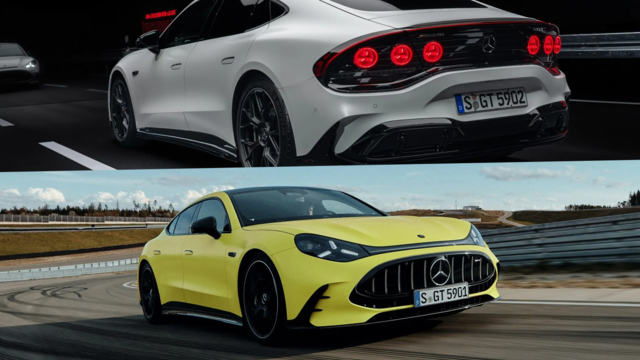
New Electric Mercedes-AMG GT 4-Door Coupe Unveiled: 10 Things You Need to Know
Verdad Gallardo
6 Mercedes Models That Did NOT Age Well (But Are Somehow Still Cool)
Verdad Gallardo
Manual Mercedes? 6 Times Sindelfingen Let Drivers Have All The Fun
Verdad Gallardo
Mercedes SLR McLaren 722 S Is Extremely Rare Example Modified by McLaren
Verdad Gallardo
8 Classic Boxy Mercedes Designs That Have Aged Like Fine Wine
Verdad Gallardo
Flawlessly Restored Mercedes 190E Evo II Heads to Auction
Verdad Gallardo
MBWorld Fanatic!
Joined: Feb 2005
Posts: 3,543
Likes: 2
From: Connecticut
excites your girlfriend
oh lol i read your first post a few days ago and forgot.
Originally Posted by johncl
Huh? I have been using the Silverstars and I have wasted a bunch already with this problem. I won't buy them again until I get this resolved.

MBWorld Fanatic!
Joined: May 2002
Posts: 2,916
Likes: 1
From: The blue white rock, third out.
2002 C230 Coupe(M111)
It might even be the bulbs. I had the silverstars before I got Bix, and went thru two sets in a year and a half. I've read others complain that the bulbs have a short lifespan. It does seem odd that its just the one thought. Is the socket in good order? Moviela is right about them having to be perfectly clean.
Thread Starter
MBWorld Fanatic!
Joined: Mar 2004
Posts: 2,326
Likes: 0
From: 38° 52′ 51″ N || 94° 48′ 11″ W
'01 C320 || '14 Honda Pilot EX-L
I checked everything and it all seems to be in order. I did clean my new "plain jane" bulbs beofre I put them in. The socket and all of the wiring looks to be in good condition, but who knows I may have missed something.
Thread Starter
MBWorld Fanatic!
Joined: Mar 2004
Posts: 2,326
Likes: 0
From: 38° 52′ 51″ N || 94° 48′ 11″ W
'01 C320 || '14 Honda Pilot EX-L
Originally Posted by ctC230K
you do have that big black cap on there right?
Former Vendor of MBWorld
Joined: Jan 2002
Posts: 4,011
Likes: 3
From: global traveller
some slow@$$diesels
Originally Posted by johncl
My passenger side headlight keeps blowing on my '02 c-coupe and I can't seem to figure out why.
greetingz,
Thread Starter
MBWorld Fanatic!
Joined: Mar 2004
Posts: 2,326
Likes: 0
From: 38° 52′ 51″ N || 94° 48′ 11″ W
'01 C320 || '14 Honda Pilot EX-L
Originally Posted by MBenzNL
I can set you up with a set of "replacement" headlights...if you want...
greetingz,
greetingz,


