

Aw, Man :(

Super Member
Joined: May 2015
Posts: 692
Likes: 24
From: Cambridge, MA
2015 C300 Sport 4MATIC

Thread Starter
MBWorld Fanatic!
Joined: May 2008
Posts: 7,653
Likes: 560
2016 C300
I need to drive an E. Sounds like the E leans closer to the S than the C. A more plush, relaxed cruiser vs a compact sport sedan. After a decade of piloting S Class boats I'm kind of digging the little C's handling though. It's like a slippery little knife. Granted I went for Air and swapped the runflats to get close to a smooth ride. Maybe an E when the lease is up.
Junior Member
Joined: Jun 2009
Posts: 34
Likes: 0
From: Forest Lake, Brisbane
2014 C250 AMG + 2013 E220 CDi + 1994 E220
Thread Starter
MBWorld Fanatic!
Joined: May 2008
Posts: 7,653
Likes: 560
2016 C300
Had a chance to check in at the shop today after the initial tear down. As expected the rear rebar and absorbers, structural rear body panel and trunk floor are shot. The trunk floor is unique in that rather than being a welded component of the rear unibody structure, it's basically a plastic tub that's urethaned in place using the same adhesive for windshields.
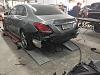
The rear frame rails seem to have survived intact, but there's a lot of work to be done. I'll be surprised if I see the car back before 2017. I should have a dollar value on the first supplement tomorrow. Right now it's at $6,000 and my guess is it'll take double that before it's over.
Meanwhile I'm learning to like the MKZ, mainly because its audio system is really outstanding.

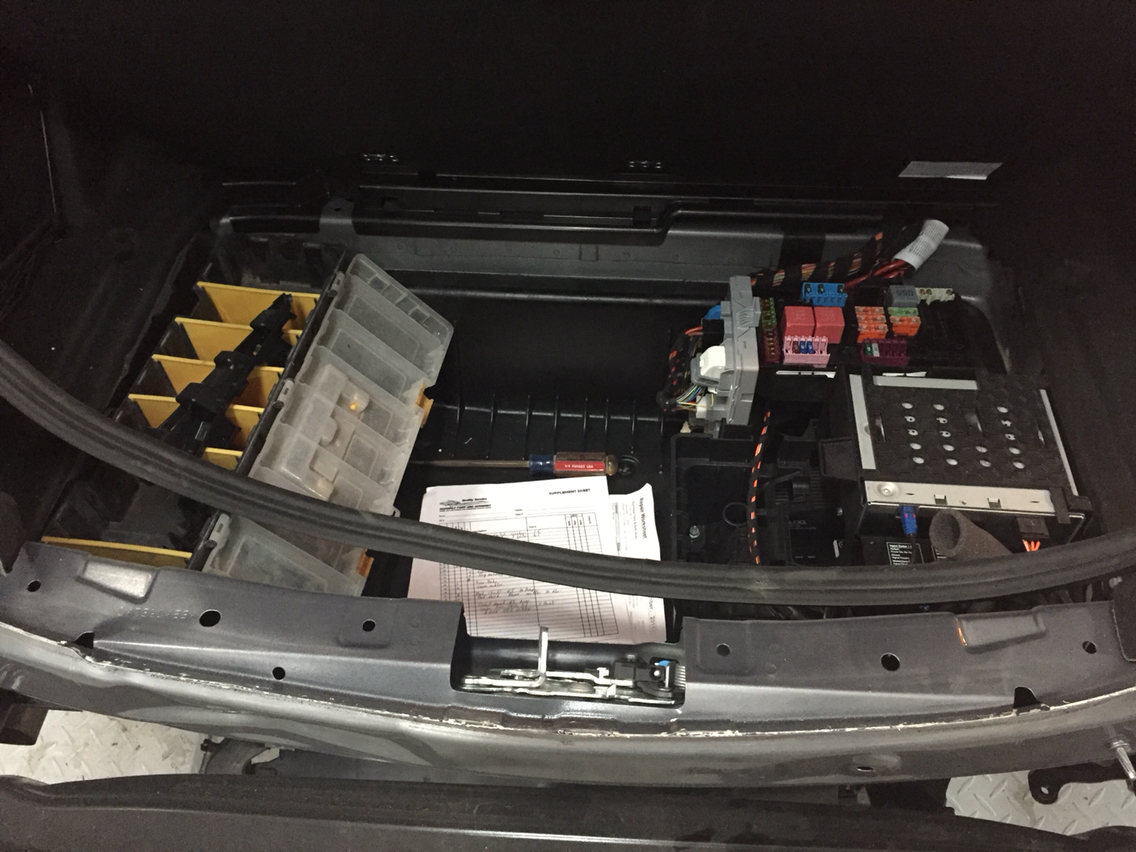
The rear frame rails seem to have survived intact, but there's a lot of work to be done. I'll be surprised if I see the car back before 2017. I should have a dollar value on the first supplement tomorrow. Right now it's at $6,000 and my guess is it'll take double that before it's over.
Meanwhile I'm learning to like the MKZ, mainly because its audio system is really outstanding.
Thread Starter
MBWorld Fanatic!
Joined: May 2008
Posts: 7,653
Likes: 560
2016 C300
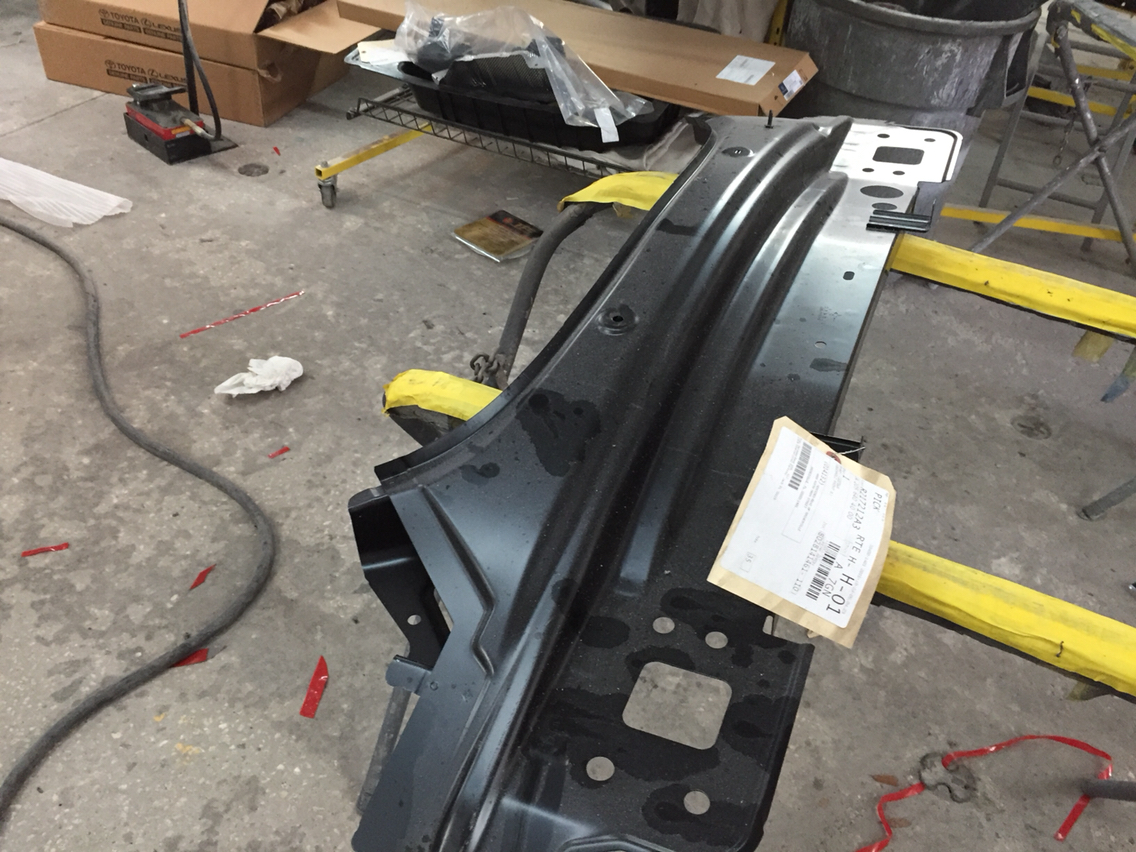
Still mid repairs. The shop's supplement was double the first estimate to $12,000. I went ahead and got a C63 rear diffuser and tips since we're replacing all that stuff anyway. Current status:

MB World Stories
The Best of Mercedes & AMG

8 Oddball Mercedes Ideas That Actually Made it to Production
Verdad Gallardo
Dubai Tuner Gives the Mercedes G-Class An Entirely New Look
Verdad Gallardo
Six Gift Ideas Your AMG Loving Dad or Grad Will Cherish

7 Craziest Things AMG Gas Ever Built
Verdad Gallardo
New Electric Mercedes-AMG GT 4-Door Coupe Unveiled: 10 Things You Need to Know
Verdad Gallardo
6 Mercedes Models That Did NOT Age Well (But Are Somehow Still Cool)
Verdad Gallardo
Manual Mercedes? 6 Times Sindelfingen Let Drivers Have All The Fun
Verdad Gallardo
Mercedes SLR McLaren 722 S Is Extremely Rare Example Modified by McLaren
Verdad Gallardo
8 Classic Boxy Mercedes Designs That Have Aged Like Fine Wine
Verdad Gallardo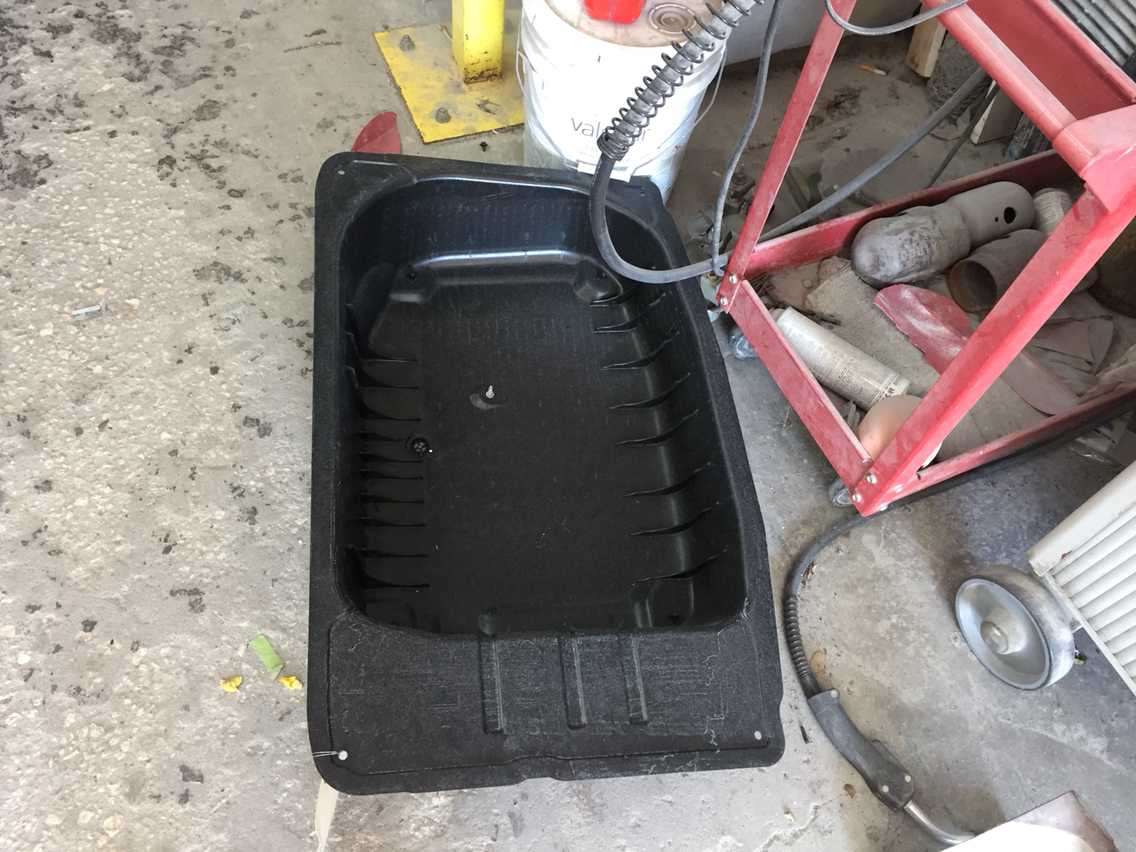


Thread Starter
MBWorld Fanatic!
Joined: May 2008
Posts: 7,653
Likes: 560
2016 C300
Originally Posted by teksurv
It sucks that this happened to you, but it is interesting to see the breakdown, thanks for that.
Thread Starter
MBWorld Fanatic!
Joined: May 2008
Posts: 7,653
Likes: 560
2016 C300
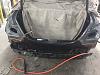
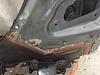
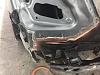
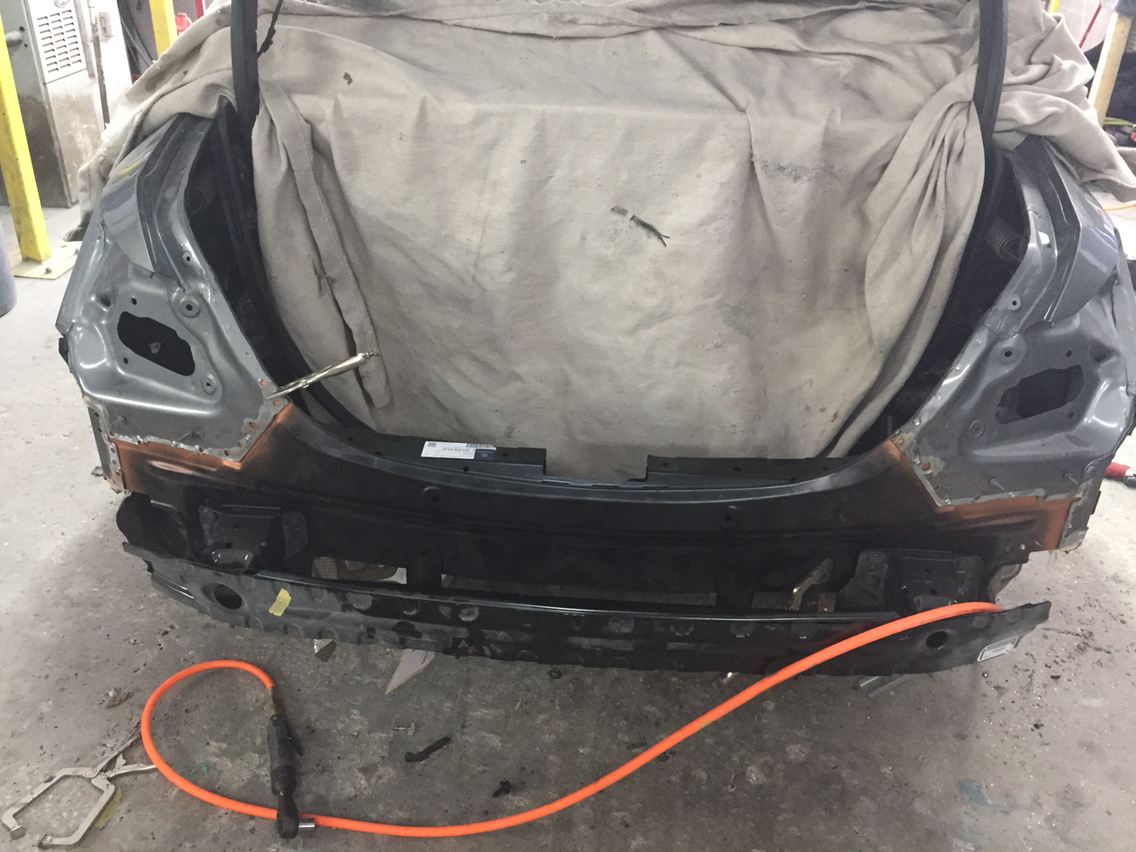
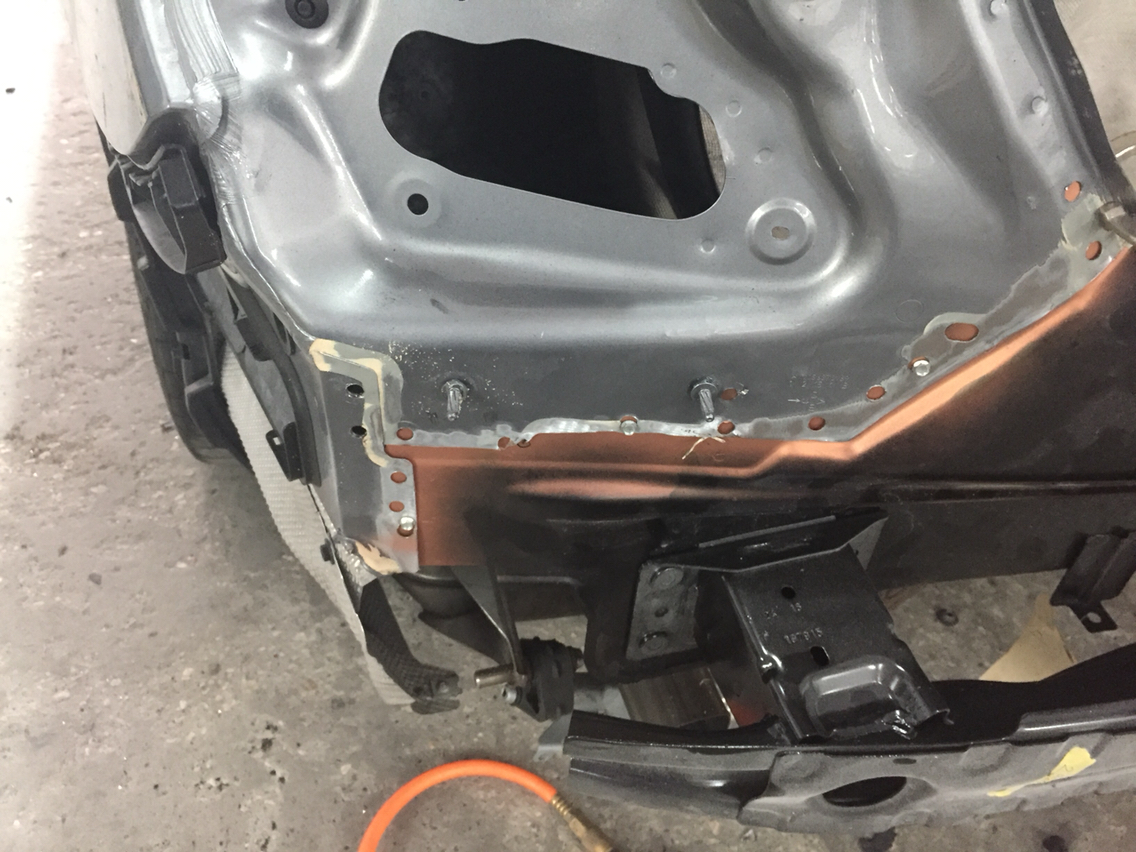
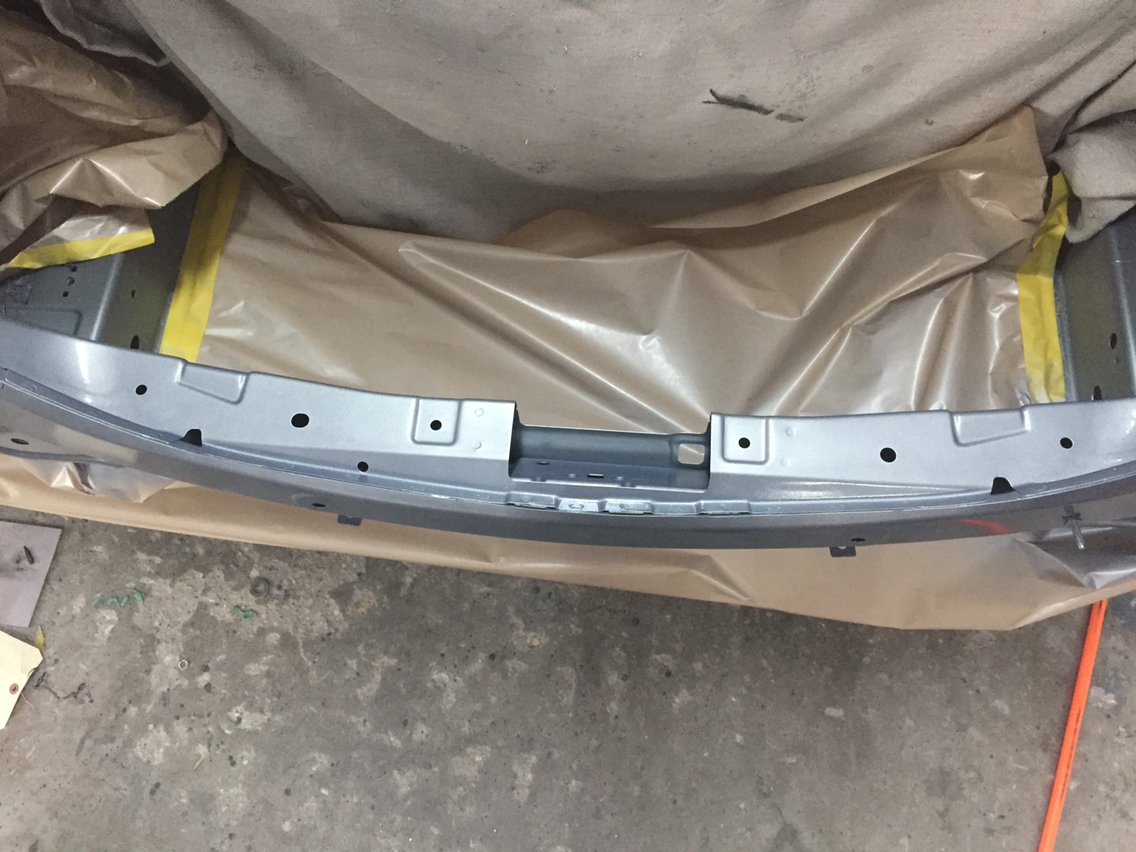
Some progress. The floor has been cut out. The new rear panel has been set with temporary sheet metal screws and clamps. The tech will then test fit the rear body components, decklid, tail lamps, etc and confirm the rear panel is exactly where it needs to be.
Then it will be welded in place, the seams sealed and the panel primed and painted. The copper colored material is weld-thru primer for corrosion protection.
Then it will be welded in place, the seams sealed and the panel primed and painted. The copper colored material is weld-thru primer for corrosion protection.

MBWorld Fanatic!


Joined: Feb 2011
Posts: 2,562
Likes: 197
From: Austin, TX
2006 E55, 2012 GLK350 & 1992 190e sportline
that suck but at least you're all okay. I know how it feels though. I only got to enjoy my clk55 for 3 weeks. Didn't make it to the first payment.
Thread Starter
MBWorld Fanatic!
Joined: May 2008
Posts: 7,653
Likes: 560
2016 C300
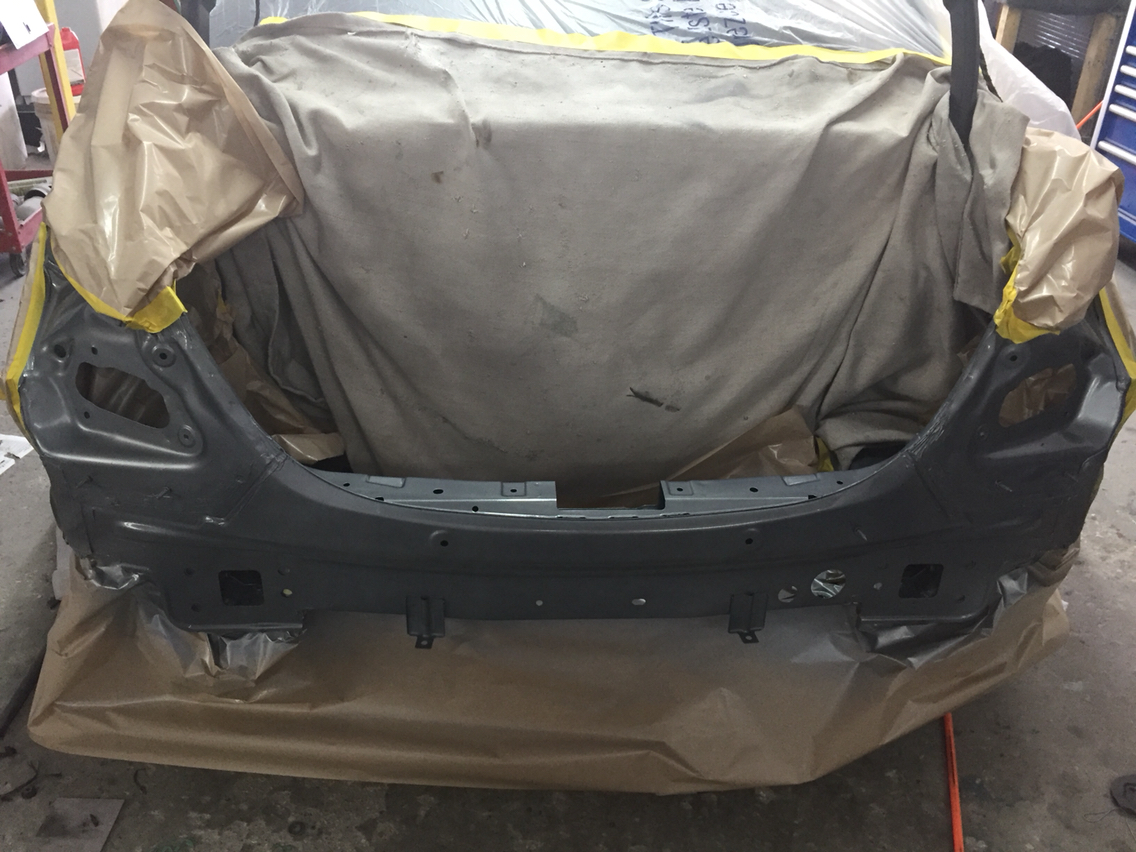
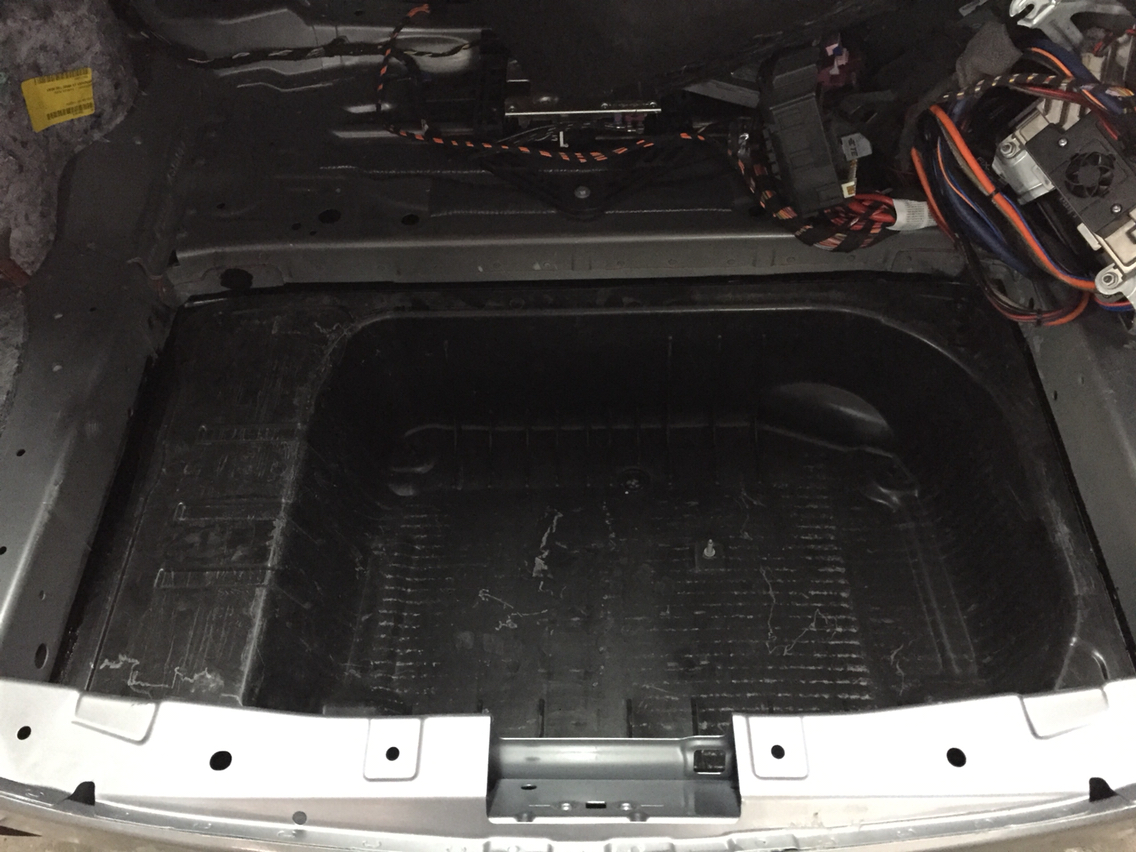
Composite trunk floor back in. This is fairly unique. Normally the trunk floor is a stamped steel panel welded into the rest of the rear unibody structure. It usually serves as a major structural member, spanning and connecting the rear frame rails as well as the rear body panel.
In a hard hit, the trunk floor tends to cave inward and drag the frame rails inward with it. But in the 205, the composite tub that forms the floor is essentially a sacrificial part. Destroying it doesn't impact the underlying unibody structure at all, and it's not a load bearing component. Mine split open but the frame rails were unscathed.
The rails are the large longitudal box structures on either side of the tub.
In a hard hit, the trunk floor tends to cave inward and drag the frame rails inward with it. But in the 205, the composite tub that forms the floor is essentially a sacrificial part. Destroying it doesn't impact the underlying unibody structure at all, and it's not a load bearing component. Mine split open but the frame rails were unscathed.
The rails are the large longitudal box structures on either side of the tub.

Super Member
Joined: Dec 2015
Posts: 505
Likes: 58
From: Gold Coast, Oz.
C300 S205 AMG, GLA 45 AMG
Hey mike, get them to Dyna mat then crap out of the **** end before they complete re-assy..
Super easy while it's all stripped down....
the plastic trunk floor is a bit of a drum.... 😉
Super easy while it's all stripped down....
the plastic trunk floor is a bit of a drum.... 😉
Super Member
Joined: Dec 2015
Posts: 505
Likes: 58
From: Gold Coast, Oz.
C300 S205 AMG, GLA 45 AMG
Well the extreme bulk pack has X 9off 18"x32" sheets.
I used perhaps 3.5 sheets doing the trunk floor the trunk sides the inner face of the rear wings and behind the suspension towers etc. and the rear hatch (wagon remember).
I used approx 2 sheets doing under the rear seats area.
I used .5 sheets on the b pillars
And the remaining 3 sheets across the 4 doors...
I covered pretty much every available surface I could access single layer only with minimal gaps.
Hope that gives you an idea..
I used perhaps 3.5 sheets doing the trunk floor the trunk sides the inner face of the rear wings and behind the suspension towers etc. and the rear hatch (wagon remember).
I used approx 2 sheets doing under the rear seats area.
I used .5 sheets on the b pillars
And the remaining 3 sheets across the 4 doors...
I covered pretty much every available surface I could access single layer only with minimal gaps.
Hope that gives you an idea..


Senior Member
Joined: Feb 2016
Posts: 295
Likes: 19
2016 C300
Still mid repairs. The shop's supplement was double the first estimate to $12,000. I went ahead and got a C63 rear diffuser and tips since we're replacing all that stuff anyway. Current status:
Attachment 342134
Attachment 342134
on my accident, the initial estimate was like $5.5k. they ended up paying like 12k~ish
the one time i was really happy to lease instead of buy.
Thread Starter
MBWorld Fanatic!
Joined: May 2008
Posts: 7,653
Likes: 560
2016 C300
Yeah, generally a 100% supplement is frowned upon as an adjuster. For big hits the accepted practice is to write a couple hours labor for the shop to tear down the car enough to expose the entirety of the damage, then write one comprehensive estimate. But because issuing a check, even if it ends up being short by half, shuts down the exposure adjusters do it to improve their internal measurements.

Thread Starter
MBWorld Fanatic!
Joined: May 2008
Posts: 7,653
Likes: 560
2016 C300
For a publicly traded company, that figure is expressed as the Combined Operating Ratio (COR). The COR represents the money paid out in claims, plus the cost of their claims infrastructure (adjusters, offices, fixtures, computerized claims management equipment, private investigators, forensics, lawyer defense costs, legal settlements etc) expressed relative to a dollar in collected premium.
So a COR of 1.00 means the company spent in claims exactly what it earned in premium. A COR of 1.05 means it spend a nickle more on claims than it took in for each dollar of premium. Most companies run a negative COR in that 1.04 to 1.06 range. Progressive when I was there typically made a small underwriting profit with a COR around .97, or 3%, but that was an exception, and they had a very robust claims operation.
The actual way insurance companies make money is in their investment portfolios. They essentially take money in from policy holders and treat it like an interest free loan to buy and sell securities. It's the proceeds from those transactions that drives most of an insurance company's profits. For a publicly traded company, they also sell a crapload of stock.
But they have to maintain a level of liquidity (cash) to pay pending claims. This is known as the claim's "reserve". Reserves are funds that are not committed to the investment portfolio, and as a result aren't "working" for the insurance company. Managing reserves is a huge part of running a claim operation.
When a claim comes in and a coverage is opened (Property Damage, Bodily Injury, etc), the claims system typically sets a generic "system reserve". So say every Collision feature starts with a $3,000 system reserve based on the insurers own claims experience. The longer the claim is open (unpaid), the higher the system adjusts the reserve, since statistically the longer a claim is unpaid, the more expensive it becomes. In two months it could be $10,000. That's $10k not earning any income, multiplied by thousands and thousands of active exposures.
Claims managers are under pressure to keep their overall reserves low by settling claims quickly. This puts pressure on the claim reps to cut a settlement check, which automatically zeros out the reserve, because the system thinks the exposure is gone, or mostly gone. On a publicly traded company this helps the stock price, since analysts look at COR and Reserves.
So when a rep writes a $5,000 estimate and cuts the check to close the feature, but then has another supplemental expense of an additional $5,000, they've basically worked the reserve to improve the branch's performance numbers at the potential expense of inaccurate reserving. Do enough voo-doo with enough exposures and it's possible to be so radically under-reserved that the company gets hit with a big, unexpected, unreserved verdict that wipes them out (or triggers their re-insurance, with dooms the stock price).
Most systems do allow reps to manually post a reserve and stick it there until the claim is actually settled and closed. Progressive wanted accurate reserving whether it helped or hurt the performance metrics.