I'm wondering if someone tried Pennzoil Ultra in their car?
I used it (5W-30) in the BMW 335i N54 I used to have, and was very pleased.
My 335i was modified and after I switched to Pennzoil Ultra, my engine temp dropped consistently (I cannot tell exactly by how much because it's an analog gauge there). I also went with it because it scored well on Blackstone analysis.
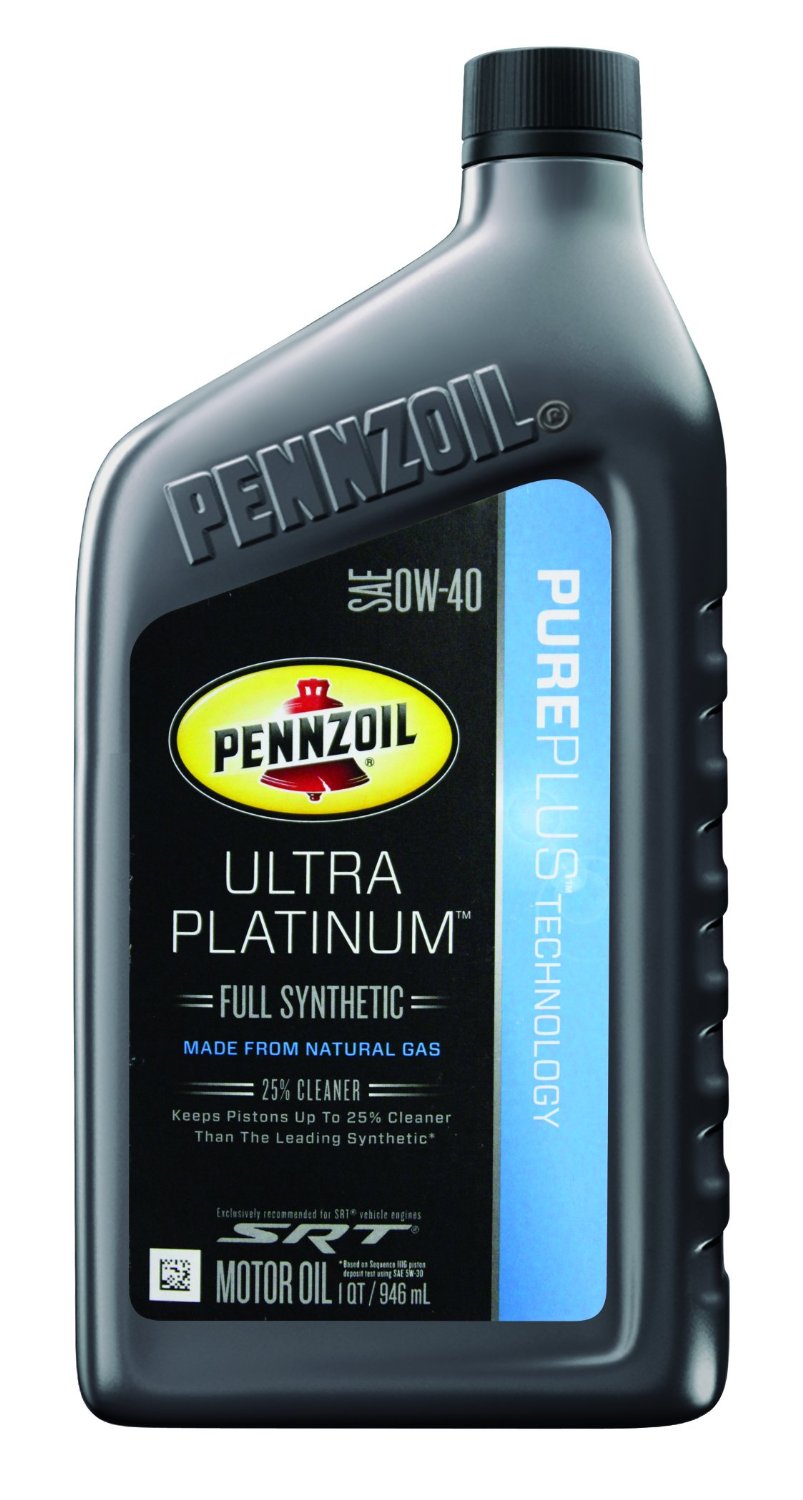
The C63 M156 runs pretty hot, and I'm considering using this opil for my next oil change. It might lower the temperature compared to the standard Mobil1 0W-40 everyone seems to use.
I've been using shell rotella t6 5w40 now. Had mobile 1 0w40, would get valve train clatter on hot starts. Nothing yet with the t6.
OP, since you're in a hot climate you might consider using this 5W-40. It's the kissing cousin of the Rotella that Merc refers to above. I've used this Pennzoil Euro 5W-40 in both iterations (regular syn and GTL syn) going on four years now in an M car, with excellent results. This newest GTL formulation is very solid and carries all the right approvals. I'll wager it'll work better in the C63 than the 0W-40 version.
OP, since you're in a hot climate you might consider using this 5W-40. It's the kissing cousin of the Rotella that Merc refers to above. I've used this Pennzoil Euro 5W-40 in both iterations (regular syn and GTL syn) going on four years now in an M car, with excellent results. This newest GTL formulation is very solid and carries all the right approvals. I'll wager it'll work better in the C63 than the 0W-40 version.
Guys. It is a common misconception that a 0W oil doesn't perform as well as a 5W in high temperatures. The truth is 0W oils maintain their viscosity BETTER than 5W in high heat.
Guys. It is a common misconception that a 0W oil doesn't perform as well as a 5W in high temperatures. The truth is 0W oils maintain their viscosity BETTER than 5W in high heat.
I meant for example if I have 5W in the winter (let's say Calgary ), doesn't it put excess wear on the engine when the engine is cold (startup and warming) compared to 0W?
I use Motul 8100 5-40w with LiquiMoly MoS2. engine runs awesome and makes power til next oil change without loss. I have an E63, and the dash has never gone past 105-109C at full sing. not a fair comparison though as the C63 has an undersized oil cooler that Mercedes admitted to installing from the get go.
Guys. It is a common misconception that a 0W oil doesn't perform as well as a 5W in high temperatures. The truth is 0W oils maintain their viscosity BETTER than 5W in high heat.
I'm confused. The W means the viscosity rating is at 0 degrees F. The second number is the viscosity rating at 212 degrees F. So a 0W-40 and a 5W-40 has the same viscosity rating at 212 degrees. So how is it that the 0W oil maintains its viscosity better than a 5W in heat?
I'm confused. The W means the viscosity rating is at 0 degrees F. The second number is the viscosity rating at 212 degrees F. So a 0W-40 and a 5W-40 has the same viscosity rating at 212 degrees. So how is it that the 0W oil maintains its viscosity better than a 5W in heat?
I've seen a number of charts that indicate the opposite also, as you are suggesting, a 5W-xx is about 3% better than a 0W-xx in that regard whether a 30 or a 40.
for Mobil 1, at some point their 0w-40 supposedly was a better formula than their 5w-xx...but who knows now. They change their formulation every few years and its hard to keep up. Usually its spotted by whatever standards on the label vs them ever advertising change. generally speaking oils with less separation between the two weights will hold their viscosity better with heat. single weight oil then being the best at that point.
I meant for example if I have 5W in the winter (let's say Calgary ), doesn't it put excess wear on the engine when the engine is cold (startup and warming) compared to 0W?
0W will flow better at cold temperatures than 5W, and therefore provide better protection when cold.
I'm in Calgary, and use nothing but 0W oils in all my vehicles, year round.
I find 0w40 causes valve train noise on some starts. Too thin.
0W might be thinner than 5W when cold, but either at cold is much thicker than either when warm. 0W would get to the valve train faster than 5W would. In short, using 0W wouldn't result in more noise at start-up.
I'm confused. The W means the viscosity rating is at 0 degrees F. The second number is the viscosity rating at 212 degrees F. So a 0W-40 and a 5W-40 has the same viscosity rating at 212 degrees. So how is it that the 0W oil maintains its viscosity better than a 5W in heat?
I am referring to temperatures beyond 100C/212F.
Oil viscosity change is linear across the temperature scale (with a logarithmic viscosity scale). 0W40 is thinner than 5W40 at 40C and temperatures up to 100C, the two are at a similar viscosity at 100C, and 0W is thicker beyond 100C.
At high temperatures, when you really need an oil's viscosity 0W provides it better than 5W.
0W might be thinner than 5W when cold, but either at cold is much thicker than either when warm. 0W would get to the valve train faster than 5W would. In short, using 0W wouldn't result in more noise at start-up.
In short yes it does. It drains out of the cam adjusters and tappets.
I am referring to temperatures beyond 100C/212F.
Oil viscosity change is linear across the temperature scale (with a logarithmic viscosity scale). 0W40 is thinner than 5W40 at 40C and temperatures up to 100C, the two are at a similar viscosity at 100C, and 0W is thicker beyond 100C.
At high temperatures, when you really need an oil's viscosity 0W provides it better than 5W.
OK, that makes sense. But remember, the 0W-40 takes more Viscosity Index Improvers to allow the larger range and the VI Improvers have a tendency to burn off at higher temps. My experience is that oil will degrade with time at temperature and the 0W-40 will become a 0W-30.
OK, that makes sense. But remember, the 0W-40 takes more Viscosity Index Improvers to allow the larger range and the VI Improvers have a tendency to burn off at higher temps. My experience is that oil will degrade with time at temperature and the 0W-40 will become a 0W-30.
If you're changing your oil per your schedule, this is t something that you need to worry about.
In short yes it does. It drains out of the cam adjusters and tappets.
i don't see how this could happen. When you first start an engine, it and the oil in it are cold, and the oil is at its most viscous, regardless of grade. If oil quickly falling off some piece due Gravity is going to be a concern, it would be multiple times more likely to happen when hot than cold.
Oil temperature has a much more significant impact on viscosity than exists between 0W and 5W.
If such a problem were to exist, it would at high heat, not cold start.
i don't see how this could happen. When you first start an engine, it and the oil in it are cold, and the oil is at its most viscous, regardless of grade. If oil quickly falling off some piece due Gravity is going to be a concern, it would be multiple times more likely to happen when hot than cold.
Oil temperature has a much more significant impact on viscosity than exists between 0W and 5W.
If such a problem were to exist, it would at high heat, not cold start.
I agree with Merc and stopped using the 0w40 Mobil 1 I get horrible valve chatter and cam adjusters noises even on hot starts.tgat oil is like water and way to thin.
I don't know about the rest of you, but I don't make determinations on what oil to use by the sound of my car. I use empirical evidence and data. And every single piece of that points towards the M1 0W-40 as being the best street oil for our engines. Full stop.
Maybe the 0W does give a bit more start up chatter. But the other 99.999999999% of the time the engine is running, it will be better. Do the math.
Slideshow: A one-of-one U.S.-spec Mercedes-Benz SLR McLaren Roadster became even rarer after a factory-backed transformation at McLaren's headquarters.






 ), doesn't it put excess wear on the engine when the engine is cold (startup and warming) compared to 0W?