When you click on links to various merchants on this site and make a purchase, this can result in this site earning a commission. Affiliate programs and affiliations include, but are not limited to, the eBay Partner Network.
I was able to remove the wheel covers and find the line that appears to be leaking. The line starts from the power steering\abc pump and is housed in some type of aluminum type tubing. Anyone have experience with this line? tips or advice would be greatly appreciated.
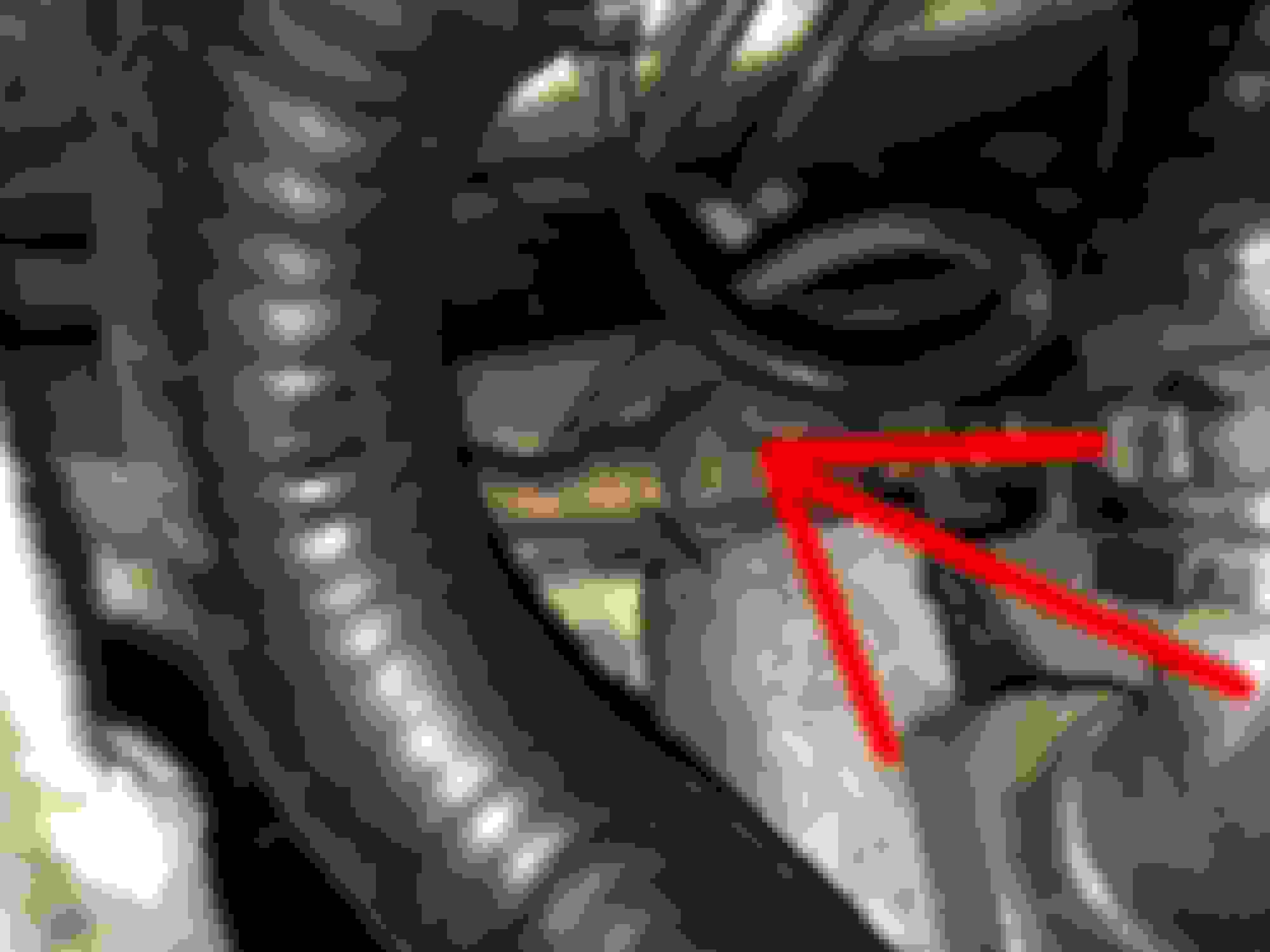
Here is where the line starts from (The ABC pump)
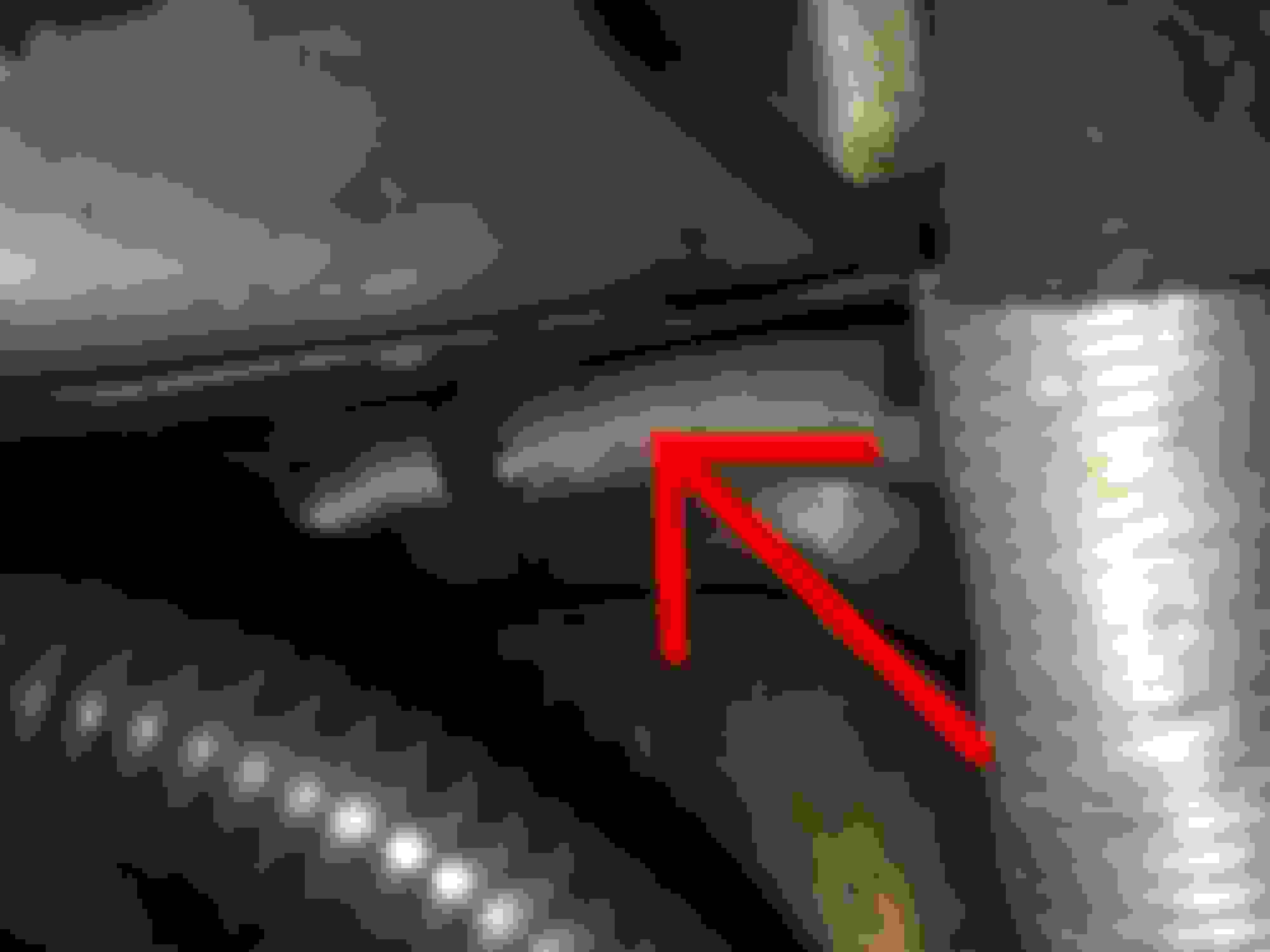
Runs down underneath the car
Line runs underneath the car
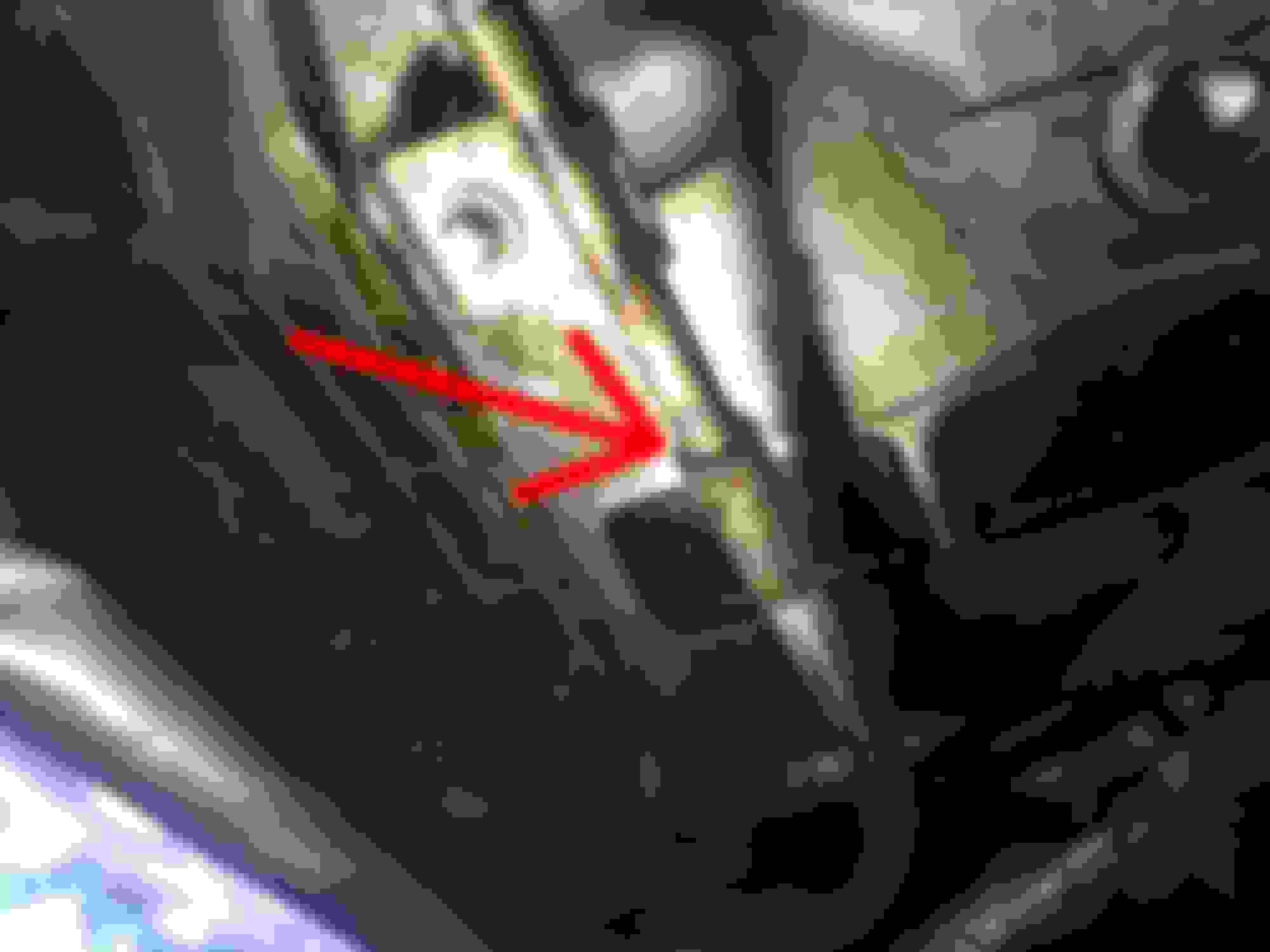
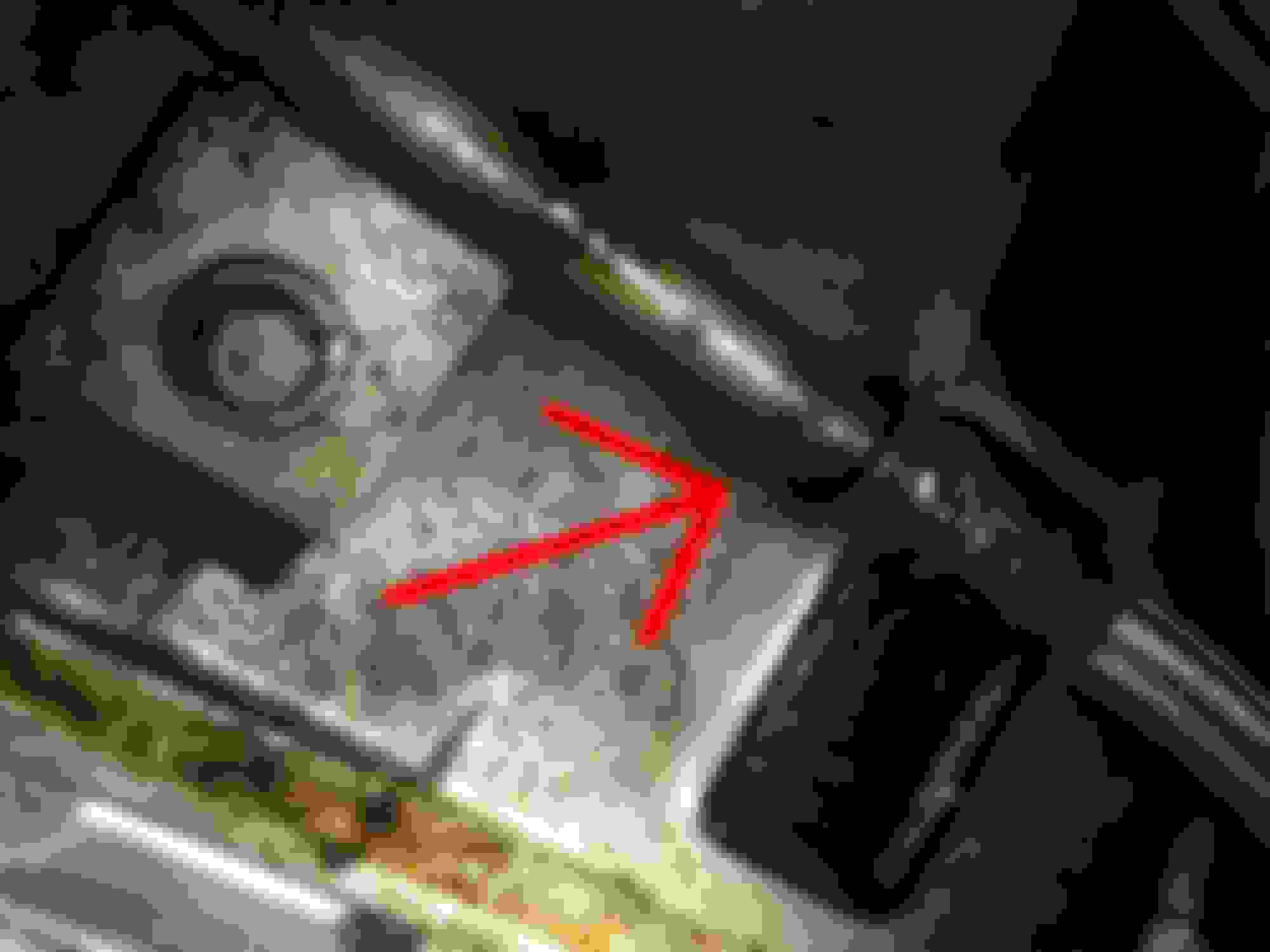
Here is where it appears to be leaking
Close up of where it appears to be leaking
The line starts from the ABC pump and runs down underneath the car.
There's a recalled on this issue. I had mine replaced at no charges.
Is this the main ABC pressure line ? (A2203204572)
It cost me $2300 to replace last year (independent). Part is cheap but very labor intensive. Stealership quoted me over $3,600 if I recall correctly.
Would appreciate any clarification if whether or not this is the "main ABC pressure line" as asked by XZACM102, or if it is a recalled line as Klinh mentioned.
Yes, this same part was recalled. If your car was properly serviced by the dealer in the past chances are it was already replaced.
Mine was replaced 2x, recall in 2008 and in 2013 had to pay for it. Unfortunately recall doesn't mean unlimited warranty.
Looks wet around the line but also looks like you may have a rear engine oil seal leak too? Looks like engine oil in that area vs dirty Pentosin but hard to tell.
__________________
E63 Biturbo, UPD Cold Air induction kit, UPD performance crank pulley and UPD adjustable rear suspension with ride height adjustment.
It's always nice when they replace a defective part with another defective part.
I think that's a bit unfair. The part is probably manufactured to the quality and the spec that it was supposed to. Mercedes use good, common, industrial practice with their hydraulics.
The unfortunate thing is that flexible hydraulic hoses don't last the life of a car. They're lifed parts, like cambelts, and ought to be replaced periodically.
Mercedes' mistake has been to treat them as lifetime parts, and not to make provision for inspection, repair or replacement in their installation and maintenance planning.
We, as users, can work round that mistake if we chose to.
I may be leaking some oil, I checked oil levels throughout the entire oil change interval and my level was always "OK"
I contacted Mercedes about the line and was told there had been one hydraulic line serviced under recall, but the woman wasn't able to specify anything. The recall was done around 2007 or 2008?
Was there more than one line that was recalled for these cars? Or is this leaking line of mine likely to be what they already changed? Also, I have sent pictures to service advisers at the local Mercedes dealer, they are not able to help and require me to bring the vehicle in.
Are you leaking fluid externally ? If you can't see any leak the accumulators may have failed and are leaking internally displacing the nitrogen gas charge
Been following this thread due to my recently acquired 06 CL55 AMG leaning down on the rear drivers tire; only after a few days. The message screen will read "Car too low" so I hit the ABC button to raise her up.
Questions: How to differentiate between a worn accumulator or rear valve block o-rings. Will either cause sloppy road manners...shifts left to right at highway speeds (poor tracking). I believe maintaining the ABC "On" causes better tracking, but not sure.
As far as I can tell, every town of any size has a pneumatics and hydraulics shop that can make hydraulic hoses to any spec, very quickly and cheaply. And I bet you never knew they existed. They're everywhere once you start to look.
Do read that Ongoing Maintenance and Repair thread, all the procedures and pictures are there.
The first thing I did myself was take a broken hose along and get them to repair it. The best way seems to be to get a flexible section with 10mm compression fittings, and fit it yourself. The compression fittings should only be tightened once everything is assembled, because you want it all in the right position. You need to avoid having any flexible hose in tension or in twist.
Have to go now and fix my own car.
Nick
Just want to thank you for your time and assistance with my car troubles. I really appreciate it.
So my CL55 has been sitting in my heated garage throughout the winter, the entire car suspension has pretty much dropped all the way down. I plan to repair the line with 10mm compression fittings then refill the reservoir with Pentosin CHF-11s fluid.
Is there anything I should be wary of when repairing the line and refilling the hydraulic fluid?
After filling the reservoir, I will start the car, then continue filling the reservoir with hydraulic fluid until the fluid dissipates throughout the ABC system as the pump is running. Is this a straight forward procedure? Do I just need to be sure that fluid stays at least halfway filled in the ABC reservoir until it has fully circled the entire abc system and the car (hopefully) has risen
There's not too much to worry about, apart from keeping the insides of the hydraulic pipes clean. You can't have any swarf inside for example.
When you top up the fluid reservoir, you should ideally check the level both with the engine running (lower mark) and engine off (upper mark). When the engine has been running for a minute or so, it pressurizes the accumulators, which store hydraulic pressure/energy for when the struts need it. The oil partly fills the nitrogen chambers, pressurizing the gas as it does so, and therefore the reservoir level is lower in use.
Both levels need to be right, and the DIFFERENCE between the actual high and low levels helps to tell you whether the accumulators are working properly. You need to allow some time after switch-off before checking the high level.
Nick
Last edited by Welwynnick; Mar 16, 2015 at 05:54 PM.
There's not too much to worry about, apart from keeping the insides of the hydraulic pipes clean. You can't have any swarf inside for example.
When you top up the fluid reservoir, you should ideally check the level both with the engine running (lower mark) and engine off (upper mark). When the engine has been running for a minute or so, it pressurizes the accumulators, which store hydraulic pressure/energy for when the struts need it. The oil partly fills the nitrogen chambers, pressurizing the gas as it does so, and therefore the reservoir level is lower in use.
Both levels need to be right, and the DIFFERENCE between the actual high and low levels helps to tell you whether the accumulators are working properly. You need to allow some time after switch-off before checking the high level.
Nick
After repairing the line, should I bleed the system and then refill?
After replacing the line, fill the resivor up and run the car keeping eye on the level of fluid while someone raises the car up and down with the ride height button. When I did it, I took off the filter and ran a 1/2" hose from that return line to a drain pan to flush the system. It is also a lot easier to see the fluid level throught the filter hole and add as needed than it is to keep an eye on the level and fill throught the dipstick hole.
I did mine this way after replacing 6 hoses and all 4 air cells so it will also work fine after a single hose repair.
I think that's a bit unfair. The part is probably manufactured to the quality and the spec that it was supposed to. Mercedes use good, common, industrial practice with their hydraulics.
The unfortunate thing is that flexible hydraulic hoses don't last the life of a car. They're lifed parts, like cambelts, and ought to be replaced periodically.
Mercedes' mistake has been to treat them as lifetime parts, and not to make provision for inspection, repair or replacement in their installation and maintenance planning.
We, as users, can work round that mistake if we chose to.
Nick
How have you cut the solid metal hydraulic lines in the past? and could you provide me with an example on what type of compression fitting I should use to repair the leaking line? Also, wondering if there are any enthusiasts in the Albany, New York area that have experience with these types of repairs. I currently have the car in a heated garage and it's been there since the incident last year.
Mercedes SLR McLaren 722 S Is Extremely Rare Example Modified by McLaren
Slideshow: A one-of-one U.S.-spec Mercedes-Benz SLR McLaren Roadster became even rarer after a factory-backed transformation at McLaren's headquarters.