We seen M278 turbo coolant pipe , that plastic + aluminum combo cracking under 10 years of use.
M276 3.5NA or 3.0 Turbo or even detuned version of 3.5NA for C300, E300 and S300 in some other countries.
I have identified all plastic + rubber which I will replace by year 10, but I like to see its failure mode , if available.
Non turbo charged M276 should be a less hostile an environment compared to 3.0 turbo version when it comes to heat in engine bay, or even the coolant.
This is the plastic pipe I speak of Item 90. It is part of my 10 year replace list.
I will replace the entire thermostat assy item 100 for sure too.
This short plastic pipe, allows the Bank 1 and Bank 2 to send its hot coolant to thermostat housing to be cooled by the radiator.
So its like a parallel pipe joining both Bank 1 and Bank 2 cooling circuit at its final output.
This pipe bridge bank 1 and bank 2, which without this pipe there is an air gap between B1 and B2 coolant out, hence it can leak if the pipe crack or its o-ring fail.
I have to say, I don't think there is a member on this forum that is more "into the weeds" of a W212 than you! You're basically rebuilding the car back to when it rolled off the assembly line! I can only image how many other car owners out there that are enjoying their car that they bought off of you!
Roughly 20 years ago, I bought a 1995 Lexus LS400 with 81k miles on it. By the time I sold it in 2007 with 140,000 miles, it was basically a new LS400 and the Sr. Tech at my local Lexus dealership ended up buying it. I had replaced every suspension bushing, mount, coupler, possible. Religious about the fluid quality. Even got down to the little tiny screen in the power steering rack solenoid. That car was my hobby. But I was nowhere near your level of wrenching, and a 1995 Lexus LS400 is like working on a child's bicycle when compared to a modern day Mercedes Benz!
I like brand new feel of a well maintained car.
Zero breakdown is also the target.
I wont buy a new MB, very very unlikely.
1st reason being, its engine is getting smaller and smaller for non AMG cars.
2nd reason, too much more complex electronics on newer models. I love mechanical buttons and hate when operational of everything is dumped to one big center touchscreen.
3rd, dumb azz 48V EQ boost, what a stupid piece of desperate wanna-be-green SHI-et
I like my E400. It has decent power, good low torque and won't overwhelm my tire's traction limit unless in super slippery rain, thanks to my Quafei ABT differential and Mich PS4.
Decent comfort from simple suspension system.
Under 2,000kg , near 1,900KG to be exact, so some sporty-ness still available compared if it were to be much heavier car.
I am no more 15 years old road animal today, but W212 is not too old-man a car
I have to say, I don't think there is a member on this forum that is more "into the weeds" of a W212 than you! You're basically rebuilding the car back to when it rolled off the assembly line! I can only image how many other car owners out there that are enjoying their car that they bought off of you!
Roughly 20 years ago, I bought a 1995 Lexus LS400 with 81k miles on it. By the time I sold it in 2007 with 140,000 miles, it was basically a new LS400 and the Sr. Tech at my local Lexus dealership ended up buying it. I had replaced every suspension bushing, mount, coupler, possible. Religious about the fluid quality. Even got down to the little tiny screen in the power steering rack solenoid. That car was my hobby. But I was nowhere near your level of wrenching, and a 1995 Lexus LS400 is like working on a child's bicycle when compared to a modern day Mercedes Benz!
I tip my hat to you, good Sir!
and because of the MB-Lego approach to their lineup basically, he knows the most important components of the X-400/450 MB that share the M276 engine. Once you are deep into a model, you are also deep into all the siblings of its generation (technically speaking).
*This does not yet include suspension components like bushings of rear subframe and its wheel carier/knuckle.
* This does not include the 3 HVAC refrigerant hoses I already have in hand + new filter drier
*This does not yet include suspension components like bushings of rear subframe and its wheel carier/knuckle.
* This does not include the 3 HVAC refrigerant hoses I already have in hand + new filter drier
Enjoy..............
I will never run out of things to do to my car!!!!
Thank you so much for sharing all of aour hard and diligent work and research
For those with M276 3.0 Turbo.
Please inspect the physical radiator and aftercooler coolant hose P/N on the engine itself, as the EPC hand drawn one, its shape is so different, you will end up getting confused.
The EPC itself has some sort of bug when I do the search using my VIN and looking at radiator and aftercooler coolant hose.
Using the actual stamped number on your hose, use EPC search function and don't be suprised if it will not show you a W212, but a W207... LOL.
Some coolant hose has tee fitting and surely the 2nd branching hose from that tee fitting. That could be 2 separate part number for 2 hoses, be careful and don't think you will get
the two hoses + the tee as 1 part number.
The pipe is inserted 100% , thus its end has no space for hook to help pull out like how cylinder liner get pulled out.
Above and below is the broken mid section. I tried pushing/prying from there too. No success
.
Below is the end of the pipe kissing the end of travel.
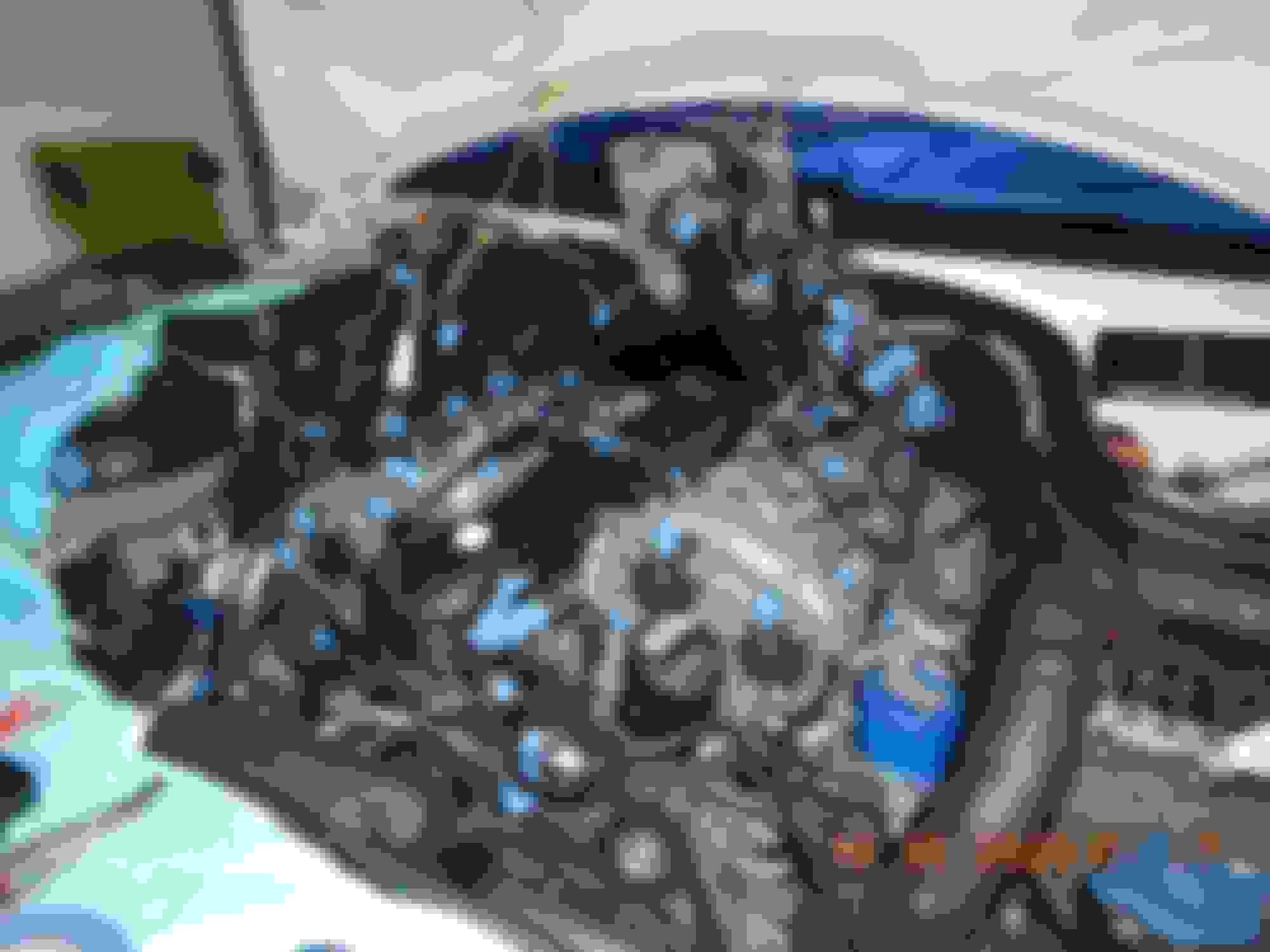
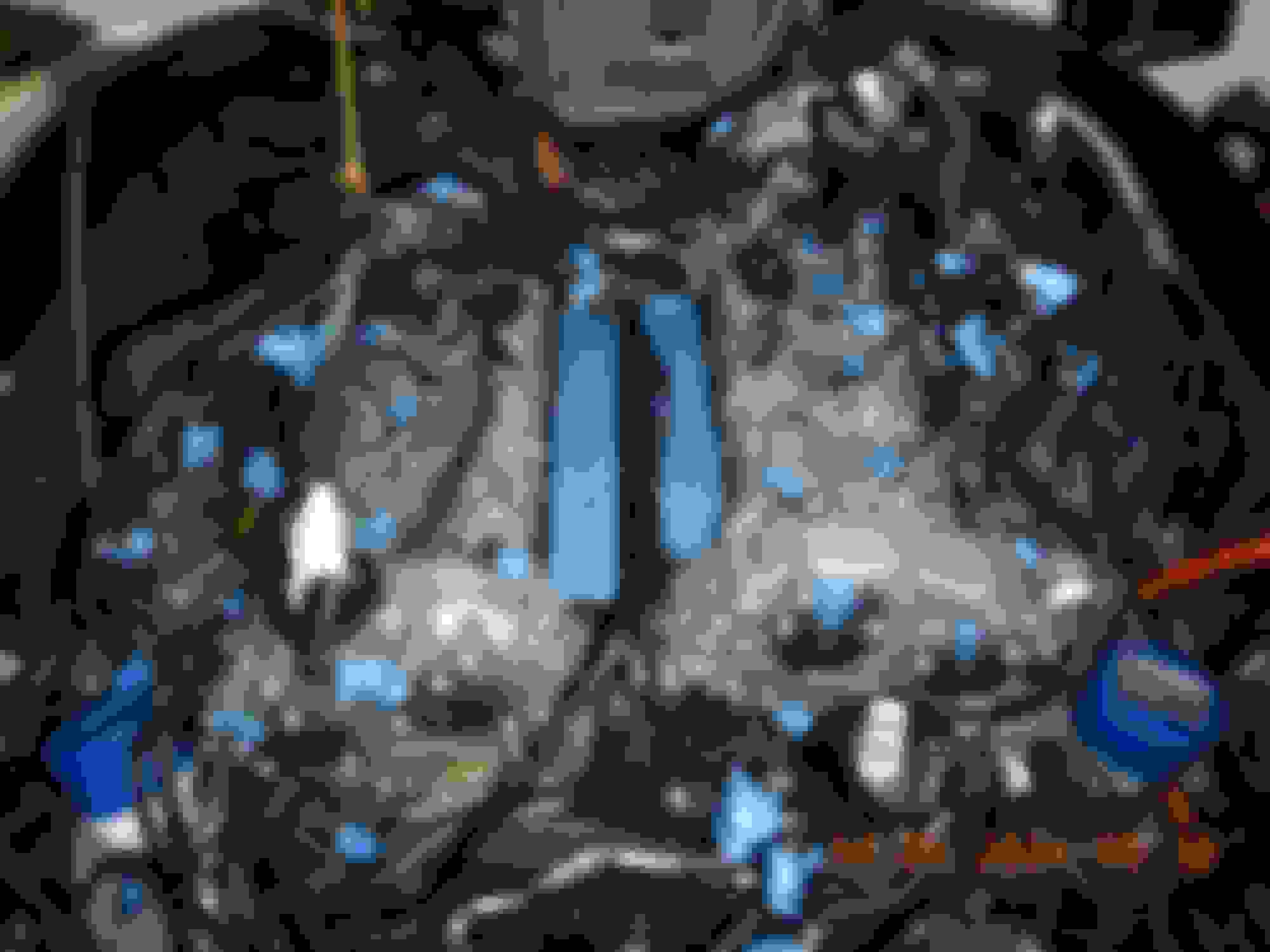
For M276 3.0 turbo, inlet manifold must be removed......... otherwise thermostat can't be removed and the coolant pipe is behind the thermostat.
Aftercooler removed too
I love 3M blue masking tape. Good value for money and no trace of its glue even when sun dried for 2 weeks.
Thanks for the link Jetta. My local one the same china stuff, 9pc unit cost like US$40. So not bad.
It has the up to 24mm diameter I am looking for.
Some sizes reference :
I sacrificed one of my cir-clip pliers and made it as a DIY puller below, still the bloody pipe won't even budge. The points did hurt the plastic material.
Damn those seals on the coolant pipe are so strong for its adhesion when already there 10 years, unlike o-ring. I tried with my DIY tool below, 20kg or 50 lbs pull has no effect.
You know Master Tasos has similar difficulties removing the thermostat of M177 engine.
But its shape is still allows alternative special tools to work well, see below :
Last time he needed to cut the thermostat and it is very risky if scoring of the engine side bore happened.
That is why I dare not use screwdriver to damage/chisel my coolant pipe, I fear I may scratch the ALU female bore of the cylinder head side and permanent leak will happen.
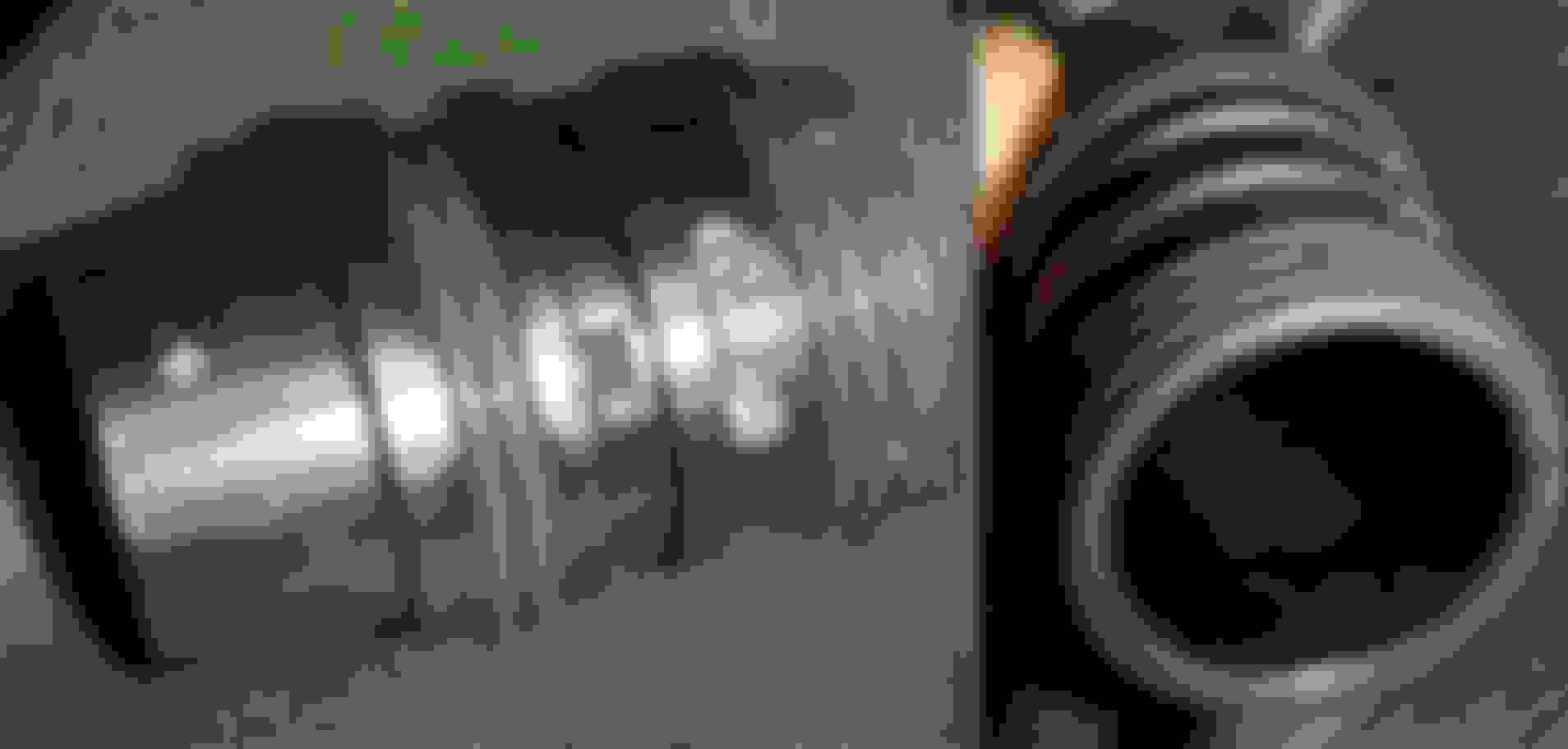
My tool is this one : I hope it can be effective for smooth bore plastic pipe
The petal is not very long, but it enters deep enough.
The grip is good..
.
The original slide hammer uses 12mm OD shaft ( thread is M12 x 1.5 pitch ) and is very long....too long for my use case.
So I made my own M12 stud/shaft.
The wooden plank is to keep safe my radiator.
If the plastic pipe does decided to give up, and I over-pulled, my radiator can have a new unwanted hole
Does this tool work ?
NOPE !!! The coolant pipe is so stuck, the slide hammer limited distance is not doing well.
So what is next ?
Since I now have the blind hole petal shaped gripper mechanism which seems good enough, I will modify my generic bushing tool kit and pull out this coolant pipe like a bushing,
now that I have the means to grip it from its internal diameter.
Need to remove this PCV pipe first....... It is blocking my work if I use bushing tool.
The inlet manifold plastic adapter plate has to be removed first to access that PCV pipe to Bank 1 Turbo.
2022 photo archive
I never expected this f-king small coolant pipe can be such a nightmare to remove when it is still HEALTHY ........ seems much easier if it has already crack and been brittle. which is then a REPAIR job
and not a preventive job
Pay attention for the coolant pipe installation.
Make sure install it where the indicator I shown below as 12 o'clock , use that as 12 o'clock for installation.
Unique design. When I did not set coolant pipe at 12 o'clock , it's like trapping air and the pipe bounce out again and again...weird.
Like using a big syringe with its end/tip being blocked by our finger.
MB also installed it as 12 o'clock,I broke the mid section at 1 o'clock when prying it from its outside diameter.
Did I screw up something on this job ?
Well..ALMOST !!!
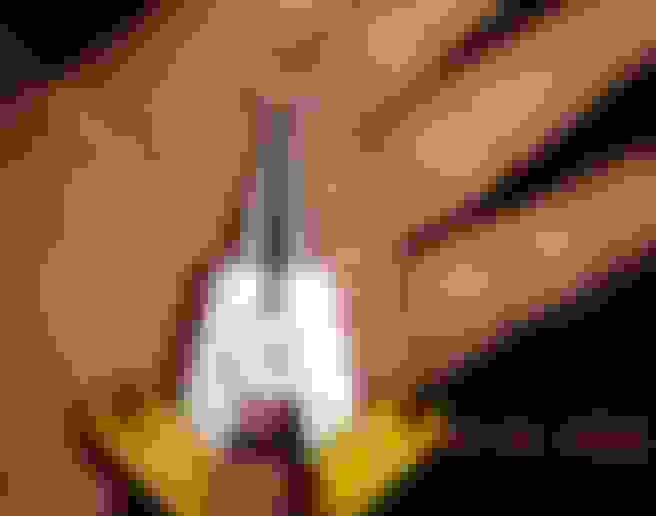
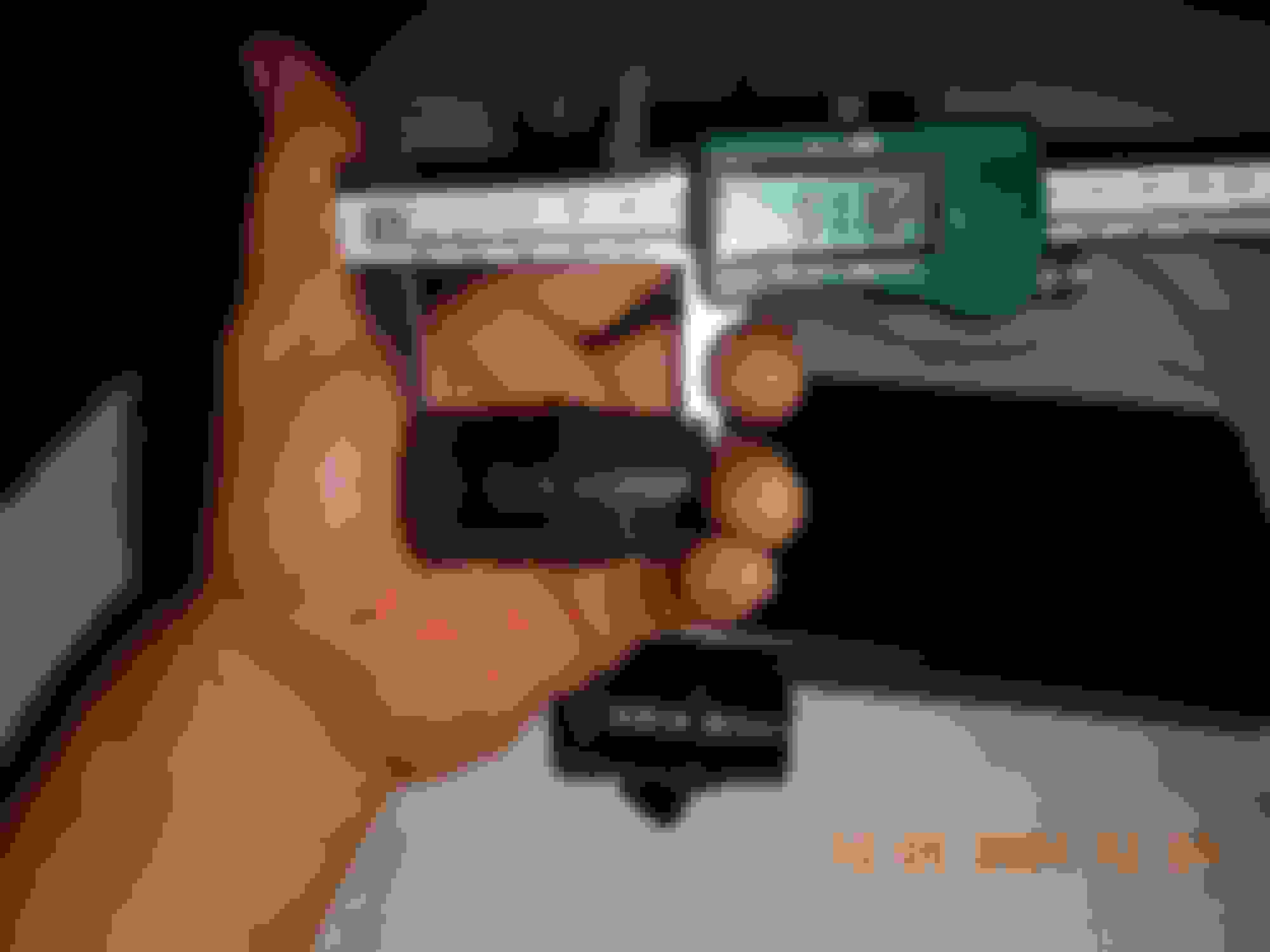
I was lucky when I spotted an o-ring at my plastic parts tray ... where does that come from ?
Why I made a PROFIT of 1 o-ring ?
I kept thinking and realized where it is most likely belongs too.... the 2nd fine mist oil separator.
The green o-ring below, seen on a new oil separator
Blo-ody hell, I already installed the intake manifold !!!
Open up again..... and indeed, no green o-ring at my fine mist 2nd oil separator. It must have followed the pipe and fell LUCKY-LY into my blue parts plastic tray.
If it fell somewhere I did not see, I would have intake leak a bit.
I looked at my 2 days ago 12th May photos archive and there the o-ring tagged along the pipe and did not stay put at the oil separator.
So now the green o-ring is where it should be.....
Lucky you. I do no throw away used unique parts, just in case I need it as reference....
First you must know the puller closed dimension and maximum opening dimension. I mean The "petals" dimension.
This information is based on the pipe we want to remove, in millimeters.
.
.
.
.
Seeing from photo of this tool, its opening is easy extra 6mm total diameter.
Thus a 22mm closed OD will be 28mm open petal OD. All you need is for it to open maximum to no more than 25mm for its petal to bite
the plastic pipe ID.
I bought two tools, but I am sure the more complete one is what I use.
The brand is generic ( ???? ), China made
I am sure I used the 20-24mm petal.
These A to D, you must source yourself. Improvised.
My B and A is from my bushing tool. A you can make from any steel plate. B all you need is a suitable diameter to spread the pushing load of this tool to NOT damage cylinder head.
Item D, you must buy first the petal tool and find its picth and diameter of the female thread, then yuu can buy a bolt or stud long enough as item D.
C, I forgot where I got it from.
I think it could be from my Unit 2 tool....maybe
You can subtitute it with steel plate or aluminum plate, round one.
Please use protection like my yellow/orange PU plastic of 2 or 3mm layer or nylon 66 of 3 mm thick to not damage the cylinder head working region where it will take the load of your "tracker" tool.
The dimension of the cylinder head coolant pipe 'lip". All you need is a round steel plate at 55-57mm OD. It has to have a middle hole of course for you petal tool to enter.
Item B if you need to buy as a pipe, it will then be at least 5mm thick and ID as 40mm, OD as 50mm.
Item B is from this bushing tool :
I am sure I used the pipe of D56-d46 if not the D54-d44 for the coolant pipe work, that means a 5mm thick pipe it is.
D = OD , d = ID
However, the C plate is what is most important.
.
I guess all is clear.
First buy the plastic pipe and use it for simulation of your DIY tools. Item #90
3rd video
Lucky engine this one , techy said it was easy to remove .... , note this is non-turbo M276.
So why it seems my engine is the unlucky one ? Mine so crazy tight
Lucky you. I do no throw away used unique parts, just in case I need it as reference....
First you must know the puller closed dimension and maximum opening dimension. I mean The "petals" dimension.
This information is based on the pipe we want to remove, in millimeters.
.
.
.
.
Seeing from photo of this tool, its opening is easy extra 6mm total diameter.
Thus a 22mm closed OD will be 28mm open petal OD. All you need is for it to open maximum to no more than 25mm for its petal to bite
the plastic pipe ID.
I bought two tools, but I am sure the more complete one is what I use.
The brand is generic ( ???? ), China made
I am sure I used the 20-24mm petal.
These A to D, you must source yourself. Improvised.
My B and A is from my bushing tool. A you can make from any steel plate. B all you need is a suitable diameter to spread the pushing load of this tool to NOT damage cylinder head.
Item D, you must buy first the petal tool and find its picth and diameter of the female thread, then yuu can buy a bolt or stud long enough as item D.
C, I forgot where I got it from.
I think it could be from my Unit 2 tool....maybe
You can subtitute it with steel plate or aluminum plate, round one.
Please use protection like my yellow/orange PU plastic of 2 or 3mm layer or nylon 66 of 3 mm thick to not damage the cylinder head working region where it will take the load of your "tracker" tool.
The dimension of the cylinder head coolant pipe 'lip". All you need is a round steel plate at 55-57mm OD. It has to have a middle hole of course for you petal tool to enter.
Item B if you need to buy as a pipe, it will then be at least 5mm thick and ID as 40mm, OD as 50mm.
Item B is from this bushing tool :
I am sure I used the pipe of D56-d46 if not the D54-d44 for the coolant pipe work, that means a 5mm thick pipe it is.
D = OD , d = ID
However, the C plate is what is most important.
.
I guess all is clear.
First buy the plastic pipe and use it for simulation of your DIY tools. Item #90
Good luck
This is amazing information! Thanks so much! I will try to find these and order them.
3rd video
Lucky engine this one , techy said it was easy to remove .... , note this is non-turbo M276.
So why it seems my engine is the unlucky one ? Mine so crazy tight
LOL yes i saw this and he does say its easy. I wonder how many miles it had.
How many miles was yours when you removed it?
36,000KM at the most.
I think worn out ones will be easy to remove, the silicone seals probably weak and plastic brittle and easy to crack.
Mine is still like new, thus a bi-etch to remove.
Also maybe its because MB Indonesia 50% coolant mix of water , was bad water, thus deposit between the silicone seal and the ALU cylinder head metal
is like crazy glue.
Slideshow: A one-of-one U.S.-spec Mercedes-Benz SLR McLaren Roadster became even rarer after a factory-backed transformation at McLaren's headquarters.








 I like brand new feel of a well maintained car.
















 , even though the device must grip the slippery inner bore of the plastic pipe.





















 which is then a REPAIR job















 ... where does that come from ?