When you click on links to various merchants on this site and make a purchase, this can result in this site earning a commission. Affiliate programs and affiliations include, but are not limited to, the eBay Partner Network.
Had same thing i did windshield frame tailgate both quarters got rid off all the rust new mldgs. had bodyshop grind all out weld in new metal nearly $9000 later looks perfect. Was it worth it prob not paid 60g 5 years ago put 25g into it cant get 50 for it now
I'd imagine the rust issues have been addressed as the current G is a clean sheet design.
Right now, between travel and splitting our time between our home and place in NYC for work, I'm not sure it makes sense to buy a new G.
Still, it seems that no new rust issues have popped up since I implemented my system of drying and protecting the truck, so maybe I'll just have the windscreen surround repaired and leave it at that.
Anyways, I didn't mean to be so curt with you before. I'm just a bit annoyed that a Mercedes of all vehicles has such poor QC (evidentially they forgot all the lessons learned in the 1996-2005 period).
No worries, and I think I understand where you’re coming from. I just don’t think there’s much they can do with the original platform, without a significant redesign... which they have now accomplished.
Given the care and attention you give your cars, I think your G would benefit from a brand new paint application. The original owner(s) most likely did not treat it like you do, which would have accelerated the rust.
How about the NHOU rust protection system and another salt brine removal system I've been seeing on some of the Motortrend TV shows. Maybe that can help. This is certainly a very big issue for the northern states for all vehicles. I'm fortunate to no longer have to deal with salt damage but I haven't forgotten when I did. Good luck. Gs are great vehicles.
Every now and then I oil known problem spots with WD40 corrosion inhibiting oil. These areas include under the front windshield gasket, the door hinges, the moon roof surround and the gaskets surrounding the rear door hinges. It appears that one of the gaskets on mine has over time come loose, leading to a large hole where the hinge meets the door. Perfect for water to get into and rust over time. Seeing this, I sprayed the oil directly in the hole to hopefully displace any pooled water and to slow (or stop) and corrosion from taking place. There is no visible rust at this time. I run a dehumidifier in my garage to keep ambient humidity around 35% (the lowest consumer grade dehumidifiers can reach) but I fear that areas like the aforementioned wont dry out even if left in the dehumidified garage for several days on end.
Anyways, something to look out for on your truck. I've seen a lot of rust in these areas, so it might be worth checking out your 463 to see if the same problem exists.
The dealer recently discovered a foot long line of rust running along the top of the tailgate of my 2017. They are giving me a new tailgate under warranty.
Oh jeez. That's terrible. I'm going to check mine right now lol!
If you have a garage, I implore you to buy a large dehumidifier for it. It will go a long way to slow or prevent rust on other parts of the vehicle.
As a side note, I sat in a new G63 today. WOW what a difference, and the service manager swore to me that he has yet to see rust on a single new G, which is an improvement from the first W463!
(Wait actually I just realized that I had my rear door replaced a few years back so I should be good)
Oh jeez. That's terrible. I'm going to check mine right now lol!
If you have a garage, I implore you to buy a large dehumidifier for it. It will go a long way to slow or prevent rust on other parts of the vehicle.
As a side note, I sat in a new G63 today. WOW what a difference, and the service manager swore to me that he has yet to see rust on a single new G, which is an improvement from the first W463!
(Wait actually I just realized that I had my rear door replaced a few years back so I should be good)
This door is only a few years old, so you may want to check anyway. Why was it replaced?
Another area to consider for lubrication and cleaning.
There are two channels that run the length of the A-pillar. As you can see from the photos, they have an opening on the roof where water can drain down. The ones on my truck were terribly clogged with dirt and debris. I initially tried washing it out with soapy water but that didn't seem to do the trick, so I bought a long, very thin dowel from home depot and used it to de-clog the channel. This seemed to work well. I then rinsed it again with soapy water to remove any loose debris. Finally, I sprayed a considerable amount of WD40 corrosion inhibitor down the channel. Not only did lubrication seep out the bottom of the channel (approximately in front of the upper most front door hinge), but also seeped through the weather stripping and also dripped out from underneath the chassis...I couldn't determine exactly where. I've heard that these areas can develop problems for now they are protected.
Also, WD40 corrosion inhibitor sticks to surfaces pretty well. I applied some to the front of my ML and drove to NYC and back in the rain. When I returned, a thick layer was still on the bumper. Very happy with it thus far.
Another area to consider for lubrication and cleaning.
There are two channels that run the length of the A-pillar. As you can see from the photos, they have an opening on the roof where water can drain down. The ones on my truck were terribly clogged with dirt and debris. I initially tried washing it out with soapy water but that didn't seem to do the trick, so I bought a long, very thin dowel from home depot and used it to de-clog the channel. This seemed to work well. I then rinsed it again with soapy water to remove any loose debris. Finally, I sprayed a considerable amount of WD40 corrosion inhibitor down the channel. Not only did lubrication seep out the bottom of the channel (approximately in front of the upper most front door hinge), but also seeped through the weather stripping and also dripped out from underneath the chassis...I couldn't determine exactly where. I've heard that these areas can develop problems for now they are protected.
Also, WD40 corrosion inhibitor sticks to surfaces pretty well. I applied some to the front of my ML and drove to NYC and back in the rain. When I returned, a thick layer was still on the bumper. Very happy with it thus far.
Excellent information again. Regarding the WD40 corrosion inhibitor, is this temperature/climate resistant? I know regular WD40 can "gunk" up if exposed to outside climate swings, particularly cold.
To be honest, I am not sure. I applied it in my garage which sits around 60 degrees. The spots on my ML, which was subjected to rain and cold (40ish degrees) seems fairly thick, though no different than when initially applied.
So the entire underside of the bonnet is rusted over:
It seems that moisture gets trapped in between the metal and the sound insulation and rusts away. Unbelievable.
That being said, the good thing is it appears that the rust is superficial in nature. I'm going to hit it with a wire brush and get any areas I can't reach (such as behind the two metal strips running vertically) with rust reformer. Then I'll prime with a zinc primer and finish with some rust oleum. This doesn't need to be a particularly good paint job, just one that stops the rust.
Is there any reason to leave the sound dampening in place besides acoustics? I've heard that it does provide some insulation from the engine heat which prevents the paint from warping, but I did this on my old Range Rover without any problem (loved to hear that supercharger whine lol). I may leave it uncovered to ensure proper drying of the metal after it gets wet.
Here is a better picture showing more of the bonnet:
The metal strips come off pretty easily, though the two black foam...pieces(?) that remain are glued on so I'll have to strip them off.
I plan on doing the following to correct this problem:
-wash/degrease the surface
-remove the rust using a wire wheel/drill + a random orbit sander/medium to fine grit sandpaper. While a low grit (more aggressive) pad is typically used, the rust appears to be fairly superficial so that should suffice. Plus, I don't want to have to spend hours moving between heavy and light grits then working to remove any minor pitting/scuffs in the metal.
-apply rust converter
-apply rust encapsulator
-prime with a zinc heavy primer
-black gloss spray paint
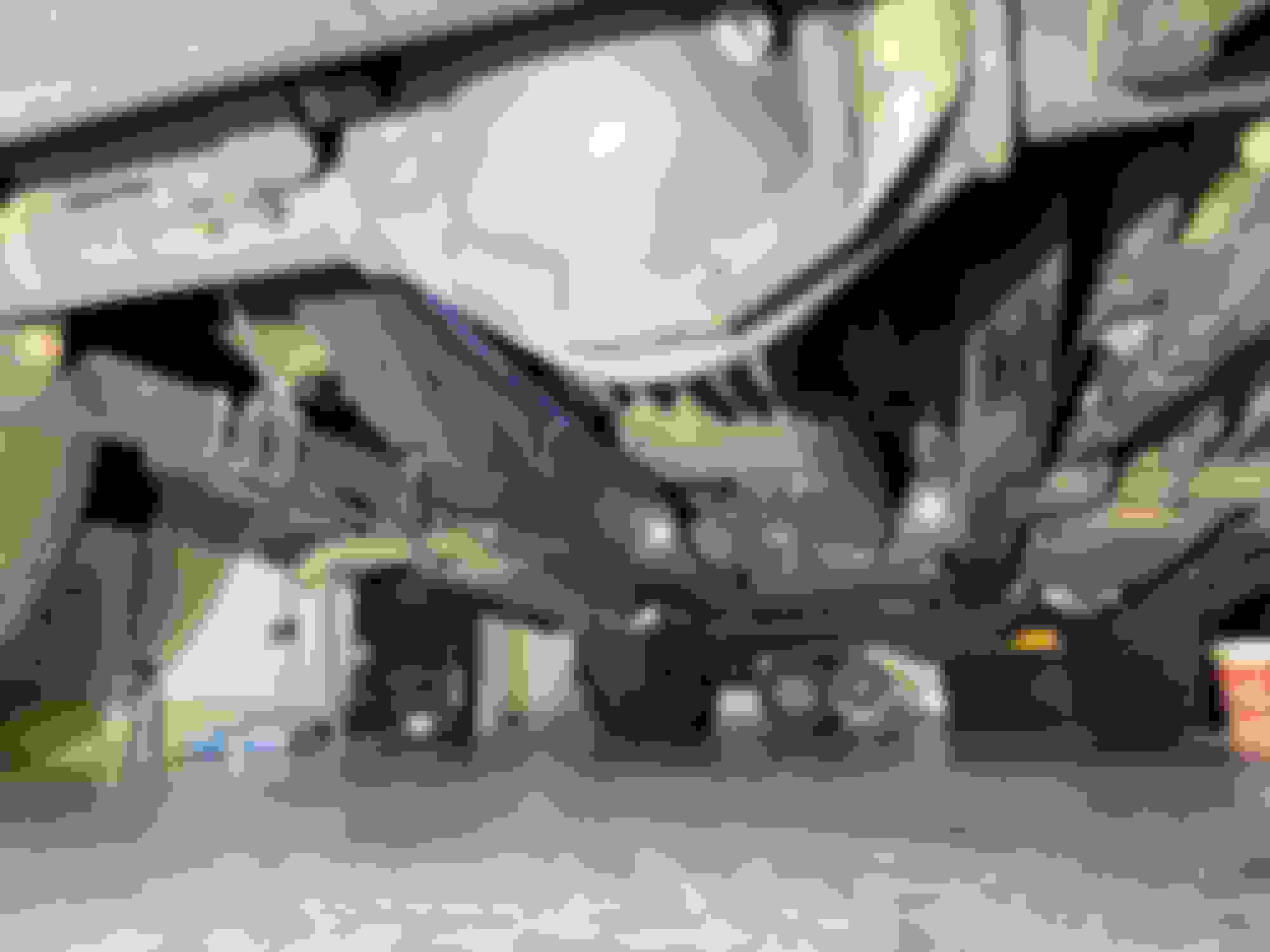
Finally got some pictures underneath...it actually looks way better than I feared:
It looks like I can get away with a light sanding in most spots. The running board brackets are probably the worst visible pieces...they can be removed, dipped in rust remover, sanded down and painted (relatively) easily. I'll probably do a few coats of zinc primer followed up by some Rustoleum big performance spray in satin black. Getting around the straps on the trailing arms might be a bit more challenging, though. Is it safe to cut them and re-fasten once I am done painting?
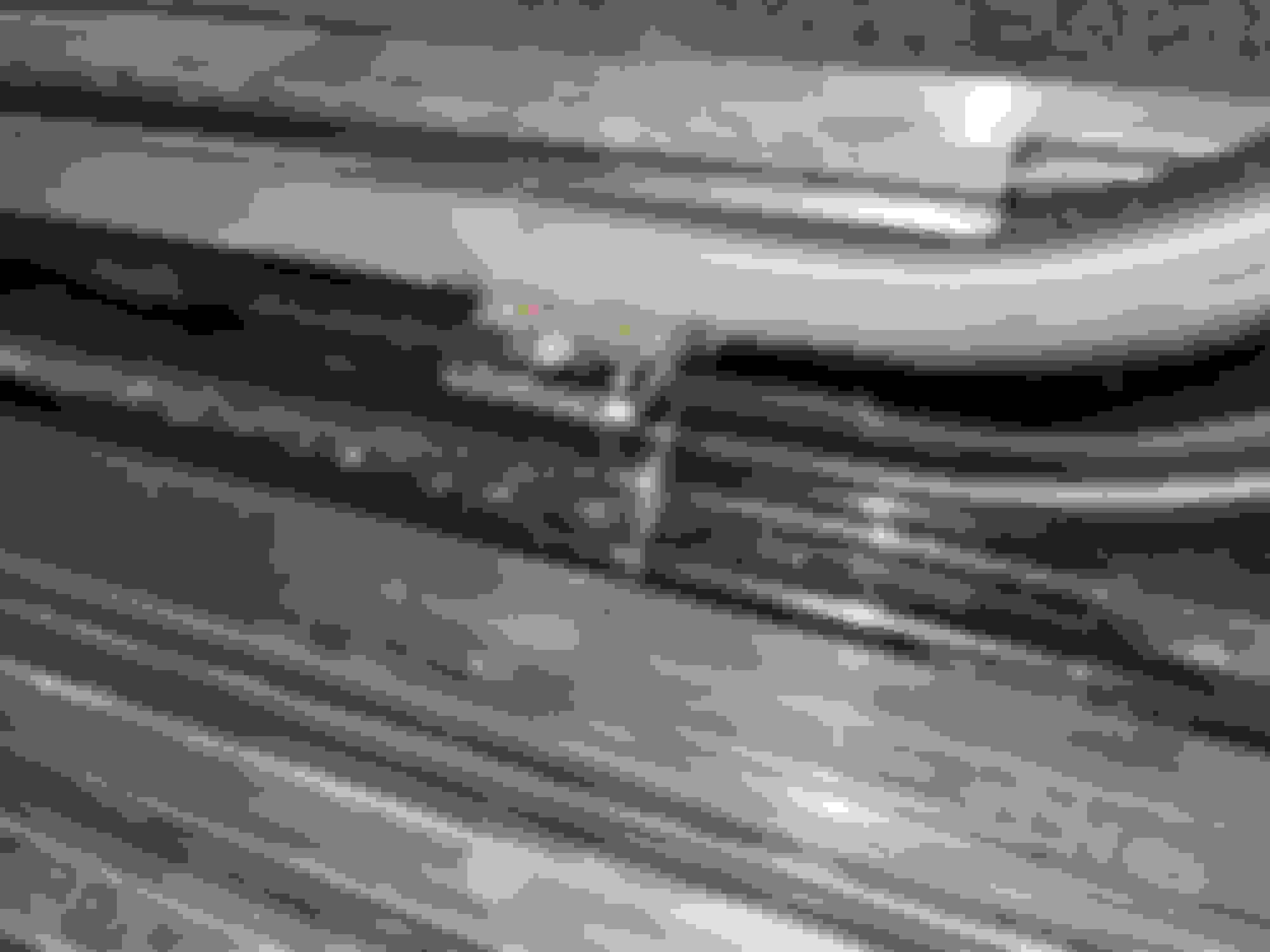
Another rust bubble has started to form on the driver's door door sill. I tried to figure out how to get to the backside of it so I could give it a temporary WD-40 corrosion inhibitor spray but for the life of me I cannot find a way up there. Any ideas?
Spoke to the master tech at my dealership and he advises not to use WD40 for this. It’s too thin and won’t last long.
He recommends - and uses - Wurth Corrosion Protection spray.
Hope this helps.
Spoke to the master tech at my dealership and he advises not to use WD40 for this. It’s too thin and won’t last long.
He recommends - and uses - Wurth Corrosion Protection spray.
Hope this helps.
I'll check that out. Thank you for the suggestion.
I initially used WD40 behind the weather stripping (where it is much more protected from the elements), but switched to WD40 Corrosion Inhibitor, which is much thicker and stickier, when I learned of it. I have sprayed a few areas on the front of the truck just as a control and four months on its still there. Still, I only use it on less exposed parts of the truck.
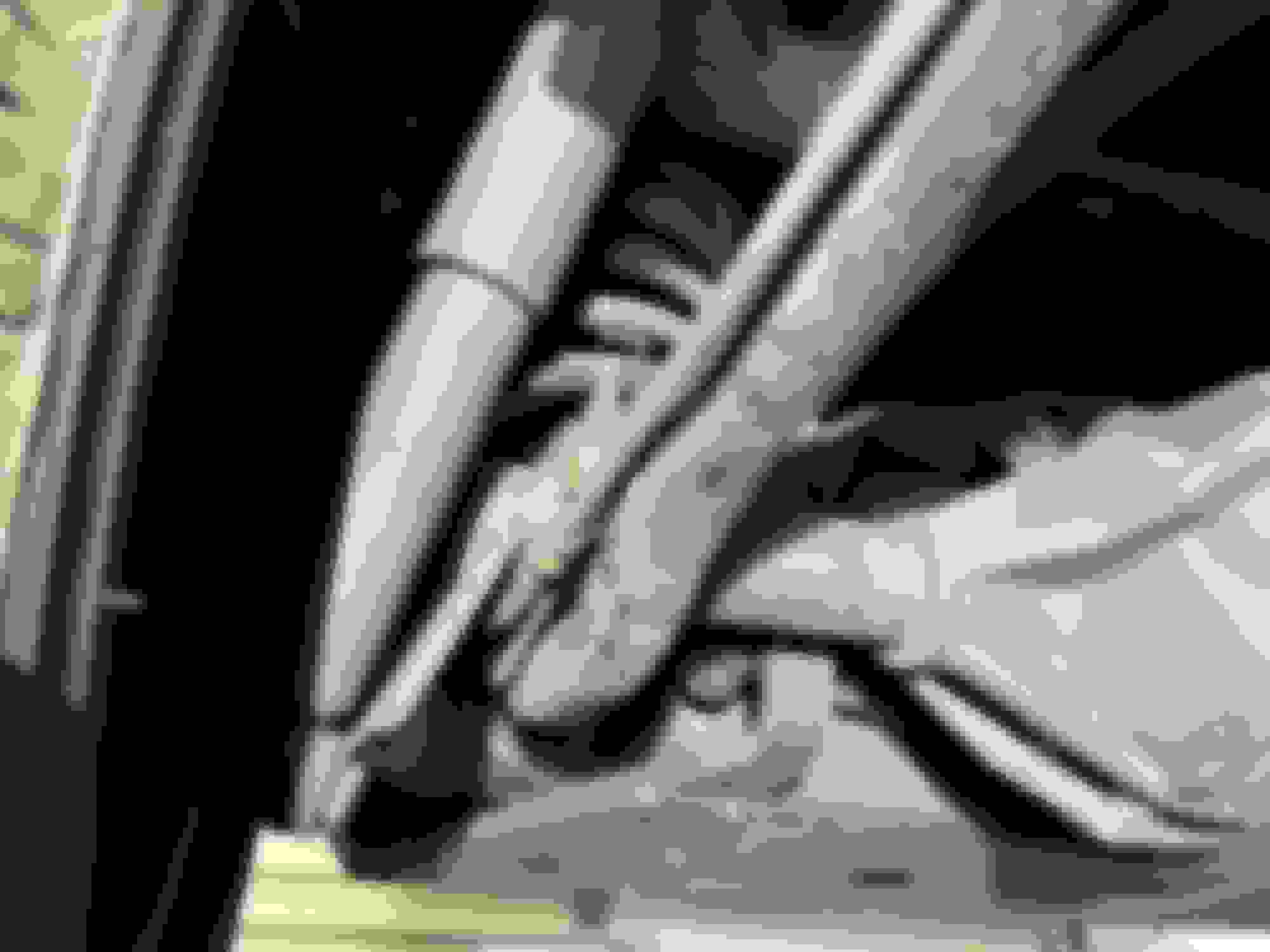
One problem area on the G is the door sills. For the longest time I tried to figure out how to get up under them to coat the metal with rust preventative, and I think I figured out how.
After getting on my creeper and looking underneath the vehicle, I noticed several holes, not more than a few mm wide. When I put a long flexible aerosol straw inside and felt the top of the sill with my other hand, I could feel the tip of the straw tapping on the metal. This allowed me to spray WD40 Corrosion Inhibitor directly into the cavity and onto the metal.
The size of these holes does allow moisture to get in. Unfortunately, even with a dehumidifier in the garage and fans circulating dry air underneath, there is no way to dry these areas out. Oil treatments are the best method of preventing rust.
I'll follow up with better pictures because the first batch were horrible.
Mercedes SLR McLaren 722 S Is Extremely Rare Example Modified by McLaren
Slideshow: A one-of-one U.S.-spec Mercedes-Benz SLR McLaren Roadster became even rarer after a factory-backed transformation at McLaren's headquarters.