When you click on links to various merchants on this site and make a purchase, this can result in this site earning a commission. Affiliate programs and affiliations include, but are not limited to, the eBay Partner Network.
Good to know. I have to do my PCV as it is leaking so I plan on doing whole new Bosch pump and tapit too since I have to remove anyway and they aren't that much $. I'd hate to have to go in again for a failed old pump any time soon anyway. I ordered all the parts to be here in a week then I will try next weekend. So we will see how it works out for me, finger crossed.
last question, how did you relieve the fuel pressure when removing pump, did you just crack a line and cover with a bunch of rags, or get a tool to connect to front of the fuel rail and relieve pressure the 'official' way? I didn't want to spend $ on a tool I will only use once, but was unsure how much of a mess/hazard cracking the fuel line would be.
Good to know. I have to do my PCV as it is leaking so I plan on doing whole new Bosch pump and tapit too since I have to remove anyway and they aren't that much $. I'd hate to have to go in again for a failed old pump any time soon anyway. I ordered all the parts to be here in a week then I will try next weekend. So we will see how it works out for me, finger crossed.
last question, how did you relieve the fuel pressure when removing pump, did you just crack a line and cover with a bunch of rags, or get a tool to connect to front of the fuel rail and relieve pressure the 'official' way? I didn't want to spend $ on a tool I will only use once, but was unsure how much of a mess/hazard cracking the fuel line would be.
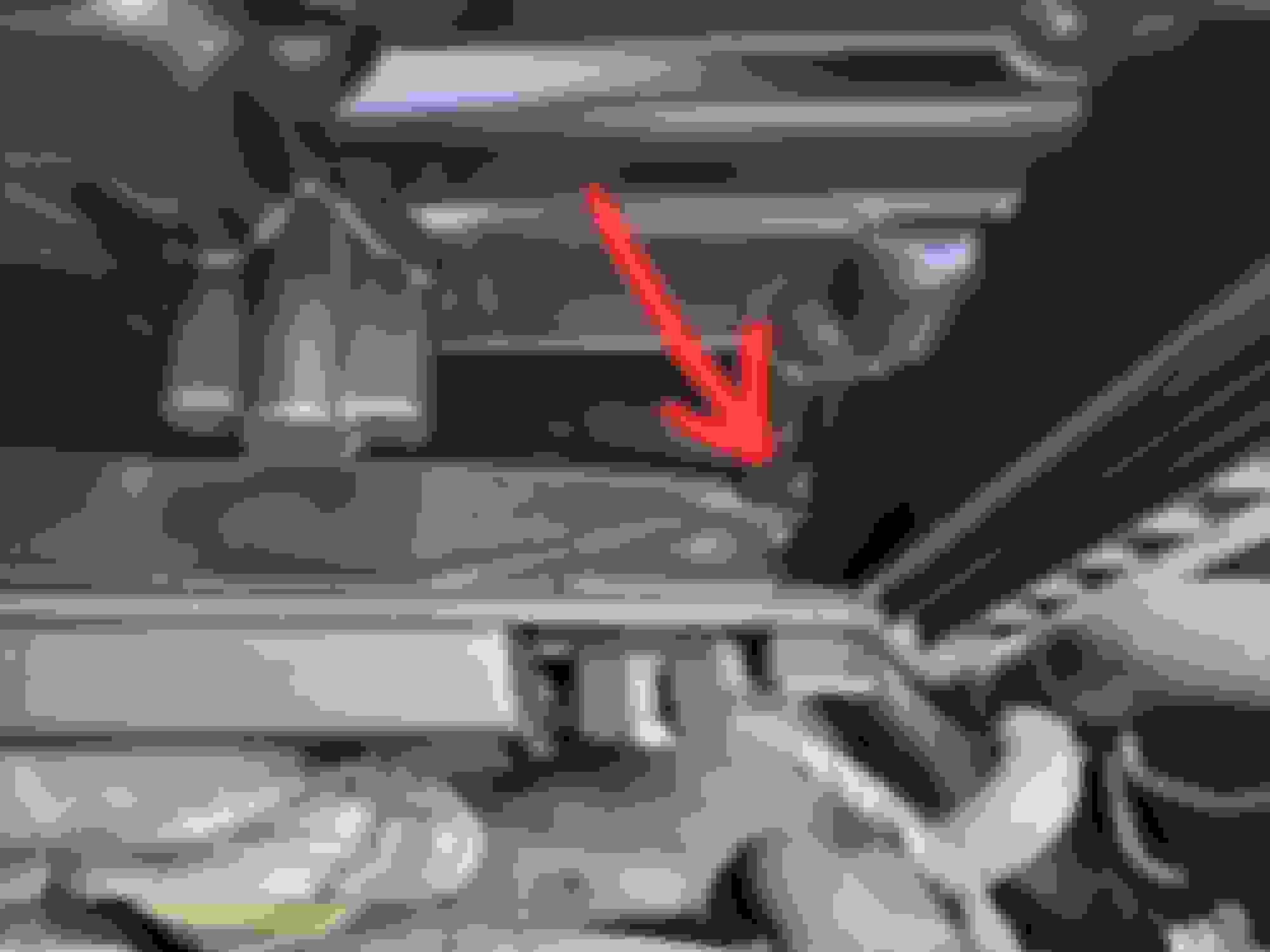
About the release of pressure, I just loosened the connectors, and let it drain with rags in place; not much came out. Do make sure your battery is disconnected, so no possible spark issues occur. Also, keep in mind, I had to loosen the fuel line connections even on the driver side of the engine in order to completely disconnect the pump.
Also, consider changing Tappet housing, which is what MB recommends (and it makes sense). I would only change the centrifuge if you see any wear on the surface of the cylinder wall making contact with the "PCV" Seal (Seal barely puts any force onto the Centrifuge wall). If you have not changed the 6 rubber gaskets at the intake plenum connection to the lower section of the intake (probably done if spark plugs/coils changed), I would also have those handy---you are going to remove the top section of the intake manifold.
BTW, how did you find the documents attached to you post yesterday?
2015 SL400 (M276 Turbo), 2014 C350 Sport (M276 NA), 2004 SL500 (M113), 2004 Audi TT225 (BEA)
Originally Posted by CERNICALO1
...BTW, how did you find the documents attached to you post yesterday?
They are probably in the WIS, though I haven't checked. Which brings up a point to make. If you are going to work on your car, you should have two things: A good MB specific scanner, like the
, and a copy of the WIS/ASRA/EPC. The WIS/ASRA/EPC are the electronic shop manual and parts catalog. Search eBay. They run about $20 for a copy that will run on a Virtual Machine (https://www.virtualbox.org/) on your PC or Intel processor MAC. Unless you are really into screwing around with software, get the version that runs on VirtualBox.
I also changed my air filter and found strange white oil, similar to yours in the picture, but much more. Could you help me understand what this could be? Thank you for any help.
Originally Posted by CERNICALO1
As much as I would like to find data regarding a solution to this issue, which would require others to perform work in the area in question, I would suggest you to hold still until a more definitive diagnosis is revealed. Also, the MB document you posted earlier may be referencing the NORMAL pinging and clapping these engines make (like a low diesel engine rumble), due to their HPFP in normal operation - you can confirm by comparing to lower mileage vehicle without any work done to HPFP (OR PCV Valve components).
-Note, the sound in my vehicle is a (light) knock, knock, knock sound which is heard more from the cabin than outside the vehicle - although the noise definitely comes from the engine and follows "engine speed" (Valve?/Crank?/Spark? - cannot tell), and I have traced it with a stethoscope same as you.
--I have deduced there is a spring element involved, because even after 6K miles, it has not diminished - If there had been a definite interference (e.g., Spark-Plug/Piston, or Valve/Piston), one of the parts would deform, and the knocking would subside --- and major misfire would ensue, which has not happened at all in my vehicle.--- HOWEVER, I did notice engine lost about 80% of a quart of oil in 7K Miles, which was never the case before I worked on the PCV-HPFP area.
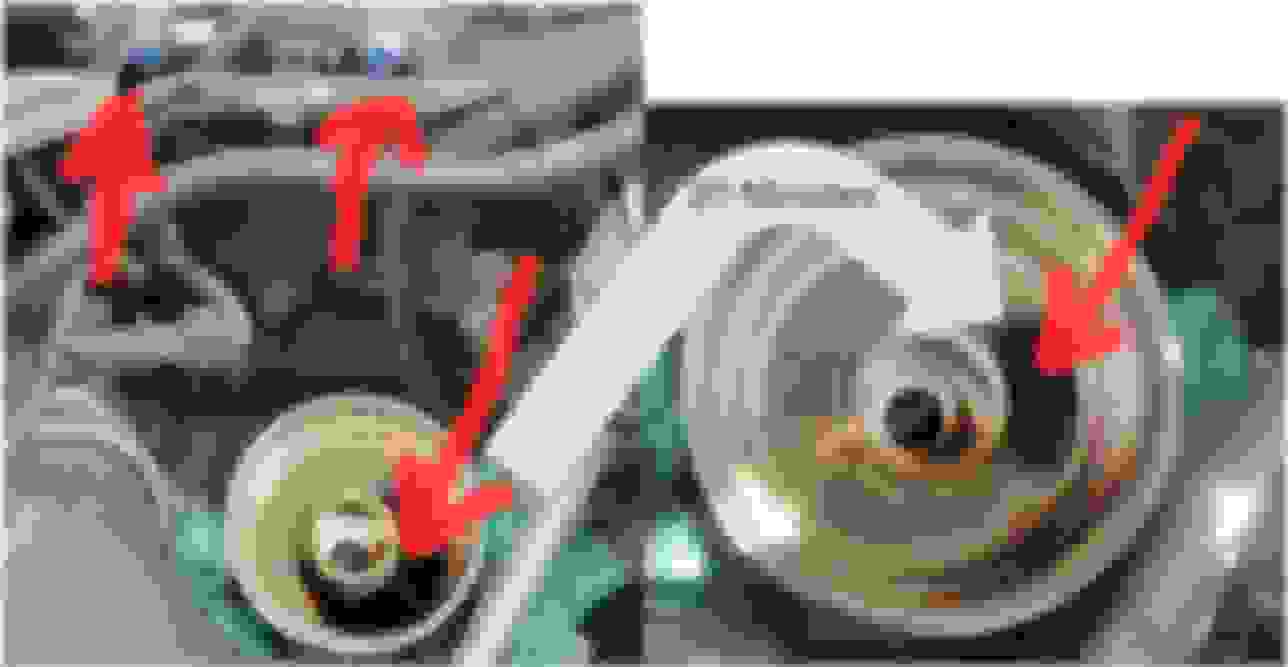
See Pics Below:
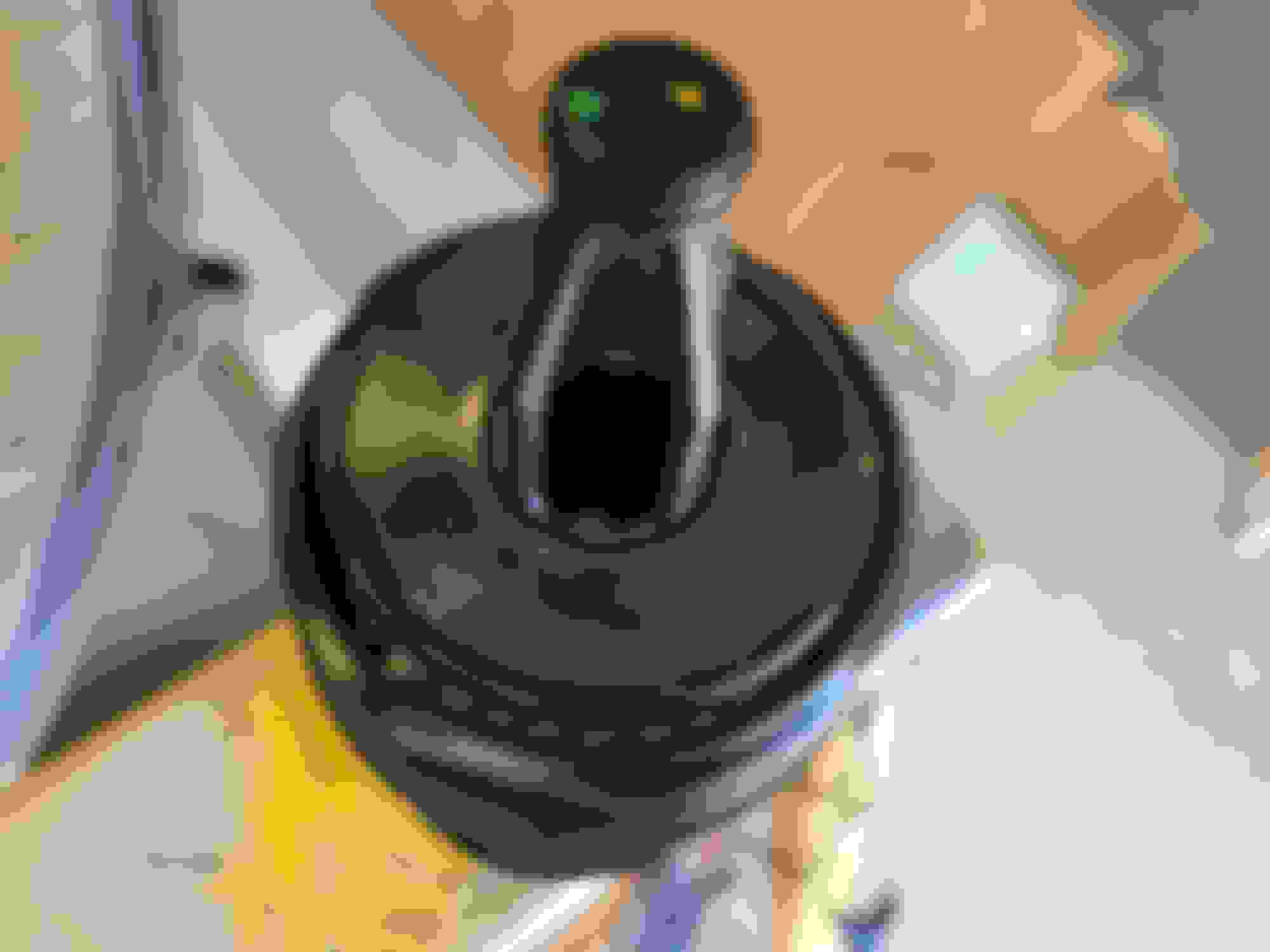
Saddest of all for me, after all the work to replace the PCV system components, which is what got me in the jam of removing HPFP, I still found traces of oil in the Air Filter box only 6K miles later: Oil in Engine Air Filter Box
Just in case it makes any difference to anyone working on this issue, please also note, my engine (276) seems to have had the oil check valves in stalled (blue head bolts indicators [Factory?, 2015 model year]), and when the oil filter is removed, it takes about 20 minutes for the oil in its basin to drain to the oil pan - I drain oil by the bottom at every oil change (please do not start debate about this practice).
Lastly, I have always used the exact same filter MB sells for the vehicle, although I purchased it directly from manufacturer and before MB stamp is placed on it.