SL55/63/65/R230 AMG: overZealous1's build thread

Thread Starter
MBWorld Fanatic!
Joined: Sep 2012
Posts: 1,009
Likes: 2
sl55 amg
thanks shardul. that car will be a beast! engine itself is pretty tame and only 385hp by itself. will putt around like a stock car. torque peak at 3200rpm of about 390. should spool turbo's up quickly then crest over 1000rwhp. in 6th gear at 60mph, should be at only 1300 rpm. so, it should knock out high 20's easily for gpm too.
channeling body over new frame, so my total ground clearance will still be set at 3.25". pretty high for a car that will look undriveable! tons of planning going into that one. will try to finish it at the level of looking all stock. will take years.
channeling body over new frame, so my total ground clearance will still be set at 3.25". pretty high for a car that will look undriveable! tons of planning going into that one. will try to finish it at the level of looking all stock. will take years.
MB World Stories
The Best of Mercedes & AMG

Manual Mercedes? 6 Times Sindelfingen Let Drivers Have All The Fun
Verdad Gallardo
Mercedes SLR McLaren 722 S Is Extremely Rare Example Modified by McLaren
Verdad Gallardo
8 Classic Boxy Mercedes Designs That Have Aged Like Fine Wine
Verdad Gallardo
Flawlessly Restored Mercedes 190E Evo II Heads to Auction
Verdad Gallardo
Electric Mercedes C-Class Unveiled: 11 Things You Need to Know
Verdad Gallardo
Mercedes EQS Gets A Major Update: Everything You Need to Know
Verdad Gallardo
5 Underrated Mercedes-Benz Models That Don't Get the Love They Deserve
Verdad Gallardo
Mercedes 300D Has Pushed Well Past 1 Million Miles and It Ain't Stopping
Verdad Gallardo
10 Most Reliable Mercedes-Benz Models You Can Buy Used
Verdad Gallardo
Thread Starter
MBWorld Fanatic!
Joined: Sep 2012
Posts: 1,009
Likes: 2
sl55 amg
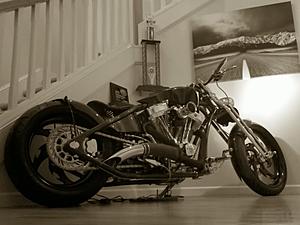
thanks guys. been a pretty serious hobby of mine since about 15yo. here is a bike i built a couple years ago. built it just because i had never built one and wanted to try it out. only has 10 break in miles on it. sits in my entranceway as a conversation piece. it is for sale if anyone is interested. it won best hand built and best engine overall at a big isca event. could have pretty eaily taken the west title if i had time to show it more.
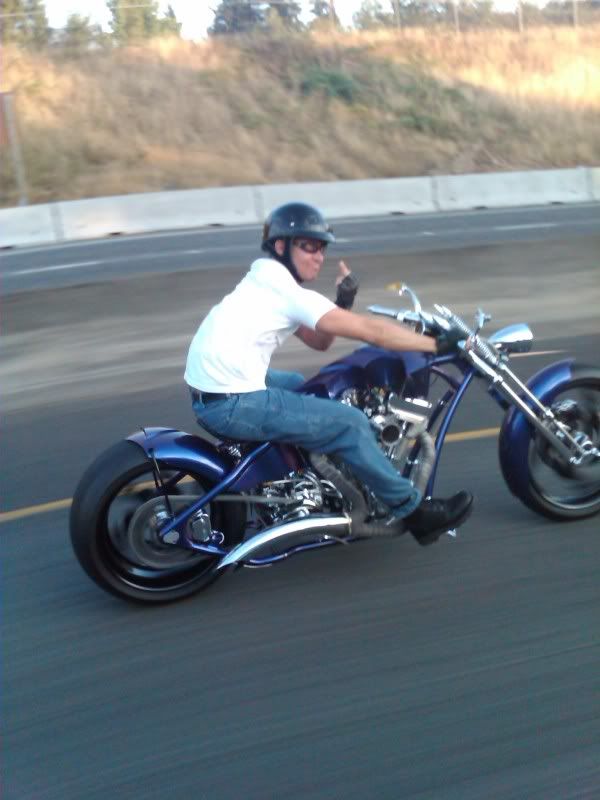 thats my friend breaking it in, so photochop all ya want, haha.
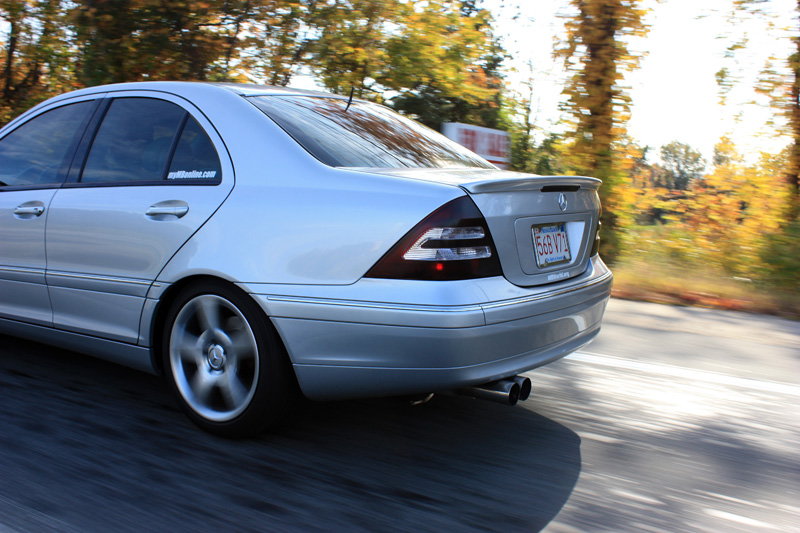
my old manta mirage. was a garage find. built in 1980, driven 1600 miles, then stored for 20+ years. had to rebuild from ground up. was told it was one of the best original manta cars out there left. i only added the newer wheels and upgraded a few things in motor. was an original lt-1!
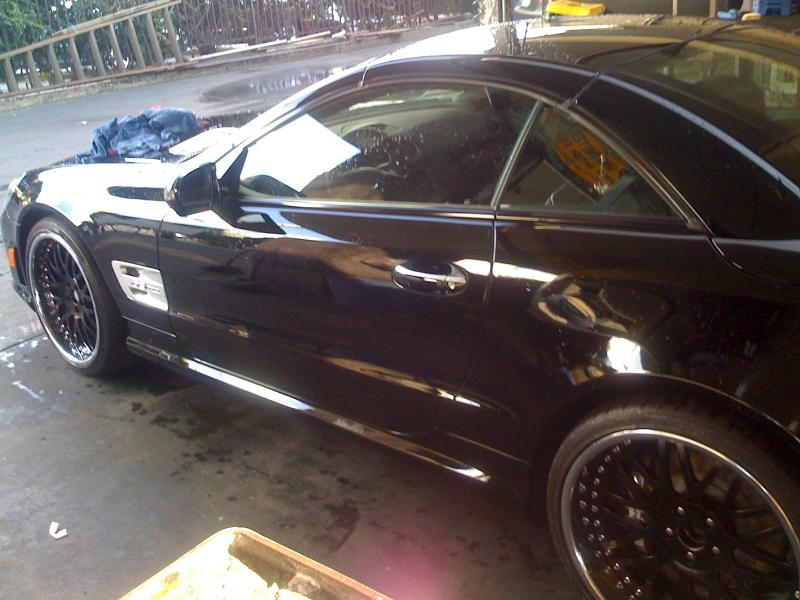
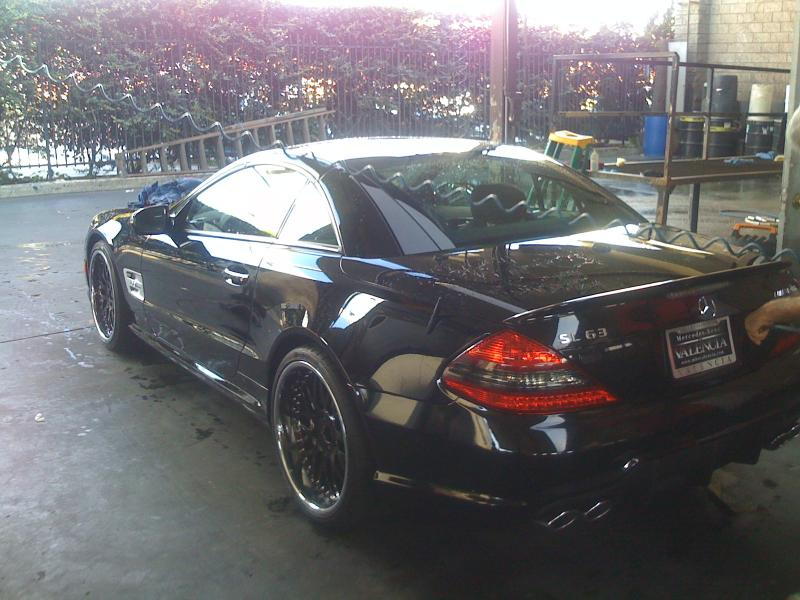
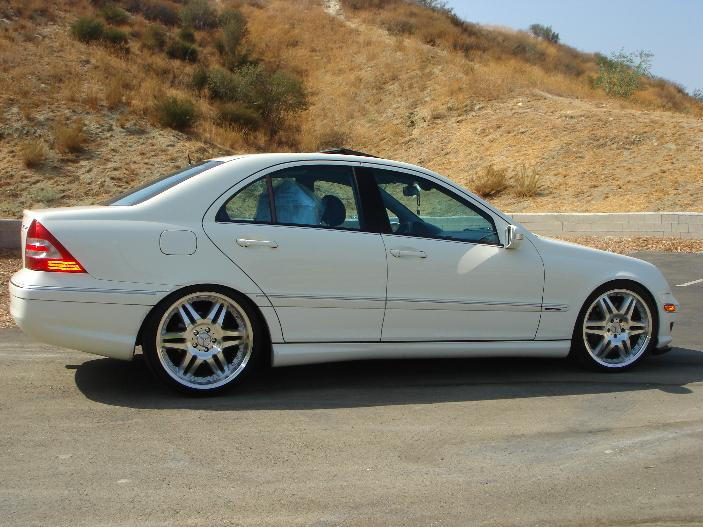
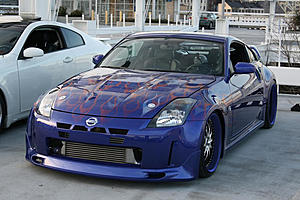
my old 350z. bought new in 03. spent 5 years building car. had a decent product line of parts i built and sold for others. built motor, tt, haltech, nitrous, and all the bells and whistles. miss it.
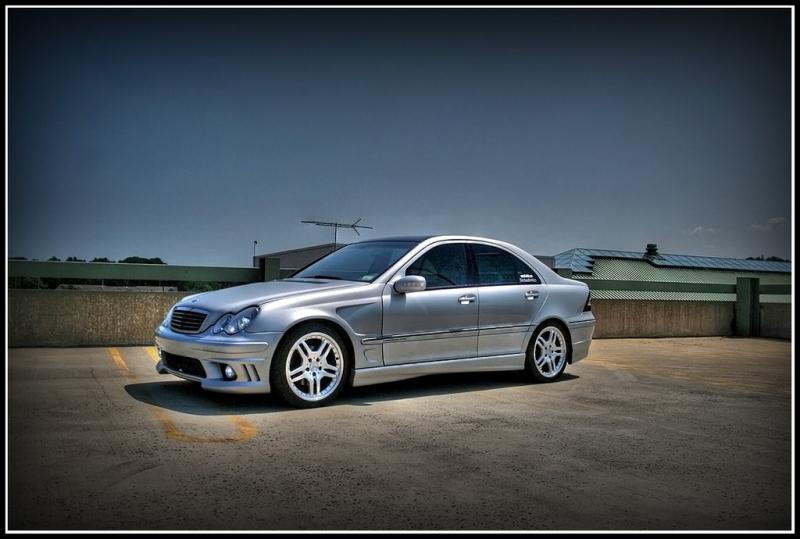
my old viper gts venom 650r i sold to get the sl55.
there is a reason for my screen name. i just jump in both feet and go for it! lol. i do all the painting, engine building, fab work, design, interior, and everything else. about the only thing i source out is mounting/balancing tires, tuning, and occasionally alignments. i used to have a good sized shop for over 10 years i leased for just building my own stuff, but about 1.5 years ago had to move out due to lease end and property owner changing uses. so now trying to do all this in a 3 car garage. needless to say, i have to pick just one project at a time.
thanks for the compliments everyone.

 thats my friend breaking it in, so photochop all ya want, haha.
my old manta mirage. was a garage find. built in 1980, driven 1600 miles, then stored for 20+ years. had to rebuild from ground up. was told it was one of the best original manta cars out there left. i only added the newer wheels and upgraded a few things in motor. was an original lt-1!


my old 350z. bought new in 03. spent 5 years building car. had a decent product line of parts i built and sold for others. built motor, tt, haltech, nitrous, and all the bells and whistles. miss it.


my old viper gts venom 650r i sold to get the sl55.


there is a reason for my screen name. i just jump in both feet and go for it! lol. i do all the painting, engine building, fab work, design, interior, and everything else. about the only thing i source out is mounting/balancing tires, tuning, and occasionally alignments. i used to have a good sized shop for over 10 years i leased for just building my own stuff, but about 1.5 years ago had to move out due to lease end and property owner changing uses. so now trying to do all this in a 3 car garage. needless to say, i have to pick just one project at a time.
thanks for the compliments everyone.



MBWorld Fanatic!
Joined: Feb 2009
Posts: 1,908
Likes: 17
From: Florida
03SL55
That Manta has got to be a handful with that healthy looking SBC. Any sound clips?
Now that is a custom bike. I've got a 2001 Bourgets with a similar color shifting paint, worth schit now. Love the springer front end and that tank is outrageous.
Now that is a custom bike. I've got a 2001 Bourgets with a similar color shifting paint, worth schit now. Love the springer front end and that tank is outrageous.
Thread Starter
MBWorld Fanatic!
Joined: Sep 2012
Posts: 1,009
Likes: 2
sl55 amg
ya, i built the bike as kind of an investment/money maker, economy went to hell about 1 month before it was finished. should have been a $40-45k bike, now, i'm lucky to just get the parts cost back and it is still new!!! so it sits.
MBWorld Fanatic!
Joined: Feb 2009
Posts: 1,908
Likes: 17
From: Florida
03SL55
Same boat. Built mine in 2001 and could have sold it for 10k more than what it cost to build back in 05. What a dope. Now I'd be lucky to get a Weistec blower with the money. Hey now thats an idea.
Thread Starter
MBWorld Fanatic!
Joined: Sep 2012
Posts: 1,009
Likes: 2
sl55 amg
if i do anything, it would be exhausts. i think some of the prices guys are charging is pretty insane. it is a pretty simple design and mostly symmetrical. i feel it's the reason so many people just take it to muffler shops and have resonators removed and other simple things, a full exhaust is so spendy. a cheaper quality alternative could sell well. going to test my favorite muffler resonator combo on my car and see how it sounds. it made my Z sound like a v8!

Super Member
Joined: Feb 2011
Posts: 571
Likes: 5
From: Sweden
SL55AMG + SL600 + E320 + A180
Thermal Protection
overZealous1; you must be the right man to ask about ceramic thermal barriers. Have you ever had any experience with this?
It's a plasma-sprayed ceramic coating mostly applied to exhaust manifolds to keep temperature down (offering a significant reduction in external temperature for up to 33%) and can be used on many material. (stainless steel, carbon and some plastic)
I saw this in Essen; Germany (Classic Car) and it comes in several fine colors. As said - it's designed for the exhaust manifolds (many racing teams use it) but it's also used for customization and I was thinking compressor; cylinder head covers etc. but is it desirable to "lock-up heat" in those parts?
It's a plasma-sprayed ceramic coating mostly applied to exhaust manifolds to keep temperature down (offering a significant reduction in external temperature for up to 33%) and can be used on many material. (stainless steel, carbon and some plastic)
I saw this in Essen; Germany (Classic Car) and it comes in several fine colors. As said - it's designed for the exhaust manifolds (many racing teams use it) but it's also used for customization and I was thinking compressor; cylinder head covers etc. but is it desirable to "lock-up heat" in those parts?
Thread Starter
MBWorld Fanatic!
Joined: Sep 2012
Posts: 1,009
Likes: 2
sl55 amg
the parts you are talking about do not go through much heat. the ceramic coatings are designed for much more. the parts you are talking about can be painted with things with much lower thresholds. engine paint (which most claim some ceramic content) will hold up great and are very strong. powder coat will only hold up to about 400 degrees, but is still fine for almost any under hood part except exhaust.
yes, i do have experience with the ceramic coatings. i have done turbine housings inside and out, exhaust manifolds inside and out. surface prep is the main thing with those. they are under pretty extreme conditions typically. you start with a surface prep of glass bead, then spray on a coat. bake at 500 for 30 mins, then repeat coats and bake 2 more times. final cure can happen in an oven at 1500, or, typically you install and let the exhaust temps do your final cure.
the materials are fairily cheap and i have used gas bbq's to hit the 500 degree initial bake temps between coats. lol. they have held up perfectly.
now, lets look at the reasons and purpose for wanting to do such a thing. keeping heat in the exhaust keeps the gases excited holding the energy in (heat is energy) to help keep the flow (or expansion) up. the side effects attributes is less underhood temps or damage to electronics or others. on a street car, the latter would be the best reasons to do it. depending on materials used in the exhaust, the extra heat now trapped in the exhaust can do things later in the exhaust route. i personally have gotten the exhaust so hot i deformed s.s. downpipes. with ceramic coating and heat wrapping, you can almost touch the headers without getting burned. but, that heat passes on down the system. it will be in a better area to dissipate though with more air circulation and not trapped under hood.
if you want to skip the overpriced coating companies, here is a link to a company that will sell raw materials to the public. http://www.techlinecoatings.com/Exhaust.html
yes, i agree with them, but for a street car, primariy for controlling underhood temps. i have yet to see a dyno show any gains, but in a competitive effort, anything is an advantage.
in thermal coatings, it can go alot deeper. piston top and cylinder head quench areas also have been done. in an effort to keep the heat (energy again) from escaping. in all out race efforts with frequent rebuilds, sure, why not. in a street car, they will not last.
i painted my supercharger for the fun of it. i feel that with a trunk water tank and other mods, it will be fine. alum has one of the highest heat dissipation rates though. certain coatings can even help this dissipation, but simple paint will not. i am doing enough internal cooling mods that the minimal heat dissipation loss once heat soak sets in will be almost negligible and taken care of internally. the rough cast surface of the blower and intakes can give more surface area to dissipate heat, that only is if the heat generated outside is less. hence, a reason to keep temps cool underhood.
i probably answered your question earlier, but, it is definately a discussion open for debate and many variables that come into play.
yes, i do have experience with the ceramic coatings. i have done turbine housings inside and out, exhaust manifolds inside and out. surface prep is the main thing with those. they are under pretty extreme conditions typically. you start with a surface prep of glass bead, then spray on a coat. bake at 500 for 30 mins, then repeat coats and bake 2 more times. final cure can happen in an oven at 1500, or, typically you install and let the exhaust temps do your final cure.
the materials are fairily cheap and i have used gas bbq's to hit the 500 degree initial bake temps between coats. lol. they have held up perfectly.
now, lets look at the reasons and purpose for wanting to do such a thing. keeping heat in the exhaust keeps the gases excited holding the energy in (heat is energy) to help keep the flow (or expansion) up. the side effects attributes is less underhood temps or damage to electronics or others. on a street car, the latter would be the best reasons to do it. depending on materials used in the exhaust, the extra heat now trapped in the exhaust can do things later in the exhaust route. i personally have gotten the exhaust so hot i deformed s.s. downpipes. with ceramic coating and heat wrapping, you can almost touch the headers without getting burned. but, that heat passes on down the system. it will be in a better area to dissipate though with more air circulation and not trapped under hood.
if you want to skip the overpriced coating companies, here is a link to a company that will sell raw materials to the public. http://www.techlinecoatings.com/Exhaust.html
yes, i agree with them, but for a street car, primariy for controlling underhood temps. i have yet to see a dyno show any gains, but in a competitive effort, anything is an advantage.
in thermal coatings, it can go alot deeper. piston top and cylinder head quench areas also have been done. in an effort to keep the heat (energy again) from escaping. in all out race efforts with frequent rebuilds, sure, why not. in a street car, they will not last.
i painted my supercharger for the fun of it. i feel that with a trunk water tank and other mods, it will be fine. alum has one of the highest heat dissipation rates though. certain coatings can even help this dissipation, but simple paint will not. i am doing enough internal cooling mods that the minimal heat dissipation loss once heat soak sets in will be almost negligible and taken care of internally. the rough cast surface of the blower and intakes can give more surface area to dissipate heat, that only is if the heat generated outside is less. hence, a reason to keep temps cool underhood.
i probably answered your question earlier, but, it is definately a discussion open for debate and many variables that come into play.

Super Member
Joined: Feb 2011
Posts: 571
Likes: 5
From: Sweden
SL55AMG + SL600 + E320 + A180
the parts you are talking about do not go through much heat. the ceramic coatings are designed for much more. the parts you are talking about can be painted with things with much lower thresholds. engine paint (which most claim some ceramic content) will hold up great and are very strong. powder coat will only hold up to about 400 degrees, but is still fine for almost any under hood part except exhaust.
yes, i do have experience with the ceramic coatings. i have done turbine housings inside and out, exhaust manifolds inside and out. surface prep is the main thing with those. they are under pretty extreme conditions typically. you start with a surface prep of glass bead, then spray on a coat. bake at 500 for 30 mins, then repeat coats and bake 2 more times. final cure can happen in an oven at 1500, or, typically you install and let the exhaust temps do your final cure.
the materials are fairily cheap and i have used gas bbq's to hit the 500 degree initial bake temps between coats. lol. they have held up perfectly.
now, lets look at the reasons and purpose for wanting to do such a thing. keeping heat in the exhaust keeps the gases excited holding the energy in (heat is energy) to help keep the flow (or expansion) up. the side effects attributes is less underhood temps or damage to electronics or others. on a street car, the latter would be the best reasons to do it. depending on materials used in the exhaust, the extra heat now trapped in the exhaust can do things later in the exhaust route. i personally have gotten the exhaust so hot i deformed s.s. downpipes. with ceramic coating and heat wrapping, you can almost touch the headers without getting burned. but, that heat passes on down the system. it will be in a better area to dissipate though with more air circulation and not trapped under hood.
if you want to skip the overpriced coating companies, here is a link to a company that will sell raw materials to the public. http://www.techlinecoatings.com/Exhaust.html
yes, i agree with them, but for a street car, primariy for controlling underhood temps. i have yet to see a dyno show any gains, but in a competitive effort, anything is an advantage.
in thermal coatings, it can go alot deeper. piston top and cylinder head quench areas also have been done. in an effort to keep the heat (energy again) from escaping. in all out race efforts with frequent rebuilds, sure, why not. in a street car, they will not last.
i painted my supercharger for the fun of it. i feel that with a trunk water tank and other mods, it will be fine. alum has one of the highest heat dissipation rates though. certain coatings can even help this dissipation, but simple paint will not. i am doing enough internal cooling mods that the minimal heat dissipation loss once heat soak sets in will be almost negligible and taken care of internally. the rough cast surface of the blower and intakes can give more surface area to dissipate heat, that only is if the heat generated outside is less. hence, a reason to keep temps cool underhood.
i probably answered your question earlier, but, it is definately a discussion open for debate and many variables that come into play.
yes, i do have experience with the ceramic coatings. i have done turbine housings inside and out, exhaust manifolds inside and out. surface prep is the main thing with those. they are under pretty extreme conditions typically. you start with a surface prep of glass bead, then spray on a coat. bake at 500 for 30 mins, then repeat coats and bake 2 more times. final cure can happen in an oven at 1500, or, typically you install and let the exhaust temps do your final cure.
the materials are fairily cheap and i have used gas bbq's to hit the 500 degree initial bake temps between coats. lol. they have held up perfectly.
now, lets look at the reasons and purpose for wanting to do such a thing. keeping heat in the exhaust keeps the gases excited holding the energy in (heat is energy) to help keep the flow (or expansion) up. the side effects attributes is less underhood temps or damage to electronics or others. on a street car, the latter would be the best reasons to do it. depending on materials used in the exhaust, the extra heat now trapped in the exhaust can do things later in the exhaust route. i personally have gotten the exhaust so hot i deformed s.s. downpipes. with ceramic coating and heat wrapping, you can almost touch the headers without getting burned. but, that heat passes on down the system. it will be in a better area to dissipate though with more air circulation and not trapped under hood.
if you want to skip the overpriced coating companies, here is a link to a company that will sell raw materials to the public. http://www.techlinecoatings.com/Exhaust.html
yes, i agree with them, but for a street car, primariy for controlling underhood temps. i have yet to see a dyno show any gains, but in a competitive effort, anything is an advantage.
in thermal coatings, it can go alot deeper. piston top and cylinder head quench areas also have been done. in an effort to keep the heat (energy again) from escaping. in all out race efforts with frequent rebuilds, sure, why not. in a street car, they will not last.
i painted my supercharger for the fun of it. i feel that with a trunk water tank and other mods, it will be fine. alum has one of the highest heat dissipation rates though. certain coatings can even help this dissipation, but simple paint will not. i am doing enough internal cooling mods that the minimal heat dissipation loss once heat soak sets in will be almost negligible and taken care of internally. the rough cast surface of the blower and intakes can give more surface area to dissipate heat, that only is if the heat generated outside is less. hence, a reason to keep temps cool underhood.
i probably answered your question earlier, but, it is definately a discussion open for debate and many variables that come into play.
Nothing beats the experiences gained by doing it yourself so thanks for the info.
 It must have been a road full of twist and bumps
The temperatures I have to reach for doing it yourself ...... 260 C is perhaps possible but the 800 C. do not look reachable unless we're talking exhaust manifolds and baking engine-parts in the bbq could be possible but guess people will start talking then ........

Well - I see your reasons of not applying this to engine parts and so in a street car as a performs gain but as I'm in process of doing a kind of overhaul of my engine, then the opportunity for customization is presence.
I have to shift the pulley on the compressor (bearing gone to bearing-heaven and the AC - also went to AC heaven). For the compressor I have decided to go for Eurocharge smaller pulley then I will not need to do the cooling upgrade but was thinking it could be a good idea to see if it was possible to get the warmth down in the engine-bay while I was add it?
(http://www.eurocharged.com/index.php...art&Itemid=153)
What I saw in Essen does not sound like the type of coating you talke about since this is applied with temperatures of 18.000 F !! This is plasma tecnic: http://www.zircotec.com/page/plasma-spray-processing/39
Also here's a few of the "sale points":
Q31. What temperature reduction can I expect with my coated exhaust.... - Our Performance RangeTM offers typical surface temperature reductions of 33%; so if your uncoated exhaust operates at say 600oC , then our ceramic coating will reduce this to just 400oC (so a massive 200oC reduction). This has a major impact on the amount of heat escaping into the engine compartment, and on the temperature of components close to the exhaust. Our ceramic coating has in fact been demonstrated to reduce general underbonnet temperatures by up to 50oC (122oF).
Q32. Will your ceramic exhaust coating improve performance - Engine performance is improved in a number of ways:
- By reducing engine bay temperatures our coating can help reduce intake air temperature. A drop in intake air temperature of just 30oC can deliver a 6% increase in power (or increase engine efficiency leading to less fuel usage), and our coating has in fact been demonstrated to reduce underbonnet temperatures by up to 50oC (122oF).
- By keeping the exhaust gases hot they flow more easily through the exhaust and this aids cylinder scavenging. This benefits all engine types, though the effect is potentially most pronounced for 2-stroke engines.
- Keeping heat in the exhaust gas allows turbochargers to spool up more quickly making turbocharged engines more responsive.
Thread Starter
MBWorld Fanatic!
Joined: Sep 2012
Posts: 1,009
Likes: 2
sl55 amg
ya, the plasma coating is a different thing. the normal ceramic coating is what you would be looking for.
the techline site i put up is more of a distributor of the ceramic paints. alot of companies that apply it, brand it with their name. to coat a set of headers may cost you $300, or buy a quart for $45 and have enough to do 10 sets of headers! being the diy guy i am, i chose the later.
i think the plasma applied stuff is abit overboard for automotive use unless possibly a competitive effort.
the techline site i put up is more of a distributor of the ceramic paints. alot of companies that apply it, brand it with their name. to coat a set of headers may cost you $300, or buy a quart for $45 and have enough to do 10 sets of headers! being the diy guy i am, i chose the later.
i think the plasma applied stuff is abit overboard for automotive use unless possibly a competitive effort.
Thread Starter
MBWorld Fanatic!
Joined: Sep 2012
Posts: 1,009
Likes: 2
sl55 amg
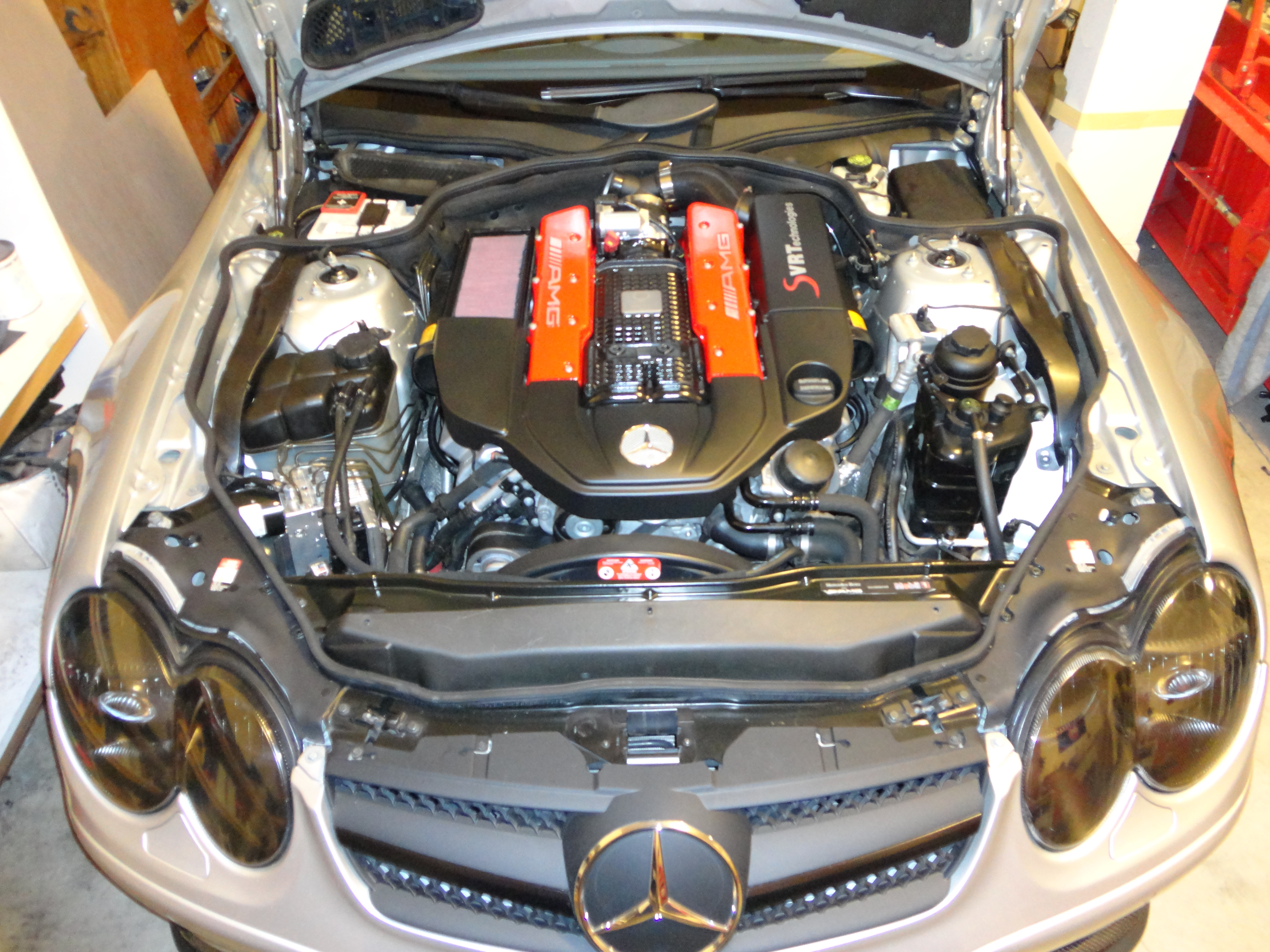
well, car is finally back on the ground! since motor hasn't run in soooo long, the pressure in the struts is down and have to wait to fire it up for it to lift. so, the front is a little lower than normal, but looks good! lol
just have to set up the led for the meth kit in the dash, will probably hide it in a vent, but still visible. also waiting on another silicone coupler for the air intake as i miss cut the first one. i have red header wrap coming and will wrap the intake tubes with it to bring in a little more red. i have the billet asp 3 piece idler kit on it's way too. most of that stuff should only take a few hours though.
my car parts biz name is svrtechnologies. or, svrtech. i found some of my advertising stickers and will be applying them to the air intakes. they are red and silver, so the color match is perfect, plus, since i built the car, i can brand it my own! ha!
just have to set up the led for the meth kit in the dash, will probably hide it in a vent, but still visible. also waiting on another silicone coupler for the air intake as i miss cut the first one. i have red header wrap coming and will wrap the intake tubes with it to bring in a little more red. i have the billet asp 3 piece idler kit on it's way too. most of that stuff should only take a few hours though.
my car parts biz name is svrtechnologies. or, svrtech. i found some of my advertising stickers and will be applying them to the air intakes. they are red and silver, so the color match is perfect, plus, since i built the car, i can brand it my own! ha!