When you click on links to various merchants on this site and make a purchase, this can result in this site earning a commission. Affiliate programs and affiliations include, but are not limited to, the eBay Partner Network.
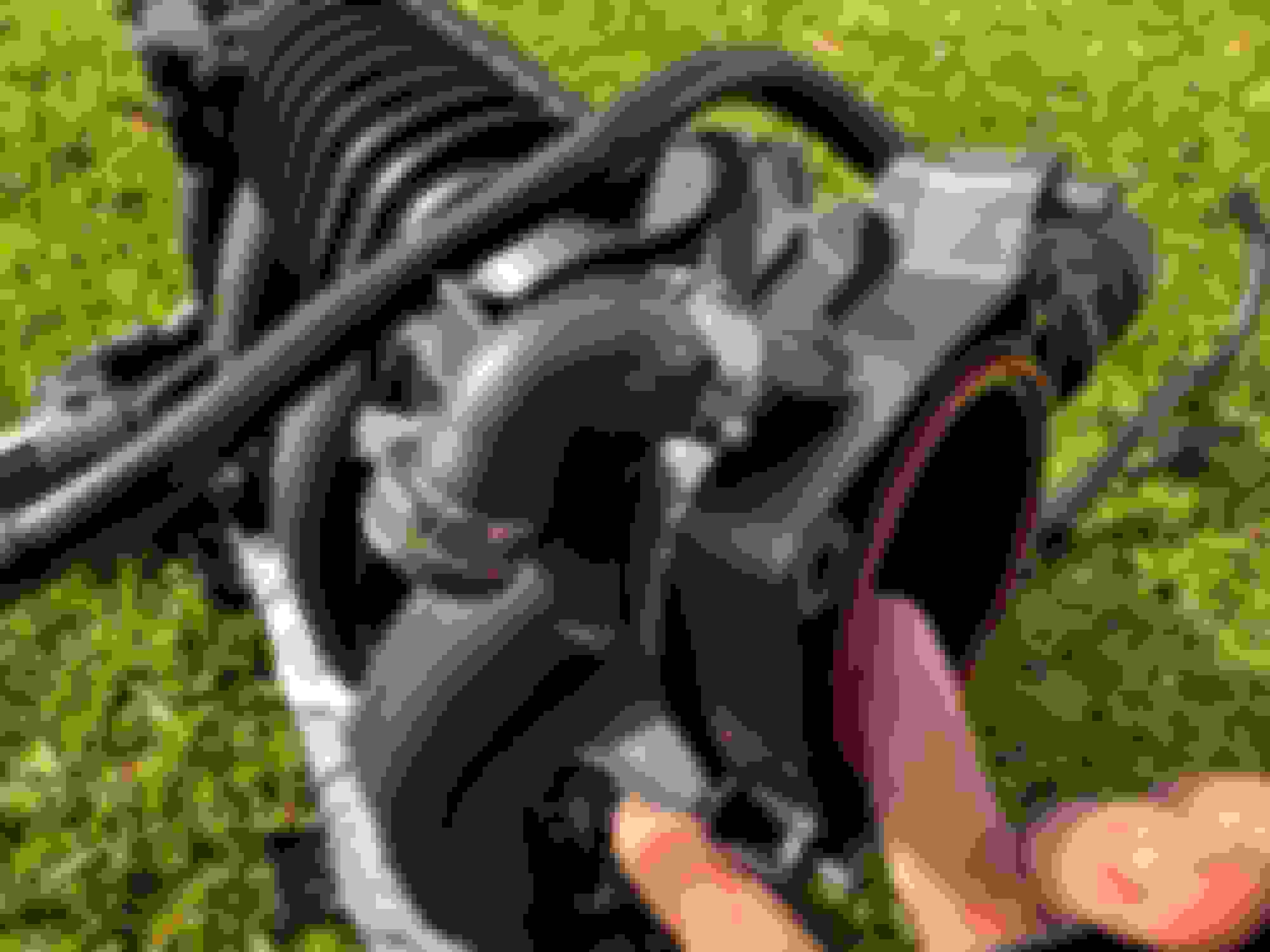
Noticed a few issues while changing the oil over the weekend. Oil deposits on the air intake hose, dipstick is showing some rust build up on the upper section of the wire, and some oil seepage around sensors and cylinder head cover. I suspect perhaps a blocked PCV causing over-pressurization of the crankcase. I have attached a couple of pictures showing the general location and a closeup of what I believe to be the Crankcase Ventilation or PCV valve. You can see what appears to be oil from this part on the air intake hose. I can't find any references to the component or its part number. Can anybody help?
It seems like I have the same exact issue
I recently noticed some oil seepage/deposits from the same exact area as the red circled area and some seepage from cylinder head cover.
will follow this thread for the eventual solution for this problem along with the other threads for the other 63 problems my w204 has at 70k miles
Hey guys, I had to replace the o ring for my turbo oil return line as it was manufactured poorly and started leaking around 130k miles. They made an updated part number. I just replaced the entire line as it was cheap. It may be unrelated to your issue but check the line. It is behind that area you are working on and there was oil everywhere leaking down the side of the engine too. There’s you tube videos of it too.
Hey guys, I had to replace the o ring for my turbo oil return line as it was manufactured poorly and started leaking around 130k miles. They made an updated part number. I just replaced the entire line as it was cheap. It may be unrelated to your issue but check the line. It is behind that area you are working on and there was oil everywhere leaking down the side of the engine too. There’s you tube videos of it too.
good point, i had the same exact problem a few months ago and fixed the turbo line oil leak, the seepage around the air intake (red circle) hopefully is remnants of that
will clean the area and see if its leaks independently of the turbo line that was fixed
good point, i had the same exact problem a few months ago and fixed the turbo line oil leak, the seepage around the air intake (red circle) hopefully is remnants of that
will clean the area and see if its leaks independently of the turbo line that was fixed
yeah I degreased mine just have t checked back to see if there’s oil spraying everywhere still
In my case, the cause of the leak was the oil line to the turbocharger (red circle). There is an updated part number for the banjo bolt, which I installed, and at least this particular oil leak was resolved.
In my case, the cause of the leak was the oil line to the turbocharger (red circle). There is an updated part number for the banjo bolt, which I installed, and at least this particular oil leak was resolved.
So nothing to do with lack of Crankcase Ventilation or defect with the breather hose check valve/PCV and/or oil separator?
just as simple oil leak from the turbo line?
So nothing to do with lack of Crankcase Ventilation or defect with the breather hose check valve/PCV and/or oil separator?
just as simple oil leak from the turbo line?
Yes, it was just oil spraying up onto the hose from the banjo bolt fitting. Well, not the banjo bolt itself but the o-ring on the end of the oil pipe that attaches to the cylinder head. I changed out the banjo bolt when I installed the new pipe with the new o-ring.
In my case, the cause of the leak was the oil line to the turbocharger (red circle). There is an updated part number for the banjo bolt, which I installed, and at least this particular oil leak was resolved.
also worth mentioning the banjo bolt can be bought with the line and new orings for like 30$ on FCPEuro I think it was. Much easier this way because it comes with plastic tabs to center the washers so you don’t drop anything.
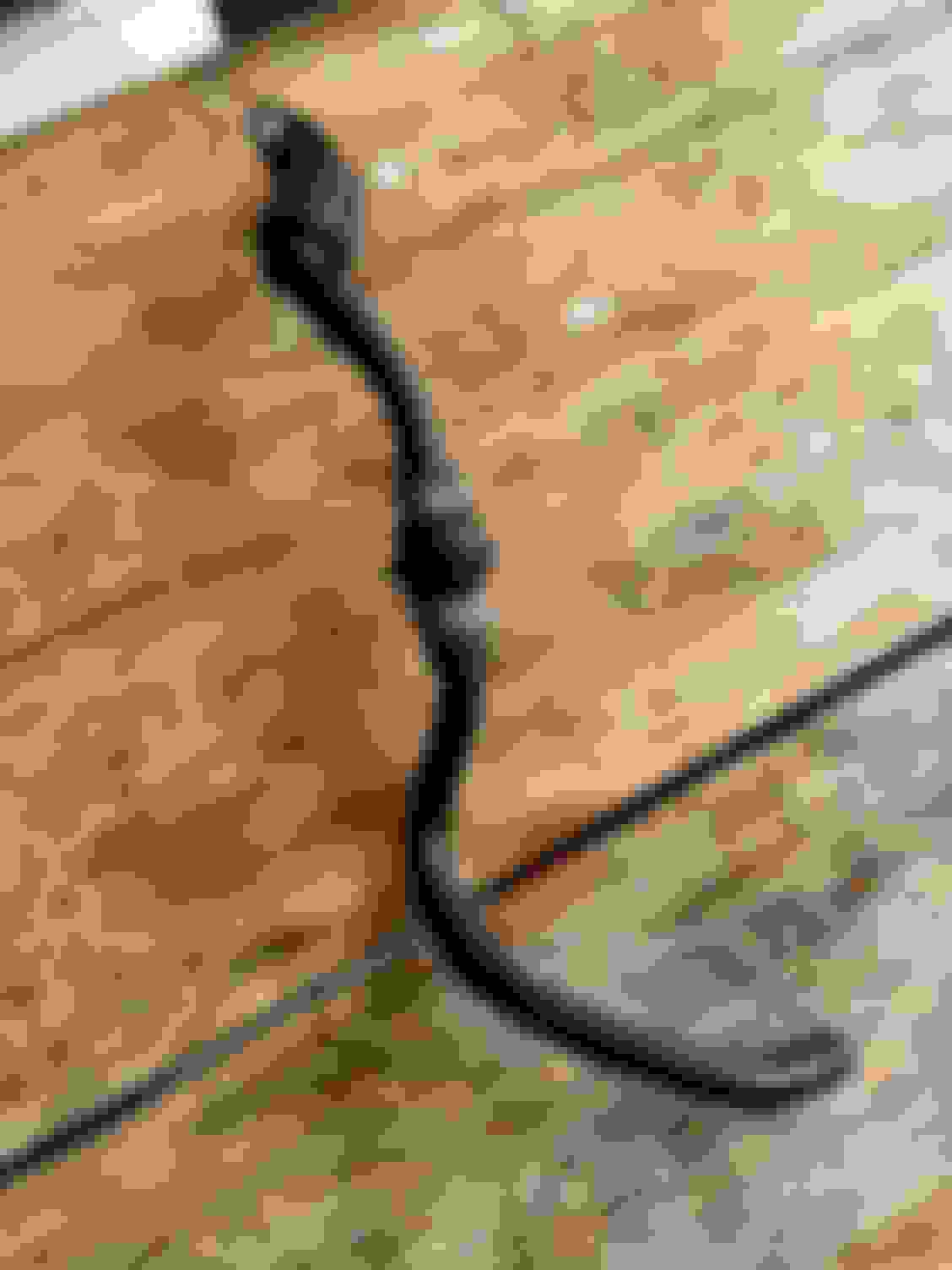
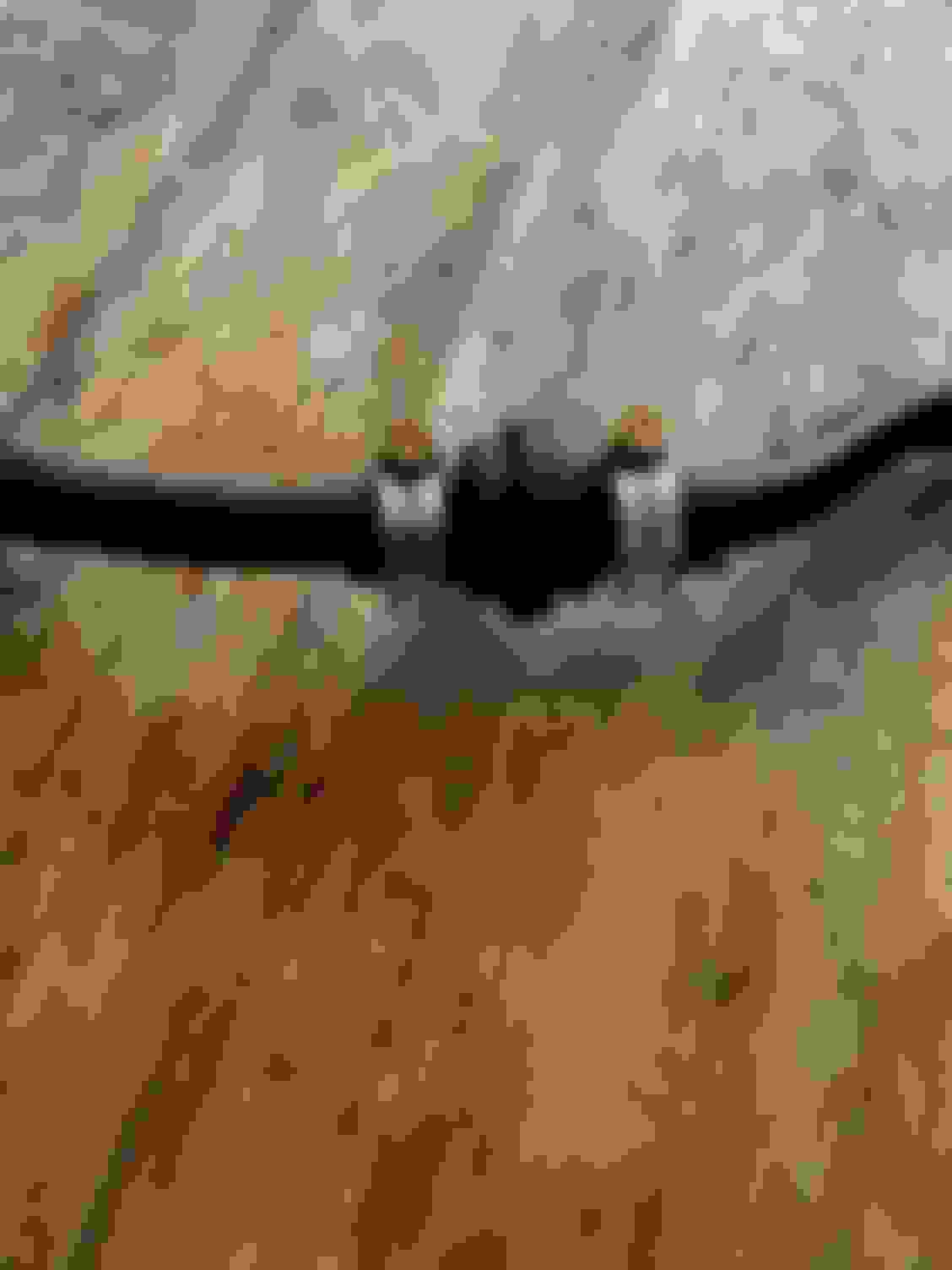
I attached my photos for anyone doing this project. Has old part numbers vs revised. The complete piece is easy to replace. There were torque specs somewhere on this site as well.
I also replaced the turbo oil supply pipe. At first, I just bought the gasket and the banjo bolt from German Auto Parts but ended up buying the entire pipe from Mercedes.
I still yet to find where the PVC, crankcase vent valve, located on the engine block. I took out the air filter housing hoping to access it but it's not there, not sure if the intake manifold has to come out or not.
Even with the engine diagram, I have not able to locate it.
2012 Mercedes C250 1.8l Turbo with 150Kw at 89k miles
Hi all,
I have a similar, if not the same issue. I have a 2012 Mercedes C250 1.8l Turbo with 150Kw at 89k miles.
My mechanic mentioned after service that my old oil has a strong gas smell. We also needed to replace the oil dipstick as it was very rusty and the steel strands already started separating in some places.
So, water vapor in the crank case and gas accumulation in the oil. No other symptoms at the moment. No smell, no roughness, runs smooth and powerful, no visible oil leaks.
The internet, the forum, and some of my colleagues say: check the PCV system first. So the crank case ventilation system - as this seems be be caused (hypothesis) by the accumulation of minimal blow-by during combustion. The blow-by can contain unburned gas as well as water vapor. If not extracted to the air intake manifold, it can cause overpressure in the crank case as well as the other symptoms described above.
My mechanic whom I trust strongly suggested to sell the car. My take on this is that any car I might buy as a replacement will be at least as much more expensive as any repair on this car can be and I already know this car and like it, too. So before I take the car to CarMax, I'd like to try a few things, beginning with the PCV system.
Going from simple and cheap and complex and expensive I would believe the following makes sense (up for debate):
check and replace the breather check-valve (where is this located and what is the part number?) - is this part 35 in the above image?
check and replace the electrically actuated PCV valve (where is this located and what is the part number?) - does not seem to be in above image...
check and replace the oil separator on the firewall side of the engine. Word has it that the high pressure fuel pump must be removed in order to get to it. (where is this located and what is the part number?) - also not in above image
optionally, check, clean, and replace all breather hoses
Did I miss anything? What else should I consider to look at?
Last edited by McNugget6750; Mar 27, 2023 at 09:54 AM.
I have a similar, if not the same issue. I have a 2012 Mercedes C250 1.8l Turbo with 150Kw at 89k miles.
My mechanic mentioned after service that my old oil has a strong gas smell. We also needed to replace the oil dipstick as it was very rusty and the steel strands already started separating in some places.
So, water vapor in the crank case and gas accumulation in the oil. No other symptoms at the moment. No smell, no roughness, runs smooth and powerful, no visible oil leaks.
The internet, the forum, and some of my colleagues say: check the PCV system first. So the crank case ventilation system - as this seems be be caused (hypothesis) by the accumulation of minimal blow-by during combustion. The blow-by can contain unburned gas as well as water vapor. If not extracted to the air intake manifold, it can cause overpressure in the crank case as well as the other symptoms described above.
My mechanic whom I trust strongly suggested to sell the car. My take on this is that any car I might buy as a replacement will be at least as much more expensive as any repair on this car can be and I already know this car and like it, too. So before I take the car to CarMax, I'd like to try a few things, beginning with the PCV system.
Going from simple and cheap and complex and expensive I would believe the following makes sense (up for debate):
check and replace the breather check-valve (where is this located and what is the part number?) - is this part 35 in the above image?
check and replace the electrically actuated PCV valve (where is this located and what is the part number?) - does not seem to be in above image...
check and replace the oil separator on the firewall side of the engine. Word has it that the high pressure fuel pump must be removed in order to get to it. (where is this located and what is the part number?) - also not in above image
optionally, check, clean, and replace all breather hoses
Did I miss anything? What else should I consider to look at?
although it isn’t likely related to your issue I would check this hose. A lot of people are having them rot and crack. Mine was completely broken in half. I think it does return air from crank area to turbo idk what the hell it does tbh. This part was good quality.
Noticed a few issues while changing the oil over the weekend. Oil deposits on the air intake hose, dipstick is showing some rust build up on the upper section of the wire, and some oil seepage around sensors and cylinder head cover. I suspect perhaps a blocked PCV causing over-pressurization of the crankcase. I have attached a couple of pictures showing the general location and a closeup of what I believe to be the Crankcase Ventilation or PCV valve. You can see what appears to be oil from this part on the air intake hose. I can't find any references to the component or its part number. Can anybody help?
2013 C250 162,250 miles
w204 C250 CGI, Am getting P053A00, The output of Heating element elementof vent line crankcase has electrical fault or open circuit, I replace almost all pipes two at the top, the hose pipe near turbo, under the intake manifold, there is also a pipe there with a breather I replaced that too, but still am getting this fault, if there is anywhere else to look, ill appreciate
someone knowledgable about this please respond, Item 2 and 3 where these located,
Originally Posted by McNugget6750
Hi all,
I have a similar, if not the same issue. I have a 2012 Mercedes C250 1.8l Turbo with 150Kw at 89k miles.
My mechanic mentioned after service that my old oil has a strong gas smell. We also needed to replace the oil dipstick as it was very rusty and the steel strands already started separating in some places.
So, water vapor in the crank case and gas accumulation in the oil. No other symptoms at the moment. No smell, no roughness, runs smooth and powerful, no visible oil leaks.
The internet, the forum, and some of my colleagues say: check the PCV system first. So the crank case ventilation system - as this seems be be caused (hypothesis) by the accumulation of minimal blow-by during combustion. The blow-by can contain unburned gas as well as water vapor. If not extracted to the air intake manifold, it can cause overpressure in the crank case as well as the other symptoms described above.
My mechanic whom I trust strongly suggested to sell the car. My take on this is that any car I might buy as a replacement will be at least as much more expensive as any repair on this car can be and I already know this car and like it, too. So before I take the car to CarMax, I'd like to try a few things, beginning with the PCV system.
Going from simple and cheap and complex and expensive I would believe the following makes sense (up for debate):
check and replace the breather check-valve (where is this located and what is the part number?) - is this part 35 in the above image?
check and replace the electrically actuated PCV valve (where is this located and what is the part number?) - does not seem to be in above image...
check and replace the oil separator on the firewall side of the engine. Word has it that the high pressure fuel pump must be removed in order to get to it. (where is this located and what is the part number?) - also not in above image
optionally, check, clean, and replace all breather hoses
Did I miss anything? What else should I consider to look at?
Not knowledgeable but this is what I did.
I replaced my crankcase vent valve, pictured on post#14 last week on my C250 2013. It's located under the intake manifold.
Look at post#17 picture on the right side the connector with red tabs, it connects to the crankcase vent valve. As far as the electric connector goes for it, I will send a photo when I get home, you can look in that area to see if anything came off or loose.
Sold the car sine it also gave me the check engine light in some cases when I was driving for multiple hours and then red-line overtake someone. All of a sudden I got a limb home. That repeated a few times. I'm very sad but I didn't want to deal with this engine anymore.
Thought I would share my experience with this problem. I have been experiencing lots of positive crankcase ventilation when removing the oil cap when the engine is running as well as accumulation of oil in the intake manifold and inter cooler piping. My mechanic has also said that he found a significant amount of oil in the intake piping that connects to the turbo in post #17 (this will be my next problem to tackle).
On my 2011 facelift M271 engine, they had removed the piping mess that connected to the engine block. In place of it, they put a single oil separator/PCV. Now this part had failed and I found that there was an accumulation of oil/gas that was entering through this piping that connects to the intake manifold. I did a bit of research on the internet and found that some people in Russia had added an extra oil separator/PCV onto this piping to avoid any oil getting through and have had no issues with it so far (If anything, it’s an upgrade). Because it’s hard plastic, I trimmed the tubing and added a bit of bike tyre and hose clamp to secure the additional PCV in the middle. If I had the time, I would create an entirely new piece out of new parts with rubber hosing but this will do. So far no issues. I have been experiencing less positive crankcase ventilation so far.
This post should be a DIY, not sure what Mercedes was thinking putting all of that extra dead-end piping all over the engine...
Originally Posted by JHEYD
Hi All,
Thought I would share my experience with this problem. I have been experiencing lots of positive crankcase ventilation when removing the oil cap when the engine is running as well as accumulation of oil in the intake manifold and inter cooler piping. My mechanic has also said that he found a significant amount of oil in the intake piping that connects to the turbo in post #17 (this will be my next problem to tackle).
On my 2011 facelift M271 engine, they had removed the piping mess that connected to the engine block. In place of it, they put a single oil separator/PCV. Now this part had failed and I found that there was an accumulation of oil/gas that was entering through this piping that connects to the intake manifold. I did a bit of research on the internet and found that some people in Russia had added an extra oil separator/PCV onto this piping to avoid any oil getting through and have had no issues with it so far (If anything, it’s an upgrade). Because it’s hard plastic, I trimmed the tubing and added a bit of bike tyre and hose clamp to secure the additional PCV in the middle. If I had the time, I would create an entirely new piece out of new parts with rubber hosing but this will do. So far no issues. I have been experiencing less positive crankcase ventilation so far.
Mercedes SLR McLaren 722 S Is Extremely Rare Example Modified by McLaren
Slideshow: A one-of-one U.S.-spec Mercedes-Benz SLR McLaren Roadster became even rarer after a factory-backed transformation at McLaren's headquarters.