When you click on links to various merchants on this site and make a purchase, this can result in this site earning a commission. Affiliate programs and affiliations include, but are not limited to, the eBay Partner Network.
Cali has really good rates. I got mine done for $450. Some shops will quote you for like ~8 hours. Can be done in less than 2 hours for all 4 corners if they are experienced.
So with 10mm spacers, 40mm bolts are hitting the parking brake mechanism in the rear.
What kind of place could shave 2-3mm off of the lug bolts? A car shop? Anyone have a recommendation for a place in Chicago/North burbs that could do this?
Cali has really good rates. I got mine done for $450. Some shops will quote you for like ~8 hours. Can be done in less than 2 hours for all 4 corners if they are experienced.
Originally Posted by an_DREW
+1 I was quoted $400 for the H&R spring install.
Thanks guys. I think this is next on my list to do!
So with 10mm spacers, 40mm bolts are hitting the parking brake mechanism in the rear.
What kind of place could shave 2-3mm off of the lug bolts? A car shop? Anyone have a recommendation for a place in Chicago/North burbs that could do this?
Any competent mechanic/shop should have a cutting wheel. You cab use a lug nut from an older Porsche (exactly the same thread as the bolts you'll be cutting) as a marker.
So with 10mm spacers, 40mm bolts are hitting the parking brake mechanism in the rear.
What kind of place could shave 2-3mm off of the lug bolts? A car shop? Anyone have a recommendation for a place in Chicago/North burbs that could do this?
Any competent mechanic/shop should have a cutting wheel. You cab use a lug nut from an older Porsche (exactly the same thread as the bolts you'll be cutting) as a marker.
Thanks, I'm going to see if I can find a shop to grind the 40mm bolts down a bit for a reasonable price. Otherwise, I might try to do it myself with a sawzall but not sure if I can find a blade to cut 10.9 steel reliably.
Unlucky me, sounds like you had no issues but mine was definitely clicking.
I don't think I would even attempt using a reciprocating saw (like a sawzall) to cut tempered steel bolts (it is usually a recipe for disaster). You need a fixed rotary saw with a carbide blade which will go through them relatively cleanly, and then smooth down the cut end on a grinding wheel.
If you can't take them to a shop or you don't have a rotary saw you could probably do it with a hand saw if you have a vise to hold the bolt, but you'll need something (i.e. a nut) to hold it as you don't want to clamp down the vise directly on the bolt treads.
Lots of other posts on the subject - search for "Roswell" and "spacers" and see what you get. AFAIK the rears will rub with a 12mm spacer unless you put 235-width tires on them. Roswell may have been running 10 mm spacers on the back, but I am not sure.
EDIT: See posts #120 and #122 in this same thread - https://mbworld.org/forums/c63-amg-w...ml#post6051558. Did you not read them and were just waiting for someone like me to spend their time looking for info and just give you the answer? Not cool, bro...
Last edited by Diabolis; Feb 19, 2016 at 06:30 PM.
Are we still out of options (aside from grinding down 40mm bolts) if we want to buy 38mm shank length bolts for our cars? I need both ball and cone since I plan to run 10mm spacers up front for both my oem wheels (winter set) and hre wheels (summer set).
Also, I was browsing the ECS site for 10mm spacer kits and noticed that the ECS branded kit warns that "Will not work with OEM wheels," while the H&R kit doesn't. Anyone know why that is? They both are 10mm and hubcentric.
I've used ECS branded spacers for years on my M3 years back and they worked great. I was going to go for the H&R this time around anyway but just got me curious.
FWIW, you only need to shorten the rear bolts if you're going to be running spacers at the rear. There is plenty of room in the front for the longer bolts.
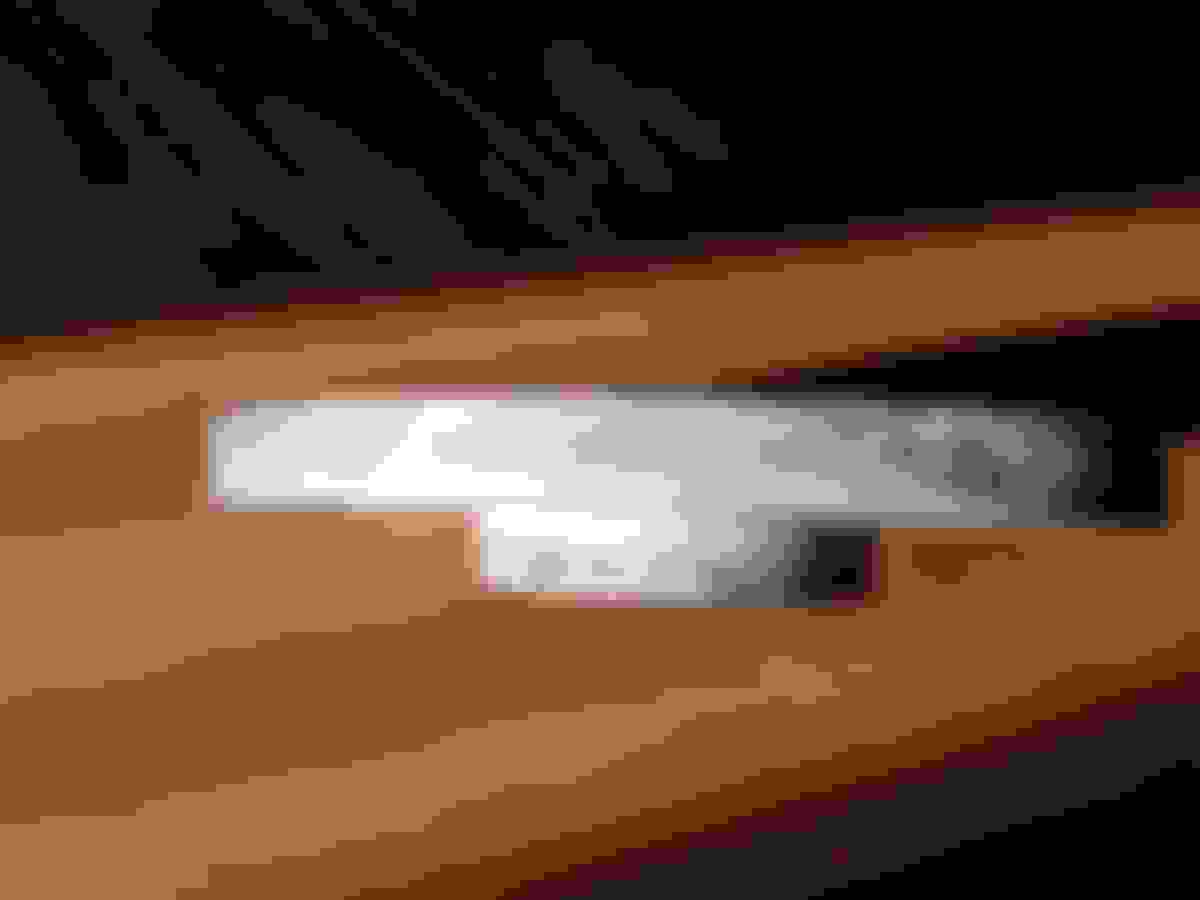
As for the 10mm hub-centric spacers, seeing as the spindle itself is 7-8 mm long the ONLY way anyone can make a 10 mm hub-centric spacer where the flange will not break the moment you put a wheel on is to slightly widen and enlarge the bottom 3 mm or so of the flange (essentially it's a taper). The transition from the hub bore to the mounting pads on the OEM wheels is straight, which won't allow them to go over the enlarged (tapered) part. Some - but not all - aftermarket wheels (especially the cheaper ones that use centering rings) have this taper in the ring itself and are able to go over the taper in the flange. See the diagram below (and excuse my Photoshop skills) - the top yellow box shows the problem area between the red arrows. The bottom box shows the additional material in red (the taper) that they have to add to the flange so that it gives it a bit of structural strength. Second pic is of an actual spacer where you can clearly see the taper in the flange. If the hub bore / mounting surface edge on the wheel itself doesn't have enough clearance for the flange (which is how the OEM wheels are made), it won't fit.
Does that explain things a little better?
Last edited by Diabolis; Feb 24, 2017 at 05:54 PM.
Reason: Typos
Diabolis - thanks much man for the very thorough and clear explanation - it was really helpful. I get it now. So I might almost be better off getting thicker spacers if I want to use the spacers for both OEM and aftermarket wheels, that is..assuming thicker ones don't have/need the beveled design for more support, and assuming thicker spacers will actually fit on my fronts.
Thanks again for this, you definitely saved me time and agony...glad I asked
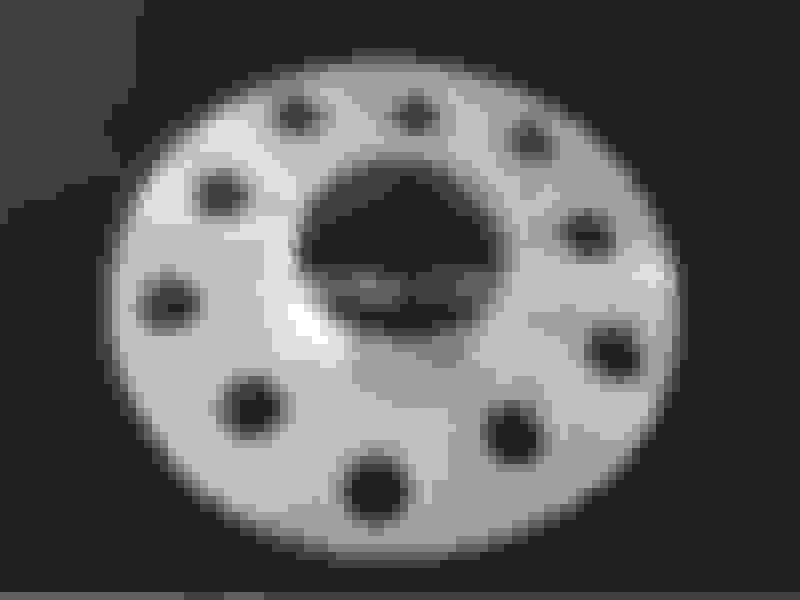
Glad I could help! The 12mm H&R spacers for our cars - P/N 2455665 - do not have the bevel (I am looking at mine right now - see pic below), so the OEM wheels will fit over them just fine assuming you have enough fender clearance.
Last edited by Diabolis; Feb 26, 2017 at 04:33 PM.
Reason: Missing attachment
You're awesome man... Yea I was just looking at the 12mm ones and was wondering myself if they had the bevels..and you nailed it lol. Was about to call into ecs and ask (would've still been nervous about ordering without seeing it firsthand). Thanks again!
Mercedes SLR McLaren 722 S Is Extremely Rare Example Modified by McLaren
Slideshow: A one-of-one U.S.-spec Mercedes-Benz SLR McLaren Roadster became even rarer after a factory-backed transformation at McLaren's headquarters.