When you click on links to various merchants on this site and make a purchase, this can result in this site earning a commission. Affiliate programs and affiliations include, but are not limited to, the eBay Partner Network.
TLDR; probably want to avoid Mobil 1 ESP X1 0W/30. It's probably too thin for even mainly coastal California driving where weather rarely hits 100F and was probably a Mercedes spec oil in order to hit fleet fuel economy numbers.
This GL350 does mostly around town driving, but is also used on at least 1 or 2 longer (several hours in a leg) trips per month. It averages 21mpg in town and when my wife is driving, 29mpg on the highway (more like 23-25mpg highway when I'm driving). Aside from a failed mass air sensor, squeaky door seals, one soft touch door latch mechanism, and most recently, a bad PCV valve that caused an oil leak in the front of the engine in the charge pipe (all repairs so far have been under original or AEM warranty), it's been very dependable. The most recent issue is the smallest of radiator leaks that appears to be a faulty radiator design and exactly matches what's seen on this page (a way-smaller-than-pinhole leak in the top, driver's side radiator mounting post): https://mbworld.org/forums/gl-class-...g-coolant.html. I've temporarily patched it with plastic bond glue, but will need to swap out the radiator at some point this summer. The lowest temps I've driven it in are -5F, coldest morning start was a just above 0F, and it really just doesn't miss a beat. It's perfectly happy running for hours on end at <redacted> mph in 110F weather loaded with people and a roof box and stuff in the trunk and AC on max. Monitoring via OBDII, the oil runs even cooler when at higher cruise speeds.
I'm at about 89K, always dealer serviced (except for mid-10,000 cycle, e.g. ~5,000 oil changes, that I do at home). When we first purchased the car, the oil the dealer was using was Mercedes-approved "Mobil 1 ESP X1 0W/30". That oil type always returned some scary oil Blackstone report readings, elevated iron and other metals, plus they called out high soot levels. After seeing several of these unsettling reports in a row, I was considering selling the car, even though it ran well and my wife really liked driving it long distance for work.
At some point, Mercedes has changed to a Mercedes-branded oil "Mercedes Benz 5W/30 229.52" that I switched over to a couple years back. Since then, the Blackstone reports look way better, metal wear levels are way below the averages for this engine type now. The car has not burned any oil since switching away from Mobil 1, so I'm guessing there isn't an issue with the rings.
Given that it's under warranty for the Bluetec Dieselgate/AEM settlement for another couple of years or 31K, we'll probably hang on it until at least then (and hopefully the intake will clog/swirl filter fail & have to be replaced before the warranty runs out).
[QUOTE=skdjfsdf;8808934]TLDR; probably want to avoid Mobil 1 ESP X1 0W/30. It's probably too thin for even mainly coastal California driving where weather rarely hits 100F and was probably a Mercedes spec oil in order to hit fleet fuel economy numbers.
Wrong. Just read other threads here. That is some grandma's myth.
Killl this dead horse FG'sS.
Why would they? They even cancel oil pressure sensors on modern engines.
Only in last years MB start installing DEF level gauges.
Turn out important as on some models DEF has heater above the bottom, so low fluid level would expose the heater, overheat and burn it.
On Sprinters the heater is integrated part of $3000 reservoir.
Why do you run a scanner to show you when its happening on your vehicles?
Its cheap BS that they dont have proper oil pressure and regen status gages. Lack of society knowledge I guess.
TLDR; probably want to avoid Mobil 1 ESP X1 0W/30. It's probably too thin for even mainly coastal California driving where weather rarely hits 100F and was probably a Mercedes spec oil in order to hit fleet fuel economy numbers.
Wrong. Just read other threads here. That is some grandma's myth.
Okay, where are your Blackstone reports to back up your confused comment?
Why do you run a scanner to show you when its happening on your vehicles?
Its cheap BS that they dont have proper oil pressure and regen status gages. Lack of society knowledge I guess.
My sedan is "city car" so driving short distance it is quite easy to get into 3 aborted regenerations in the row, what starts flashing discotheque on the dashboard.
That's where monitoring DPF can be crucial.
On my Sprinter, who is freeway cruiser - observing DPF regenerations is not needed, but then driving on deserts, with long distances between good gas stations, the precise fuel gauge on SG3 is priceless.
Also on Sprinter observing engine temperature, while in 110F heat is important. Dash gauge is dummy gauge.
My sedan is "city car" so driving short distance it is quite easy to get into 3 aborted regenerations in the row, what starts flashing discotheque on the dashboard.
That's where monitoring DPF can be crucial.
On my Sprinter, who is freeway cruiser - observing DPF regenerations is not needed, but then driving on deserts, with long distances between good gas stations, the precise fuel gauge on SG3 is priceless.
Also on Sprinter observing engine temperature, while in 110F heat is important. Dash gauge is dummy gauge.
Thats what I was implying, saying that knowledge is not necessary yet logging it for various situations so you know whats going on is? It should be built into all modern vehicles because its so easy to do yet its not. Anyone that says its not a good thing yet logs it on there vehicles well I dont know what to say about that. Like telling your kids not to worry about money yet all ya do is build and save cash above all other exployts.
Human perception is not that good.
For some time I was driving with Torque Pro, showing me 12 gauges on my car.
Our female friends always would comment that they don't want such gizmo.
When you compare, the cars from 30 years ago had several gauges on dashboard, now I have 2 and even those are dummy gauges.
Okay, where are your Blackstone reports to back up your confused comment?
No, The burden of proof is on you for stating something that so blatantly goes against the tens of thousands of OM642s operating in less benign environments on 0W-30 or 5W-30 oil. There aren't any horror stories posted, just a handful of sky is falling proponents with no actual data.
Don't use M1 ESP gasoline engine oil in the om642 if you want it to last. The low viscosity no ash oil is the death of the om642. 5w40 or 15w40 API diesel oil only. You've been warned.
Don't use M1 ESP gasoline engine oil in the om642 if you want it to last. The low viscosity no ash oil is the death of the om642. 5w40 or 15w40 API diesel oil only. You've been warned.
No, The burden of proof is on you for stating something that so blatantly goes against the tens of thousands of OM642s operating in less benign environments on 0W-30 or 5W-30 oil. There aren't any horror stories posted, just a handful of sky is falling proponents with no actual data.
Okay, I'll show you how wrong you are:
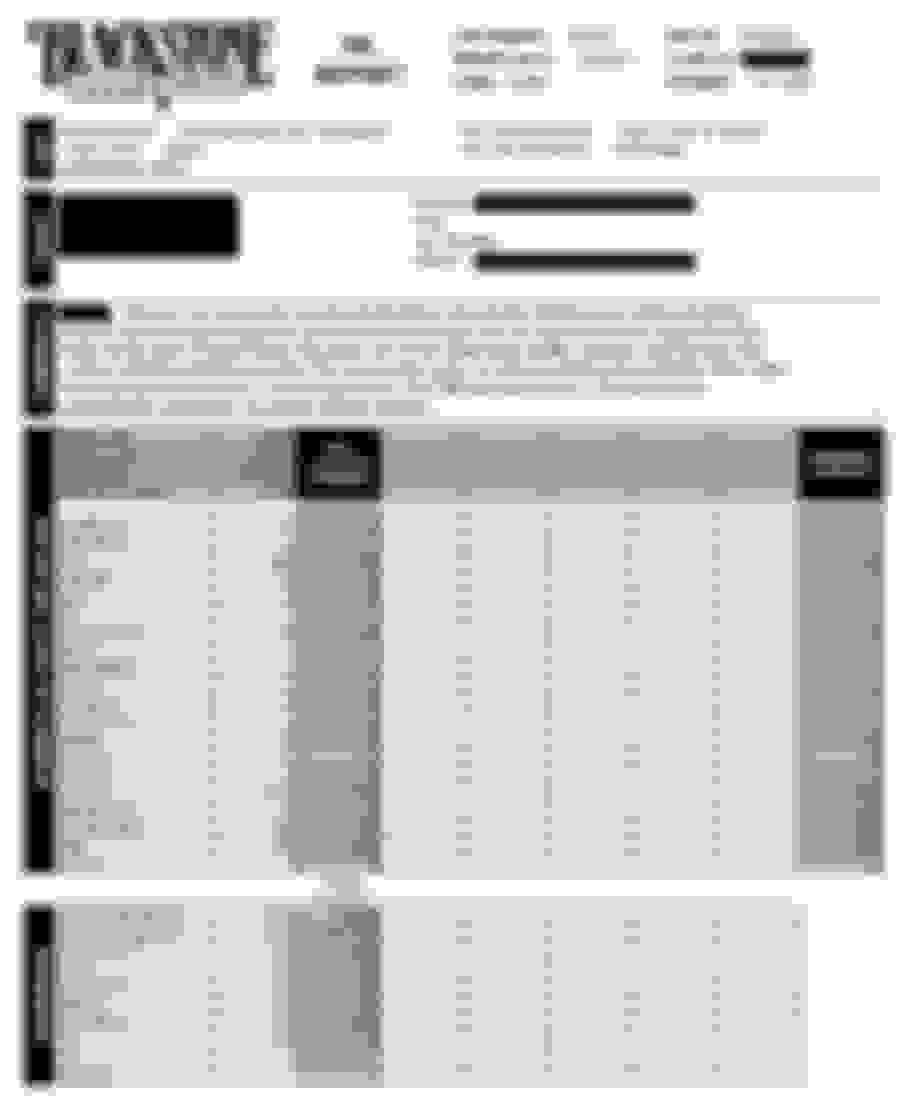
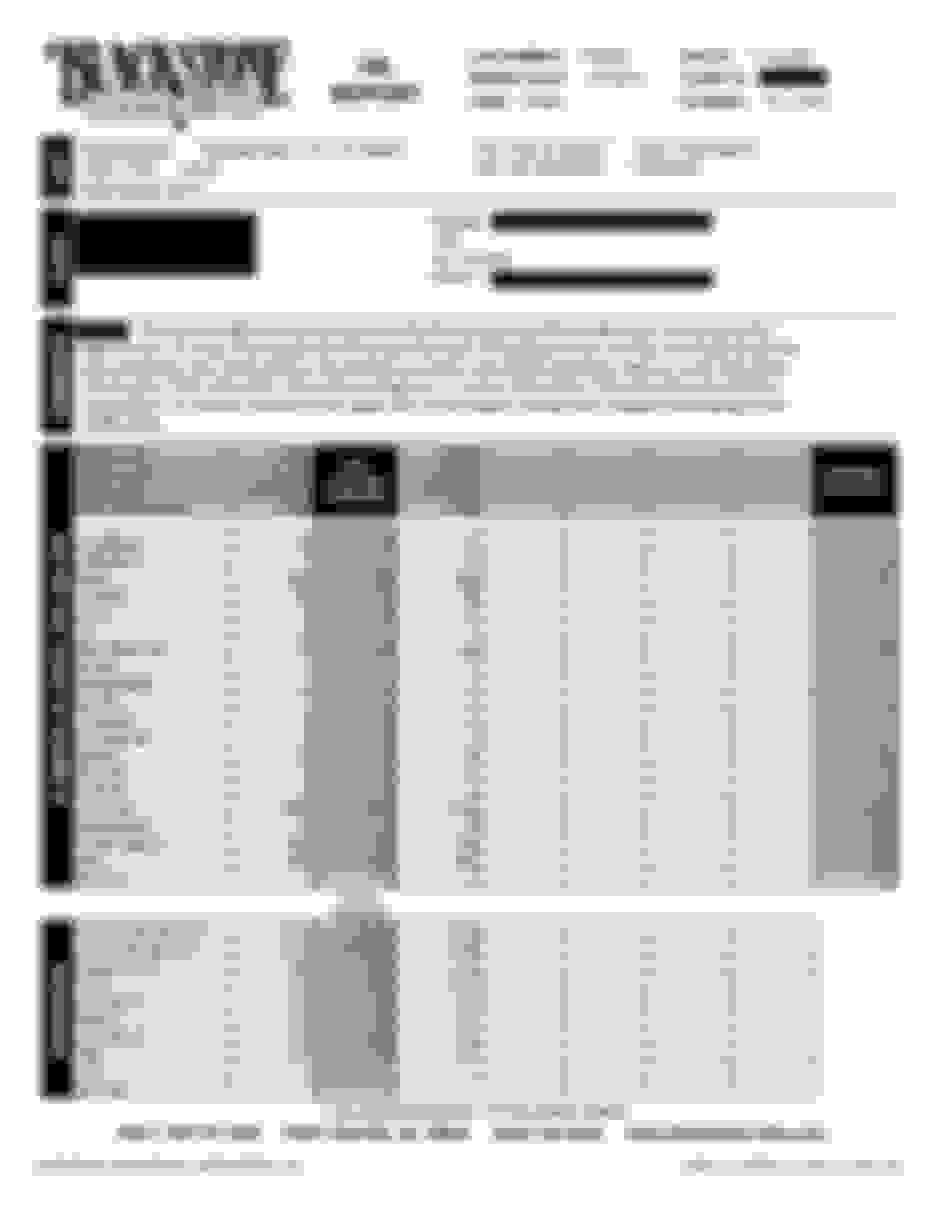
First two Blackstone test results below are using "Mobil 1 ESP 0w30", the 229.52-certified oil that Mercedes used to use when these cars were new. Both test results are hugely concerning, Mobil 1 ESP is providing very little protection and exhibiting a bunch of metal in the sample & accelerated engine wear. Given these terrible test results with Mobil 1 ESP, I was planning to sell the car before the extended warranty expired. Mercedes moved away from Mobile 1 a couple of years after the below tests.
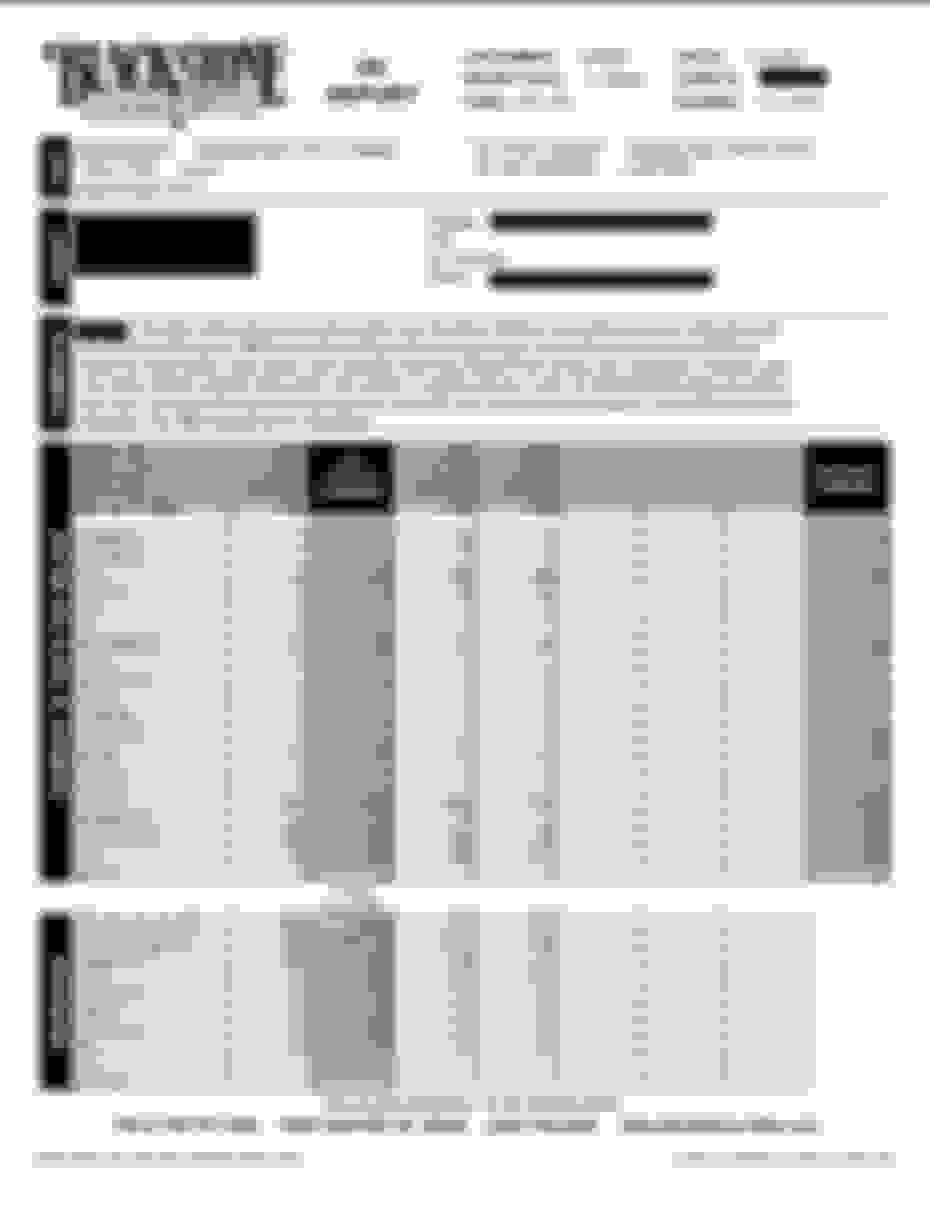
The third test below is after several changes using Mercedes-branded "Mercedes Benz 5w30" oil. The wear levels were back to normal and looking like they should.
There has been no engine work on the car, no parts changed other than maintenance items (filters, etc.).
Moral of the story: Don't use Mobil 1 ESP in these engines, it's no good for the OM642. I have used Mobil 1 in BMWs with great success forever and will still use it in other applications, just not in a Mercedes diesel.
@gone gone gone Now show me your data. The advice you're giving people is flat wrong.
Last edited by skdjfsdf; Jul 22, 2023 at 07:44 PM.
Reason: small typo
OK.
However, that only represents one vehicle under your care. They are not the sky is falling for the rest of the fleet.
You need to go to BITOG and learn what those samples mean outside your single, isolated, reference. https://bobistheoilguy.com/forums/th.../#post-5181884
OK.
However, that only represents one vehicle under your care. They are not the sky is falling for the rest of the fleet.
You need to go to BITOG and learn what those samples mean outside your single, isolated, reference. https://bobistheoilguy.com/forums/th.../#post-5181884
Mmmm-kay. It's not a single, isolated, reference. It's three oil samples, same vehicle.
From my experience (I own ML350 CDI), the biggest issue with OM642 is by far emissions control stuff such as DPF filter and EGR valve. In my case the piston rings failed (got stuck by soot, probably from EGR), which started a chain of events: DPF started activating regeneration process too often, since it got clogged by excess oil amount being burnt, and regeneration process made things worse - oil and soot residue got melted down with DPF filter comb and clogged it even more. It created massive back pressure on turbo which failed and started consuming even more oil through bad turbine. I eventually removed DPF entirely and disabled EGR valve, but it was too late - piston rings are permanently stuck, I had to buy new turbo, the oil consumption is still present (although reduced by installing a new turbo, but still piston rings let too much oil pass by in combustion chamber). So now I don't have DPF light on anymore, and vehicle is not getting into limp mode, but oil consumption is something I'm forced to ignore, since the only fix is complete engine rebuild. I ended spending too much money on stuff that suppose to ensure the engine run efficiently (ironically). Aside from that, the engine would be great - decent fuel economy and power output, nice torque, I'd say it could last forever if it wasn't for this crap that I mentioned above. If you remove this risky parts even before symptoms shows, you get yourself an engine that will run 500.000 miles no problem. But sadly every single MB V6 diesel engine (in any model) have this issue sooner or later (mostly between 120.000 - 200.000 miles, and above is guaranteed).
My suggestion is you take a good look into the exhaust tips, if they are clean and there was no recent DPF codes on engine scan, it is probably a good scenario (although it's a waiting problem sometime in the future), but if the exhaust tips are dirty black that means it's burning oil and/or DPF filter is removed (in any case that means it had problems with oil consumption at some point, and piston rings are stuck), so I would avoid it like hell.
Last edited by Tarik_92; Nov 16, 2023 at 07:57 AM.
If one has clogged rings, one either didn't use correct oil, didn't change oil when required, needs to replace CVV components, or possibly bad EGR.
You've got it backwards son. 229.52 gasoline oil is the cause of stuck piston rings on om642s. See the top of this thread. That engine was dealer maintained its entire life with the receipts to prove it. I ended up buying the vehicle for next to nothing when the dealer quoted the previous owner nearly $20K for a replacement om642. It barely made it to 200k mi when oil consumption went through the roof.
If you want your OM642 to last, only use 5w40 or 15w40 API CK-4 DIESEL oil. 229.xx garbage oil kills engines.
If one has clogged rings, one either didn't use correct oil, didn't change oil when required, needs to replace CVV components, or possibly bad EGR.
A rather important paragraph in the Lubrizol article is the last one before the conclusion (which is unfortunately not prominently featured anywhere else) that reads:
The MB 229.52 specification has evolved since its launch, with the Daimler LSPI test being added to the engine test requirements. It is also formulated to go above and beyond the ACEA baseline through:
Additional bench tests for oxidation, wear and corrosion
Additional engine tests for wear, fuel economy and Low Speed Pre-Ignition (LSPI)
More stringent test limits for foaming, pumpability, oxidation, sludge, diesel wear and biofuel
Biofuel dilution is largely to blame for increased oxidation and sludge buildup. I am not aware of any other oil spec that addresses these two areas that are of paramount importance in the USA where the average biofuel content in pump diesel in half of the states is at 20% or more. Biodiesel has a higher lubricity than regular diesel and more of it sticks to the cylinder bore walls and/or slips past the piston rings, especially on the OM642 which uses the engine fuel injectors to squirt in unburnt diesel during the exhaust cycle in order to perform a DPF regen cycle. Using 229.52 oil and frequent oil changes are paramount to keeping the OM642 healthy... and if you do, they indeed last for a long time.
Just so I understand the nature of your delusion better... you expect the oil to REPAIR an engine that was damaged by the previous owner during the previous 175,000 km of its life?
Talk about reality... you need to lay off the peyote dude.
We picked up our GL350 a couple years back with about 90k on the clock. I have no idea what the service history was before we purchased it. I knew when I purchased it there was a slight oil leak from the valley weep hole indicating cooler seals starting to leak. I am a mechanic and machinist and so that oil leak did not scare me at all, having done my research and knowing what it takes to fix the problem. The leak did not get bad enough to do the cooler seals until about 105k miles. So I did the seals, replaced the oil cooler while in there and some other miscellaneous while were here type stuff. All was good until about 110k where a random out of the blue engine light and limp mode happened. This turned out to be a DPF code for regen frequency and a clogged DPF. So I pulled the DPF off and cleaned it out. All seemed good for a couple months until a routine dipstick check showed oil off the bottom of the range, so not thinking much of it I put the 2 quarts in it that it takes to be back up to full, and proceeded to check it a couple weeks later only to find it low again... so the search began to find where the oil was going. This went on for about 5k miles until I started to get serious about solving the oil consumption issue.
So first, check the PCV valve on the back of the pass side head. I could not find anything wrong with it but I put a new one on anyway. the old one did show lots of oil and there was considerable amounts of oil at the turbo inlet. This had no change on the oil consumption issue. Next, turbo. The turbo showed some signs of wear, indicated buy some rub marks from the compressor wheel on the housing. This is typically indicating the bearings are worn and so I replaced the center cartridge thinking I might have found the oil consumption issue as bad turbo bearings, and seals will leak oil into either the intake or exhaust. But no joy, oil consumption was as bad as ever and getting worse.
Good news was the engine light was staying off and as long as we kept the oil full we kept running it.
Then the DPF clogged again, as it was obvious the oil consumption was going out the exhaust this made sense, so off it came and got washed out again. But the oil use was getting worse, now at just over 120k it was getting to the point of dpf regen issues again as it could not handle the oil burn. We fought with that for another couple thousand miles until we are here at 125k oil consumption is so high its not reliable, Engine light is perma on. Oil burn is about 1 qt 150ish miles. Time to do some real diagnostics.
Just because I know someone will ask. Since I have owned it all oil changes were done at 6-8k miles and only 3 oil brands were used all with the 229.52 spec, Mobil 1, MB branded, and Liqui moly.
The Diagnosis:
First I did the scan tool compression test, which showed low compression on #2 and #5. Not being a big believer in computer diagnostics for that I went straight to Leak down test. This showed #2 as the worst at around 20% or 80% blow by all coming out the PCV vent. #5 was not quite as bad but not good as was #1. Borescope down the injector hole showed nothing bad except a bunch of oil on the top side of the piston, I could still see the cross hatch and no scoring on the cylinder. So I thought well its got ring issues, time to pull it apart and maybe I can just ball hone the cylinders and put new rings on. Keep in mind it started and ran perfect.
Out it came, yes in the GL it comes out the top pretty easy.
It's a complicated engine compartment but not that bad to get out.
Tore it down , and yep all the oil control rings were completly packed with carbon and stuck in the grooves on the pistons. I actually happy at that point, all the cylinders looked good, no scoring or bad wear, bearings looked like new on both the rods and mains, so I thought hone the cylinders and put new rings in, it will be good..... Then I got the measuring tools out and that is where it went down hill. The cylinders all measured right at the limit for out of round and size except #5, that one was bad, out of round was .002" or .050mm out of round at the top. MB spec max out of round is .0007mm. Then I took a look at the heads, and all the exhaust valve stems look terrible at the rocker and the rockers match, also the lifters look terrible where the ride in the heads... so it needs heads redone...
So after pricing out all the parts and machine shop labor to bore, hone, refresh the heads with new valves, lifters, rockers etc. the cost would be somewhere around $6000 to $6500. And then I needed to assemble and put it back in. This is a totally doable option but I thought let me see what is out there for engines....
That's an interesting conclusion to reach on an engine on which you know nothing about the service history for the first 75% of its life.
You must have long legs to make that big of a jump.
That's an interesting conclusion to reach on an engine on which you know nothing about the service history for the first 75% of its life.
You must have long legs to make that big of a jump.
Does making up your own pretend statistics help you feel better about the fact that you're wrong?
What statistic did I make up? The 75%? You've got me; I didn't actually do the math.
Let's see: Your quote says he got the car at 90K miles with an unknown history. He's now at 120K miles.
So he knows nothing about 90K of 120K miles...
90/120
Oh look: .75, or
75%.
If you'd like to use the smaller mileage where he actually noticed the issue, the percentage will be higher.
Project much?
Mercedes SLR McLaren 722 S Is Extremely Rare Example Modified by McLaren
Slideshow: A one-of-one U.S.-spec Mercedes-Benz SLR McLaren Roadster became even rarer after a factory-backed transformation at McLaren's headquarters.