Hi everyone I will try to be as clear and detailed as possible in what happened.
My 2008 E320 Bluetec(OM642) went into a runaway yesterday. I have kept the car meticulously maintained, it is sitting at 162k miles, I picked it up when it had 118k miles. Always have done 6k interval for oil changes, I used liqui-moly exclusively, 12k fuel and air filter changes using Mann/mahle. Engine never took any oil between changes, never added a drop between changes. Approximately 15k miles ago I did the oil cooler seals, upon doing this I removed the swirl flaps and swirl flap motor(used resistor mod to prevent codes). During this process I cleaned the intake manifold, charge pipes, turbo pedestal, only thing I did not clean was the intercooler. I also rerouted the PCV into the atmosphere to prevent the intake from becoming dirty again. I'd like to mention I changed the CCV cover(P#642-010-01-31) in 2019, ~30k miles ago with a genuine Mercedes one to minimize oil in the PCV gases before I inevitably rerouted it. I had kept the PCV gases going into the atmosphere until about 3 months ago when I was tired of the car smelling at idle. I routed a hose going below the passengers headlight where I mounted the catch can, and from the catch can I had a hose go back into the intake. I mounted it below the headlight to make draining it easy.
Now onto what happened. I left for church in morning only having to drive about an hour(70 miles), 10 miles in I got a message on the dash saying "check engine oil level at next re-fueling", not wanting to stop on the side of the road I figured I would check when leaving after church was over. Once service was over I got to the car and did not want to check oil in the parking lot, my plan was to drive quarter mile to a gas station. Starting the car and noticed it was idling a bit rough, knew something did not seem right, I pulled out of my parking spot and starting creeping around the lot towards the exit, once clear I gently accelerated towards the exit(under 10mph). Here is a play by play of what happened next, car begins accelerating by itself, I brake and put car neutral, engage parking brake, engine begins revving well past 6k rpm, I turn off the ignition, open hood latch and run out the car, open hood, engine is screaming at this point for about 10 seconds, POP! The oil filler cap flys off and engine stalls out, you can hear the POP in the video I linked. This all happened in the span of 25 seconds with the engine redlining for about 15 seconds. I got towed the car home that evening.
Today I drained the oil ~5 liters came out, took off air filter housing and checked turbo, all looked good there. Oil all in the intake, I spun the engine by hand to make sure its not seized, changed oil filter and added oil and cranked the engine over with the injectors disconnected. Tried starting it with the charge pipe disconnected to prevent it running away again, cranks but won't start, battery seemed weak so I charged it and threw on the booster pack, still nothing. I hooked up SDS and found that every module had a "under voltage event stored" as the battery was very low after it ran away, cleared those events. I then check the actual values while cranking and found that the fuel rail only had 7 bar when the engine is spinning when SDS specifies 120 bar. Did I kill the high pressure fuel pump when I pulled the key out of the ignition when it began running away, or did something inside deteriorate during the event?
Any help will be appreciated, from what I can see I don't think the engine is toast as there was still oil in the engine so I assume it had oil pressure the entire time. Perhaps anyone has had something similar happen and can help out.
I have never seen this on an automotive diesel, but I have seen it on industrial diesels. All a diesel needs to run (or run away) is air and something that can burn. From the looks of it, and from you explanation of the history, it sounds like you car managed to get engine oil pulled up into the engine through the PCV system. When the filler cap popped off, the oil flow stopped and so did the engine. It’s probably okay because the incident was over in a few seconds. But you will need a competent Mercedes diesel shop to look at the PCV system, particularly the oil/air separator, to keep this from happening again and get you back on the road.
I'm leaning towards it being the PCV and not the turbo because AFAIK turbo's don't fail spontaneously. I'll pull the injectors in a few days to check compression and test the injectors themselves.
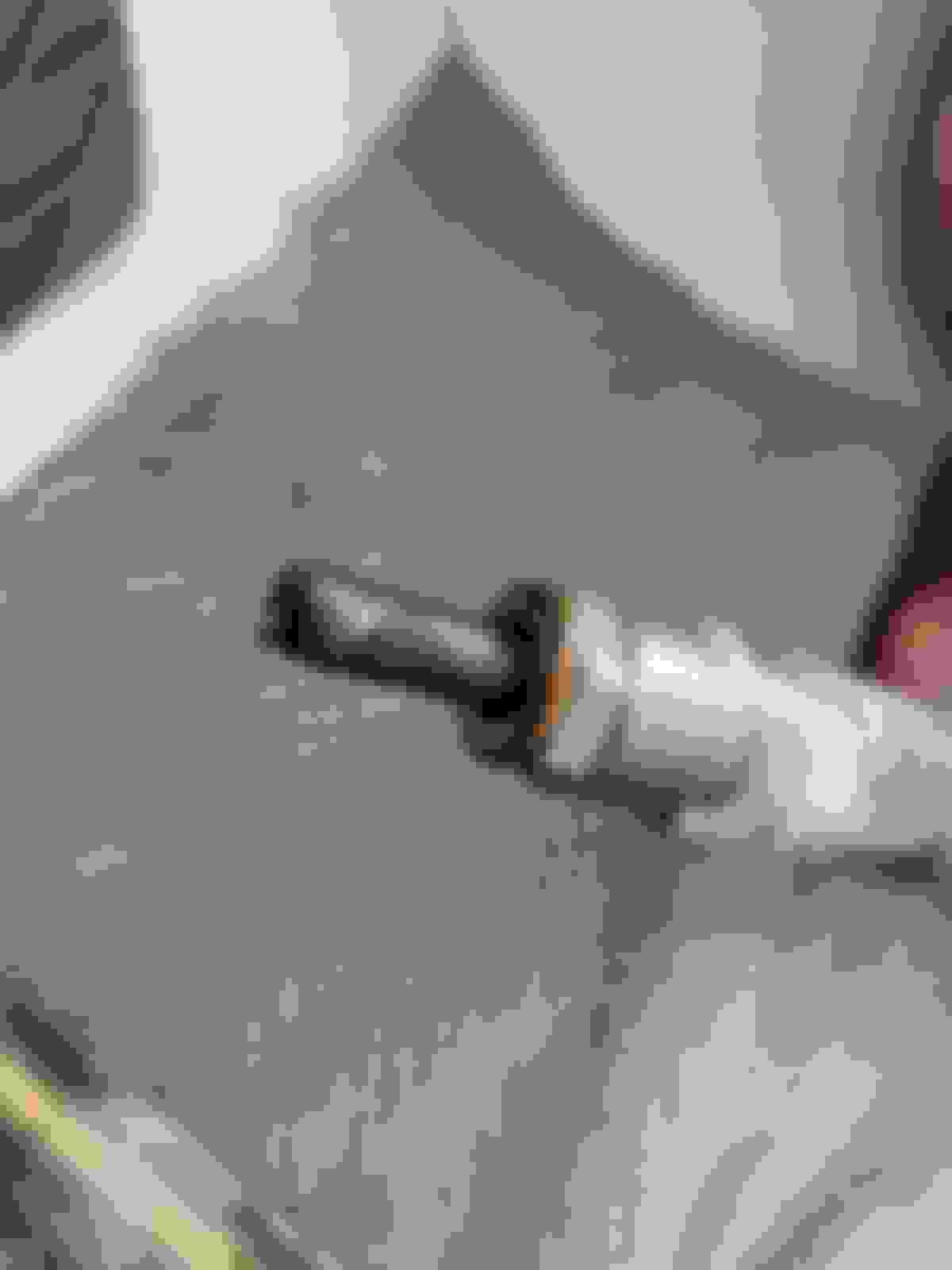
So I pulled the injectors today to do a compression test and found that 5 out of 6 injectors were burned through, that would explain why I get no fuel pressure at the rail. Surprisingly the injectors were very easy to pull, no tool required, they came out with a little wiggling by hand. Looks like they melted or maybe broke from the pressure. I'll pull the glow plugs and inspect those, and once I do a compression test I'll decide if the engine is worth saving. I would like to add that I suspect the turbo vanes on the exhaust side are most likely damaged from the small pieces of injectors melting off.
This is how diesel injectors look after they've had gasoline run through them. Pop the fuel cap and sniff for gasoline. The odor is usually very strong even when a small % is mixed in.
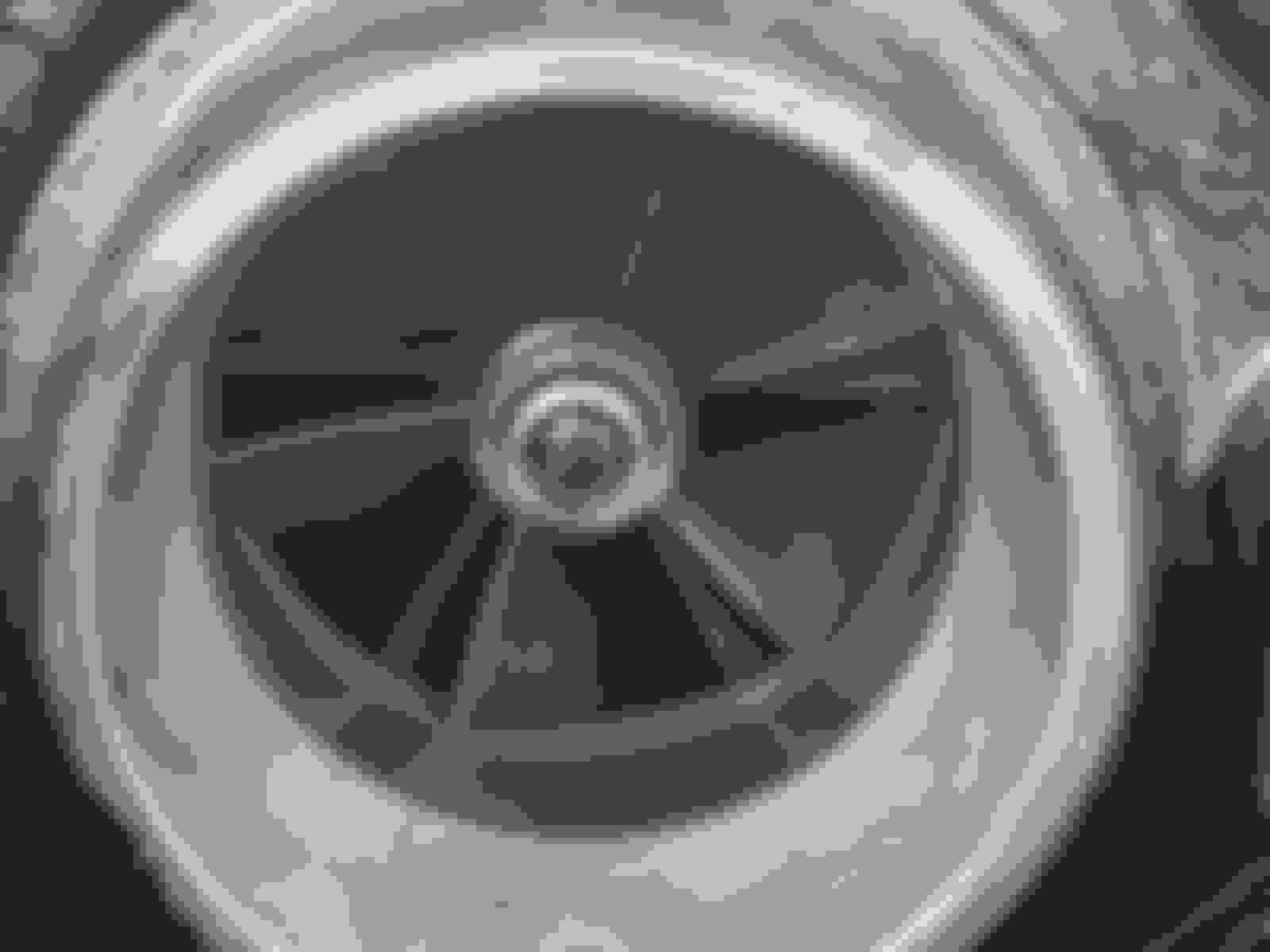
Pulled the glow plugs today, just like the injectors they came out with a little wiggling by hand. Tips are burned on a few, same as injectors, I'll be making an adaptor that will screw into the glow plug to check compression, we'll see what the result soon. There is zero gasoline mixed in with the diesel. Here are pics of the turbo, no play and it still looks good, has a slight film of oil on it you can see marks where I wiped it off with my finger. If the compression is good, I'll start sourcing a parts motor as I will need injectors, glow plugs, and maybe a high pressure fuel pump.
White marks is where I wiped oil film off with finger.
I check compression yesterday starting with the right cylinder bank and I must say, the engine is toast. First cylinder had around 400 psi, second cylinder is at 180ish psi, and the third cylinder had ZERO, I could keep the injector and glow plug holes plugged with my finger while the engine was cranking. I didn't bother checking the other bank as there is no hope for this engine anymore.
Time for a new car I guess, or I was thinking of taking the om606 I have laying around as well as a 6 speed manual and sticking it into the car to see what it would be like. Not sure how easy the swap would be or how practical it would be??
Last thing I'll say is don't use a catch can on a diesel.
I say that since the catch can is what caused the engine to runaway, there was no gasoline in the tank. Read the original post and you will see what happened, this has nothing to do with gasoline.
Yes, the 606 swap is a great idea that I'll probably do once I get a daily driver sorted out.
I suspect one way or another you were getting engine oil into the combustion chamber and that caused it. But the engine probably had to be damaged before the runaway condition so was toast even before that. I would guess the easiest fix is to drop in a new motah. I wouldn't mess around with oil catch cans if the original car didn't have one. If it was necessary Mercedes would have fitted one.
I used to think that this would be highly unlikely given that the OM642 has a throttle body unlike most industrial diesels. I don't know enough about the throttle body plate though to assume that it couldn't happen. I'm curious as to why you think it would be the catch can? It stored up too much oil and then the excessive vacuum coming from the compressor wheel pulled it all at once? Such a bummer.
Also is 400 PSI a good reading for a cylinder compression test on an OM642? I'm looking at doing one on my sprinter and would like a benchmark to compare my results.
I used to think that this would be highly unlikely given that the OM642 has a throttle body unlike most industrial diesels. I don't know enough about the throttle body plate though to assume that it couldn't happen. I'm curious as to why you think it would be the catch can? It stored up too much oil and then the excessive vacuum coming from the compressor wheel pulled it all at once? Such a bummer.
Also is 400 PSI a good reading for a cylinder compression test on an OM642? I'm looking at doing one on my sprinter and would like a benchmark to compare my results.
I removed all the swirl flaps and bypassed the main throttle body plate when I did the oil cooler seals, so they were of no help. Catch can is the only thing that could have caused it to happen, turbo started spinning up when I tapped the accelerator and the rest is history. I couldn't find anything online about compression, 400 PSI seemed a bit low to me since I was comparing it the the om606 engine which had 500 PSI on all six cylinders.
Good to know. I want to eventually do the compression test on my OM642. Engine seems fine but it does have 300k + mi.
What do you mean that you bypassed the throttle body when you did the oil cooler seals?
Good to know. I want to eventually do the compression test on my OM642. Engine seems fine but it does have 300k + mi.
What do you mean that you bypassed the throttle body when you did the oil cooler seals?
When I did the oil cooler seals I drilled out the swirl flaps in the intake manifolds, and I did the resistor hack on the little motor so I did not have to re install it. AFAIK those are the only flaps on the intake, unless you take into account the flap on the front of the engine by the belt, that one I did't touch. I will say though drilling out the swirl flaps made the engine louder at idle, especially when it was regenerating.
Could the injector failing (stuck open) have caused it. I just had one fail on a GDI (Gas Direct Injection) on a VW TSI engine. Of course on it it caused the engine to run really rough and blow white smoke. Then hydro lock within 30 seconds of shutting off after filing the cylinder with gas.
I'm not sure if the HPFP could still pull fuel after the ignition was off or it it all happened too quickly to stop it.
When I did the oil cooler seals I drilled out the swirl flaps in the intake manifolds, and I did the resistor hack on the little motor so I did not have to re install it. AFAIK those are the only flaps on the intake, unless you take into account the flap on the front of the engine by the belt, that one I did't touch. I will say though drilling out the swirl flaps made the engine louder at idle, especially when it was regenerating.
Oh I see what youre saying. So does your om642 not have an actual throttle body? My engine on my 2011 sprinter (same engine) comes with a throttle body (electronic I believe.) located in the front of the engine by the belt (is that what your referring to by flap in front of the engine? If yours doesnt actually have a throttle body then I can see how a runaway could have happened for sure!
Oh I see what youre saying. So does your om642 not have an actual throttle body? My engine on my 2011 sprinter (same engine) comes with a throttle body (electronic I believe.) located in the front of the engine by the belt (is that what your referring to by flap in front of the engine? If yours doesnt actually have a throttle body then I can see how a runaway could have happened for sure!
I do have that "throttle body" by the belt, however I always that that it was EGR related. I never bothered to look up the part number on that part so it might be a throttle body or a flap for the egr, I'll have to take a look later and find out. However even if it is a throttle body I don't think it would do much to the engine as it was revving way past its limiter at around 7-8k rpms.
Exceeding the rev limiter just means that the ECU wasn't calling for the "fuel" that it was getting. The ECU is what imposes the limit not a mechanical limiter. Could have been from failed injector or pulling engine oil from somewhere - EGR, failed turbo, valve seat, head gasket...
Exceeding the rev limiter just means that the ECU wasn't calling for the "fuel" that it was getting. The ECU is what imposes the limit not a mechanical limiter. Could have been from failed injector or pulling engine oil from somewhere - EGR, failed turbo, valve seat, head gasket...
If you read the thread, the engine pulled oil from the catch can. The reason I say that the throttle flap would not have done anything is simply because the engine was pulling much more air than it is designed meaning the flap would not have been able to actually cut off air supply which was the only way to stop the engine.
You said you rerouted the PVC to the atmosphere then later to a catch can. So the catch can wouldn't be connected to the intake but to the PVC system. Maybe that's not how you had it. So how would it be able to pull the oil in from the catch can to the intake?
Also Diesels don't have throttle flaps. They are open intake systems. https://www.howacarworks.com/basics/...l-engine-works The speed/power is solely determined by the fuel supplied. Some have shutoff plates specifically to halt runaway. But they are either open or closed not variable like a throttle.
Adding a catch can usually eliminates the runaway chances from a failed PCV system by breaking the path for the oil to go from the PVC to the intake. That's why I suggested that it might have been a failed injector that caused it not the catch can.
An injector normally is only open for a few ms (thousandths of a second) if one is stuck open and continuously flowing it may supply 100x the normal amount of fuel.
You said you rerouted the PVC to the atmosphere then later to a catch can. So the catch can wouldn't be connected to the intake but to the PVC system. Maybe that's not how you had it. So how would it be able to pull the oil in from the catch can to the intake?
Also Diesels don't have throttle flaps. They are open intake systems. https://www.howacarworks.com/basics/...l-engine-works The speed/power is solely determined by the fuel supplied. Some have shutoff plates specifically to halt runaway. But they are either open or closed not variable like a throttle.
Adding a catch can usually eliminates the runaway chances from a failed PCV system by breaking the path for the oil to go from the PVC to the intake. That's why I suggested that it might have been a failed injector that caused it not the catch can.
An injector normally is only open for a few ms (thousandths of a second) if one is stuck open and continuously flowing it may supply 100x the normal amount of fuel.
To answer your questions
1. I had the PCV routed like this. PCV -> Catch Can -> Intake. Reason I had it like this was so the car would not smell at idle.
2. I understand that diesels don't require a throttle body, however this engine has swirl flaps that are electronically controlled in the intake runners which I deleted completely, there is also a "throttle body like flap" on one of the intercooler lines.
3. The injectors looked like they were melted during the process however, once the oil filler cap flew off and the engine list PCV pressure(thus loosing unintended fuel source) it came to a stop. If and injector was stuck open I think the engine would have kept going even if the supply of oil to the intake was cutoff.
However this is a a hypothesis, I will tear into the engine some time later once I get some of my other projects done and I might post pictures depending if what I find is interesting.
I see now. I did misunderstand how you had it plumbed. If it didn't stop until the crankcase pressure was released then it was probably a failed PVC and the catch can probably didn't make any difference maybe delayed the runaway because of the longer lines. The swirl flaps are only to change the intake shape/length they never block off the whole intake. The one by the intercooler would be the Runaway protection valve - which it sounds like you removed/disabled also.
Either way I'm sure it got your heart going when it happened!