When you click on links to various merchants on this site and make a purchase, this can result in this site earning a commission. Affiliate programs and affiliations include, but are not limited to, the eBay Partner Network.
I will take photos when they get replaced.
It is under approved MB warranty but seemingly I have a fight on my hands to get them to do anything more than the bare minimum.
It's a 2015 M157 E63 with 31k on the clock and I've noticed the issue since buying two years ago.
I have inspected the sensors and cleaned the oil residue out. There appear to be no cracks that I can see in the plastic so I assume as is the general consensus, that the oil makes it's
way between the electrical pin and the plastic housing.
I will get pics when the time comes.
Will you, or did you, replace the cam position sensors? A theory is that the black plastic housing, that contains the sensing element and is exposed to oil, cracks. Then, as you mentioned, oil travels into and through the sensor up the electrical contacts and into the harness.
Visual confirmation of a cracked sensor body would confirm the notion. The sensor body is not visible from outside the engine and the sensor needs to be removed and fully cleaned to see a crack, if one exists.
@SndsoftheSbrbs It doesn't surprise me that the dealer didn't mention a leak. My dealer didn't mention obvious leaks at the cam covers and cam position sensors/solenoids, and between the engine and transmission. My experience is that the dealer ignores obvious warranty defects like this, in order to leave them an opportunity for repair work after warranty expiration. Also, they pushed back on my complaint about leaks until I provided information from another member on this site, that M-B covers the leak I complained about under warranty. Sorry if this sounds negative. It's been an appalling experience for me, dealing with my dealer. Others on this site post similar experiences.
We don't know what the reimbursement rate from M-B to the Dealer is, for warranty work. It used to be generous, and Dealers preferred a warranty reimbursement instead of Customer Pay, since they made more money on Warranty.
Can you compare the rates in your market? I'll try to verify next time I talk to my Service Manager. (It varies by market.)
We don't know what the reimbursement rate from M-B to the Dealer is, for warranty work. It used to be generous, and Dealers preferred a warranty reimbursement instead of Customer Pay, since they made more money on Warranty.
Can you compare the rates in your market? I'll try to verify next time I talk to my Service Manager. (It varies by market.)
From my point of view I don't think the dealers over here are that transparent.
But interesting thoughts on reduced payout of warranty work,,,,,,which may go someway to explain why they are recommending the warranty will cover the simple things and getting me to pay for the rest.
The price that dealers are paid for warranty work from manufacturers in unknowable to the general public. It’s one way that carmakers incentivize dealers to push back on the consumer and delay or deny warranty claims. If the dealer knows they won’t make good margin on warranty work, they will make efforts to resist doing it. It’s the agency problem in operation.
Ask your Service Manager, as I said above. I haven't had a chance.
In the past, German manufacturers were quite generous with their reimbursement rates, so your previous comments that Dealers prefer customer-pay may not be true.
Let us know what you find out. Thanks.
The price that dealers are paid for warranty work from manufacturers in unknowable to the general public. It’s one way that carmakers incentivize dealers to push back on the consumer and delay or deny warranty claims. If the dealer knows they won’t make good margin on warranty work, they will make efforts to resist doing it. It’s the agency problem in operation.
That's a specious claim. You don't know, so ask before you pass judgement.
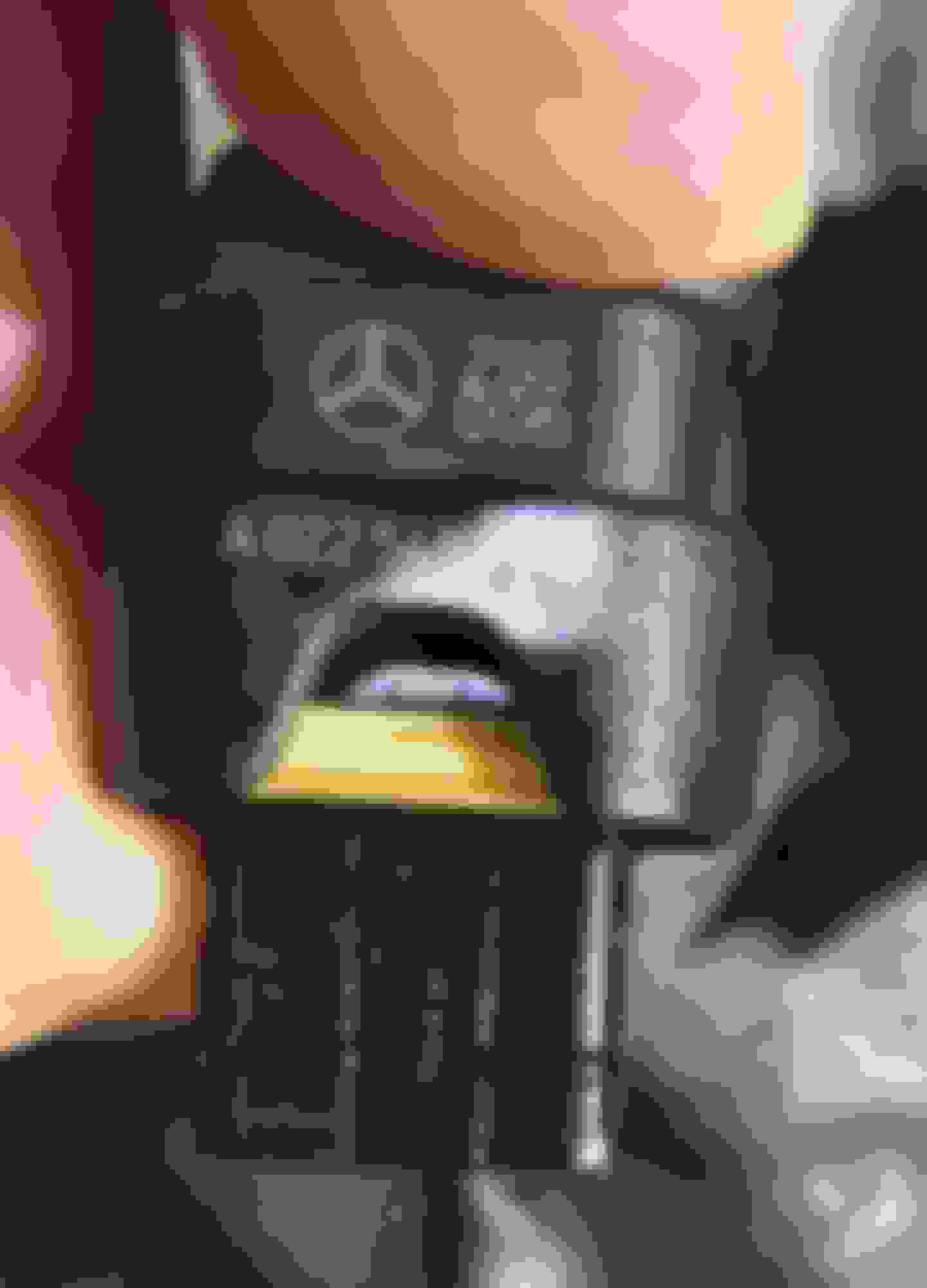
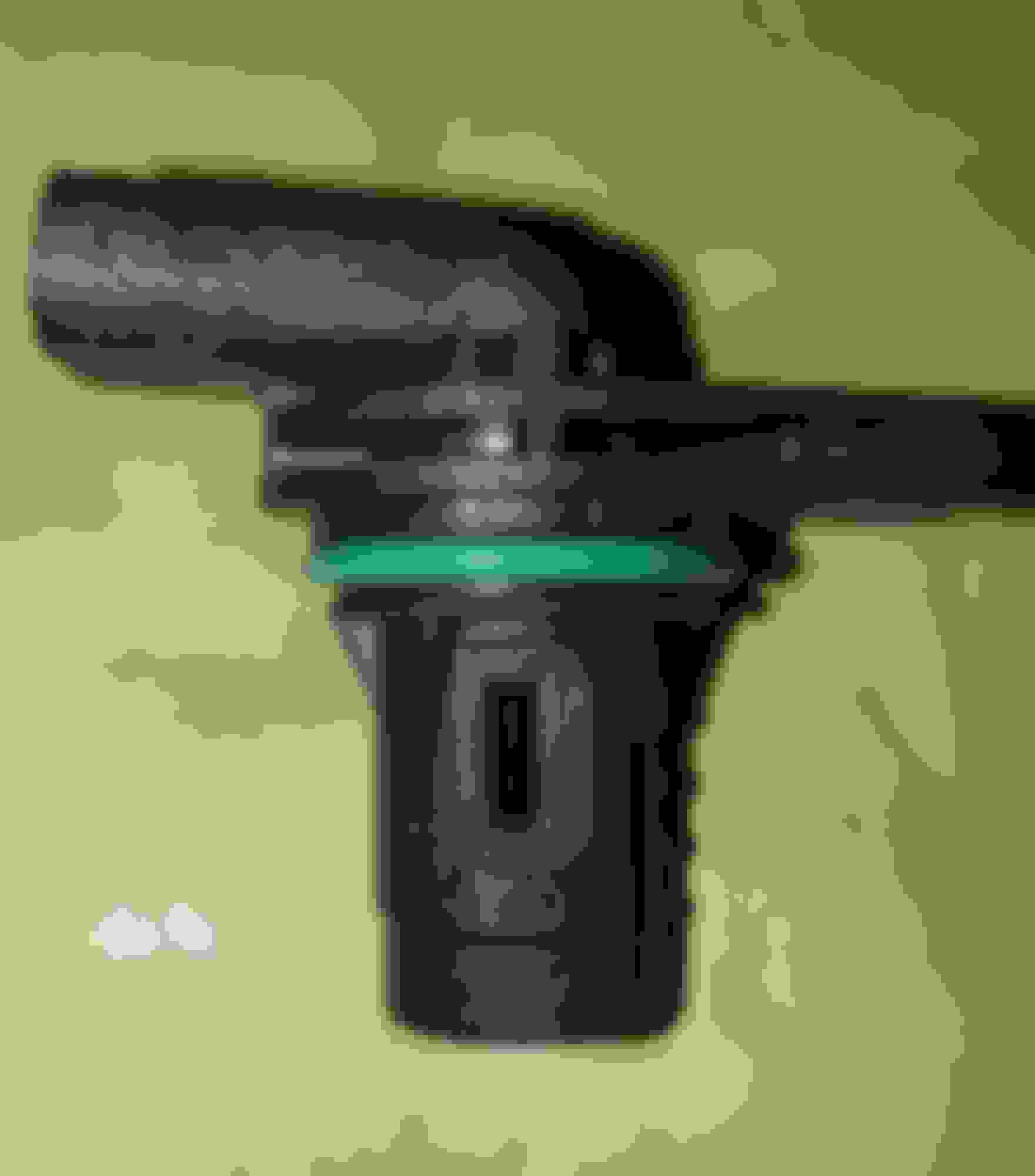
Some pictures of the cam sensors.
Seemingly no cracks but it looks as if the oil ingress is just below the pins.
@Hakon74 Thanks, these are great photos. Is it possible to post a photo of the sensing face (axial view at the circular end of the sensor exposed to the camshaft)?
The wet pins show that oil has entered the interior of the sensor, and is wicking up through the electrical contacts, which are not sealed. They are not sealed because the sensor is designed to not allow oil inside, under ideal conditions. Clearly the ideal conditions are not met, as evidenced by leaking.
I'm thinking a crack is the black injection molded plastic sensor body, exposed to oil. This means the crack, if one exists, is below the o-ring. "Below" means the direction towards the camshaft and away from the exterior harness connector.
To find a crack requires the sensor to be as perfectly clean and free of oil as possible, using a bright light and close inspection lenses, for people needing such lenses. As I do!
Look very carefully around the sensing tip and the radiused corners of the plastic injection molded housing. The oil got into the sensor somehow, the mission is to find how it penetrated the sensor housing.
Not great pics but no clear evidence of any cracks.
Could it be from the little windows on the side ?
Either way I've just ordered 4 replacements, so will compare when they arrive.
Not great pics but no clear evidence of any cracks.
Could it be from the little windows on the side ?
Either way I've just ordered 4 replacements, so will compare when they arrive.
Thanks @Hakon74 . The crack in my estimation is near the most stressed location - whether the stress comes from chemical, thermal or mechanical/vibration. Any of the radii could be suspect, and the windows as you mention. The root cause could be poor choice of resin chemistry/formulation, injection molding quality defect, or insufficient/too thin material in the nominal design.
If you can take the same photos of the new sensor, compared with the old, it will help identify what has changed between the part numbers. The changes is where I would look for the failure on the old sensor.
Yep, looks nice. MB could have made changes not visible to the casual observer such as plastic chemistry/formulation, injection molding parameters (time, pressure), very small changes in corner radii, slight thickening of the sensor body walls, etc.
@Hakon74 Do the connector internals (pins area) look different? Obviously it needs to fit the existing harness, but are there details in the epoxy potting or other things that look different? Can you post a photo of the "window" with the connector pointing to the left in the photo? That would show the same side of the sensor as your earlier photo of the removed sensor. Thanks.
I think I can see (under magnification) an issue within the window of the sensor. It looks as if what's inside the window is a different material to the outer casing with a resulting interface or failed interface.
It's not clear but this may the point of ingress.
The exit point seems to be just below the pin connectors in what looks like a fine junction between these inner components and outer casing.
I've rinsed the old ones in brake cleaner the most leaky of all the sensors allows the cleaner through, no trouble at all.
First pic is old sensor, challenge to get the light and focus at the same time, but I think it's clear that there is a rectangular junction around the pins and the leak via it.
New sensors. Appears to be slightly different around the pins
The oblong window adjacent to the "Continental" word looks different. The bottom of the 3-pin cavity shows where the injection mold has been machined. These are differences that are apparent after a cursory review. MB clearly changed the sensors.
On m278 v8 biturbo there is a piece of the harness running underneath passenger side exhaust manifold-turbo which will be hard to pull out pull in. That is the reason for engine removal.
Does this also apply to the driver's side? I'd assume they are routed similarly, but sometimes that is not the case.
The oblong window adjacent to the "Continental" word looks different. The bottom of the 3-pin cavity shows where the injection mold has been machined. These are differences that are apparent after a cursory review. MB clearly changed the sensors.
Just going through this thread is this problem only found on the M278 or also on the M276? Is this now a "A MUST" service protocol to inspect these connectors once in a while as a preventive maintenance?
Just going through this thread is this problem only found on the M278 or also on the M276? Is this now a "A MUST" service protocol to inspect these connectors once in a while as a preventive maintenance?
Oil in the harness affects the contemporaneous engines M274, M276 and M278/M157.
It is a must to inspect the 8 connectors over time.
Early stage oil in harness is recoverable by replacing cam position sensors and cam magnets with the latest part numbers.
More advanced oil in harness may additionally require engine wire harness replacement and ECU replacement.
O2 sensors have been reported as affected by oil in harness but this seems less common.
Just going through this thread is this problem only found on the M278 or also on the M276? Is this now a "A MUST" service protocol to inspect these connectors once in a while as a preventive maintenance?
YES. Inspect now and replace if you have older part numbers. It is usually overlooked, even at the dealers...
Mercedes SLR McLaren 722 S Is Extremely Rare Example Modified by McLaren
Slideshow: A one-of-one U.S.-spec Mercedes-Benz SLR McLaren Roadster became even rarer after a factory-backed transformation at McLaren's headquarters.