When you click on links to various merchants on this site and make a purchase, this can result in this site earning a commission. Affiliate programs and affiliations include, but are not limited to, the eBay Partner Network.
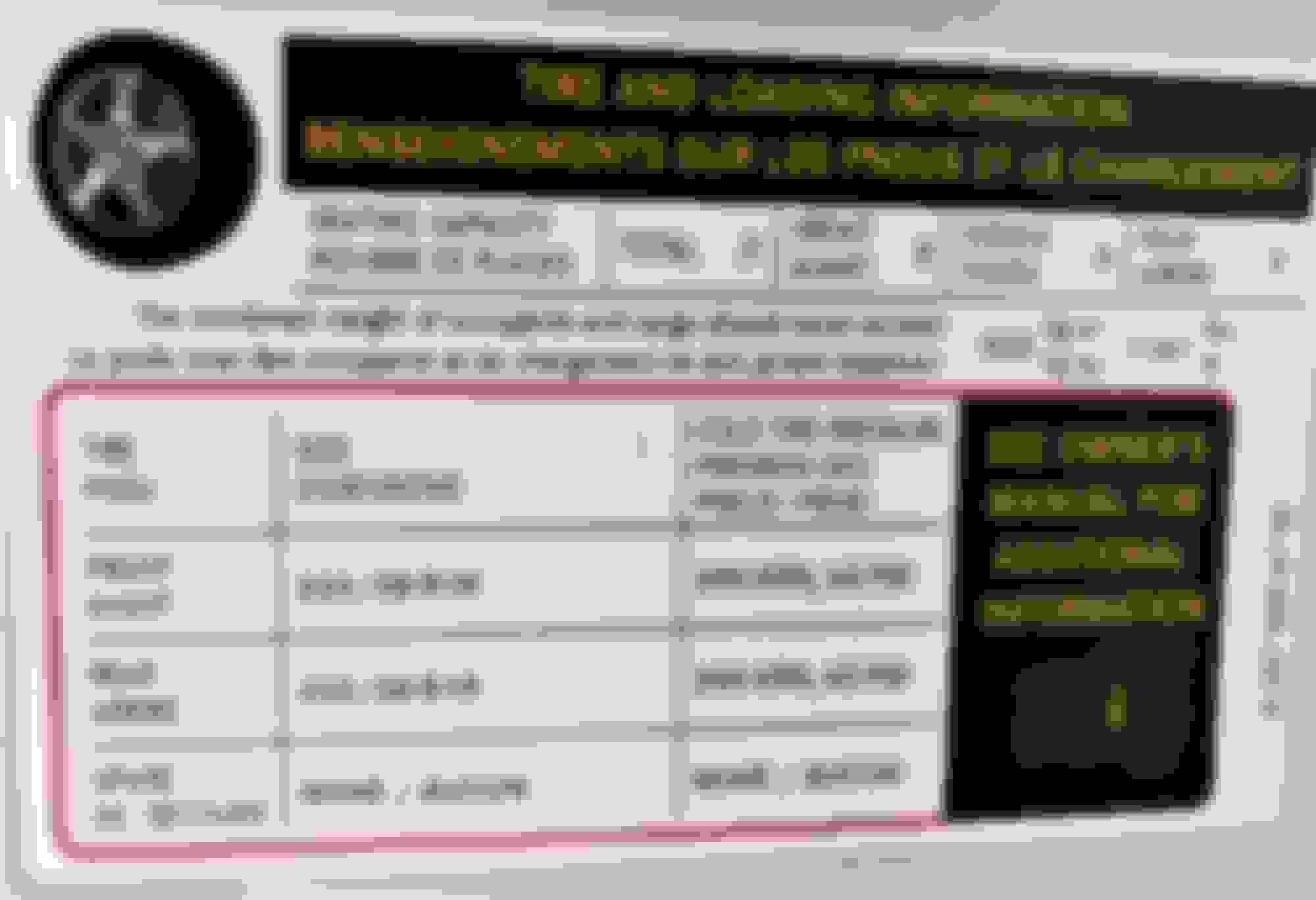
I'm a little confused on Mercedes recommended tire pressures. I have the Continental 235/50-R19 extended mobility tires. The tire tag on the driver's door jamb say's 43 PSI front and rear with nothing noted about maximum pressure.
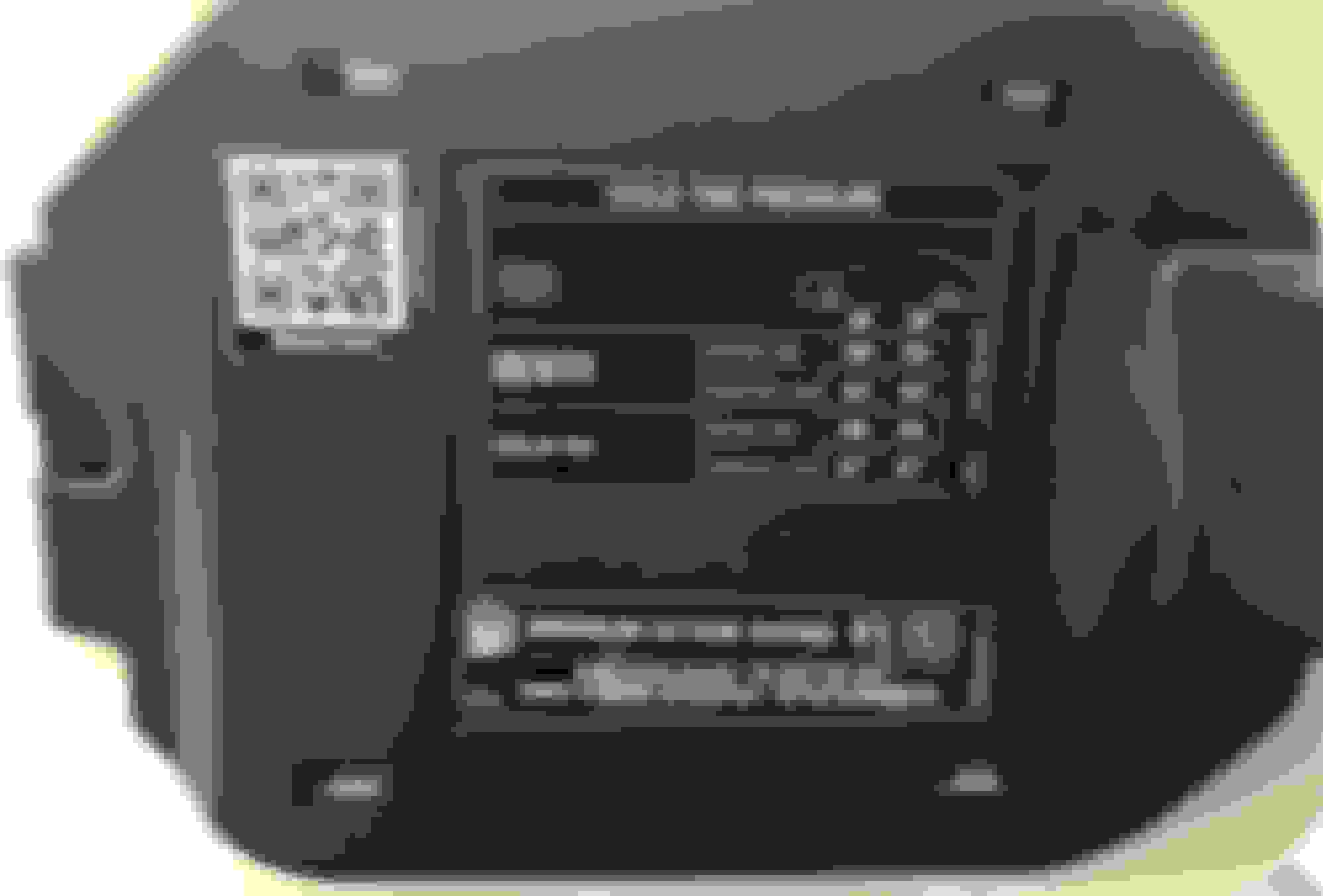
The sticker on the inside of the fuel filler door say's 38 PSI in the front and 34 PSI in the rear under normal loads. 43 PSI front and rear under maximum load.
I guess my situation is normal loads, as it's usually just the wife and I with limited cargo or passengers.
So what pressures are you running, 43 PSI max or the normal load pressures? That's quite a difference, especially for the rear tires. Obviously, the ride quality would be better at lower pressures. I do carry a tire puncture repair kit for possible use and a small Viair 12 volt air compressor. Thanks for any input.
I have the 2021 GLB250 FWD 7 passenger.
i run the normal load pressures 38F/34R for up to 3 teen softball players with school bags and sports equipment + driver. That’s my typical load which I estimate to be 660 pounds.
I have the 2021 GLB250 FWD 7 passenger.
i run the normal load pressures 38F/34R for up to 3 teen softball players with school bags and sports equipment + driver. That’s my typical load which I estimate to be 660 pounds.
Thanks. On all my previous vehicles I've always went by the sticker on the door jamb for tire pressure. The GLB is the 1st vehicle that I have had with 2 different stickers.
Thanks. On all my previous vehicles I've always went by the sticker on the door jamb for tire pressure. The GLB is the 1st vehicle that I have had with 2 different stickers.
I will go with the 38F/ 34R.
There are multiple threads on this forum regarding two tire pressure stickers that do not match. It had to do something with Federal Regulations for the car makers.
Bottom line, you suppose to use ratings from the fuel cap sticker.
When I bought the GLB it was a service loaner with 10K miles. The 10K service was just done prior to the sale.
I'm pretty sure all the tires were inflated to 43 PSI by the dealer.
That's why I had the question.
I will definitely drop the pressures now.
When I bought the GLB it was a service loaner with 10K miles. The 10K service was just done prior to the sale.
I'm pretty sure all the tires were inflated to 43 PSI by the dealer.
That's why I had the question.
I will definitely drop the pressures now.
With 4 seasons in NY, I find that my tire pressure could range from 34psi in the winter to 40 psi in the summer.
If it gives you low tire pressure warning when you lower it, reset you TPMS setting on the driver screen.
I think that the dealers and the tires stores set tire pressures for the maximum load on the sticker to avoid liability. They don’t know how you will use the the vehicle. Then you can adjust the pressures as you need.
With 4 seasons in NY, I find that my tire pressure could range from 34psi in the winter to 40 psi in the summer.
If it gives you low tire pressure warning when you lower it, reset you TPMS setting on the driver screen.
I think that the dealers and the tires stores set tire pressures for the maximum load on the sticker to avoid liability. They don’t know how you will use the the vehicle. Then you can adjust the pressures as you need.
You can do a chalk test to see if your tires are at optimum pressure. One is you can draw the threads on the tire and drive it. After short drive, you can check if the chalk is evenly cleared. If it is gone on the sides, it is high pressured. If it is gone on the edges, it is low pressured.
Other test is draw the sidewall on the fronts and make some turns to see if the chalk stays on the side wall or some of it is gone. If it is low pressure, you can see the sidewall is not fully covered. Maybe this might not be the optimum with extended mobility tires with stiffer sidewalls, but low pressure still can damage the sidewalls...
Again every 10F, your tire pressure changes 1psi. When there is big swings in temp, the tire pressure swings with it.... Also the pothole damage is an issue with 20"/21" MO1 tires for my GLB35...
Interesting, to say the least. It contradicts what I recommended earlier in this thread. The SUV tire video recommends the tire pressures on the B pillar, not the ones in the gas filler door. That’s 43 PSI for the Continental 235-50R19 MOE tires on my GLB250 FWD 7 passenger model. That gives quite a harsh ride for an unloaded or even a medium loaded vehicle.
They’re supposed to be experts, but do they know more than Mercedes-Benz?
Below is the copy of the explanation from one of the numerous discussions on this forum.
"You can partly thank the US DOT and your fellow citizens for part of this confusion. All three placards are valid, you just have to understand what they are saying. The white placard is mandated by the US DOT to show the absolute maximum recommended tire pressure, which is the max load recommended tire pressure from the fuel door sticker +4 psi for driving over 100 mph. Ever since the Firestone debacle in the 90s, the DOT requires that the white sticker indicates the safest recommended pressure, which is always the highest recommended and in this case assumes that one might indeed drive over 100 mph occasionally with a fully loaded car whether legal or not. While this is the safest pressure, it'll lead to a poor ride quality. Max load recommended tire pressure means maximum number of passengers in the car plus fully loaded with cargo. For normal daily driving with little or no cargo and 2-3 passengers you should use the normal load recommended tire pressure as indicated on the fuel door. Looks like the fuel door sticker of the GLC is a bit light in information. For comparison, below is the one from my C63S Coupe. You can see better under which conditions the recommended tire pressures apply, but it's always the same. It's a function of load and speed. The heavier the car, the higher the tire pressure should be and same for the faster you intend to drive as the forces put on the tires at those very high speeds increase. The reality is that you should always adjust the tire pressure regularly based on ambient temperature and load of the car. Unfortunately, very few people in North America understand this concept and it is what has lead to all those accidents with SUVs and Firestone tires where they flipped over and people got killed as a consequence. Since Americans in particular apparently can't be trusted with understanding when they need to adjust the tire pressure and which one to use, the DOT has decided to put a white sticker on the B-pillar with a single recommended tire pressure that's safe under any condition and those who don't understand this will just have to live with an unnecessarily harsh ride. Ultimately, there's zero actual confusing information here. The problem is rather that driver education in this country is a joke, and nobody is being taught this."
I checked my service receipts for the 10K service done prior to my purchase. This dealer set the tire pressure at 40 PSI on all tires. A month later I took in my GLB to have the battery checked at my local dealer.
California has a law requiring tire pressure be checked and set when any service is done on a vehicle. This dealer set the pressure at 36 PSI on all tires. Neither followed the gas door sticker.
Throw in the fact that the tire temp plays a part in this while at the dealer. So, I guess the lesson is to determine what the proper pressure is for you, and your load conditions. Buy a good tire gauge and check your pressure with COLD tires. I'm going to start with the 38 PSI front, and 34 PSI rear recommended on the fuel door.
Wireman:
I’m going to continue with the 38F/34R pressures that I recommended earlier. I have a compressor in my garage and manually check my tires regularly.
Vlad:
I agree with the driver education ideas to a point, but I don’t subscribe to the “Americans are careless, Europeans are not logic.” The design of the Firestone 500 tires was deficient and dangerous. I had 2 nearly new Firestone 500s on my company car fail within 100 miles of each other while being driven at about 75 MPH on a smooth asphalt highway. They were checked for pressure and condition just before leaving. I was simply disabled and delayed. A coworker was killed by an accident precipitated by a failure of the same type of tire on his personal car on a vacation trip. The fault was poor bond between the tire rubber and the steel belt, leading to tread/belt/carcass separation then complete failure. Firestone replaced the 500 with their 721 design which performed competently. Other persons might have a different opinion, but other brands and even other Firestone tires remained safe with no difference in driver behavior.
Wireman:
I’m going to continue with the 38F/34R pressures that I recommended earlier. I have a compressor in my garage and manually check my tires regularly.
Vlad:
I agree with the driver education ideas to a point, but I don’t subscribe to the “Americans are careless, Europeans are not logic.” The design of the Firestone 500 tires was deficient and dangerous. I had 2 nearly new Firestone 500s on my company car fail within 100 miles of each other while being driven at about 75 MPH on a smooth asphalt highway. They were checked for pressure and condition just before leaving. I was simply disabled and delayed. A coworker was killed by an accident precipitated by a failure of the same type of tire on his personal car on a vacation trip. The fault was poor bond between the tire rubber and the steel belt, leading to tread/belt/carcass separation then complete failure. Firestone replaced the 500 with their 721 design which performed competently. Other persons might have a different opinion, but other brands and even other Firestone tires remained safe with no difference in driver behavior.
I think you misunderstood my post. I did not make those statements, just copied someone else explanation, on this forum, of the reason why there are multiple labels exist, that looked logical in my opinion.
I think you misunderstood my post. I did not make those statements, just copied someone else explanation, on this forum, of the reason why there are multiple labels exist, that looked logical in my opinion.
I think I understood. And I agree with the labelling comments. That post went on to blame the Firestone 500 failures on drivers when failures were documented to be at least 3 times those of other tires. I thought that needed to be addressed. My apologies if I overdid it.
So I’ve been running my 2020 GLB 250 at 38/34 for five years. As of today I got a warning message when my rear tires were below 40 it gave a warning at 38. I kept the car running and the only way to get rid of the message was to inflate the tires to 40 pounds in the rear and now the message is gone. Not sure if there was a recent update to the MBUX BUT NOW I’M FORCED TO RUN MY TIRE PRESSURE AT 40 IF I DON’T WANNA GET THE MESSAGE CONSTANTLY
So I’ve been running my 2020 GLB 250 at 38/34 for five years. As of today I got a warning message when my rear tires were below 40 it gave a warning at 38. I kept the car running and the only way to get rid of the message was to inflate the tires to 40 pounds in the rear and now the message is gone. Not sure if there was a recent update to the MBUX BUT NOW I’M FORCED TO RUN MY TIRE PRESSURE AT 40 IF I DON’T WANNA GET THE MESSAGE CONSTANTLY
Check the tire pressures next morning after parked overnight, using the fuel cap door pressures. Once done, go to the tire pressure screen, press ok, accept new reference values.
Thanks I was not aware of that. There was only one little piece of missing information and that is I had to swipe down on the screen to get it to accept the new values.
Thanks I was not aware of that. There was only one little piece of missing information and that is I had to swipe down on the screen to get it to accept the new values.
Mercedes SLR McLaren 722 S Is Extremely Rare Example Modified by McLaren
Slideshow: A one-of-one U.S.-spec Mercedes-Benz SLR McLaren Roadster became even rarer after a factory-backed transformation at McLaren's headquarters.