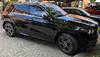
My car went crazy (again) this morning when I drove to work. The central screen froze at the welcome interface, and the instrument cluster showed mpg and few other info (e.g., the gear). I was in a hurry so just drove 40 miles to work when the screens not functioning, locked the car with the central screen on. Later this morning I noticed a message from the app for low tire pressureon the front wheels, which both read 39 psi. When driving back home in the afternoon, the displays were back, but insisted the tire pressures being low at 39 psi, which increased to 41 psi. The label on the car shows 36 psi as normal for those two tires. Don't know what happened to it this morning, but guess I'll need a dealer to look at it.
My car went crazy (again) this morning when I drove to work. The central screen froze at the welcome interface, and the instrument cluster showed mpg and few other info (e.g., the gear). I was in a hurry so just drove 40 miles to work when the screens not functioning, locked the car with the central screen on. Later this morning I noticed a message from the app for low tire pressureon the front wheels, which both read 39 psi. When driving back home in the afternoon, the displays were back, but insisted the tire pressures being low at 39 psi, which increased to 41 psi. The label on the car shows 36 psi as normal for those two tires. Don't know what happened to it this morning, but guess I'll need a dealer to look at it.
Use the pressures on the fuel cap door, measure when cold. Then reset the tire pressure monitoring system, press OK on the tire pressure menu and confirm accept new reference values. Take into account of the ambient temperature when adjusting the tire pressures though.
Use the pressures on the fuel cap door, measure when cold. Then reset the tire pressure monitoring system, press OK on the tire pressure menu and confirm accept new reference values. Take into account of the ambient temperature when adjusting the tire pressures though.
I had to use recommended pressure on the driver door sill area. The pressures on the fuel door are too low and not correct for my 20” tires.
The door sill sticker states 42 front and 47 rear
Fuel door for my tire sizes states 37/37. If I adjust to 37/37 I get the low tire notice.
It is because you need to accept new reference values, going from 42 and 47 to 37 is significant so the vehicle flags that, that is the purpose of TPMS, to flag sudden and drastic changes of tire pressure.
That said, don't just go by the book, adjust the values based on driving style, load and ride quality preferences but do use the fuel cap values as the initial reference point then go up and down a psi or two until you are satisfied.
Use the pressures on the fuel cap door, measure when cold. Then reset the tire pressure monitoring system, press OK on the tire pressure menu and confirm accept new reference values. Take into account of the ambient temperature when adjusting the tire pressures though.
Silly question: how do you get proper pressures? Those should be cold tire measurement so I think it has to be done at home. I believe the car relies on the TPMS for pressures, but how can 39 (measured, cold) be too low for 36 (on the sticker, normal load)?
They are still running dealer filled pressure which were very high compared with the sticker numbers (40+ cold), and they haven't changed much since I took delivery in August considering environment change. And the monitoring system is showing different temperatures (several degrees) for the four tires.
It is because you need to accept new reference values, going from 42 and 47 to 37 is significant so the vehicle flags that, that is the purpose of TPMS, to flag sudden and drastic changes of tire pressure.
That said, don't just go by the book, adjust the values based on driving style, load and ride quality preferences but do use the fuel cap values as the initial reference point then go up and down a psi or two until you are satisfied.
From Michelin website: Mine’s a 2025 but it wasn’t listed yet.
Silly question: how do you get proper pressures? Those should be cold tire measurement so I think it has to be done at home. I believe the car relies on the TPMS for pressures, but how can 39 (measured, cold) be too low for 36 (on the sticker, normal load)?
They are still running dealer filled pressure which were very high compared with the sticker numbers (40+ cold), and they haven't changed much since I took delivery in August considering environment change. And the monitoring system is showing different temperatures (several degrees) for the four tires.
Mhmm yup you are correct, cold tire pressure, buy a tire inflator, measure the tire pressure first thing in the morning, account for temperature changes which raises or lower the tire pressure, driving will also raise it by 3-4 psi.
Do not run tire pressures the dealership set, the reason why they overinflate is to help mitigate flat spots from long periods of car sitting on the lot. You accelerate the tire wear if it is overinflated or underinflated not to mention poor ride quality. Depending on how much it is overinflated, as mentioned before, tires go up 3-4 psi from driving, if it exceeds the maximum inflation pressure of the specific tire, there might be a risk of blowout.
I believe the car relies on the TPMS for pressures, but how can 39 (measured, cold) be too low for 36 (on the sticker, normal load)?
The car doesn't "know" what the proper pressure is. As someone posted before, you need to inflate the tire to the correct pressure and then reset the tire monitor. The car then remembers those values reference. If the pressure drops a lot it will give a warning.
As explained above. TPMS doesn't know what the correct tire pressure is. You have to tell it. You are getting warnings, because the dealership set the reference tire pressure too high. The correct tire pressures are those inside the fuel door. The ones on the driver's door only lists the max load pressure. That pressure is only applicable if you load the vehicle to its gross weight (full of passengers and cargo). For normal driving with mostly empty trunk and 1-2 occupants, you use the normal load pressure listed on the fuel door sticker. That's how it works. Tire pressure depends on how heavy the car is at the time. Then once you inflated your tires to the correct pressure while they are cold, you go into the instrument cluster to the Service | Tire menu and store the current pressures as the reference values. That's when TPMS knows what the "correct" pressure is supposed to be and then it alerts you if you have a sudden loss after that. This is not rocket science. You just need to follow what everybody has already been telling you.
As explained above. TPMS doesn't know what the correct tire pressure is. You have to tell it. You are getting warnings, because the dealership set the reference tire pressure too high. The correct tire pressures are those inside the fuel door. The ones on the driver's door only lists the max load pressure. That pressure is only applicable if you load the vehicle to its gross weight (full of passengers and cargo). For normal driving with mostly empty trunk and 1-2 occupants, you use the normal load pressure listed on the fuel door sticker. That's how it works. Tire pressure depends on how heavy the car is at the time. Then once you inflated your tires to the correct pressure while they are cold, you go into the instrument cluster to the Service | Tire menu and store the current pressures as the reference values. That's when TPMS knows what the "correct" pressure is supposed to be and then it alerts you if you have a sudden loss after that. This is not rocket science. You just need to follow what everybody has already been telling you.
Thanks. I wasn’t aware of how to reset the pressure monitor on the car. I’m sure it will ride better at the reduced pressures.
Slideshow: A one-of-one U.S.-spec Mercedes-Benz SLR McLaren Roadster became even rarer after a factory-backed transformation at McLaren's headquarters.