When you click on links to various merchants on this site and make a purchase, this can result in this site earning a commission. Affiliate programs and affiliations include, but are not limited to, the eBay Partner Network.
Sunroof leak problem solved! W212 (2010-2016 E class)
I own a 2011 E350 Bluetec. Like a lot of you I've been experiencing a wet floorboard after a heavy rain. I realized the water was traveling along the A pillars to the floorboard. Very easy to diagnose by opening your sunroof and pouring a cup of water into the front portion of the sunroof housing where the two drain holes are located. If the drains are clear the water should drain out as fast as you can pour it in. It should actually make a slurping sound as it nears the end of the water like a fast draining sink. Mine would drain but very slowly. If it takes more than 5-10 seconds to drain a full cup of water, then you have a problem. If so, then the water can't get out fast enough, backs up and runs out the drain holes located in the sunroof track. Apparently this is by design as Mercedes has plastic trays under these holes to direct the water down the plastic A pillar covers. The main drains are amazingly effective if working properly. It's almost like they are sucking the water out. It was very obvious once I fixed the problem why I was getting flooded floorboards.
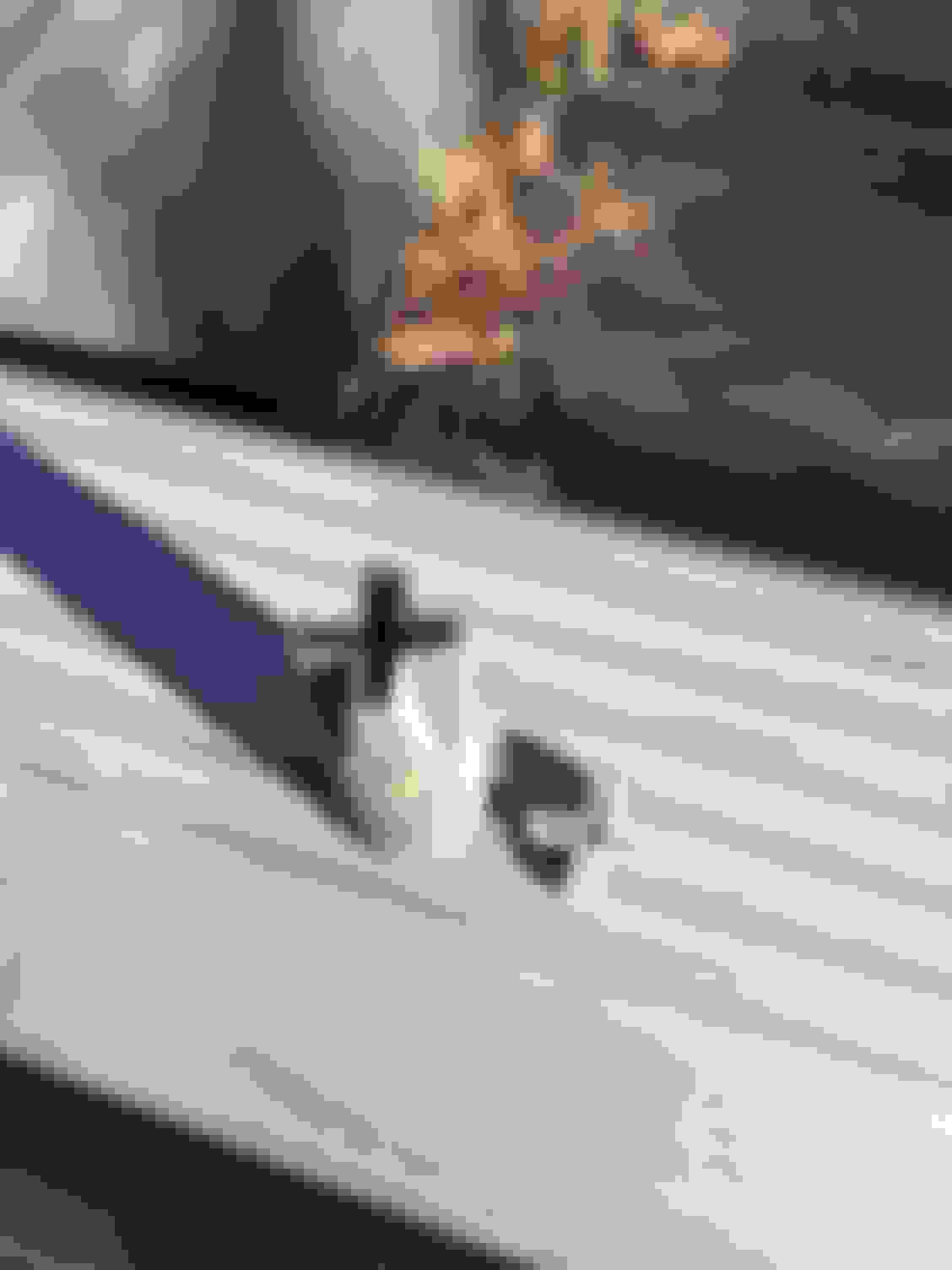
Now for the fix. It isn't terribly difficult but does require some dexterity and patience. The problem lies at the very end of the drain pipes where they exit through the firewall into the fender well. The pipes are a soft rubber and the problem is the soft rubber "sneeze valve" caps they place on the end of them. I believe the caps are actually glued onto the pipes but can be removed with some patience. Attached is a picture of the one-way valve wherein you can see some of the gunk that accumulates in the valve. Apparently very fine particles of sand and dust accumulate in this valve and over time they become very sticky and do not allow the valve to fully open or open at all. The valves stay closed until enough hydro-static pressure builds in the drain causing it to open. Not a good design in my opinion as this allows water with dust and sand to accumulate in the valve, dry out and become sticky. Once I was able to remove the valves, I modified them buy cutting off about 1/8th of an inch from the end (photos attached).
To access the valves you must remove two plastic retainer plugs located at the bottom of the plastic inner fender closest to the fire wall. Then pull the inner fender out from the fender. The inner fender fits inside a lip of the aluminum fender but can be peeled out all the way to the top of the fender. This allows you access to the sneeze valve, however on the passenger side the ECM computer is also inside there so you will need small hands or know somebody with small hands and good dexterity to be able to reach the valve and remove it. The valve is located behind a rubber drain tube approximated 2.5 inches wide by 1 inch high that needs to be moved out of the way to access the small hole where the valve is located. I just pushed the drain tube behind the ECM to hold it out of the way. Still it's not easy to access the valve but with a lot of patience and dexterity it can be done. Possibly it could be accessed from the engine bay by removing the battery and some of the windshield/cowling drain housing/tubing but I can't swear to that. As I mentioned above the valve is apparently glued to the drain hose and both are soft rubber so it takes some work to free it. Once off pour some water in the drains at the sunroof and be amazed at how quickly it drains. Like me you will probably think "Duh, no wonder it was leaking!". These drains are very effective when working properly. The problem with these valves is they gum up because they close completely when there is not enough hydro-static pressure to force them open and whatever water and dirt is in there dries out ant gets gummy. I washed them out real good with Dawn dish-washing soap and a tooth brush. You may be tempted to leave the valves off. I just cut a 1/8th inch off the ends of both and reinstalled them without any glue - it isn't needed and will be easier to remove in the future if necessary. 1/8th inch is enough to keep the ends open so they can drain completely without any hydro-static pressure. I didn't want any insects or critters making nest in the drains so I reinstalled the modified valves which may also help divert any drain water away from the ECM. With the fender pealed back now is a good time to clean out any debris that has accumulated behind them. I cleaned it out by hand and then washed it good with the hose.
Now that the leak is fixed you will need to remove your carpet and dry the floor boards. This is very important as there is a lot of wiring harness under the carpet and the carpet needs to be dried so it won't mildew. it's a bit of work to remove the carpet. I removed the sill plates, door seals, kick panel, seat bolts and moved the seats backwards and tilted them back. I put weight on the seat backs to hold them out of the way. Then I pulled up the carpet. It's molded and has a hard backing. Not very easy to get out. Now dry the floor boards with lots of paper towels and a hair dryer. Do the same to the carpet and leave it out in the sun. Put everything back together and you should be good to go.
Now that I know how quickly a properly working drain should drain, I'll be checking them every oil change.
I tried pushing the weed eater line through the openings but could not push through. I was using the yellow line which is kind of thin. Any recommendations on a specific type/brand that will work?
I own a 2011 E350 Bluetec. Like a lot of you I've been experiencing a wet floorboard after a heavy rain. I realized the water was traveling along the A pillars to the floorboard. Very easy to diagnose by opening your sunroof and pouring a cup of water into the front portion of the sunroof housing where the two drain holes are located. If the drains are clear the water should drain out as fast as you can pour it in. It should actually make a slurping sound as it nears the end of the water like a fast draining sink. Mine would drain but very slowly. If it takes more than 5-10 seconds to drain a full cup of water, then you have a problem. If so, then the water can't get out fast enough, backs up and runs out the drain holes located in the sunroof track. Apparently this is by design as Mercedes has plastic trays under these holes to direct the water down the plastic A pillar covers. The main drains are amazingly effective if working properly. It's almost like they are sucking the water out. It was very obvious once I fixed the problem why I was getting flooded floorboards.
Now for the fix. It isn't terribly difficult but does require some dexterity and patience. The problem lies at the very end of the drain pipes where they exit through the firewall into the fender well. The pipes are a soft rubber and the problem is the soft rubber "sneeze valve" caps they place on the end of them. I believe the caps are actually glued onto the pipes but can be removed with some patience. Attached is a picture of the one-way valve wherein you can see some of the gunk that accumulates in the valve. Apparently very fine particles of sand and dust accumulate in this valve and over time they become very sticky and do not allow the valve to fully open or open at all. The valves stay closed until enough hydro-static pressure builds in the drain causing it to open. Not a good design in my opinion as this allows water with dust and sand to accumulate in the valve, dry out and become sticky. Once I was able to remove the valves, I modified them buy cutting off about 1/8th of an inch from the end (photos attached).
To access the valves you must remove two plastic retainer plugs located at the bottom of the plastic inner fender closest to the fire wall. Then pull the inner fender out from the fender. The inner fender fits inside a lip of the aluminum fender but can be peeled out all the way to the top of the fender. This allows you access to the sneeze valve, however on the passenger side the ECM computer is also inside there so you will need small hands or know somebody with small hands and good dexterity to be able to reach the valve and remove it. The valve is located behind a rubber drain tube approximated 2.5 inches wide by 1 inch high that needs to be moved out of the way to access the small hole where the valve is located. I just pushed the drain tube behind the ECM to hold it out of the way. Still it's not easy to access the valve but with a lot of patience and dexterity it can be done. Possibly it could be accessed from the engine bay by removing the battery and some of the windshield/cowling drain housing/tubing but I can't swear to that. As I mentioned above the valve is apparently glued to the drain hose and both are soft rubber so it takes some work to free it. Once off pour some water in the drains at the sunroof and be amazed at how quickly it drains. Like me you will probably think "Duh, no wonder it was leaking!". These drains are very effective when working properly. The problem with these valves is they gum up because they close completely when there is not enough hydro-static pressure to force them open and whatever water and dirt is in there dries out ant gets gummy. I washed them out real good with Dawn dish-washing soap and a tooth brush. You may be tempted to leave the valves off. I just cut a 1/8th inch off the ends of both and reinstalled them without any glue - it isn't needed and will be easier to remove in the future if necessary. 1/8th inch is enough to keep the ends open so they can drain completely without any hydro-static pressure. I didn't want any insects or critters making nest in the drains so I reinstalled the modified valves which may also help divert any drain water away from the ECM. With the fender pealed back now is a good time to clean out any debris that has accumulated behind them. I cleaned it out by hand and then washed it good with the hose.
Now that the leak is fixed you will need to remove your carpet and dry the floor boards. This is very important as there is a lot of wiring harness under the carpet and the carpet needs to be dried so it won't mildew. it's a bit of work to remove the carpet. I removed the sill plates, door seals, kick panel, seat bolts and moved the seats backwards and tilted them back. I put weight on the seat backs to hold them out of the way. Then I pulled up the carpet. It's molded and has a hard backing. Not very easy to get out. Now dry the floor boards with lots of paper towels and a hair dryer. Do the same to the carpet and leave it out in the sun. Put everything back together and you should be good to go.
Now that I know how quickly a properly working drain should drain, I'll be checking them every oil change.
Sneeze valve with gunk.
Sneeze valve with a 1/8th inch cut to the end.
Sneeze valve with 1/8th inch removed.
Digging up this post sorry, firstly this is very informative thank you, sounds like this is the first thing to look at but also not sure if I have the same issue - water/dampness seems to appear in the A-Pillar FIRST, not the footwell - is this what you experienced also or the other way round? To confirm, car is a S212 E63s with the pano roof.
First step check front glass seals. All fine, remove affected A-pillar trim and test drainage could be blocked valve as discussed or hose or hose connecting point @ frame that will require dropping headliner.
I tried pushing the weed eater line through the openings but could not push through. I was using the yellow line which is kind of thin. Any recommendations on a specific type/brand that will work?
You may be using .080 line, try .095, worked for me. I used round line as well not a cross pattern or line with twisted strand or cutting edges
First step check front glass seals. All fine, remove affected A-pillar trim and test drainage could be blocked valve as discussed or hose or hose connecting point @ frame that will require dropping headliner.
Digging up this post sorry, firstly this is very informative thank you, sounds like this is the first thing to look at but also not sure if I have the same issue - water/dampness seems to appear in the A-Pillar FIRST, not the footwell - is this what you experienced also or the other way round? To confirm, car is a S212 E63s with the pano roof.
iChan,
You should also suspect your front windshield, its adhesive may have slight delamination for water passage.
You see, our pano roof is a poor choice/design for high power engine and/or those who corner their cars like they stole it.
It ruined the structure rigidity of the car. Your engine is so much more powerful than mine, if I were to own ur engine, my car would have
"deformed" much sooner
Imagine a pano roof as a small and NOT a rigid.... shallow bathtub/tray used as a roof.
This "bathtub/tray" placed on our roof using sealant, like our front and rear windshield.
Sealant will fail when flexing too much
If solid roof shell without pano, our W212 will be much stiffer. Less leak issue from sealant.
2011 Mercedes-Benz E350 4Matic Water leaking from bottom of dash of passenger side.
I need help guys. I have 2011 E350 4Matic and during a storm, I was in the car and saw water coming from the bottom of the dash on passenger side. I am hoing to check all the drains. Any suggestions or assistance would be greatly appreciated. Water was coming in like it was coming out of a hose that was on but not all the way open. Please help.
I need help guys. I have 2011 E350 4Matic and during a storm, I was in the car and saw water coming from the bottom of the dash on passenger side. I am hoing to check all the drains. Any suggestions or assistance would be greatly appreciated.
Water was coming in like it was coming out of a hose that was on but not all the way open. Please help.
knock on wood now... you got an early warning.
the bad new is unprotected soaked German electronics.
Either at footwell CAN-Bus distributions or F-SAM Module.
PROTECT YOUR CAR FROM ANY FURTHER SOAKING. Garage car or use a roll of shipping tape or similar to cover seams.
The standard water sources are...:
Windshield seal...
Sunroof drain...
Roof weld seam...
in that order.
You'll best need to assess what got soaked now to help you repair weird electrical issues later.
Pull the footwell carpet, pop floor drains
Look at fuse box for wetness
try to minimize damages ASAP.
🤞
Last edited by CaliBenzDriver; Oct 12, 2024 at 03:52 PM.
I used a large syringe (available at chemists), with a glass of water.
Draw the water into the syringe, squirt down the drains (located at the front corners of the sunroof when open) with as much force as you can muster. Repeat about a dozen times for each drain-hole.
Then have a look under the car, just behind the front wheels to see that there's water draining out.
Lastly, to confirm that the drains are clear, pour a glass of water into both sides of the reservoir area where the drain holes are located and look to see the water draining out under the car. That just confirms that the drains are now draining freely.
I own a 2011 E350 Bluetec. Like a lot of you I've been experiencing a wet floorboard after a heavy rain. I realized the water was traveling along the A pillars to the floorboard. Very easy to diagnose by opening your sunroof and pouring a cup of water into the front portion of the sunroof housing where the two drain holes are located. If the drains are clear the water should drain out as fast as you can pour it in. It should actually make a slurping sound as it nears the end of the water like a fast draining sink. Mine would drain but very slowly. If it takes more than 5-10 seconds to drain a full cup of water, then you have a problem. If so, then the water can't get out fast enough, backs up and runs out the drain holes located in the sunroof track. Apparently this is by design as Mercedes has plastic trays under these holes to direct the water down the plastic A pillar covers. The main drains are amazingly effective if working properly. It's almost like they are sucking the water out. It was very obvious once I fixed the problem why I was getting flooded floorboards.
Now for the fix. It isn't terribly difficult but does require some dexterity and patience. The problem lies at the very end of the drain pipes where they exit through the firewall into the fender well. The pipes are a soft rubber and the problem is the soft rubber "sneeze valve" caps they place on the end of them. I believe the caps are actually glued onto the pipes but can be removed with some patience. Attached is a picture of the one-way valve wherein you can see some of the gunk that accumulates in the valve. Apparently very fine particles of sand and dust accumulate in this valve and over time they become very sticky and do not allow the valve to fully open or open at all. The valves stay closed until enough hydro-static pressure builds in the drain causing it to open. Not a good design in my opinion as this allows water with dust and sand to accumulate in the valve, dry out and become sticky. Once I was able to remove the valves, I modified them buy cutting off about 1/8th of an inch from the end (photos attached).
To access the valves you must remove two plastic retainer plugs located at the bottom of the plastic inner fender closest to the fire wall. Then pull the inner fender out from the fender. The inner fender fits inside a lip of the aluminum fender but can be peeled out all the way to the top of the fender. This allows you access to the sneeze valve, however on the passenger side the ECM computer is also inside there so you will need small hands or know somebody with small hands and good dexterity to be able to reach the valve and remove it. The valve is located behind a rubber drain tube approximated 2.5 inches wide by 1 inch high that needs to be moved out of the way to access the small hole where the valve is located. I just pushed the drain tube behind the ECM to hold it out of the way. Still it's not easy to access the valve but with a lot of patience and dexterity it can be done. Possibly it could be accessed from the engine bay by removing the battery and some of the windshield/cowling drain housing/tubing but I can't swear to that. As I mentioned above the valve is apparently glued to the drain hose and both are soft rubber so it takes some work to free it. Once off pour some water in the drains at the sunroof and be amazed at how quickly it drains. Like me you will probably think "Duh, no wonder it was leaking!". These drains are very effective when working properly. The problem with these valves is they gum up because they close completely when there is not enough hydro-static pressure to force them open and whatever water and dirt is in there dries out ant gets gummy. I washed them out real good with Dawn dish-washing soap and a tooth brush. You may be tempted to leave the valves off. I just cut a 1/8th inch off the ends of both and reinstalled them without any glue - it isn't needed and will be easier to remove in the future if necessary. 1/8th inch is enough to keep the ends open so they can drain completely without any hydro-static pressure. I didn't want any insects or critters making nest in the drains so I reinstalled the modified valves which may also help divert any drain water away from the ECM. With the fender pealed back now is a good time to clean out any debris that has accumulated behind them. I cleaned it out by hand and then washed it good with the hose.
Now that the leak is fixed you will need to remove your carpet and dry the floor boards. This is very important as there is a lot of wiring harness under the carpet and the carpet needs to be dried so it won't mildew. it's a bit of work to remove the carpet. I removed the sill plates, door seals, kick panel, seat bolts and moved the seats backwards and tilted them back. I put weight on the seat backs to hold them out of the way. Then I pulled up the carpet. It's molded and has a hard backing. Not very easy to get out. Now dry the floor boards with lots of paper towels and a hair dryer. Do the same to the carpet and leave it out in the sun. Put everything back together and you should be good to go.
Now that I know how quickly a properly working drain should drain, I'll be checking them every oil change.
Mercedes SLR McLaren 722 S Is Extremely Rare Example Modified by McLaren
Slideshow: A one-of-one U.S.-spec Mercedes-Benz SLR McLaren Roadster became even rarer after a factory-backed transformation at McLaren's headquarters.